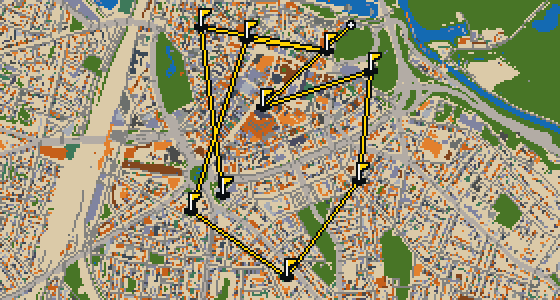
THE DELFT ROUND - STOP BY STOP
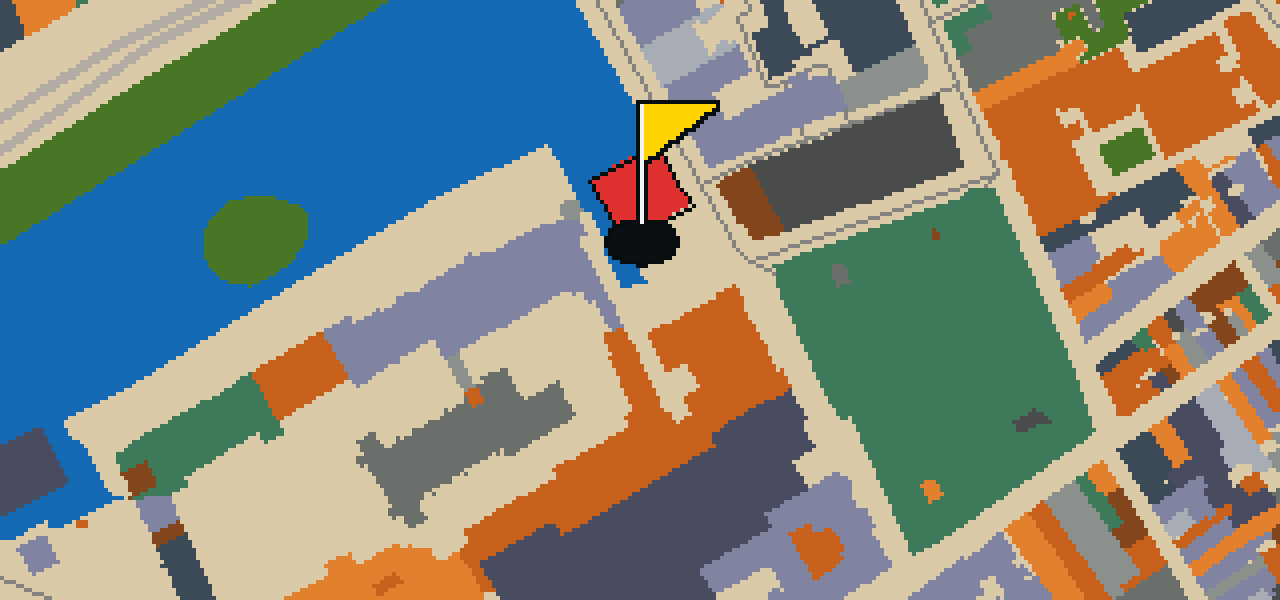

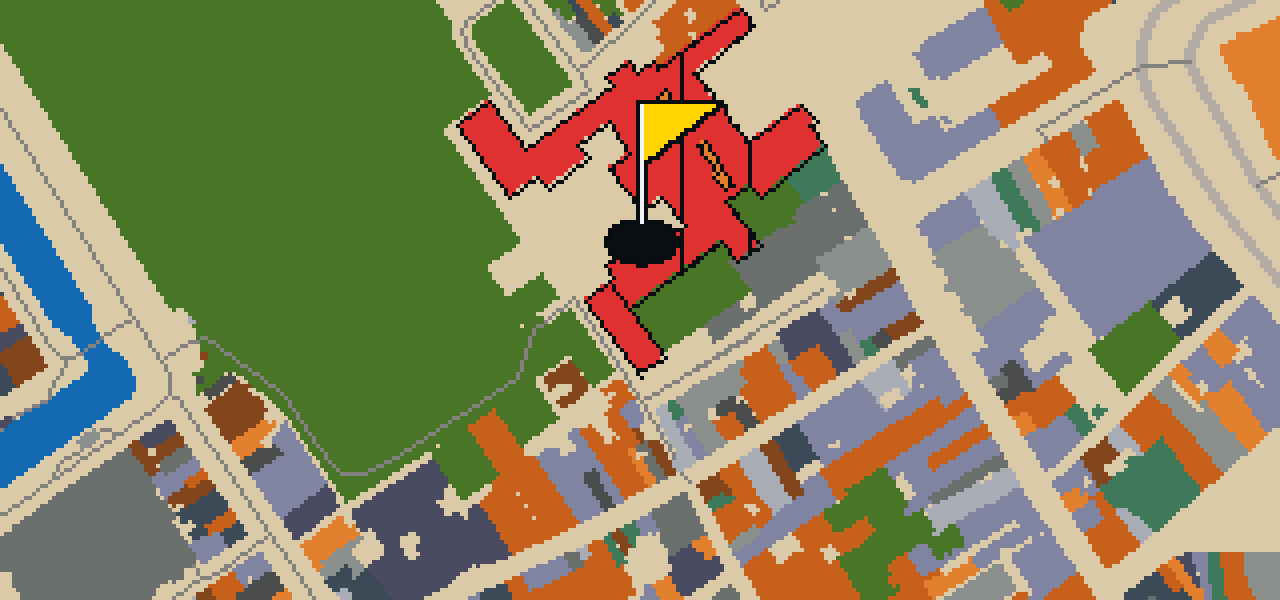
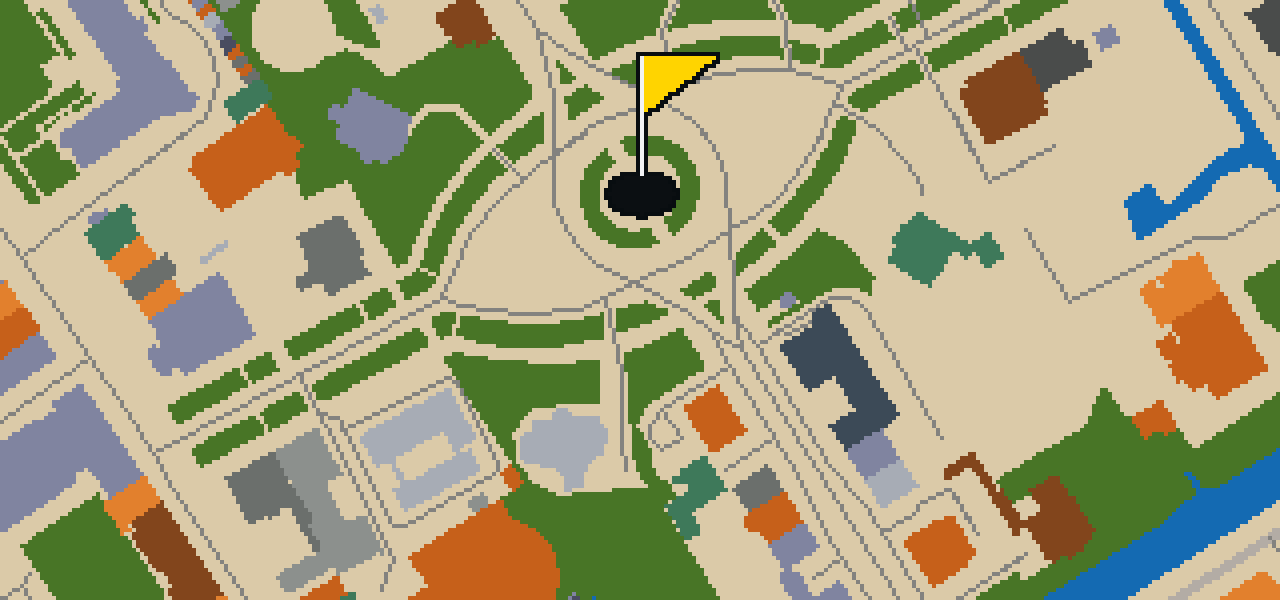

Nationaal Onafhankelijkheidsmonument
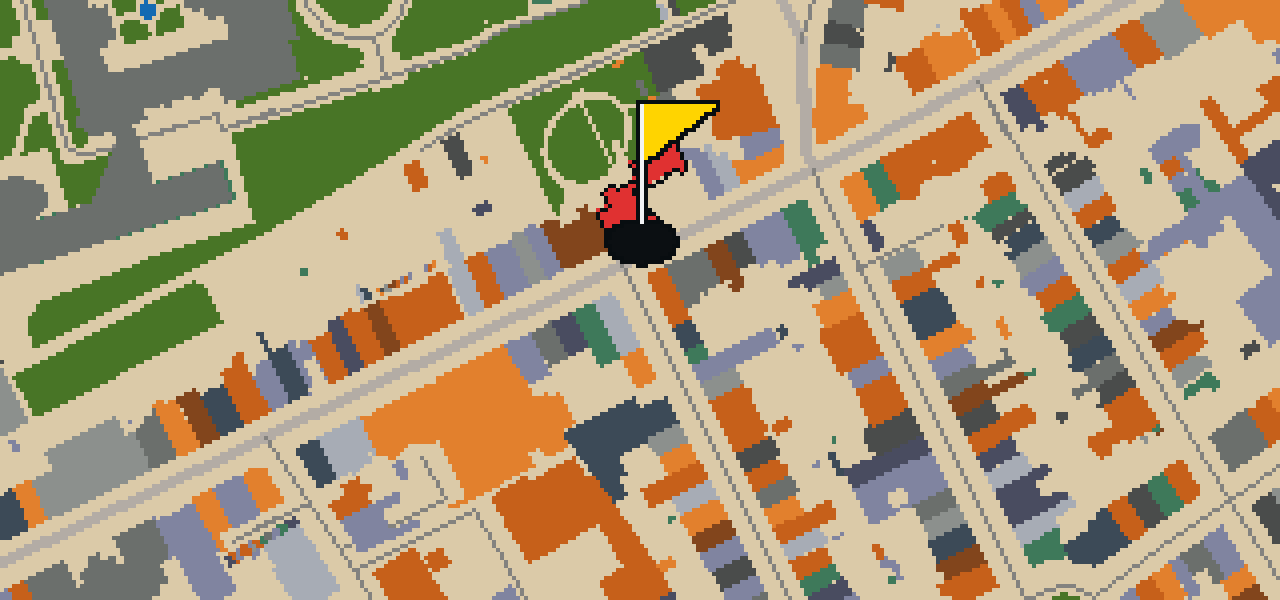
You will first notice the sculpture of the Nationaal Onafhankelijkheidsmonument. This site is a memorial designed by architect W.C. van der Waeyen Pieterszen. It is a place of historical importance that had its inception in 1863. Visitors can observe the specific details of the sculpture, which is officially recognized as a Rijksmonument. This status indicates its protected nature and its value to the heritage of the region. The monument remains a direct and solemn presence in the city, offering a quiet space for those passing through the streets of Delft.
Constantyn Huygens
Let me show you Constantyn Huygens. Located here in the heart of Delft, this site is an architectural structure that holds a place in the city's history. It is officially recognized as a municipal monument in the Netherlands. You can pick out the distinct details of the building as you pass by on your way. I have found that the surrounding streets are some of the best spots to watch the city move. It is a great place to pause and look around before you continue your journey through the neighborhood.

Beeld en Geluid Den Haag
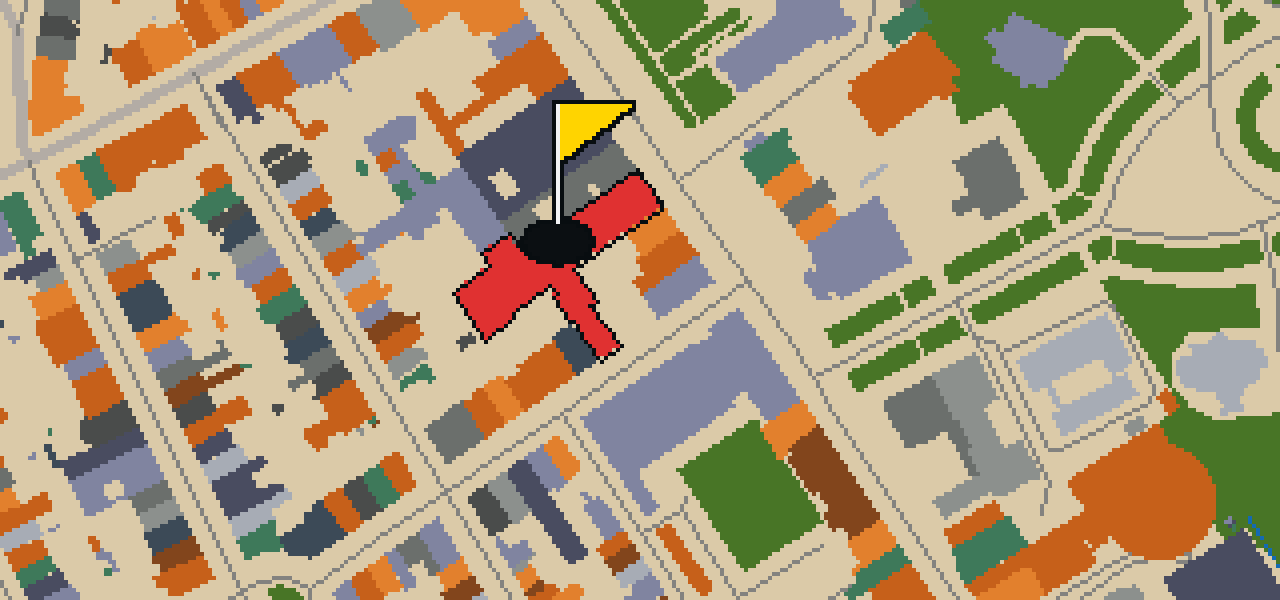
You will find Beeld en Geluid Den Haag right here in the city. It is a postal museum, making it a great spot to learn about the history of sending and receiving mail. I always find the old stamps and letters fascinating when I'm fluttering around the galleries.
Kunstmuseum Den Haag
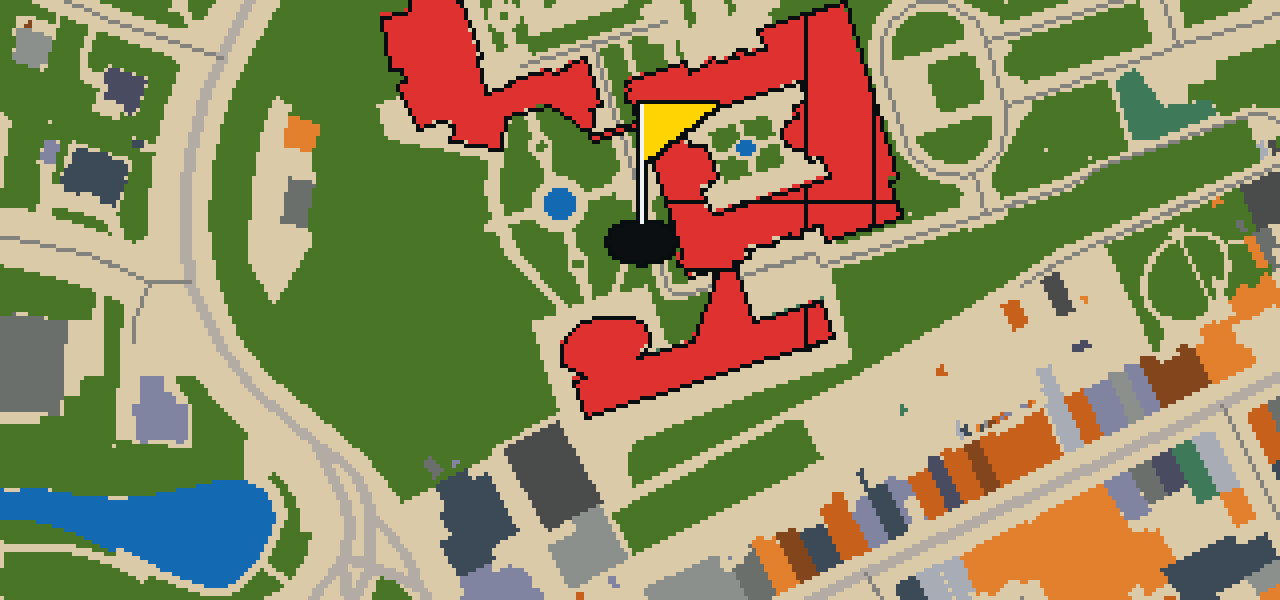
You might expect a boutique display, but you can pick out the massive scale of the Kunstmuseum Den Haag. This art museum in The Hague, Netherlands, holds a collection of around 165,000 works and welcomes 719,000 annual visitors. It has gone through several name changes since it was founded in 1866 as the Museum voor Moderne Kunst. For a long time, it was known as the Haags Gemeentemuseum, and later as the Gemeentemuseum Den Haag until the end of September 2019. I've seen plenty of tourists get turned around in a collection this size.
Maranathakerk
Maranathakerk is a church building located in the city of Delft. When visiting this site, you can see the specific architectural influence of Frits Eschauzier, who is the architect of Maranathakerk. It is a place of worship and a point of interest for those exploring the local area. Whether you are passing through on a walk or navigating the streets for a game, this building is a notable landmark in the neighborhood. Please remain respectful while visiting this site.

Theater Zwembad De Regentes
Let me show you Theater Zwembad De Regentes. This theatre building had its inception in 1920. It is a place where you can experience local performances and arts in the heart of the city. When you look at the structure, you can see how it has evolved to serve the community. I always find the transition from its original purpose to a performance space quite interesting, and it is a spot that adds a lot of character to the neighborhood for anyone visiting Delft.
O.L.V. Onbevlekt Ontvangen / Elandstraatkerk
Koninklijke Schouwburg
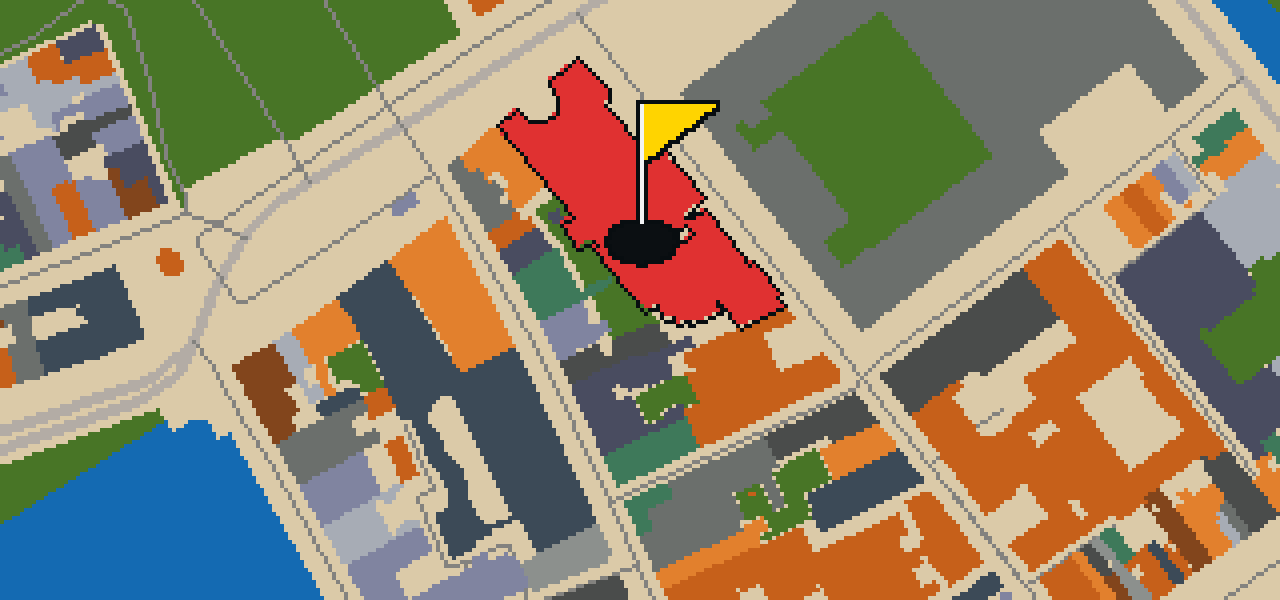
Located in the heart of the city, the Koninklijke Schouwburg is a theatre building. It was built in 1766 and is a Rijksmonument. Pieter de Swart and Charles Vandenhove served as architects for the structure. It has been in use as a theater since 1804, making it a long-standing fixture of the local arts scene. From 2017, the building has been one of the theaters in use by the national theater company Het Nationale Theater. I've always found the area around the theater to be a great spot for people-watching.
H. Teresia van Avila
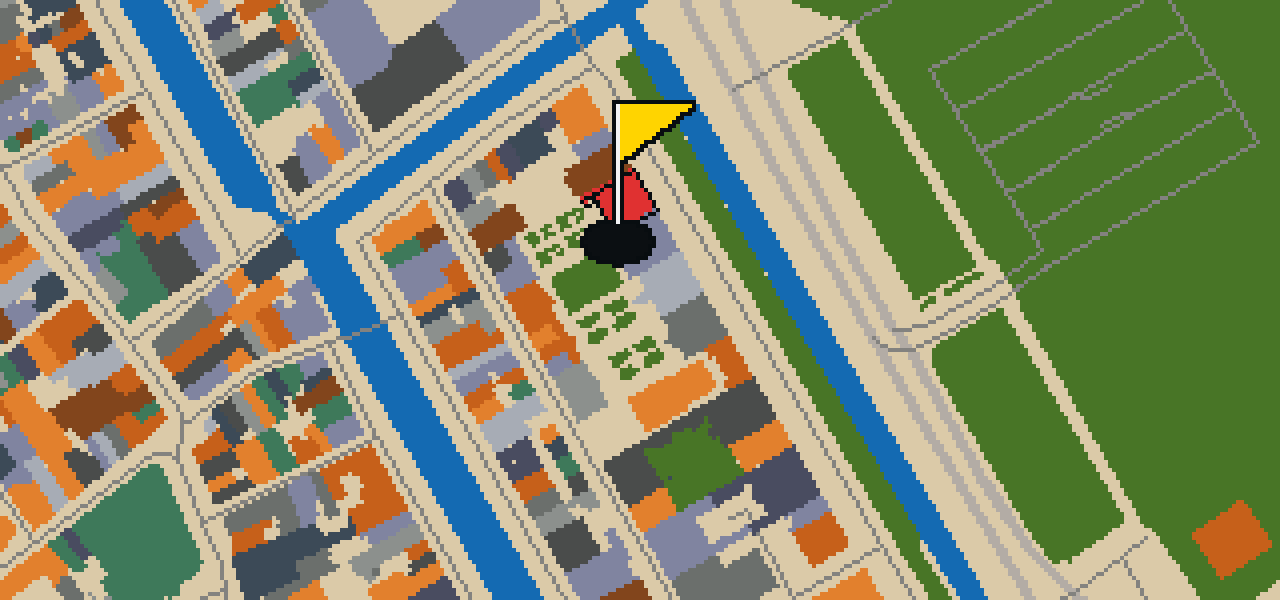
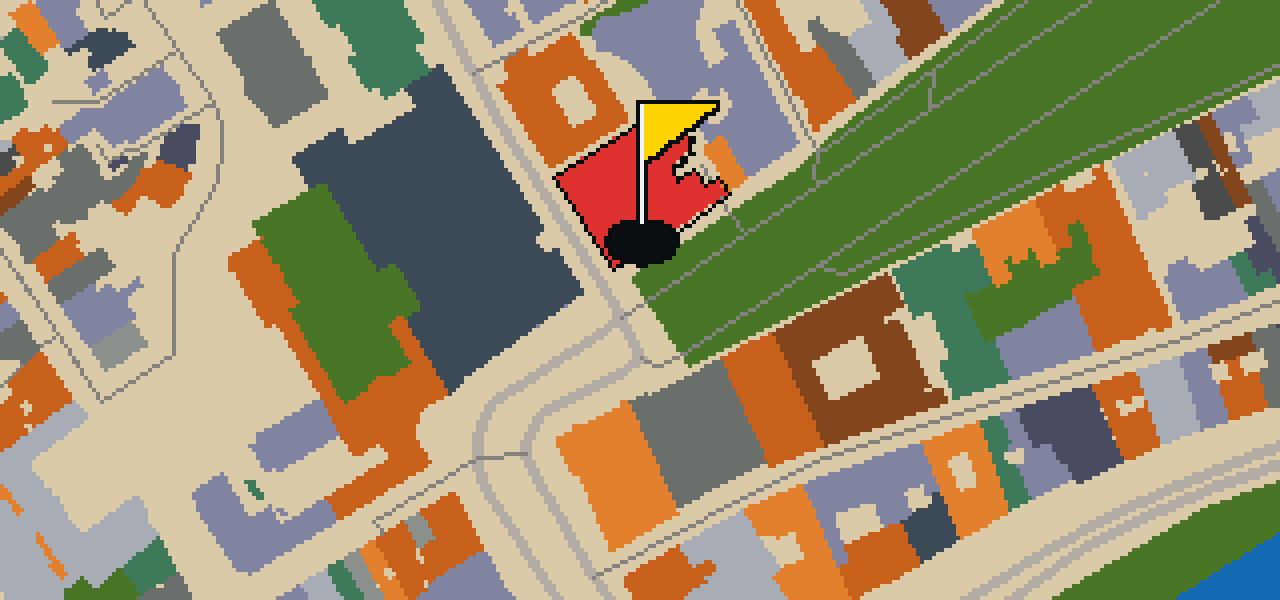
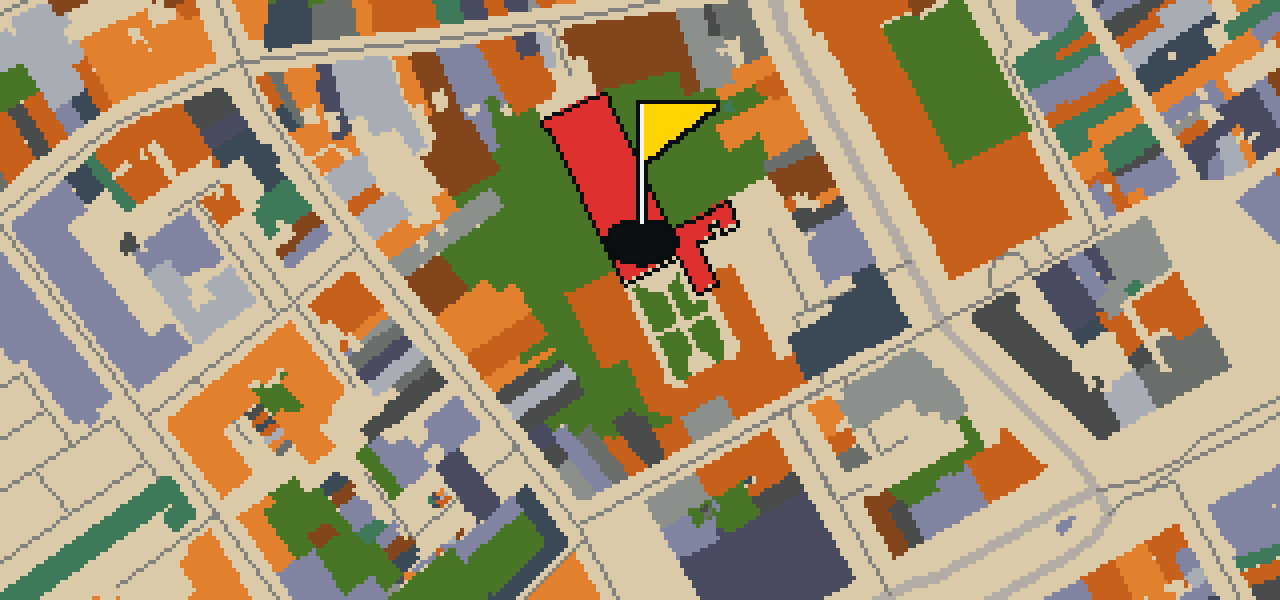
Tilman-François Suys was the architect of H. Teresia van Avila. He is the person responsible for the design of this church building, which is recognized as a Rijksmonument. The inception of the structure occurred from 1839 to 1841. Visitors can see the results of Suys's work in the architecture of this site, which remains a significant building in Delft. It is a place of worship and a protected monument that reflects the design choices of its creator during the mid-nineteenth century.