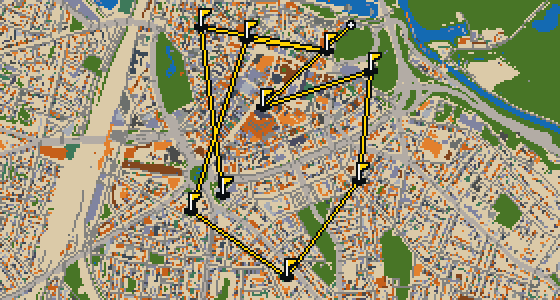
THE ARNHEM ROUND - STOP BY STOP
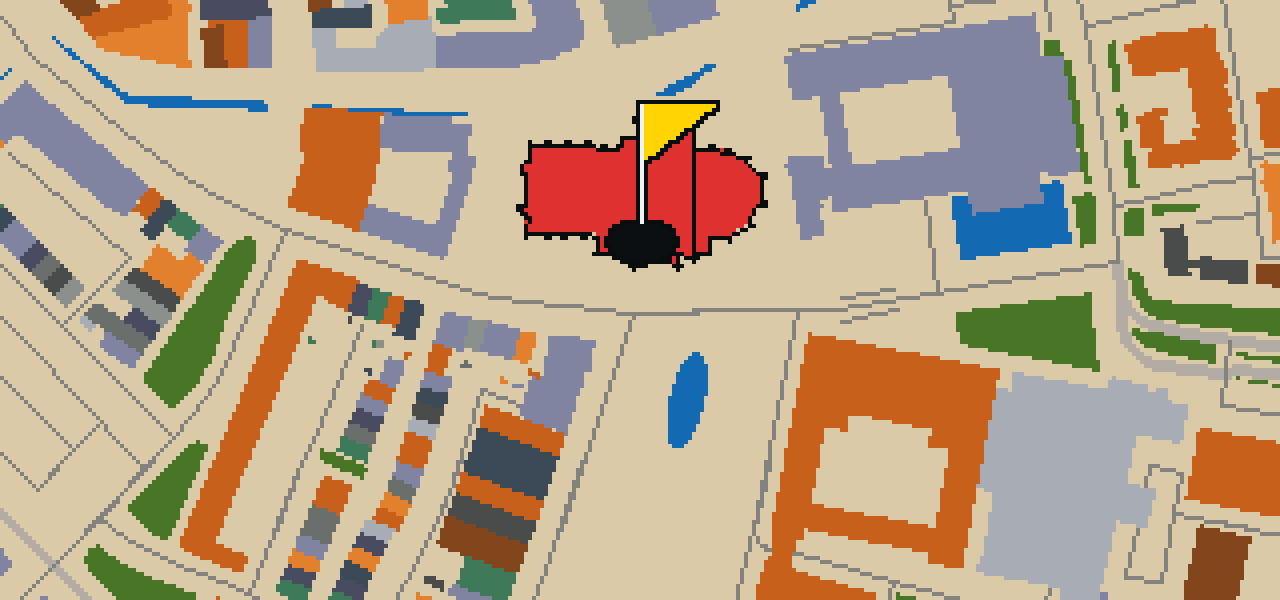



Rembrandt
You might expect to find a collection of Dutch Golden Age paintings here, but this spot is not an art gallery. Instead, I can show you Rembrandt, which is a movie theater. It is a place where you can catch a film in the city of Arnhem.
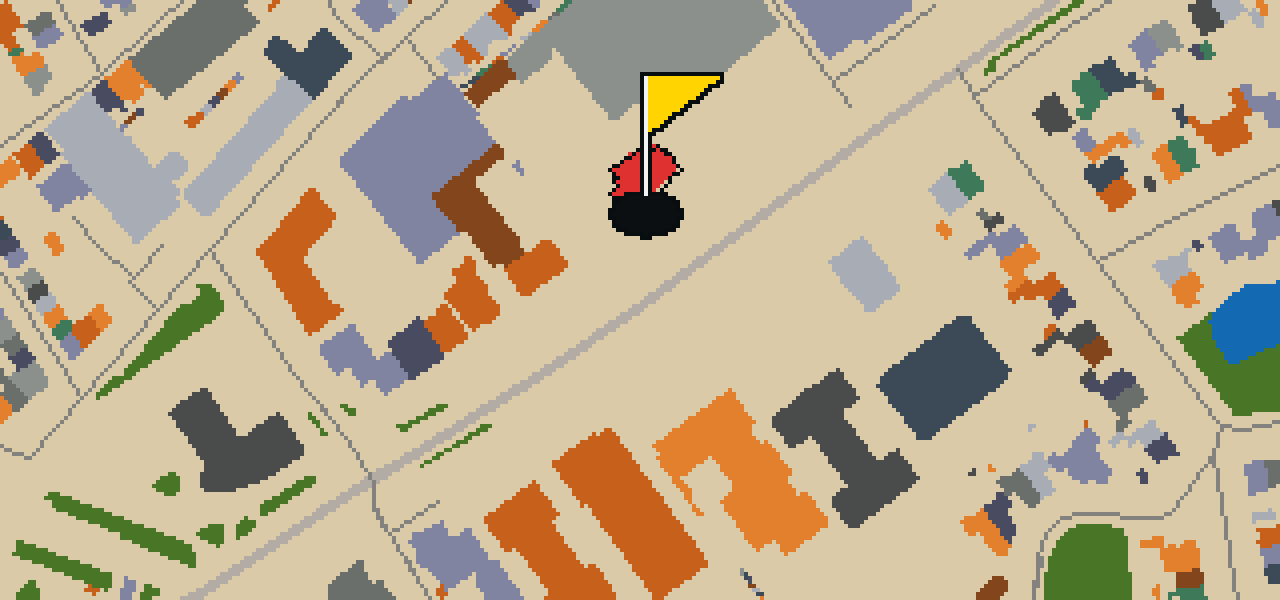
Nederlands Wijnmuseum
You might expect to find rows of grapes and rolling hills here, but you will actually find the Nederlands Wijnmuseum. It is a museum that focuses on the world of wine. Whether you are a connoisseur or just curious about the drink, it is a spot worth visiting while you are in Arnhem. I've noticed the atmosphere here is quite different from the bustling city streets outside, making it a peaceful place to stop. I always find that the quiet of a gallery is a nice change of pace from the noise of the traffic.
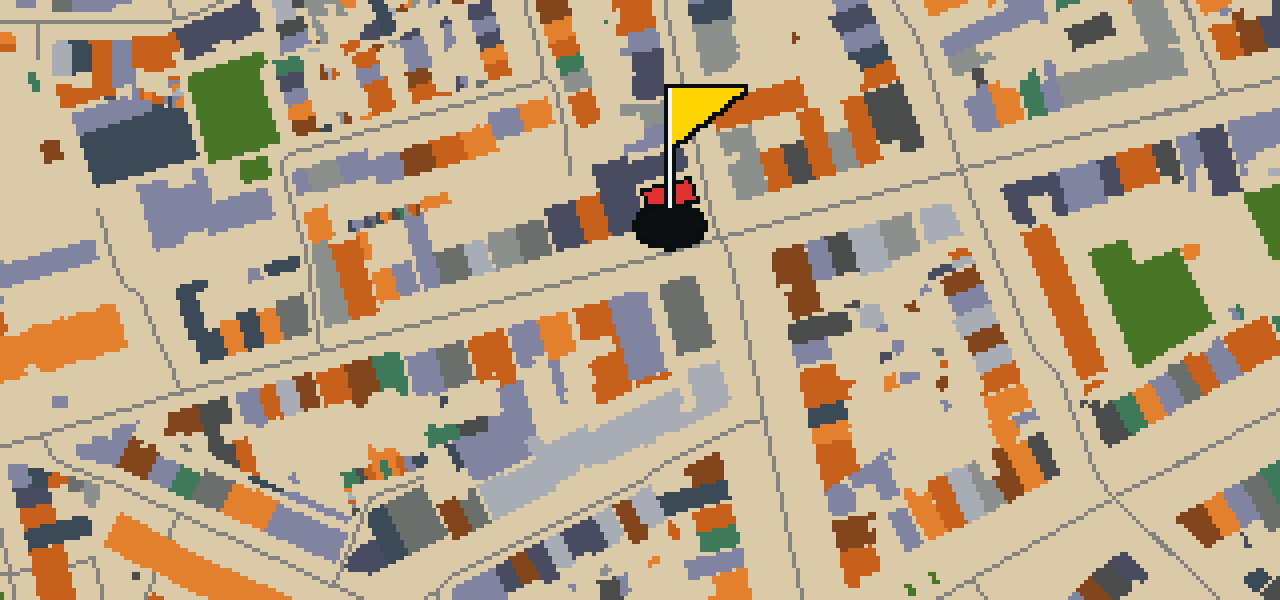
Vrijzinnig Hervormde kerk

Sabelspoort
Let me show you Sabelspoort, which is a city gate located here in Arnhem. This structure is designated as a Rijksmonument, meaning it is a protected national heritage site that helps visitors understand the old layout of the city. When you look at the gate, you can see how these fortifications once managed the flow of people entering the town. I often find the ledges here are perfect for a quick rest, but you should take a moment to appreciate the official status of this landmark and its place in the local history.

Theater aan de Rijn
Let me show you Theater aan de Rijn. This theatre building had its inception in 1966 and has been a part of the city's cultural life ever since. When you visit, you can pick out the specific architectural character that comes with a building from that particular era of construction. I always find the atmosphere here quite buzzing whenever a crowd gathers for a performance. It is a great spot to observe how the city supports its local arts and the people who come to see them.

Musis Sacrum
Look closely at the structure designed by the architect Hendrik Willem Fromberg. This building is the Musis Sacrum, a concert hall located here in Arnhem. It is a significant venue for musical performances, providing a dedicated space for listeners and musicians to gather for various events. Whether you are a fan of the arts or just passing through the neighborhood, it is a landmark worth noticing for its specific purpose and design. I've found that the area around the hall is usually a pleasant place to spend a few minutes while you are exploring the city.
Doopsgezinde Gemeente Arnhem
Doopsgezinde Gemeente Arnhem is a Rijksmonument. This site is a church building used for worship and community gathering. In addition to its role as a church, the location is also a chapel and a Walloon church. These different designations describe the nature of the building and its place within the local architectural and religious history of the city.
Luxor Live
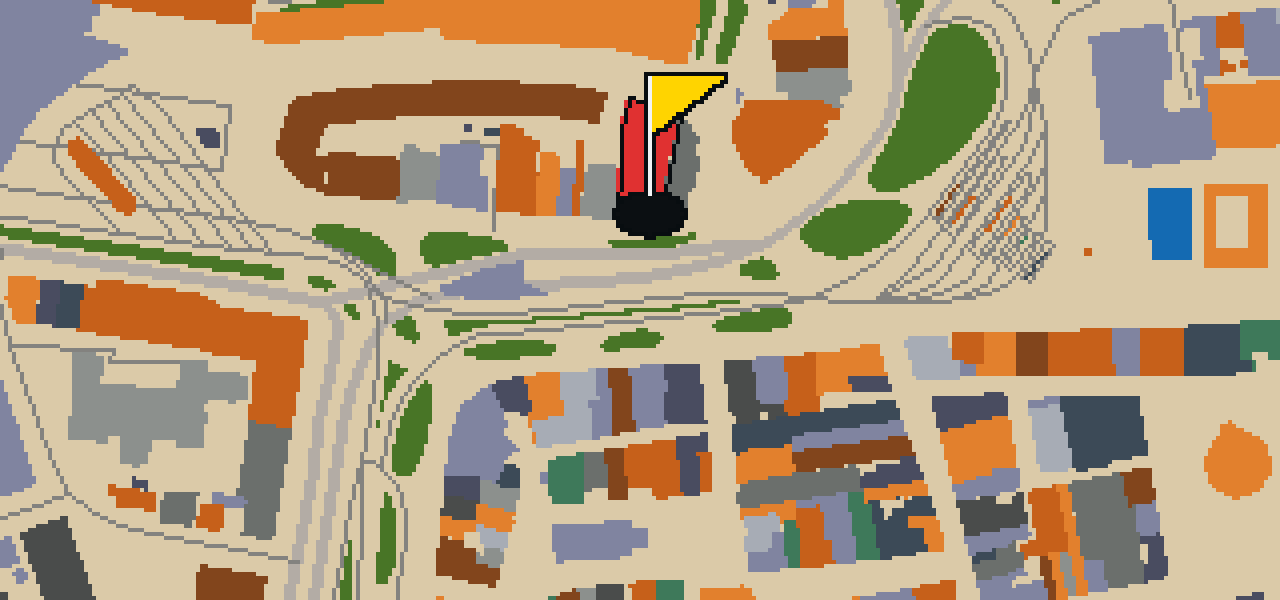
You will first notice the Art Nouveau architecture style of Luxor Live. This popular music venue is a Rijksmonument and is a significant example of that specific design style in Arnhem. Willem Diehl is the architect of the building, and his influence is visible in the flowing lines of the exterior. I have found that the ornate details make it a great spot to pause and look up before the music starts. Whether you are here for a show or just passing through, the building is a highlight of the local streetscape.

St. Agnieten- of Begijnenmolen
You might expect to see a windmill in this part of the country, but let me show you something different. The St. Agnieten- of Begijnenmolen is actually a watermill. It is a site of historical importance in Arnhem and is recognized as a Rijksmonument. I usually keep an eye out for the water flow here while I am flying over the city, as it is a distinct landmark compared to the surrounding buildings. Whether you are a history enthusiast or just passing through, it is a notable piece of the local infrastructure that stands out in the urban environment.
Museum Arnhem
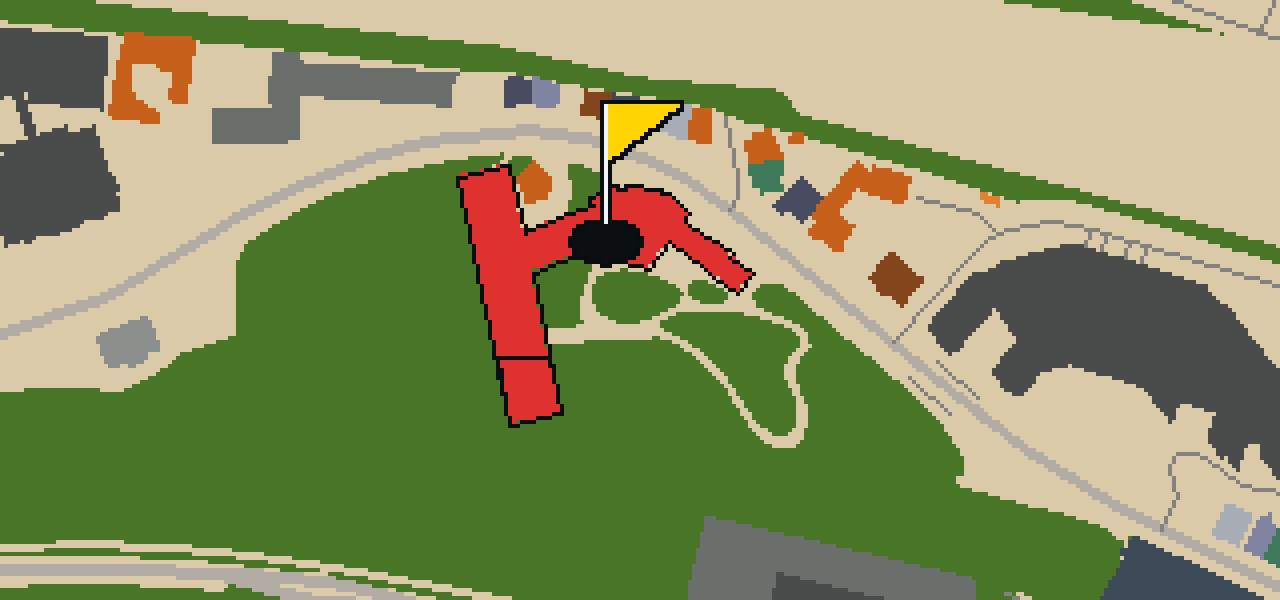
Cornelis Outshoorn is an architect of Museum Arnhem. This museum of modern art, contemporary art, applied art and design in Arnhem, Netherlands, features art from the 20th century. It is a nonprofit organization that reopened on 13 May 2022 following a renovation that lasted more than four years. When you visit, you can see how the space handles the transition between different artistic eras. I find the layout quite interesting for a walk-through, and it gives the city a great spot for contemporary design.

De Witte Watermolen
Let me show you De Witte Watermolen. This site is a watermill, a structure designed to harness the power of flowing water for mechanical work. Beyond its function, the building is a Rijksmonument, meaning it is protected as a national heritage site in the Netherlands. It is a great spot to see how traditional engineering fits into the local surroundings. I often see a few of my friends resting on the beams here, watching the water churn below. It is a peaceful stop on your way through the city.
Jansplein
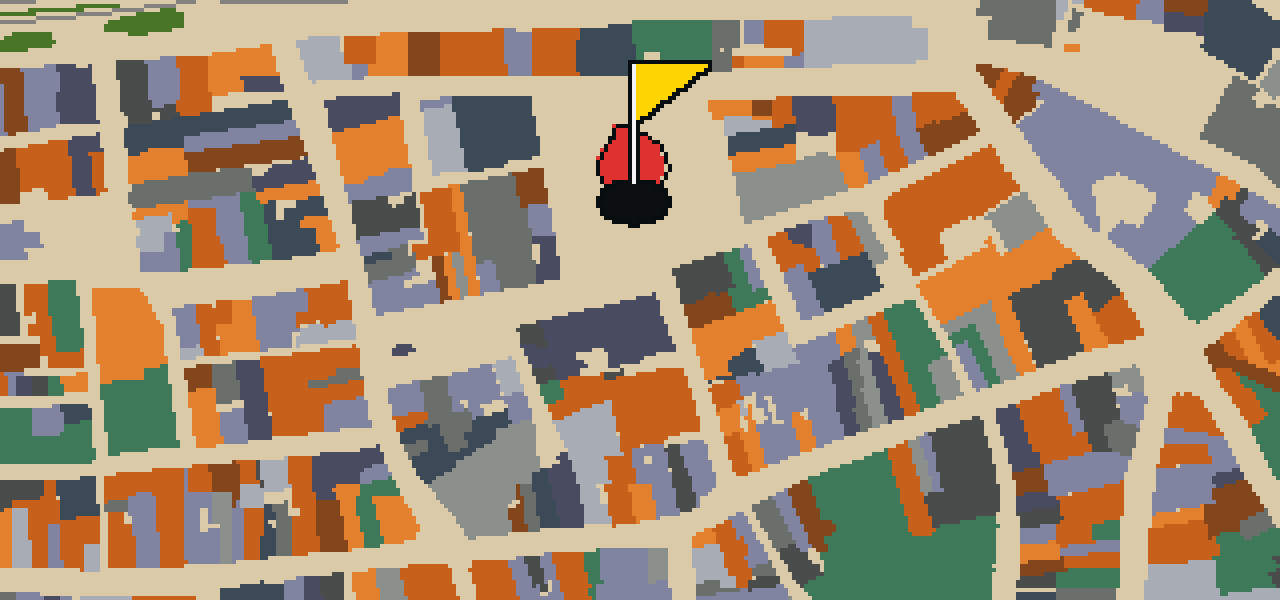
Jansplein is a square in Arnhem. It is also a street, providing a space where the city's traffic and pedestrians meet. I usually see people passing through here on their way to other parts of the center.

Sint Walburgisbasiliek
This site is no longer an active place of worship, but is instead a secularized church. Sint Walburgisbasiliek is a minor basilica and is designated as a Rijksmonument. The architecture of the building is the work of Godefridus Maria Leeuwenberg, Pierre Cuypers, and Theo Molkenboer. Visitors can observe the combined influence of these three architects on the structure. It stands as a significant piece of local history, maintaining its status as a minor basilica while functioning as a secularized space for the public to appreciate its design and heritage.
Mens tegen macht
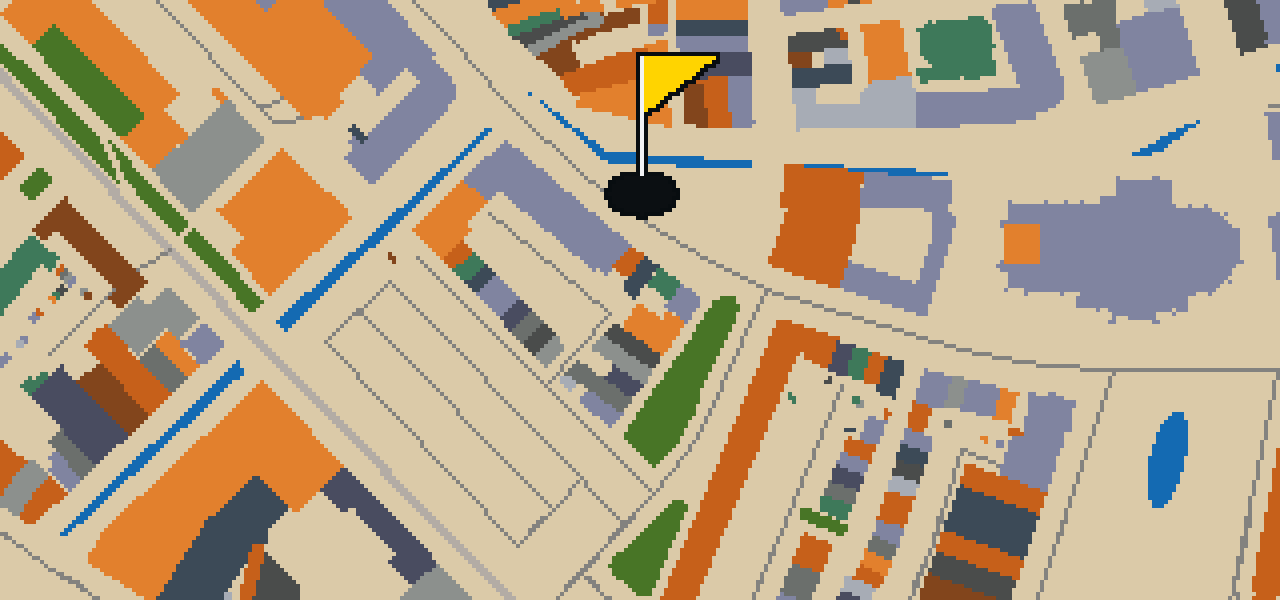
The weathered surface of the sculpture reveals the form of Mens tegen macht. This work was created in 1953 and is a war memorial. It stands as a sculptural tribute to the struggles of war, providing a point of reflection for those visiting the city of Arnhem. The piece remains an important part of the local landscape, inviting visitors to stop and consider the history it represents through its physical presence and artistic form.

Eert de Vrouw
Created in 1949, Eert de Vrouw is a sculpture that serves as a war memorial. It has stood in Arnhem since its creation to provide a place of remembrance for all who visit the city. As you walk through the area, you can see the physical presence of the work and consider its purpose. This site is dedicated to those affected by war, and it remains a significant point of reflection in the local landscape for residents and visitors alike.

Sonsbeek
Let me show you Sonsbeek. It began with the vision of the people who created this estate, resulting in the expansive park you see today. This site is a Rijksmonument complex and an architectural ensemble, meaning the buildings and the land are protected as a single unit. It is a wonderful place to wander if you want to see how a historic estate blends into the city. I've noticed it is a great spot to stretch your legs and find some peace away from the hustle and bustle of the streets.

Huis Zypendaal
Huis Zypendaal is a mansion and museum. It was started in 1764 and was designed by the architect Hendrik Viervant. Because of its historical importance, it is a Rijksmonument. I find it a pleasant spot to spend some time while visiting Arnhem, and you can pick out the distinct style of the building as you walk through the grounds. It is a great example of the city's heritage and provides a peaceful atmosphere for anyone who wants to step away from the busier streets for a while.