
AMERSFOORT - 18 HOLES - FREE

AMERSFOORT
CITY MAP MINIGOLF

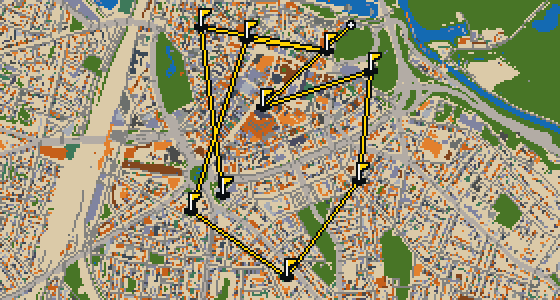
Amersfoort - 18 stops - par 53

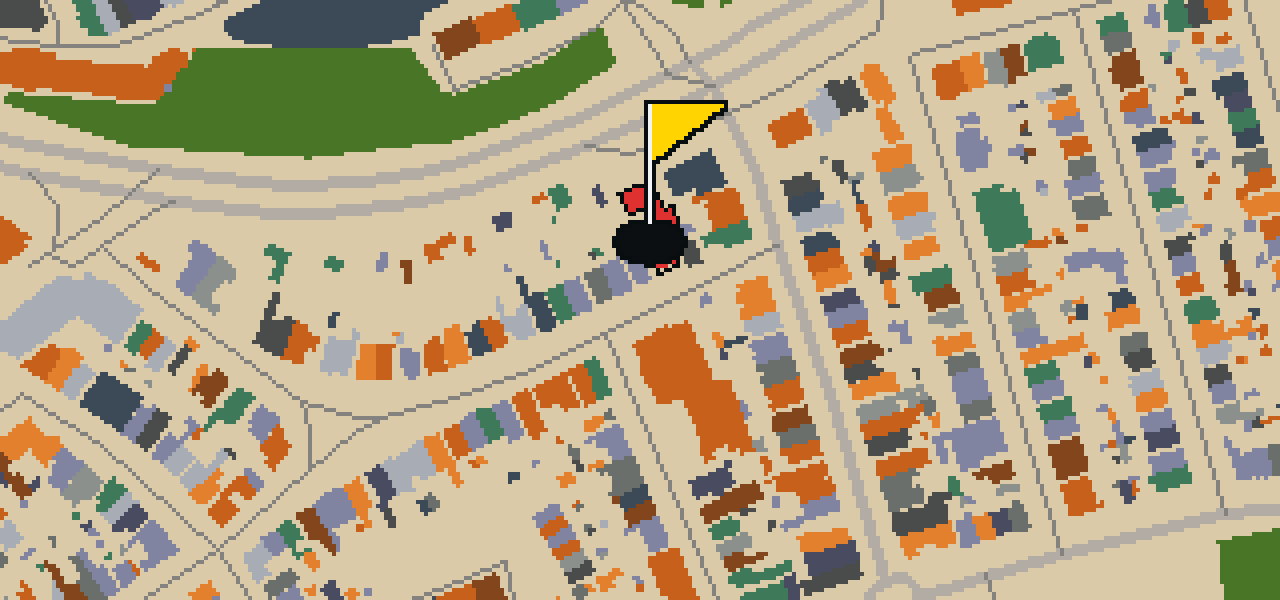
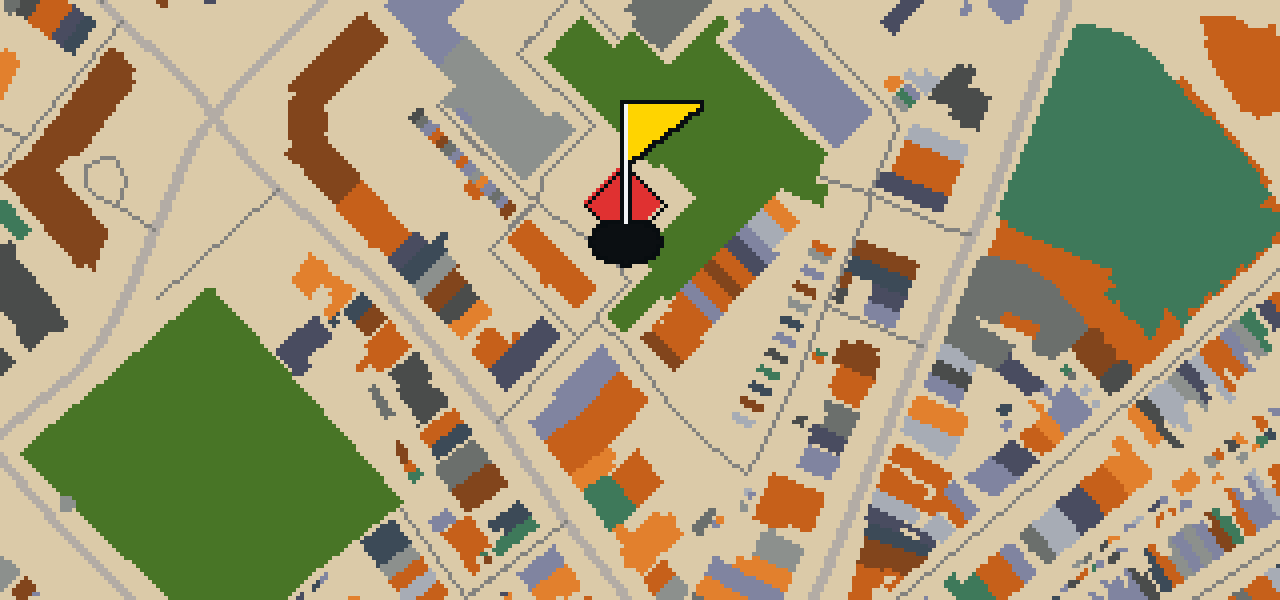
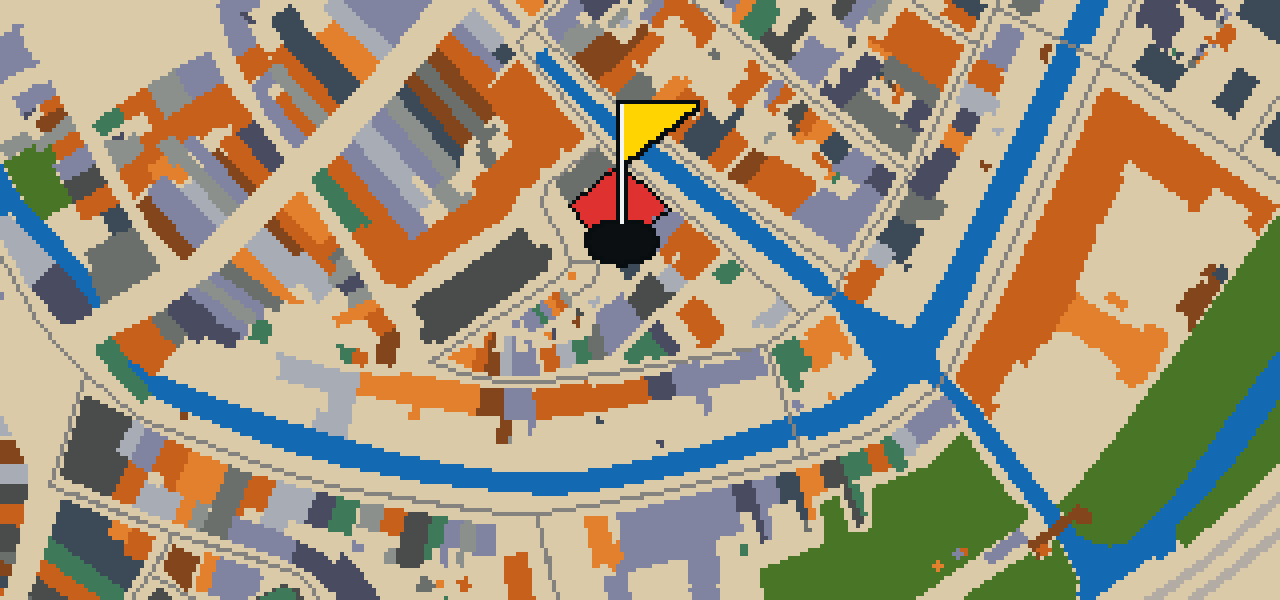
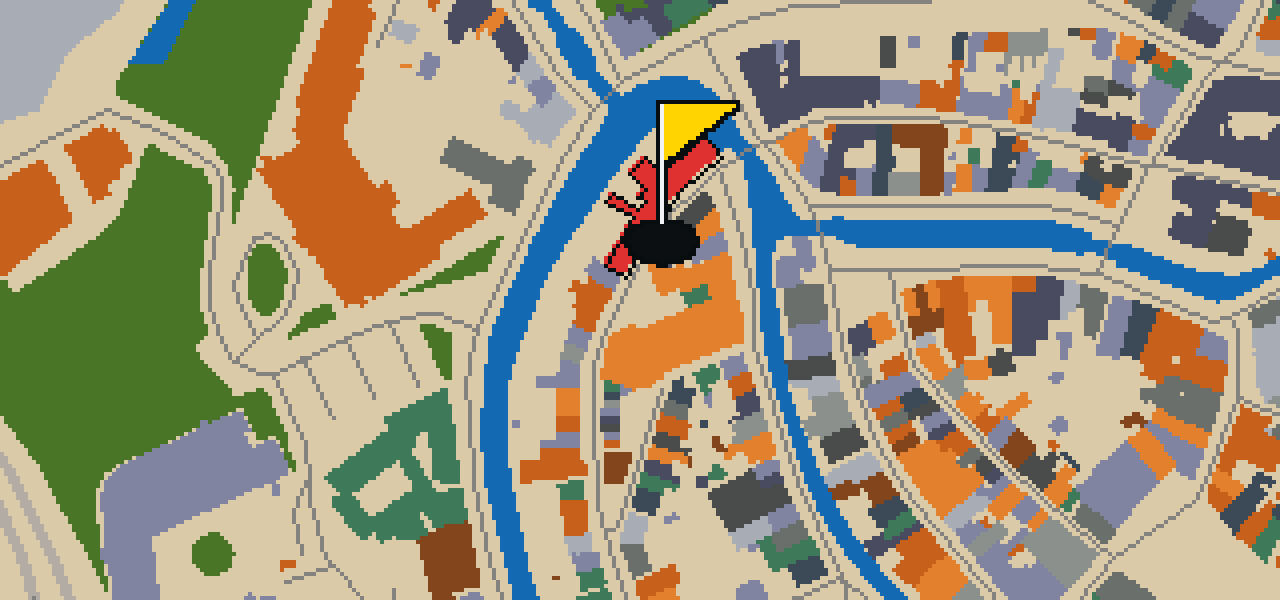
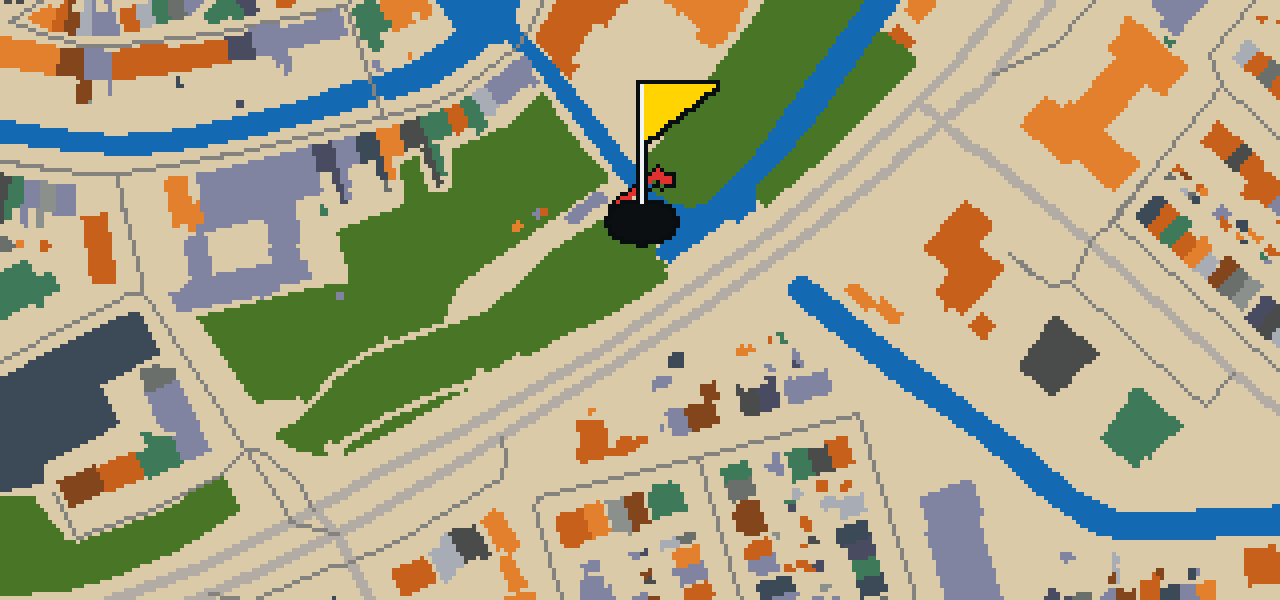
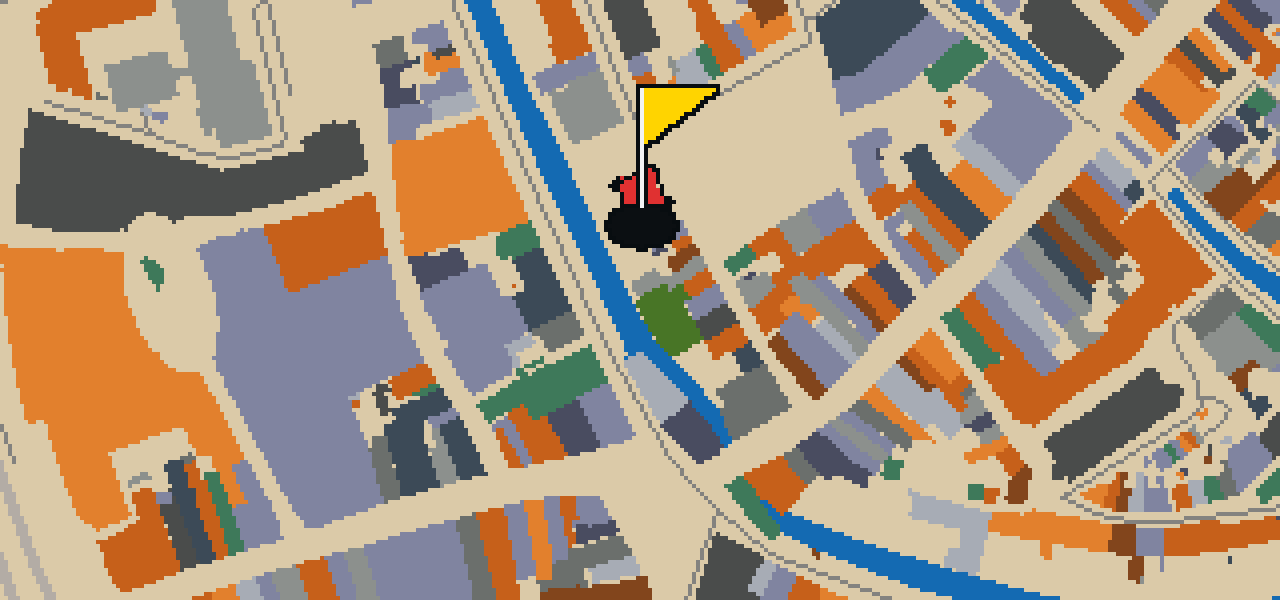
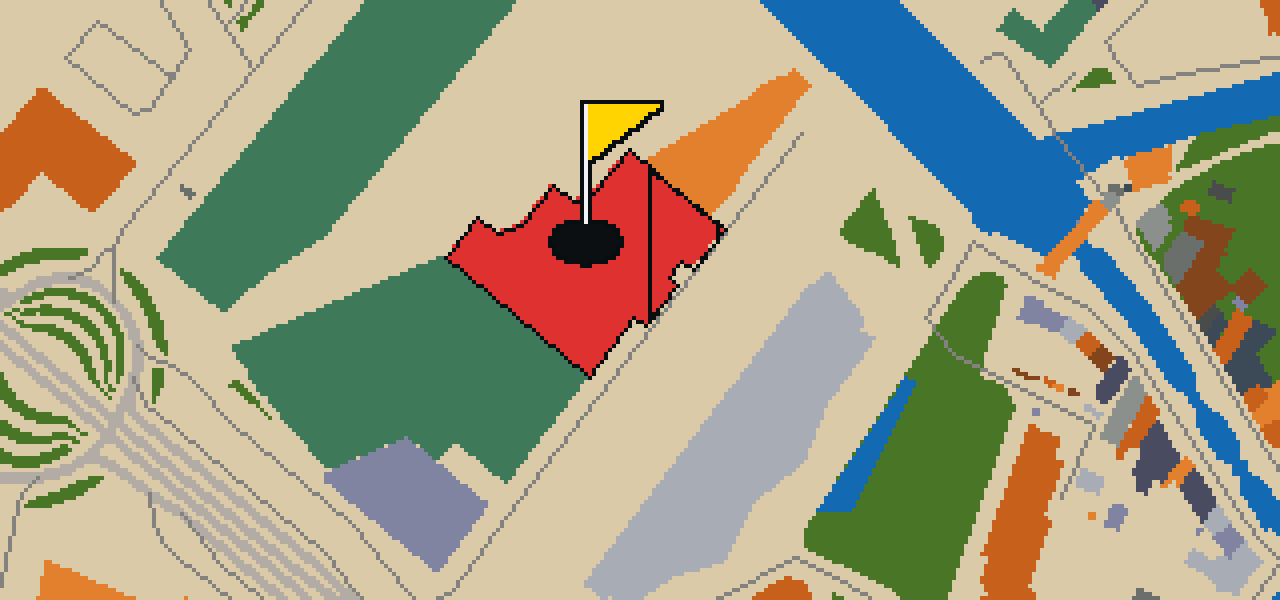
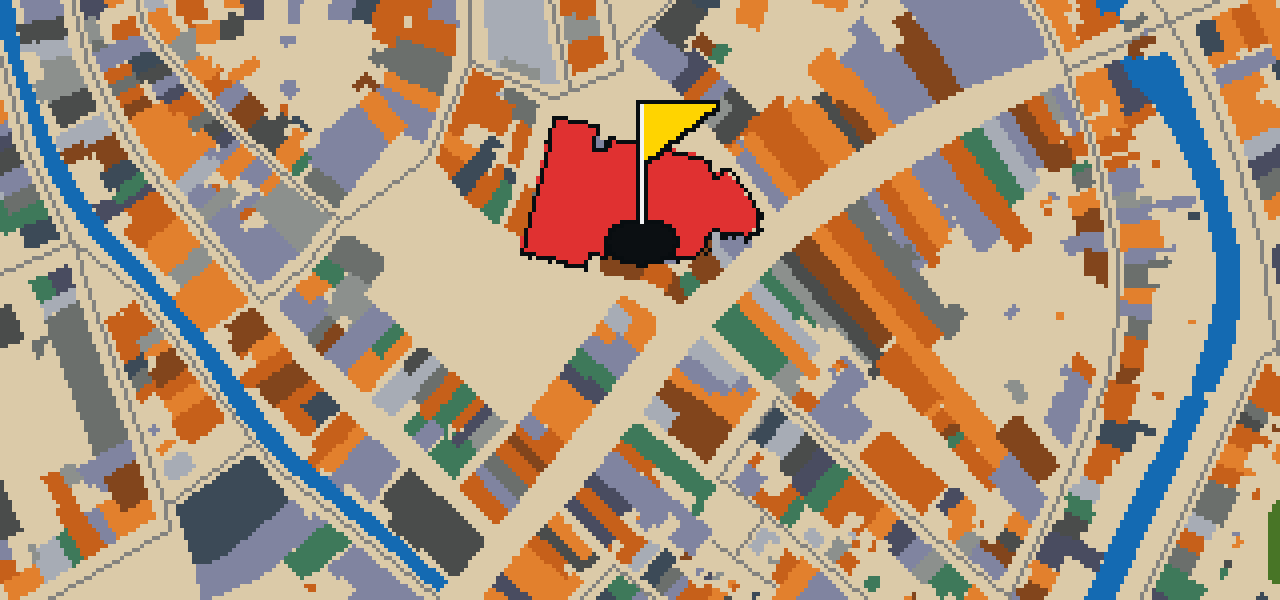
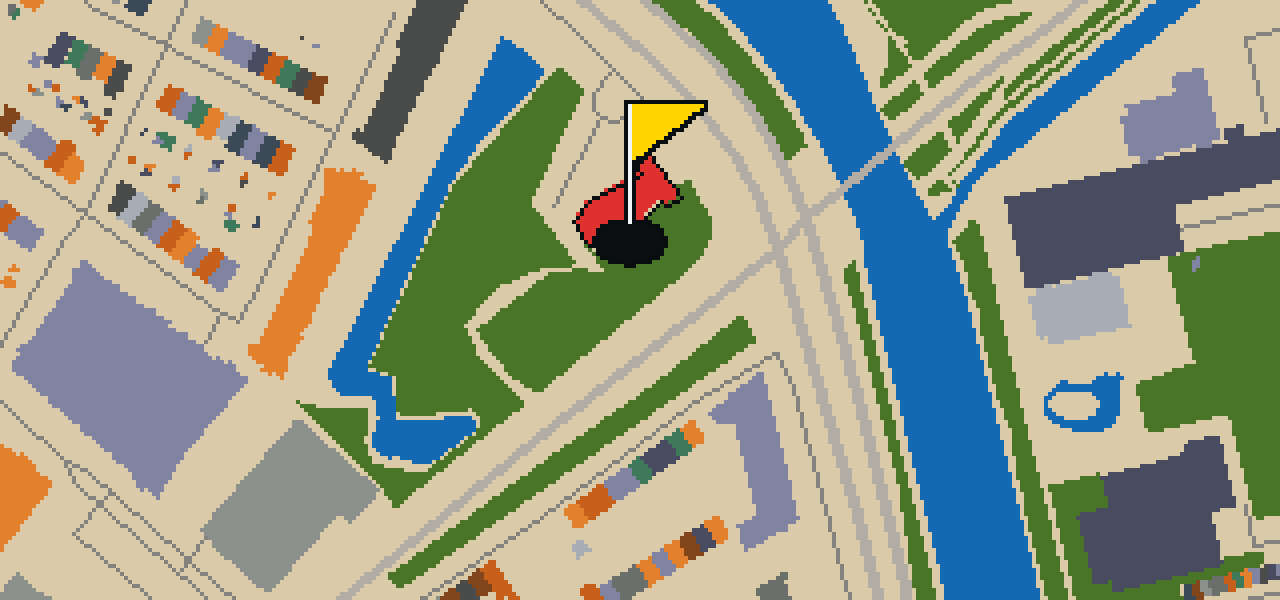
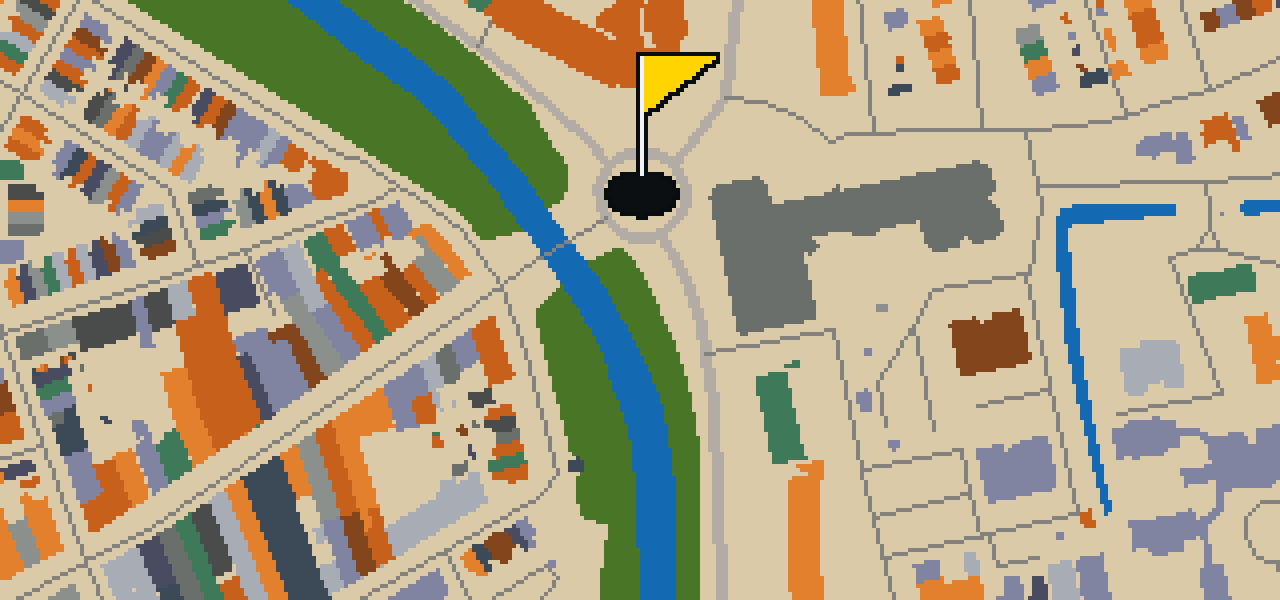
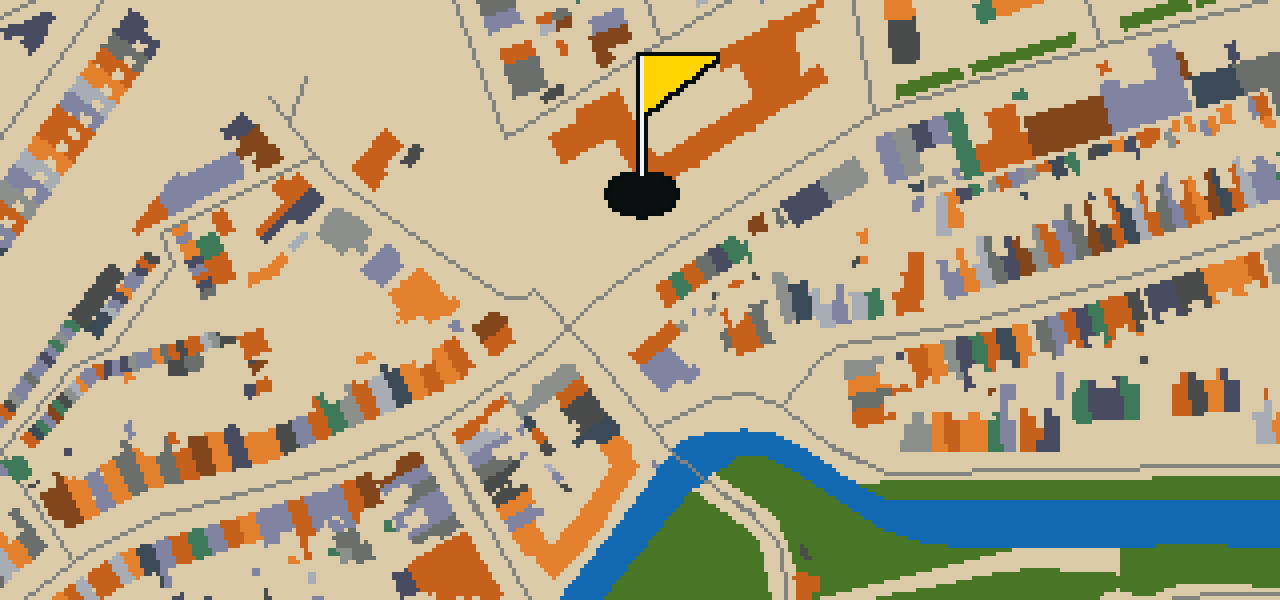
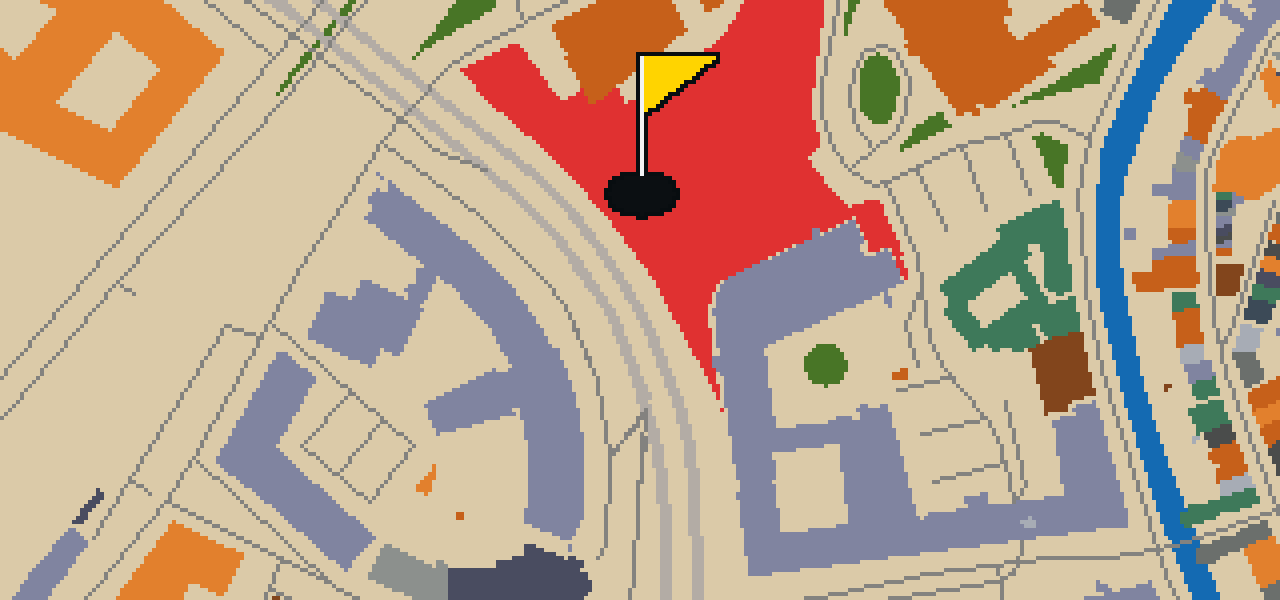
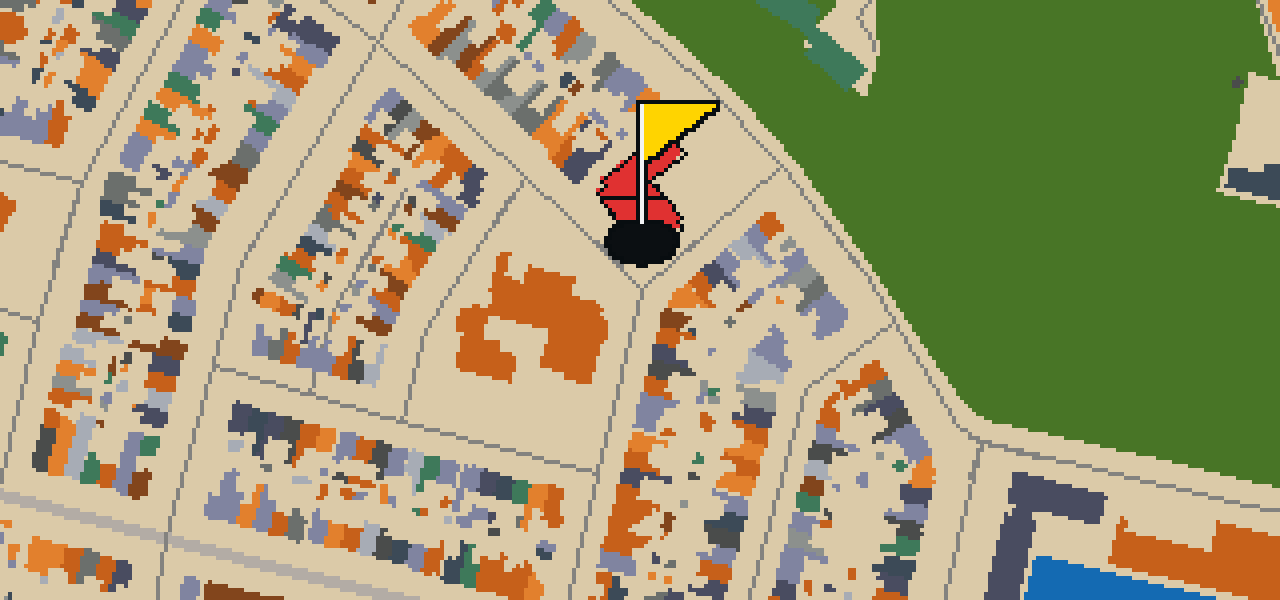
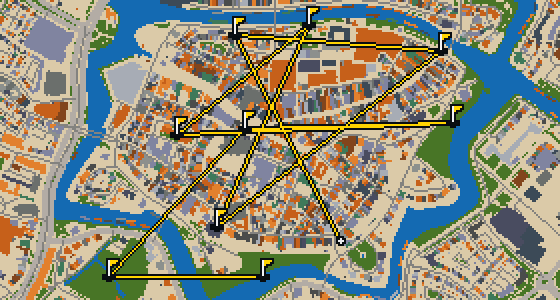
This is Amersfoort. The map is the real city and the round is played on its real streets, where attractions like the Koppelpoort are the foundations for the holes. It is a full round of 18 holes with a par of 53, covering a walk of 10.4 km. Skip is a local guide who knows these streets and every hidden ledge well, especially the bits where the crumbs are best.

Trouble loading? Open the game in its own tab.

HOW IT WORKS

01

Pick a city

The course is drawn on the real street grid, so the map you play is the map you walk.

02

Putt to the pin

Drag to aim, release to swing. Buildings bounce and water costs you a stroke.

03

Sightsee between strokes

Every hole ends at an attraction. Sink the putt, read the story, walk to the next tee.

THE AMERSFOORT ROUND - STOP BY STOP

HOLE 1 - PAR 3

Koppelpoort

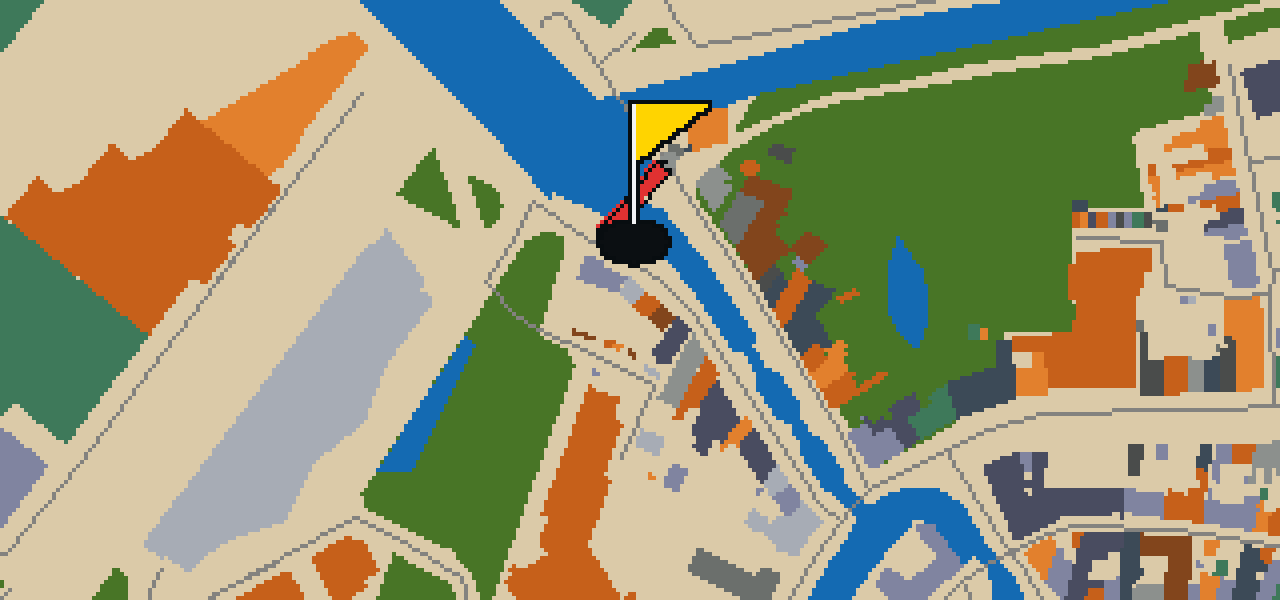
Let me show you the Koppelpoort, a city gate in Amersfoort. Its inception was in 1380, making it a centerpiece of the second city wall which was constructed between 1380 and 1450. This site is unique because it combines land and water-gates. I have noticed the ball bounces quite well off these old stones. It is located in the province of Utrecht and is recognized as a Rijksmonument. You can pick out the distinct blend of land and water access that defined how people and goods entered the city centuries ago.

Wikidata · Wikipedia

HOLE 2 - PAR 3

Kamperbinnenpoort

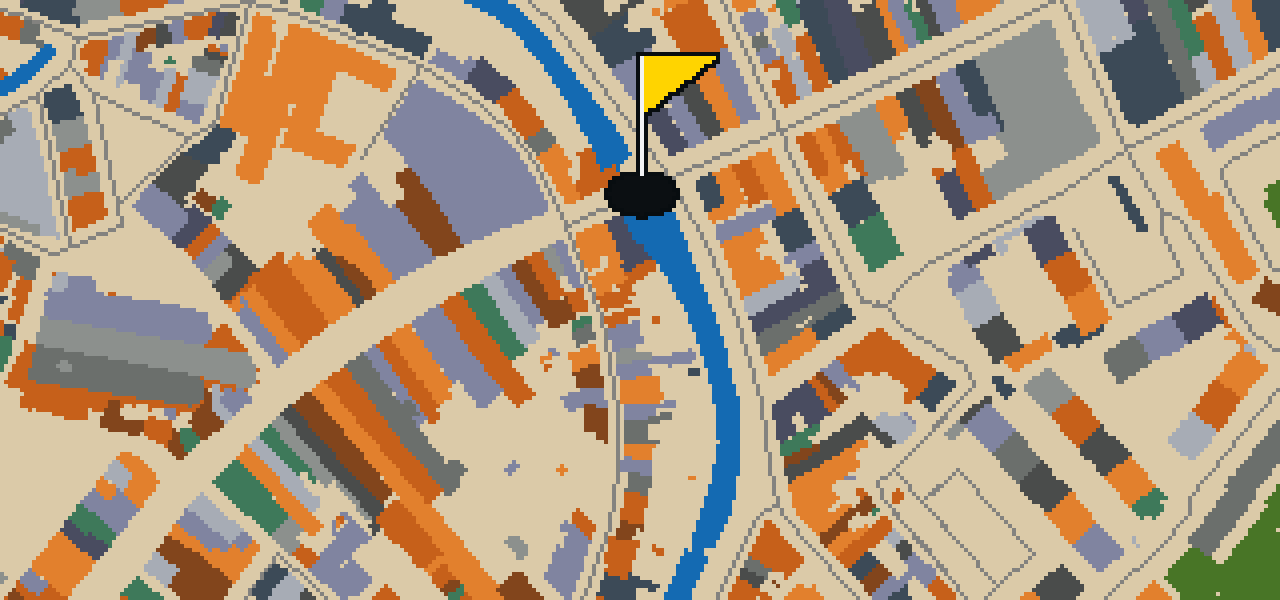
Look closely at the masonry of the Kamperbinnenpoort. This structure is a city gate in Amersfoort, marking a point of entry into the old city. Because of its historical value, it is recognized as a Rijksmonument. I have noticed that the stone here has a certain weight to it that makes the whole street feel different. It is one of those spots where the architecture tells you exactly where you are in the city. When you stand before it, you can feel the scale of the old fortifications that once defined the boundaries of this place.

Wikidata

HOLE 3 - PAR 3

Musiom

Let me show you Musiom. This place is a museum, and it is a spot where visitors can spend their time looking at the exhibits. I find that it is a great place to stop and see what is on display while you are in the city.

Wikidata

HOLE 4 - PAR 3

Rietveldpaviljoen

Gerrit Rietveld was the architect of the Rietveldpaviljoen. He designed this art museum, which was started in 1959. Beyond its use as a gallery, the building is a municipal monument in the Netherlands. I have always found the clean lines of this place a bit easier to navigate than the cluttered streets nearby. Whether you are interested in the history of the structure or the art inside, it is a distinct landmark in Amersfoort that stands out from the traditional architecture found in the surrounding neighborhood.

Wikidata

HOLE 6 - PAR 3

Museum Flehite

You can find Museum Flehite situated on the Breestraat, where it occupies a three-part building. The museum moved into the first of these buildings in 1890. As the historical museum of Amersfoort and Eemland in the Netherlands, it preserves the local story for all visitors. It was founded in 1880 by the Oudheidkundige Vereniging Flehite, a group established in 1878. I've noticed the street here is great for people-watching while you head toward the entrance. Today, the museum is managed by a separate organization, a structure that has been in place since 1976.

Wikidata · Wikipedia

HOLE 7 - PAR 2

Monnikendam

Monnikendam is a city gate located in Amersfoort. It is a fortification that once played a role in the city's defenses. Because it is a Rijksmonument, the structure is officially protected as a piece of national heritage. When you look at the walls, you can see the sturdy nature of these old fortifications. I often see people stopping here to admire the masonry and the way the gate fits into the surrounding streetscape. It is a great example of how the city's old boundaries were managed and maintained over time.

Wikidata

HOLE 8 - PAR 3

Onze Lieve Vrouwetoren

The Onze Lieve Vrouwetoren is a Gothic church building that began in 1470. It is a Rijksmonument reaching a height of 98.33 metres. While the tower remains a prominent part of the city, the church that originally belonged to it was destroyed by a gunpowder explosion in the 18th century. You can see the distinct Gothic architecture style in the masonry of the tower, which is known locally as Lange Jan. This structure remains one of the most visible landmarks in the area, standing as the third highest church tower in the Netherlands.

Wikidata · Wikipedia

HOLE 9 - PAR 3

Kunsthal KAdE

You will first notice the modern presence of Kunsthal KAdE. This place is a museum that brings a focus on contemporary art to the city. I think you will find the atmosphere here quite refreshing compared to the older streets nearby.

Wikidata

HOLE 11 - PAR 3

De Flint

De Flint is a theatre building in Amersfoort that was built in 1977. It was designed by architects Onno Greiner and Martien van Goor. Since its construction, the venue has evolved into a center for the arts with a diverse schedule. You can pick out a wide range of shows in the programme, which includes play, musicals, cabaret and performances for children. I've noticed it's a great spot for people-watching between sets, as crowds gather around the entrance waiting for the next big act to start.

Wikidata · Wikipedia

HOLE 12 - PAR 3

H. Kruiskerk

You will first notice the distinct mid-century form of H. Kruiskerk. This church building was started in 1958, a period of significant architectural transition. It was designed by Herman van Wissen, who served as the architect for the project. The structure remains a notable example of his work and the era's approach to ecclesiastical design in Amersfoort. Visitors can observe how the building's layout and materials reflect the specific goals of the architect during the late nineteen fifties.

Wikidata

HOLE 14 - PAR 4

Sint Joris op 't Zand

Wikidata

HOLE 15 - PAR 3

De Adventkerk

De Adventkerk is a church building. Construction on this site was started in 1962. Teus van Hoogevest is the architect of De Adventkerk. This building remains a point of interest for those visiting the area and seeking out the city's religious architecture. You can see the specific design choices made by the architect throughout the structure. It is a place of worship and a notable example of the work produced by Teus van Hoogevest during that period of time.

Wikidata

HOLE 16 - PAR 3

De Stier

Let me show you De Stier, which is a sculpture located here in the city. It is a distinct addition to the local scenery that you can pick out as you move through the neighborhood. This particular work had its inception in 2006. I find that the shapes make for a great spot to pause and look around the area, though I usually spend my time watching the crowds from a nearby ledge. It is a simple yet effective landmark that helps orient you while you are exploring the various sights Amersfoort has to offer.

Wikidata

HOLE 17 - PAR 3

Aartsengel Michaël met twee kinderen

HOLE 18 - PAR 4

De Schreeuw

Located among the streets of Amersfoort, De Schreeuw is a sculpture that captures the attention of everyone passing by. It is a modern piece of art that had its inception in 2016. I often see people stopping here to take a look at the work while they wander the city. Whether you are a fan of public art or just exploring the neighborhood, this sculpture is a distinct landmark to notice on your walk. It is one of those spots that helps you get your bearings while navigating the city center.

Wikidata

STOP 19

Westerkerk

Bastiaan Willem Plooij was the architect responsible for the design of the Westerkerk. This church building is a notable site in Amersfoort, with its inception dating back to 1940. For those visiting the city, the building is recognized as a Rijksmonument, marking it as a protected site of national importance. It stands as a clear example of Plooij's work and remains a central point of interest for anyone exploring the local architecture of the area.

Wikidata

OTHER COURSES

9 HOLES - PAR 25

Zwolle

9 stops

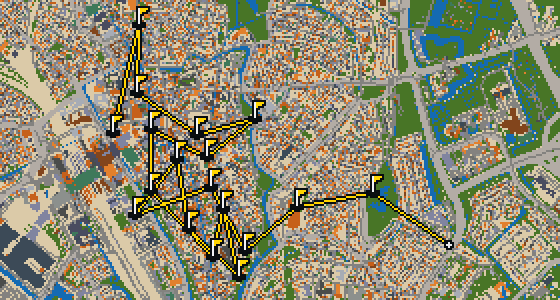
This is Zwolle, where the map is the actual city and the round is played on its real streets. The holes are built from attractions like the Sassenpoort. Skip knows these alleys well, even the ones where the best crumbs hide. It is a quick 9-hole round with a par of 25, covering a 4.3 km walk that uses 6 portals to move the ball.

18 HOLES - PAR 53

Utrecht

18 stops

Utrecht is the map for this round, where the ball rolls across the actual city streets. The holes are built directly from real attractions, ending the game at the Rijn en Zon. A full 18-hole round covers 9.3 km and uses six portals to bridge the gaps between distant districts. Skip knows these pavements well, including the specific corners where the best crumbs fall. As a local guide, this pigeon has seen every inch of the walk from the air and the cobblestones.

9 HOLES - PAR 25

Tilburg

9 stops

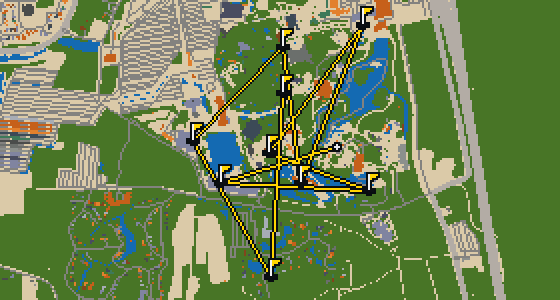
The final hole drops right into the Efteling. This round uses the real streets of Tilburg as a map, where the actual attractions provide the walls and obstacles for the ball. It is a quick 9-hole round with a par of 25, covering a walk of 4.5 km. Skip knows every cobblestone here and can show the way.

18 HOLES - PAR 58

Rotterdam

18 stops

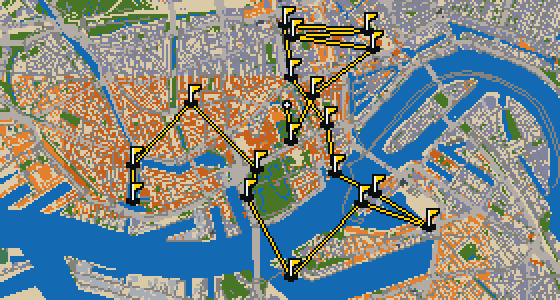
This is Rotterdam, where the map is the real city and the round is played on its actual streets. Real attractions like the Euromast are what the holes are built from, turning the city into a course. Skip is a local guide who knows the place and where the best crumbs are hidden. This full round of 18 holes covers 12.7 km and uses 60 portals to bridge the gaps between the distant landmarks.

9 HOLES - PAR 28

Nijmegen

9 stops

This is a quick nine-hole round through Nijmegen. The map is the real city and the ball rolls along its actual streets, using landmarks like the Jacobskapel to form the holes. Skip knows these pavements well enough to avoid the occasional crumb-stealing rival. The walk covers 5.5 km of the city center, where the real attractions provide the rails and the cups.

FAQ

Is it free to play?

Yes. Every course runs in the browser with no account and no install.

Do I need to be in the city?

No. The full round plays from anywhere. Walking the real route is a nice way to see the city, but it is not required.

Are the maps real?

Yes. The geometry comes from OpenStreetMap data, rendered chunky on purpose. Streets, water and parks sit where they really are.