
ALKMAAR - 18 HOLES - FREE

ALKMAAR
CITY MAP MINIGOLF

Alkmaar - 18 stops - par 55

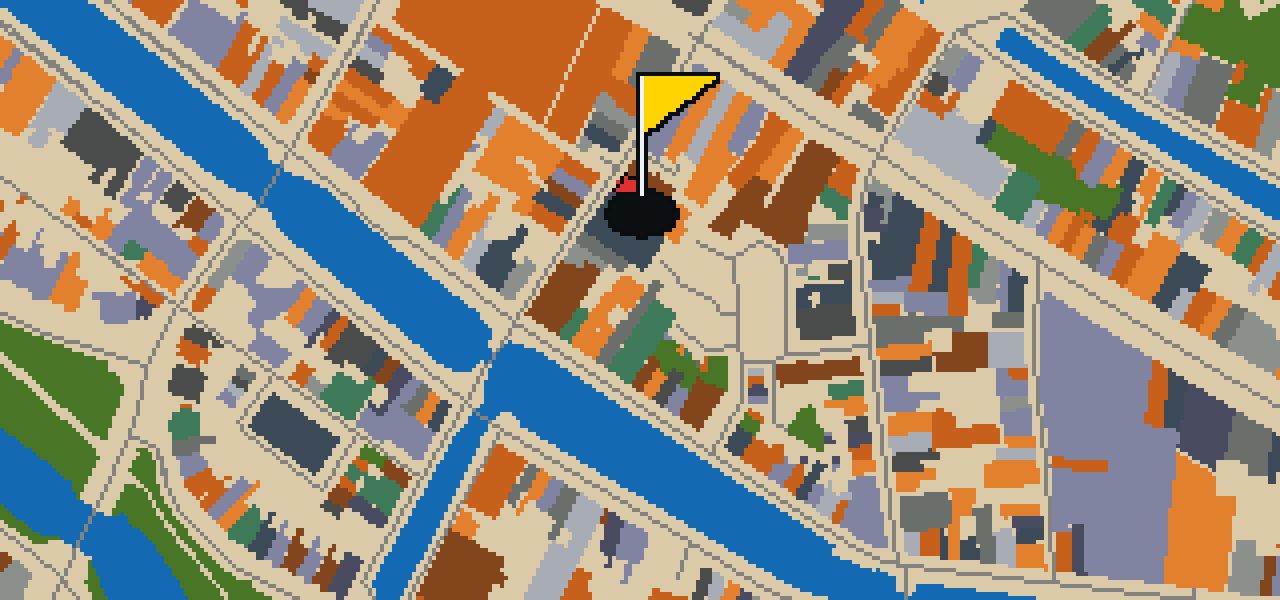
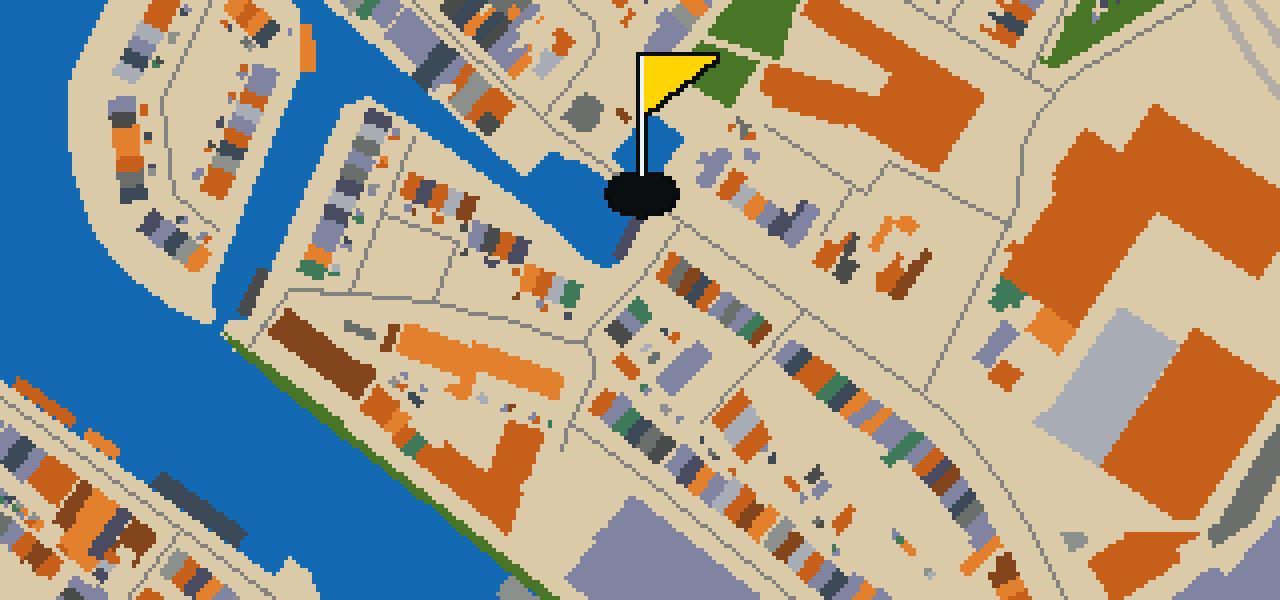
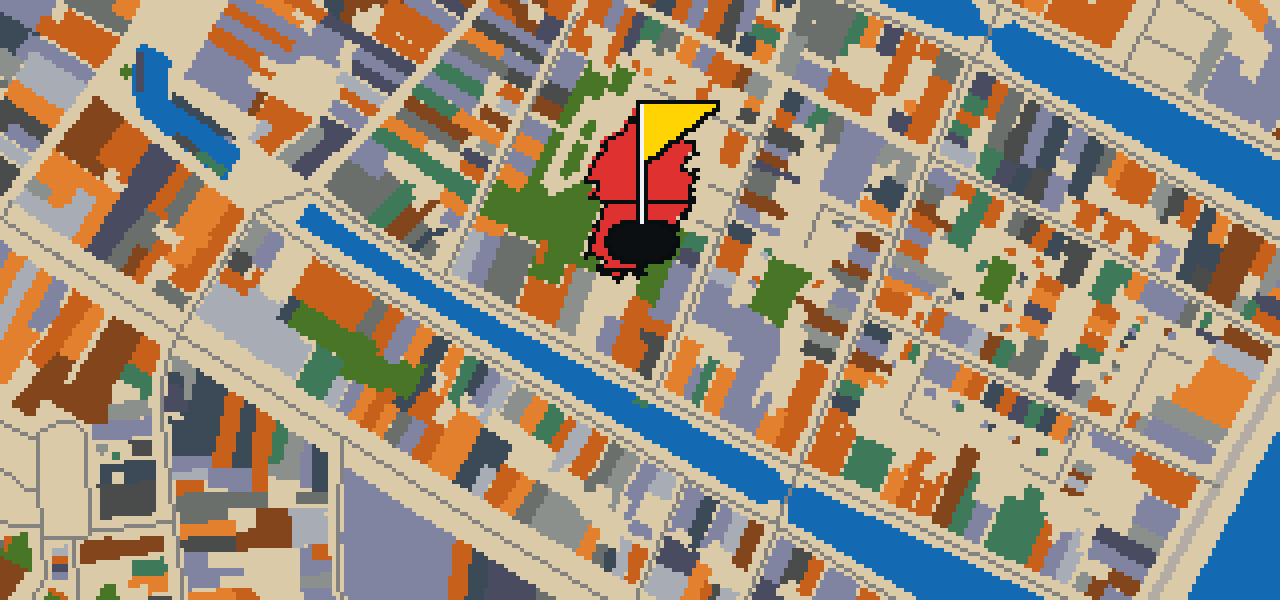
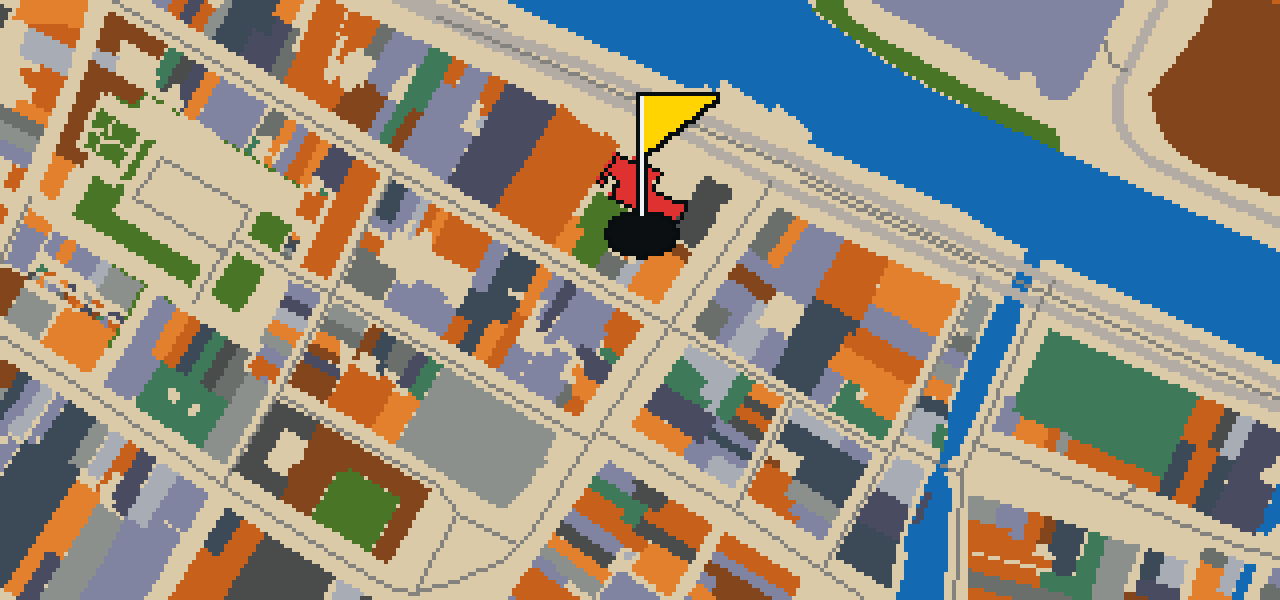
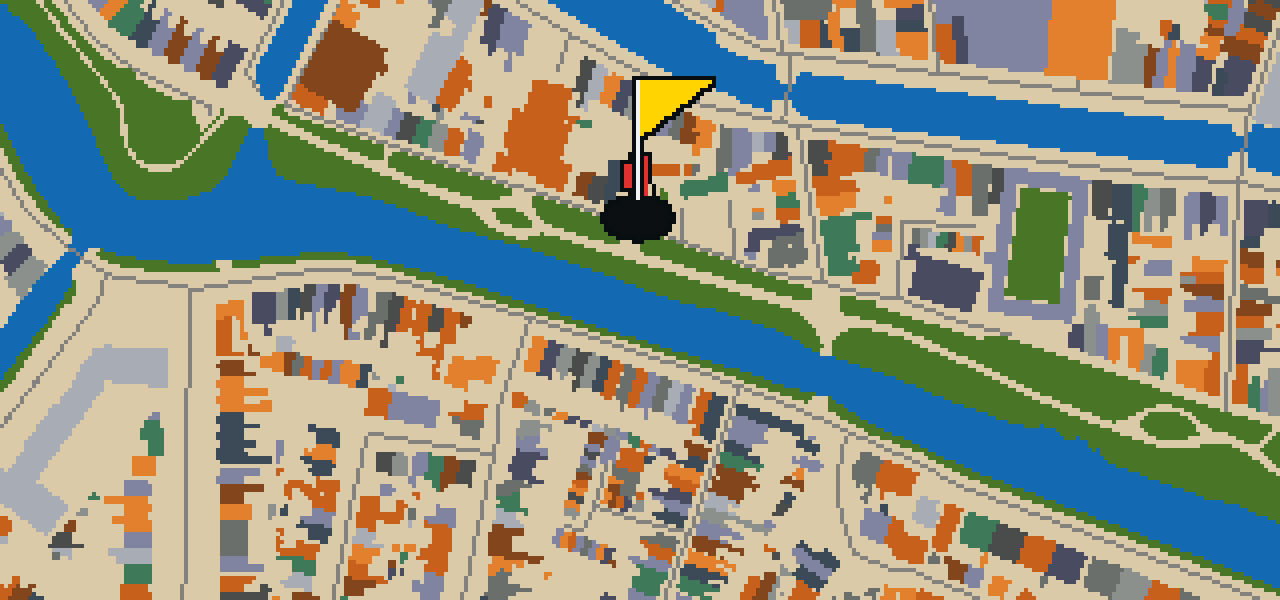
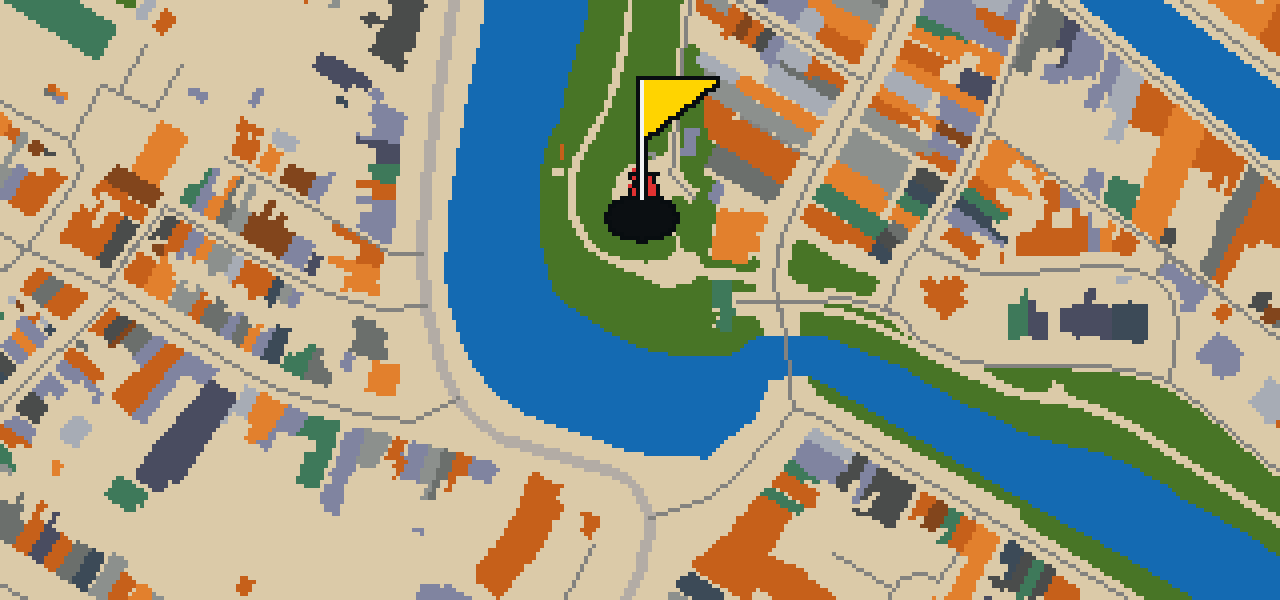
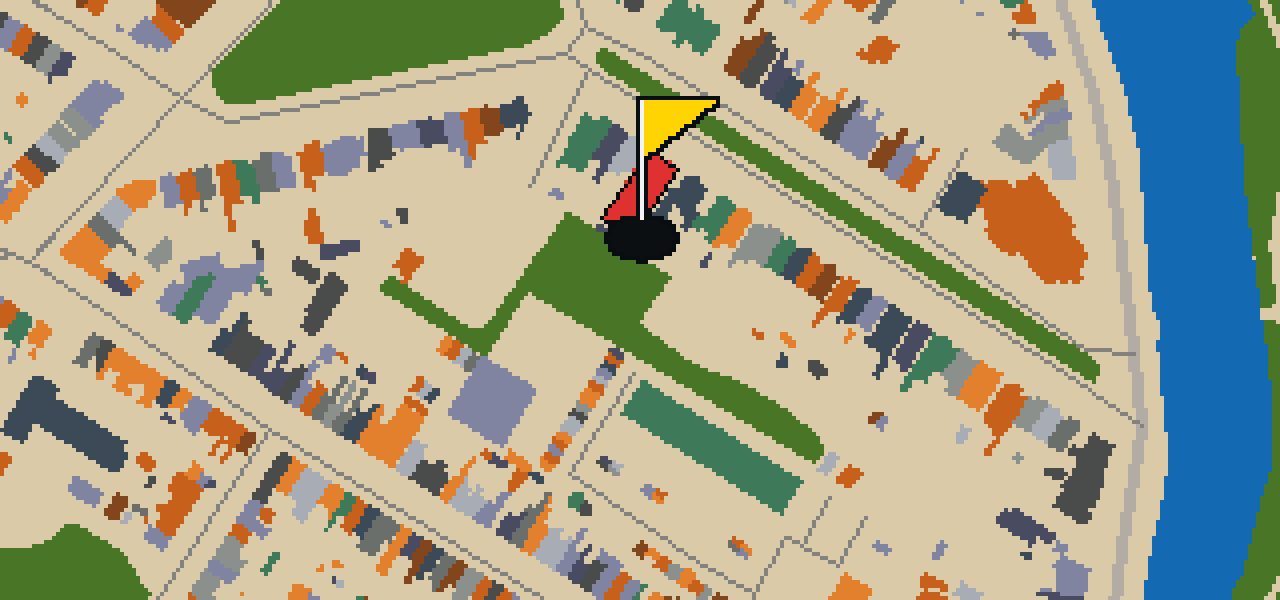
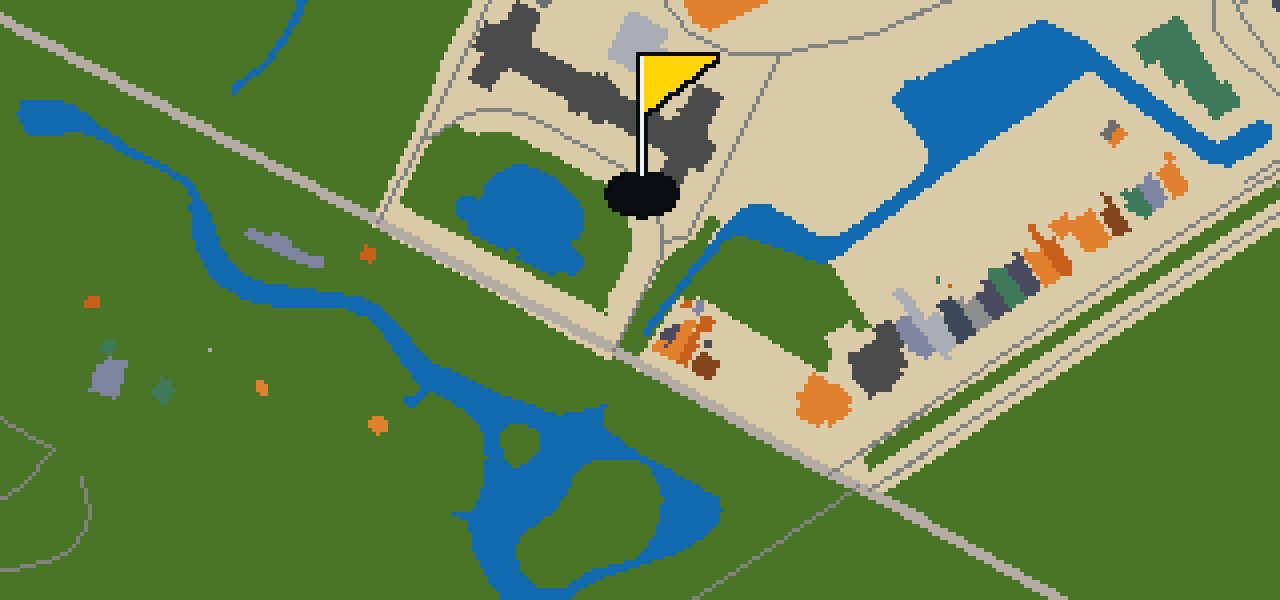
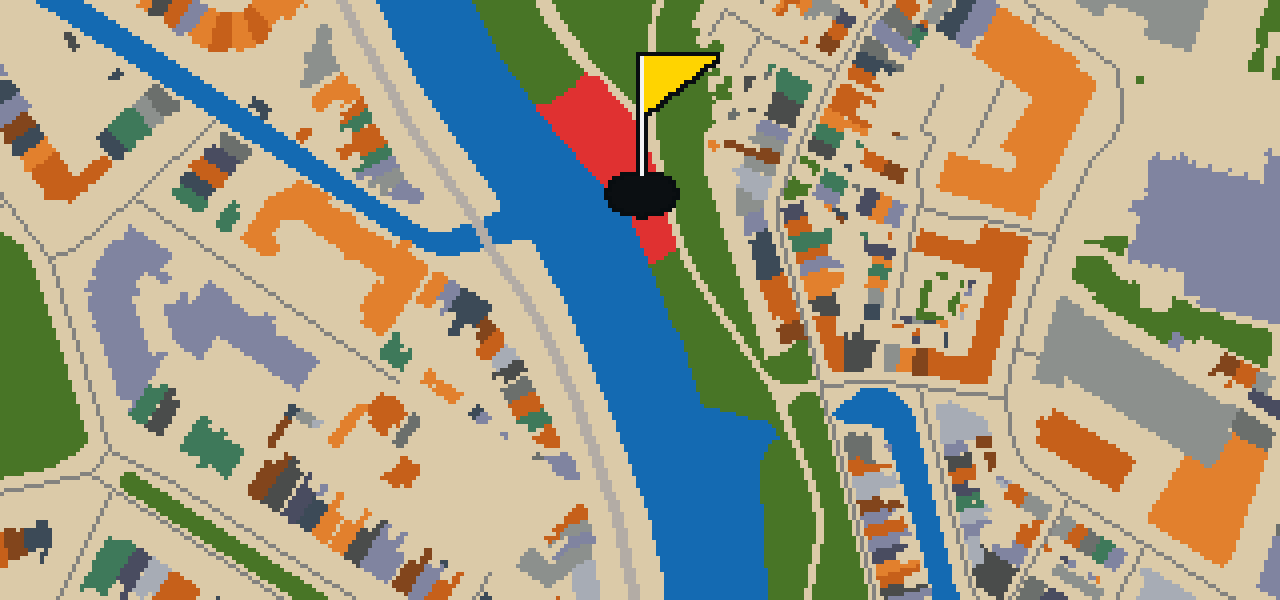
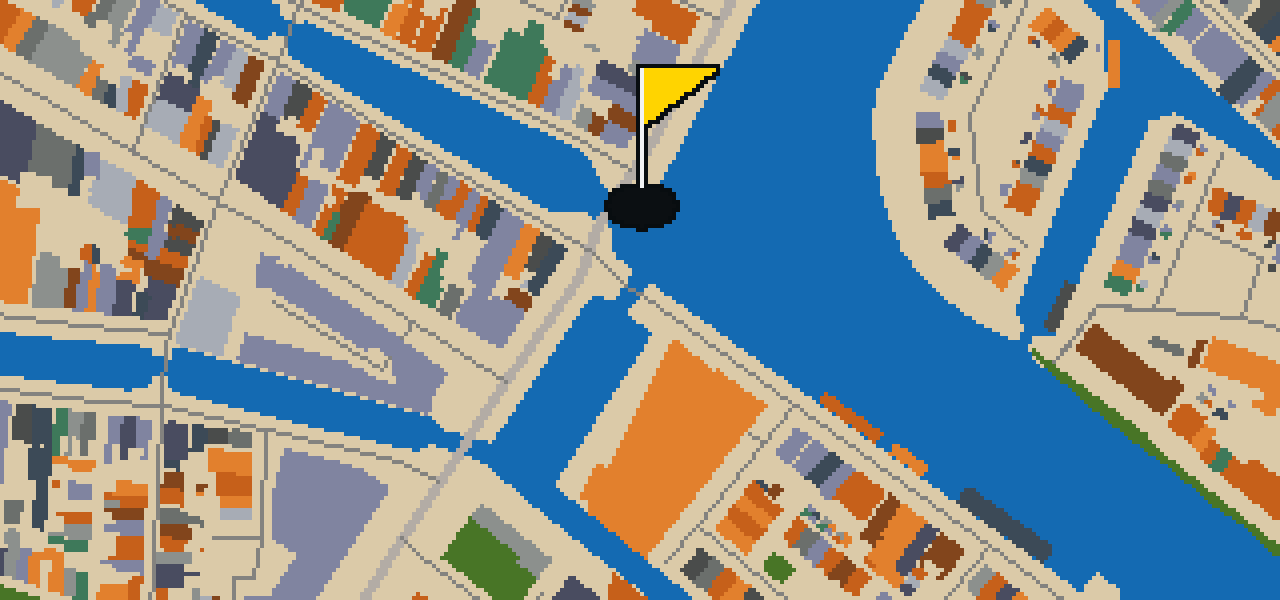
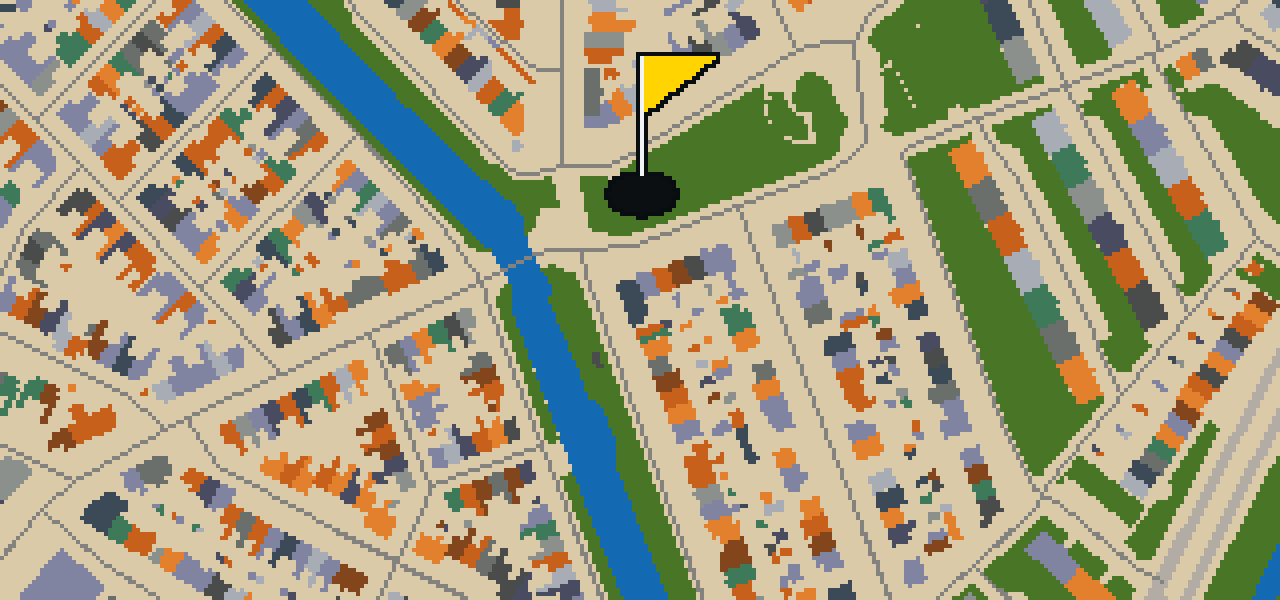
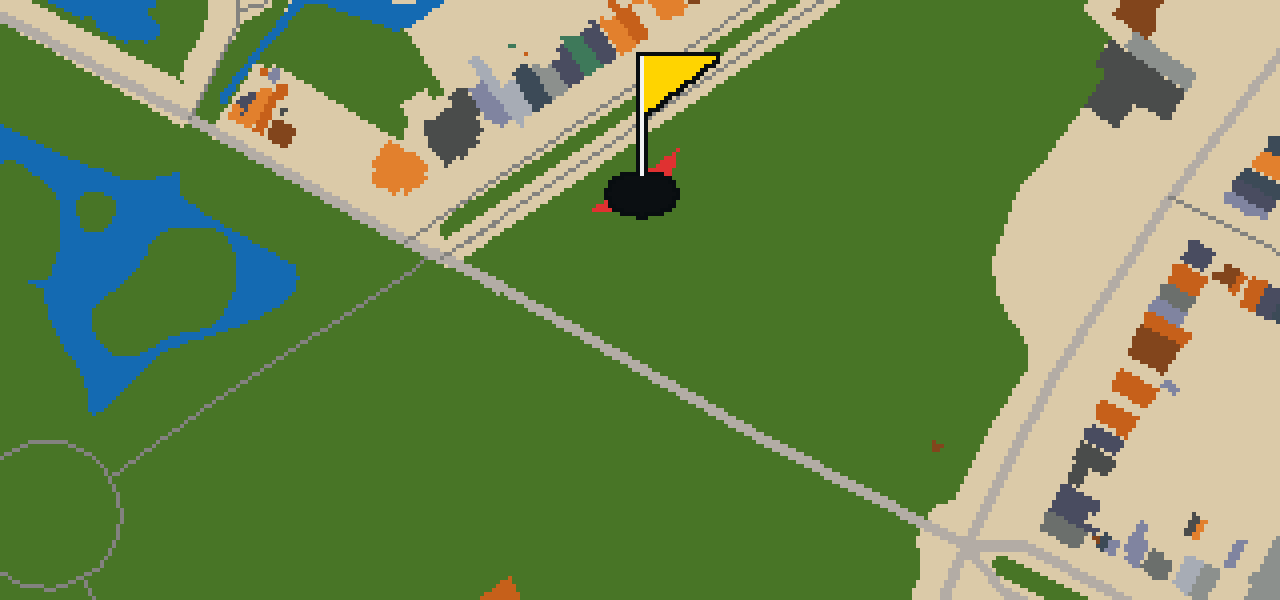
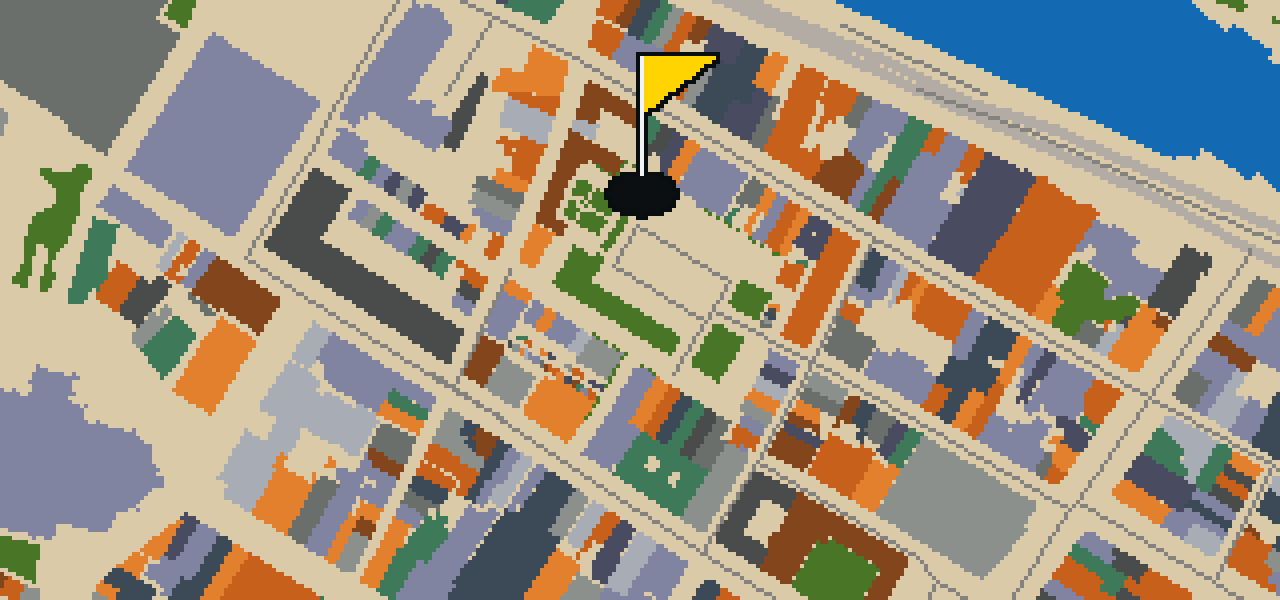
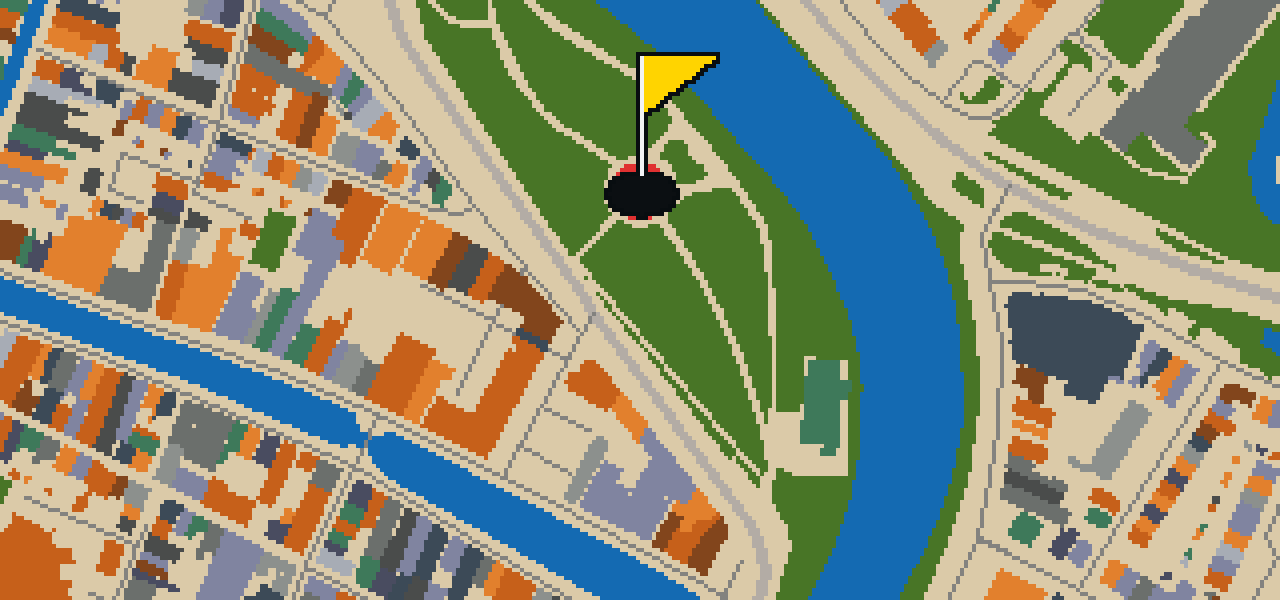
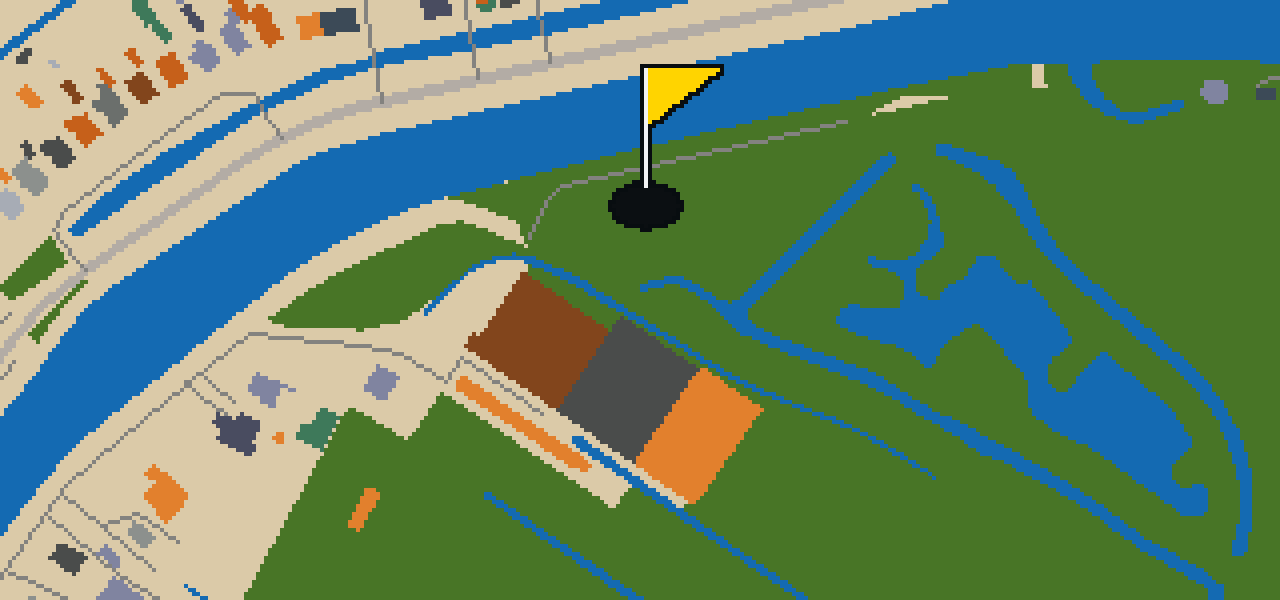
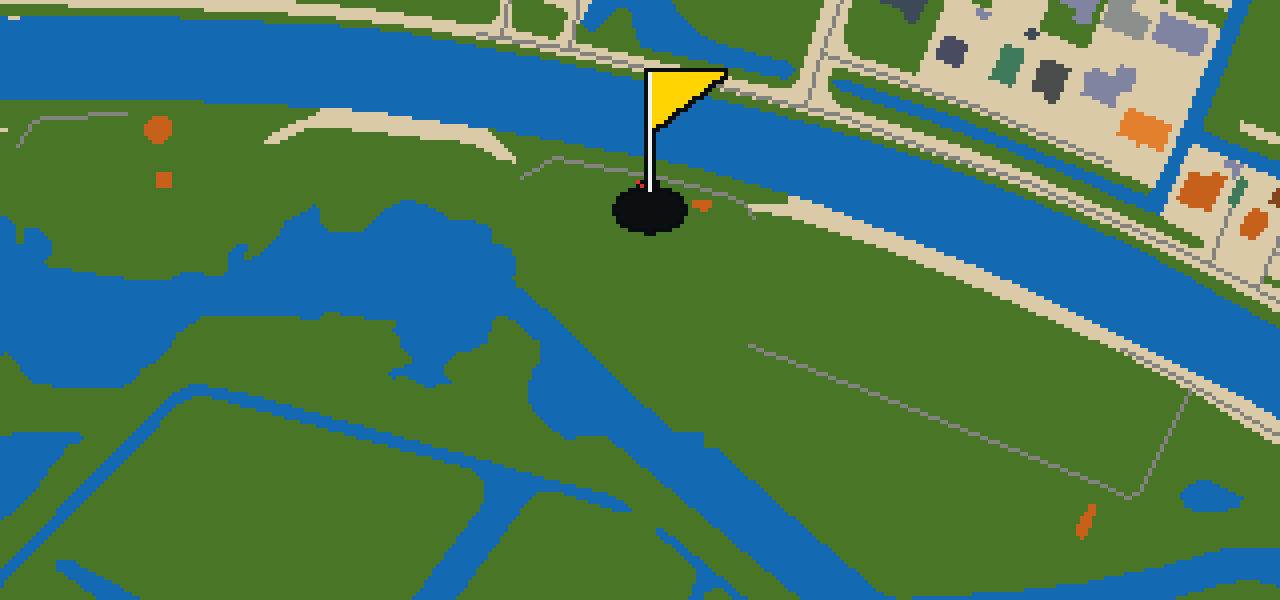
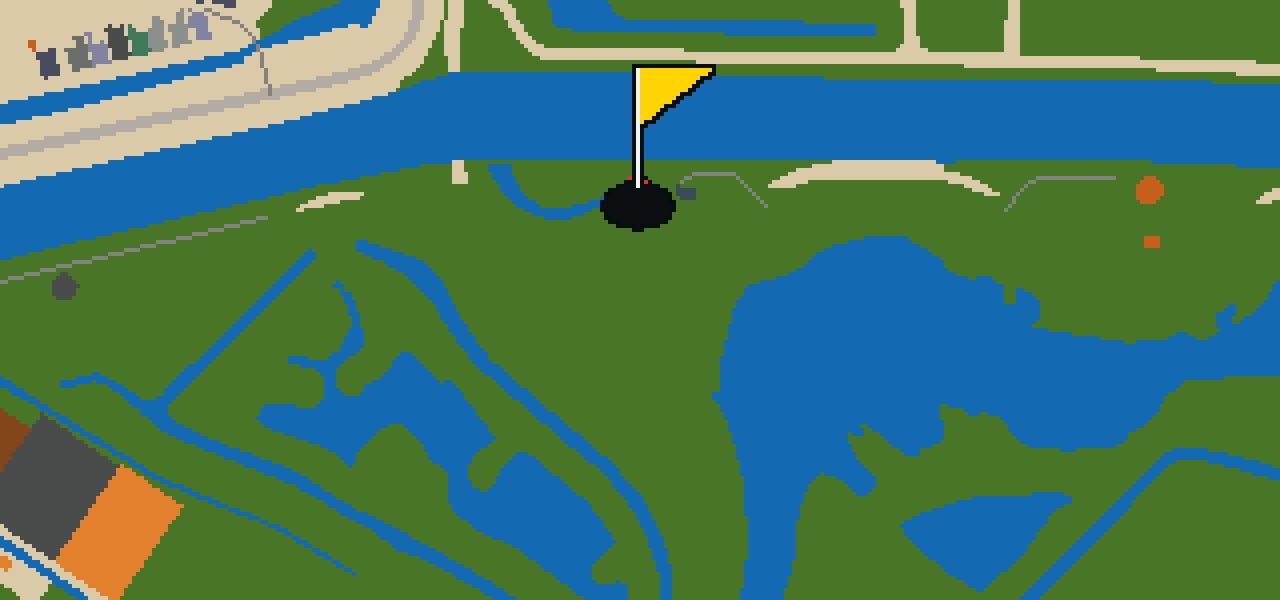
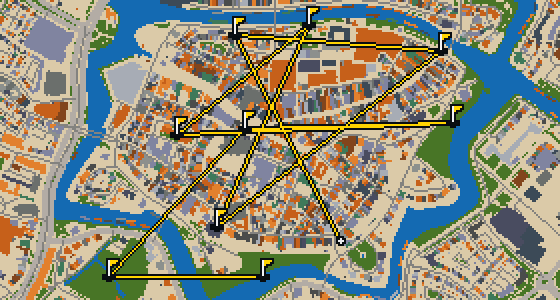
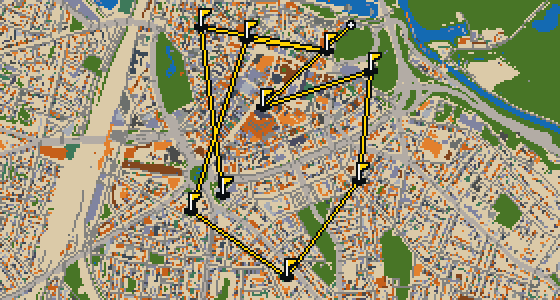
Alkmaar is the setting for this round, where the map is the real city and the ball rolls along its actual streets. The holes are built from real attractions, ending at Strijkmolen C. This is a full round of 18 holes with a par of 55, covering a walk of 11.6 km. A few portals help the ball skip across the map. Skip is a local guide who knows every nook and cranny, even the ones where the best crumbs hide.

Trouble loading? Open the game in its own tab.

HOW IT WORKS

01

Pick a city

The course is drawn on the real street grid, so the map you play is the map you walk.

02

Putt to the pin

Drag to aim, release to swing. Buildings bounce and water costs you a stroke.

03

Sightsee between strokes

Every hole ends at an attraction. Sink the putt, read the story, walk to the next tee.

THE ALKMAAR ROUND - STOP BY STOP

HOLE 1 - PAR 3

Waag

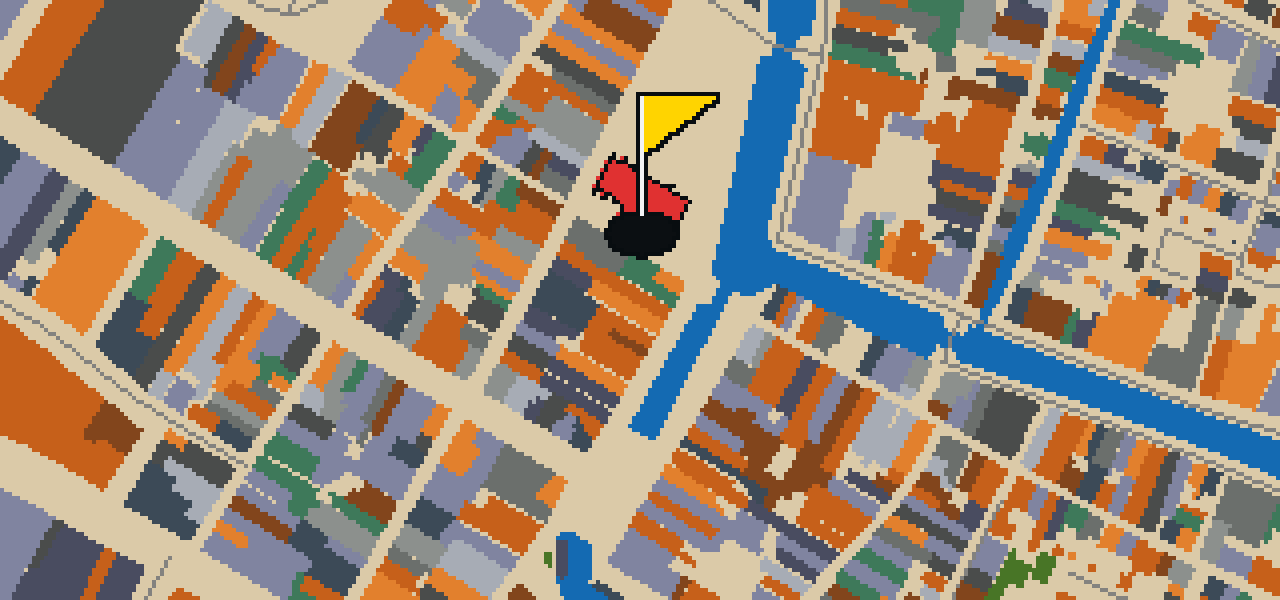
Let me show you the Waag, a weigh house located on the Waagplein in Alkmaar. Built in the Gothic architecture style, it is a Rijksmonument that remains a central point of the city. Inside the building, you can visit the Dutch Cheese Museum or stop by the tourist information Office. If you look up at the tower, you will find a carillon. I've always found the bells a nice way to keep track of the day while I'm gliding over the square.

Wikidata · Wikipedia

HOLE 2 - PAR 3

Grote of Sint-Laurenskerk

Andries I Keldermans was the architect of the Grote of Sint-Laurenskerk. This church building in Alkmaar, Netherlands, was started in 1470 and is built in the Gothic architecture style. Today, the site is a Reformed Protestant church and a museum. You can find the building located on the Koorstraat, where it is recognized as a Rijksmonument. When you look at the structure, you can see the specific characteristics of the Gothic style that Keldermans used for the design of this historic building.

Wikidata · Wikipedia

HOLE 3 - PAR 3

Synagoge Alkmaar

Located within the city, Synagoge Alkmaar is a synagogue. It is recognized as a Rijksmonument, which is a designation for national heritage sites in the Netherlands. This building is an important part of the local architecture and community history. Visitors can observe the structure as part of the city's historical fabric, noting its status as a protected monument. It stands as a place of worship and a testament to the heritage of the area, providing a point of reflection on the city's diverse cultural past.

Wikidata

HOLE 4 - PAR 3

Schermerhek

You might think you are looking at a simple boundary or a modern fence, but this is actually the Schermerhek. It is a city gate that stands as a piece of the city's history. Beyond its original function as an entrance, the site is recognized as a Rijksmonument. I've always found it a curious spot to watch the world go by, and it is a great landmark for anyone wanting to see the old edges of the town. It is one of those spots where the architecture tells you exactly where the city used to end.

Wikidata

HOLE 5 - PAR 2

Sint-Laurentiuskerk

Sint-Laurentiuskerk is a church building and a pilgrimage site. It was designed by the architect Pierre Cuypers, who utilized the Gothic Revival style for the structure. The building is recognized as a Rijksmonument. Construction began in 1859 and was finished in 1861. Visitors often notice the specific architectural details characteristic of the Gothic Revival movement that Pierre Cuypers implemented during the building's creation. The site remains an important point of interest for those visiting the city of Alkmaar.

Wikidata

HOLE 6 - PAR 3

Doopsgezinde kerk

The Doopsgezinde kerk is a church building that stands as a significant part of the local architecture. It is a Rijksmonument, which means it is a protected national heritage site of great importance to the country. When you look at the structure, you are seeing a building that was started in 1617. Visitors can appreciate the historical weight of the site as they pass through the city, knowing it has been preserved as a monument for several centuries.

Wikidata

HOLE 7 - PAR 3

Muziekvereniging Excelsior

Let me show you Muziekvereniging Excelsior. This architectural structure is a municipal monument in the Netherlands, meaning it is recognized for its local historical and aesthetic value. When you look at the exterior, you can pick out the specific characteristics of the Renaissance Revival architecture style. I find that the ornate lines of this particular style are quite striking when viewed from the air, though the building is just as impressive from the street level. It is a wonderful example of how this specific design approach was applied to civic structures in the region.

Wikidata

HOLE 8 - PAR 2

Molen van Piet

Let me show you Molen van Piet. It is a windmill and a Rijksmonument. When you look at the structure, you will notice it is a stellingmill. This specific design allows the mill to operate more effectively by raising the sails above the surrounding buildings to catch the wind. It is a great example of how these machines were integrated into the city. I usually find the breeze is quite steady around here, which makes it a great spot for a quick break.

Wikidata

HOLE 9 - PAR 3

Laurentiuskerk

While it may look like an ancient cathedral, this is actually the Laurentiuskerk. It is a church building designed in the Gothic Revival style. Pierre Cuypers was the architect of the structure, with construction starting in 1859 and finishing in 1861. Beyond the design of the building itself, the location is a pilgrimage site. It is also recognized as a Rijksmonument, ensuring its preservation for the future. You can pick out the specific details of the Gothic Revival influence as you approach the site.

Wikidata

HOLE 10 - PAR 3

Alkmaarderhout

Let me show you Alkmaarderhout. This location is an association football venue, making it a key spot for sports in the city. Whether you are a fan of the game or just passing through, it is a place where the community gathers for matches. I find it is a great spot to watch the energy of a live crowd.

Wikidata · Wikipedia

HOLE 11 - PAR 4

Zittende vrouw

You might mistake this for a local resident taking a break, but it is actually Zittende vrouw. This sculpture is a permanent fixture of the city and was created in 1960. I always find it interesting how the figure blends into the rhythm of the street. Whether you are a fan of public art or just passing through Alkmaar, it is a quiet spot to pause and look at the form before you move on to the next landmark. It is a simple piece that catches the eye of many visitors.

Wikidata

HOLE 12 - PAR 3

Accijnstoren

You might mistake this for a religious site, but it is actually the Accijnstoren, a tower in the heart of the city. It is recognized as a Rijksmonument, meaning it is a protected national heritage site. Work on the structure started in 1622. I always find that the height makes it a great landmark for keeping your bearings while walking the city center. It is one of those spots where the architecture tells you exactly where you are in the neighborhood without needing a map.

Wikidata

HOLE 13 - PAR 4

Haan

Let me show you Haan. This site is a sculpture located within Alkmaar. It is a piece of public art that visitors can encounter while exploring the city streets. I find it is a great spot to pause for a moment before moving on to your next destination.

Wikidata

HOLE 14 - PAR 4

Een treurende stedenmaagd

A mourning figure defines the physical presence of this work. Een treurende stedenmaagd is a sculpture that functions as a war memorial. It was created in 1950. This site is a place of reflection and memory within the city, where the form of the sculpture conveys a sense of loss. Visitors often stop here to acknowledge the history the memorial represents while navigating the streets of Alkmaar.

Wikidata

HOLE 15 - PAR 3

Cornelis Drebbel

Let me show you the bust of Cornelis Drebbel. This sculpture is a focal point here in Alkmaar and is a tribute to the man it depicts. While the subject is a historical figure, the artwork itself is a modern addition to the city, having had its inception in 2013. It is a simple, focused piece that allows you to appreciate the likeness of Drebbel as you pass through the area. I always find that the contrast between the old city and these newer monuments gives the streets a bit of extra character.

Wikidata

HOLE 16 - PAR 4

Victoriemonument

The Victoriemonument is a statue and monument located here in Alkmaar. It is a point of interest for any visitor exploring the city's public art and commemorative sites. Regarding its history, the inception of the Victoriemonument was in 1876. When you are standing before it, you can take a moment to appreciate the scale of the work. I've noticed that the area around the monument often provides a great vantage point for watching the local rhythm of the city unfold around you.

Wikidata

HOLE 17 - PAR 3

Strijkmolen B

Let me show you Strijkmolen B, located here in Alkmaar. This site is a windmill and holds the status of a Rijksmonument, which means it is a protected national monument. When you look at the structure, you can pick out that it is a grondzeiler, a style of mill where the sails reach nearly to the ground. It is a great spot to stop and appreciate the local engineering of the region. I usually find the breeze around these sails quite refreshing for a quick stretch of the wings before I fly off again.

Wikidata

HOLE 18 - PAR 2

Strijkmolen E

Strijkmolen E is a windmill located in Alkmaar. Specifically, it is a grondzeiler, a type of mill where the sails reach nearly to the ground. For those visiting the city, it is a notable example of traditional Dutch engineering. Because of its historical and structural importance, the mill is officially recognized as a Rijksmonument. I've found that the low profile of the grondzeiler makes it a distinct sight compared to taller mills you might see elsewhere in the region, making it a great landmark to keep an eye on while you are walking.

Wikidata

STOP 19

Strijkmolen C

Let me show you Strijkmolen C. This site is a windmill and specifically a grondzeiler, meaning the sails reach almost to the ground. You can pick out the distinct shape that defines this style of mill when you look at it from the street. It is also designated as a Rijksmonument, which means it is a protected national heritage site. I've noticed that the low height makes it a bit easier to avoid the wind when I'm gliding nearby, though the sails still make for a very impressive sight against the sky.

Wikidata

OTHER COURSES

9 HOLES - PAR 25

Zwolle

9 stops

This is Zwolle, where the map is the actual city and the round is played on its real streets. The holes are built from attractions like the Sassenpoort. Skip knows these alleys well, even the ones where the best crumbs hide. It is a quick 9-hole round with a par of 25, covering a 4.3 km walk that uses 6 portals to move the ball.

18 HOLES - PAR 53

Utrecht

18 stops

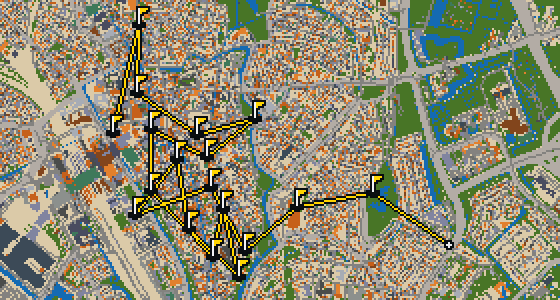
Utrecht is the map for this round, where the ball rolls across the actual city streets. The holes are built directly from real attractions, ending the game at the Rijn en Zon. A full 18-hole round covers 9.3 km and uses six portals to bridge the gaps between distant districts. Skip knows these pavements well, including the specific corners where the best crumbs fall. As a local guide, this pigeon has seen every inch of the walk from the air and the cobblestones.

9 HOLES - PAR 25

Tilburg

9 stops

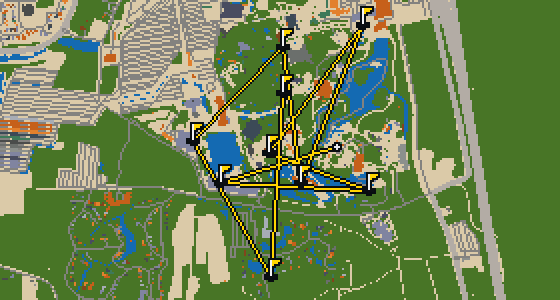
The final hole drops right into the Efteling. This round uses the real streets of Tilburg as a map, where the actual attractions provide the walls and obstacles for the ball. It is a quick 9-hole round with a par of 25, covering a walk of 4.5 km. Skip knows every cobblestone here and can show the way.

18 HOLES - PAR 58

Rotterdam

18 stops

This is Rotterdam, where the map is the real city and the round is played on its actual streets. Real attractions like the Euromast are what the holes are built from, turning the city into a course. Skip is a local guide who knows the place and where the best crumbs are hidden. This full round of 18 holes covers 12.7 km and uses 60 portals to bridge the gaps between the distant landmarks.

9 HOLES - PAR 28

Nijmegen

9 stops

This is a quick nine-hole round through Nijmegen. The map is the real city and the ball rolls along its actual streets, using landmarks like the Jacobskapel to form the holes. Skip knows these pavements well enough to avoid the occasional crumb-stealing rival. The walk covers 5.5 km of the city center, where the real attractions provide the rails and the cups.

FAQ

Is it free to play?

Yes. Every course runs in the browser with no account and no install.

Do I need to be in the city?

No. The full round plays from anywhere. Walking the real route is a nice way to see the city, but it is not required.

Are the maps real?

Yes. The geometry comes from OpenStreetMap data, rendered chunky on purpose. Streets, water and parks sit where they really are.