
VILNIUS - 18 HOLES - FREE

VILNIUS
CITY MAP MINIGOLF

Vilnius - 18 stops - par 53

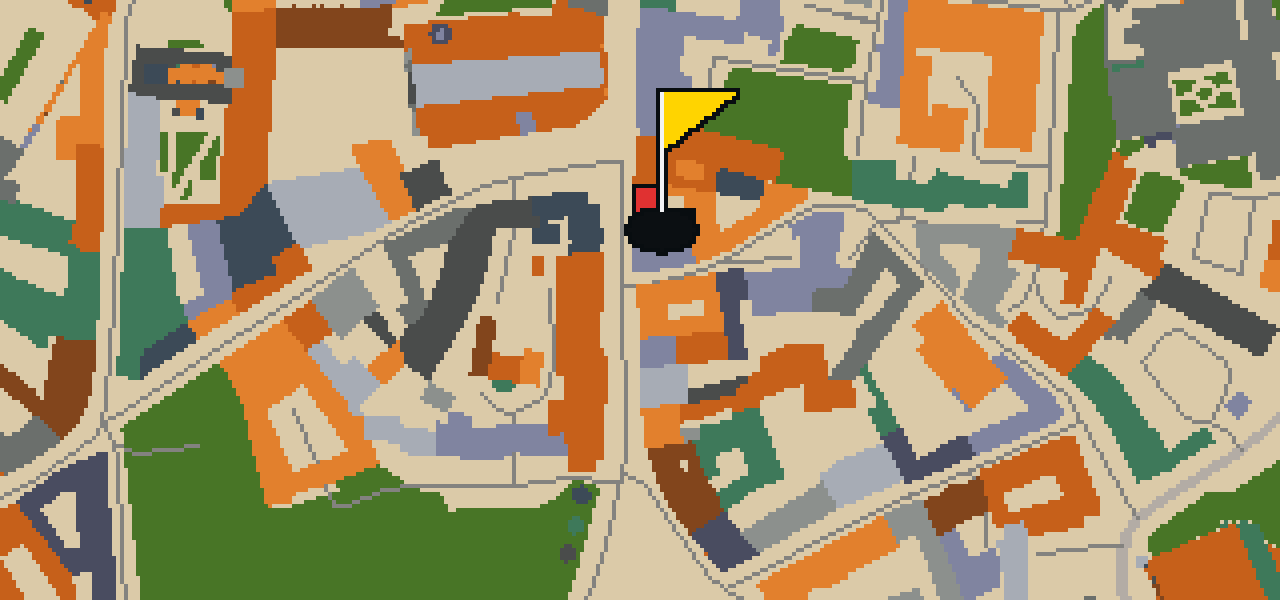
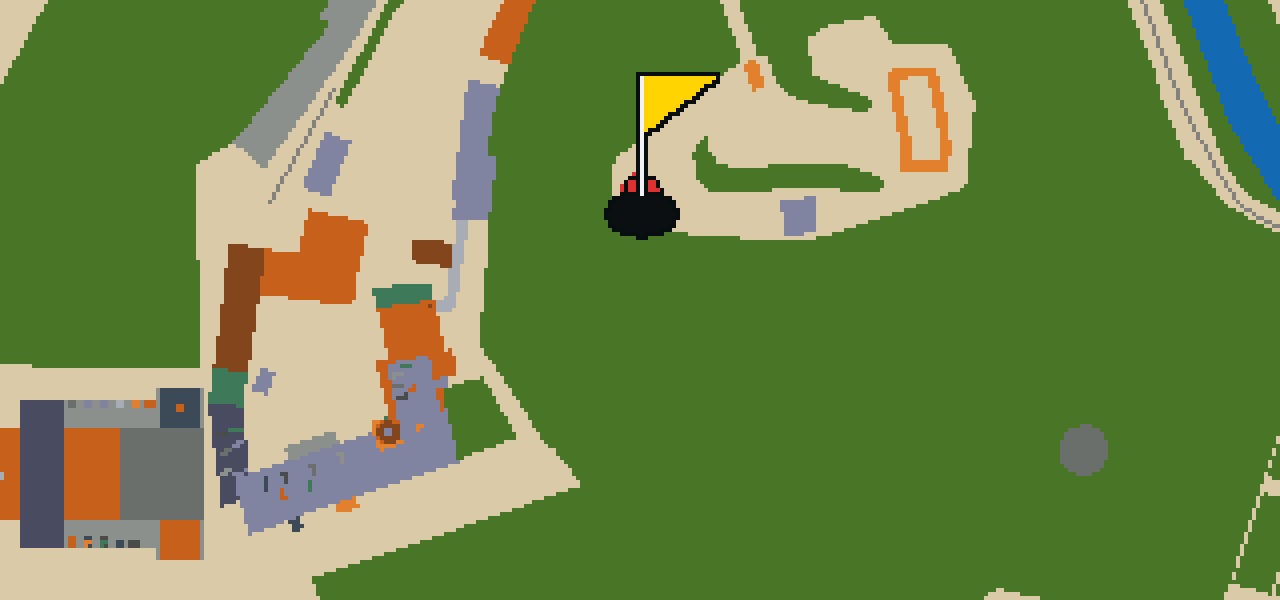
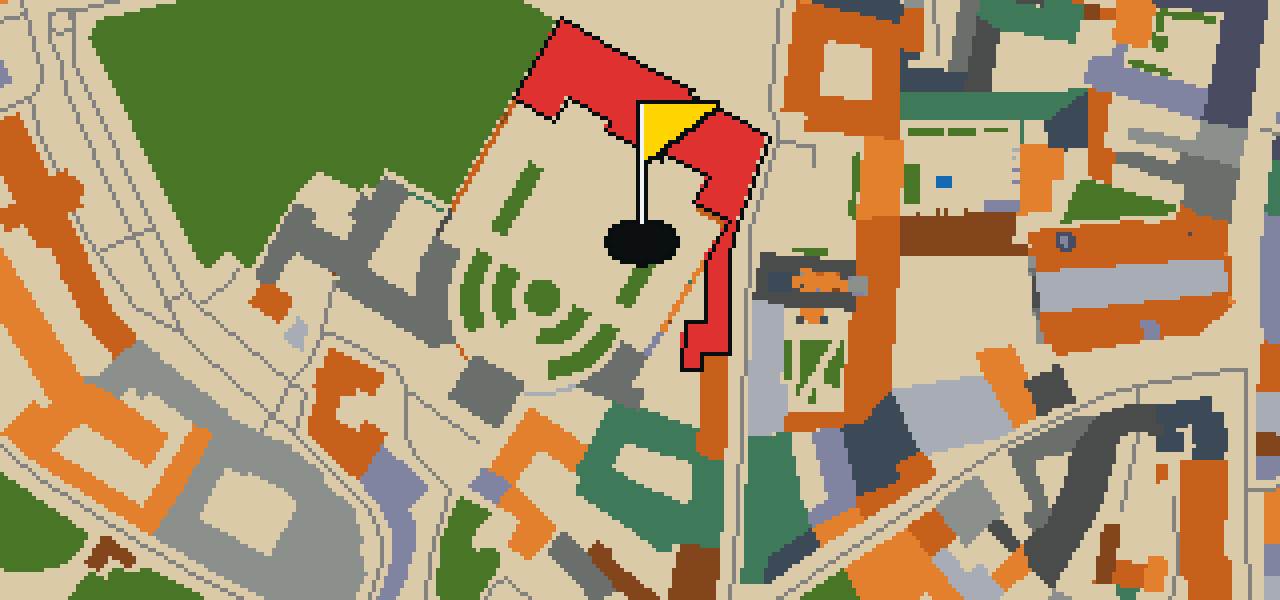
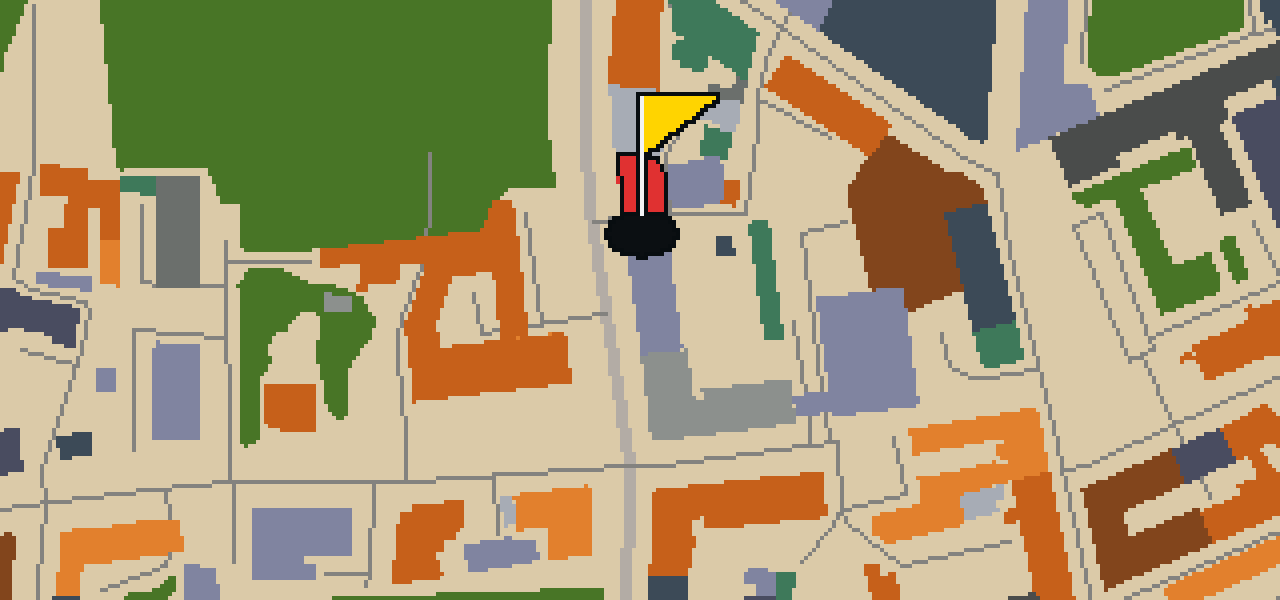
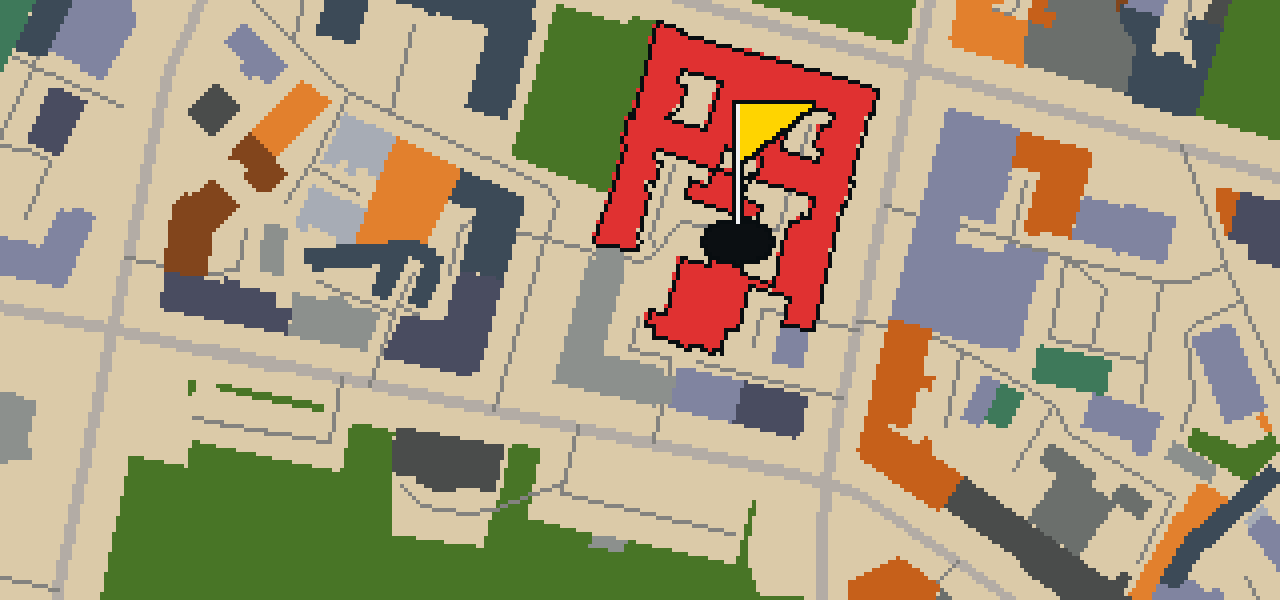
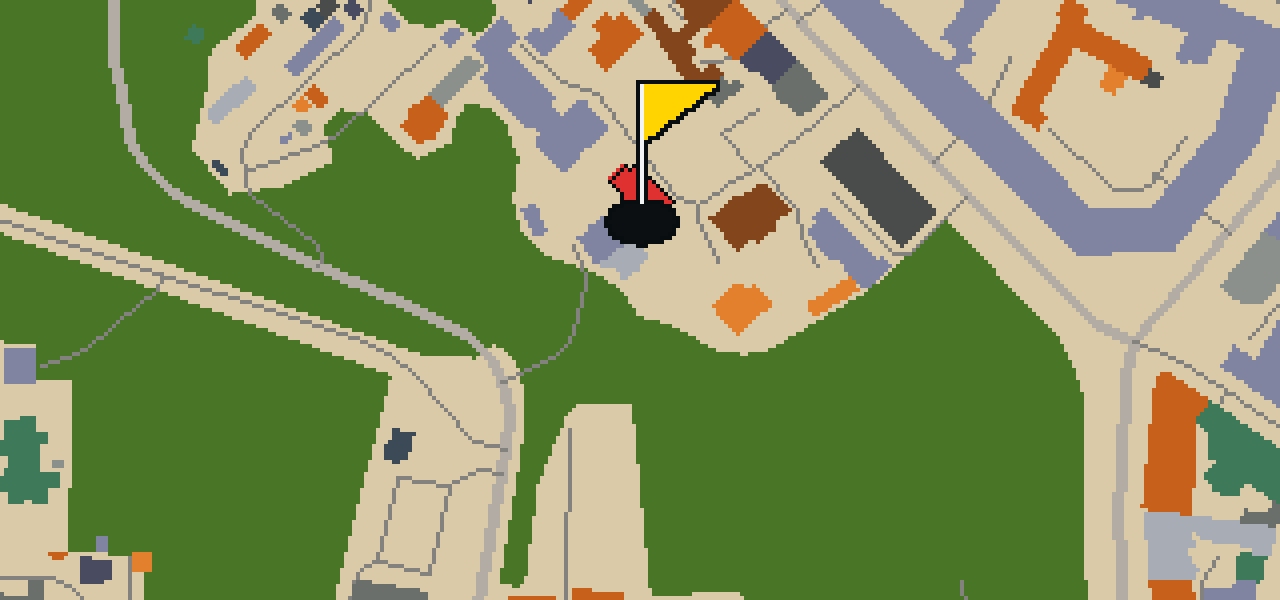
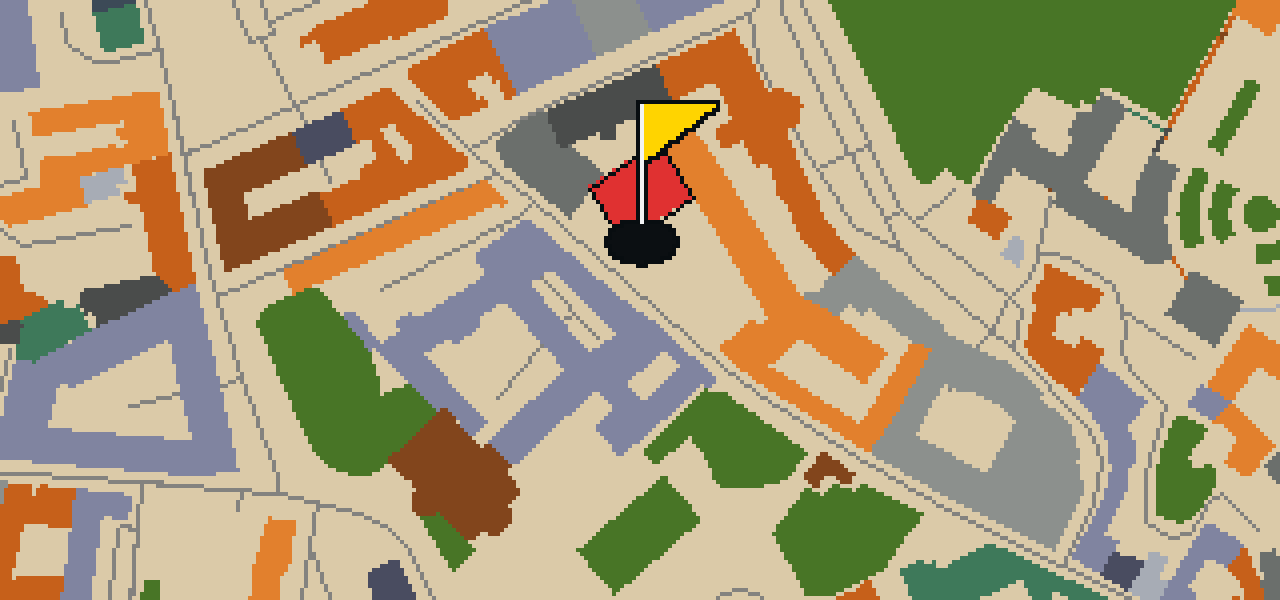
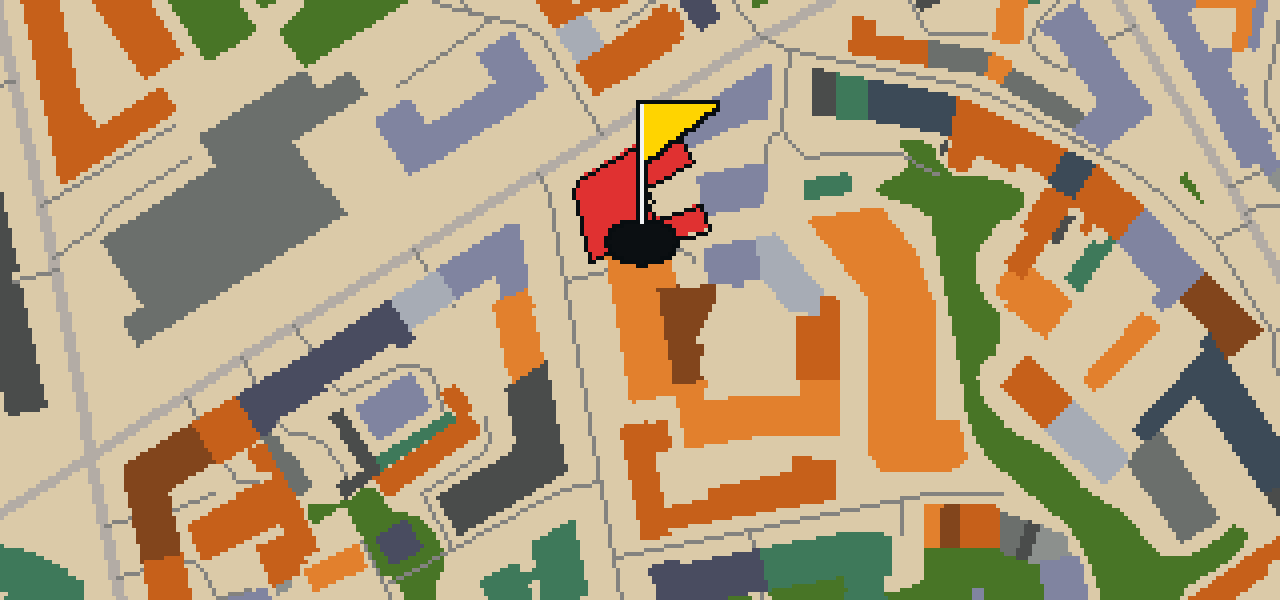
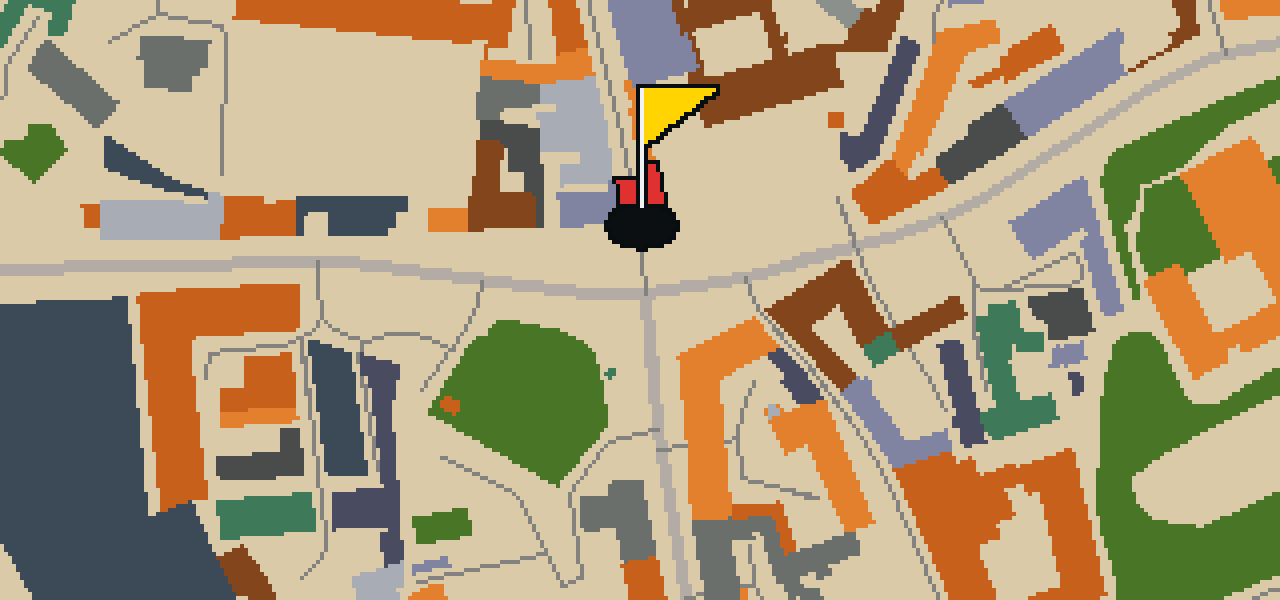
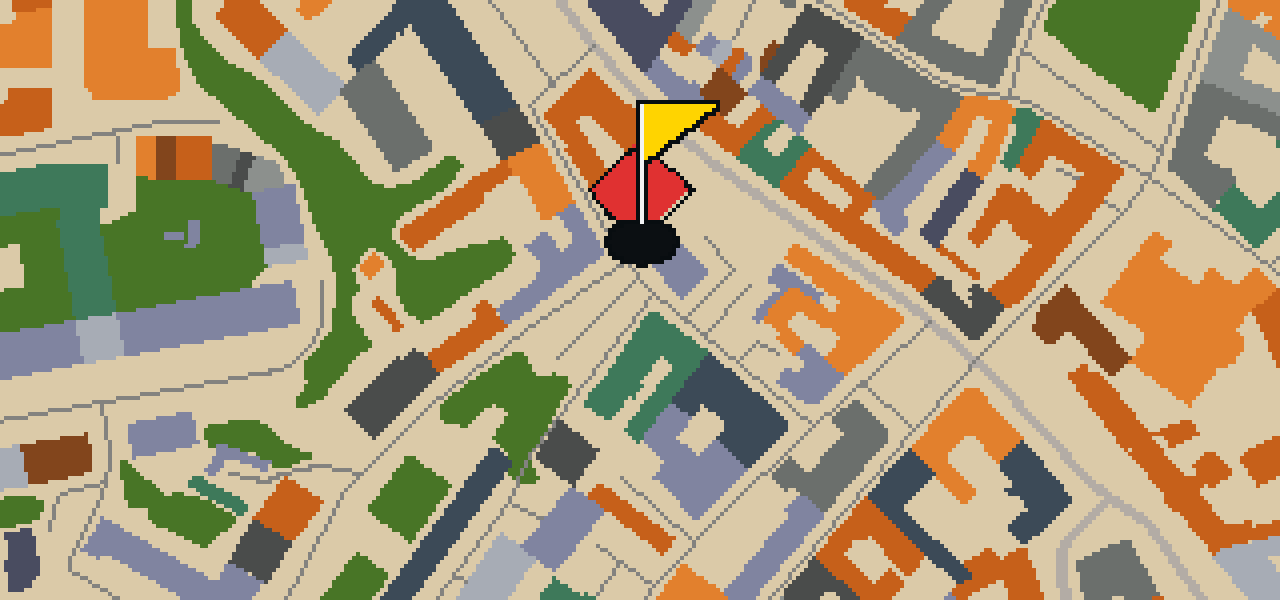
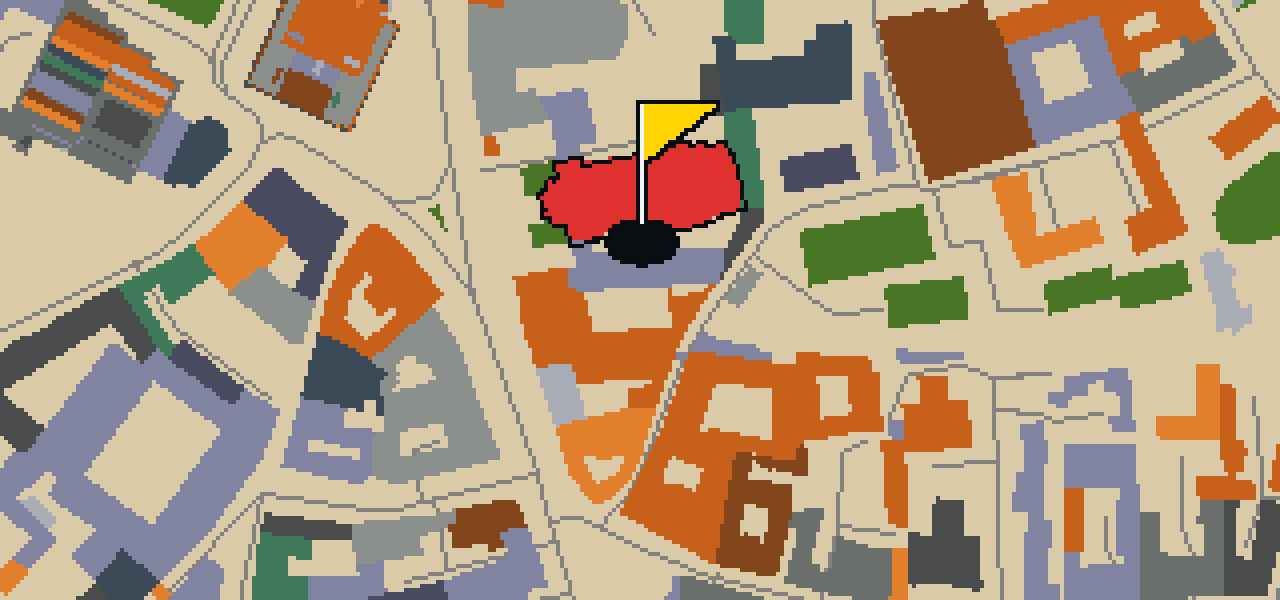
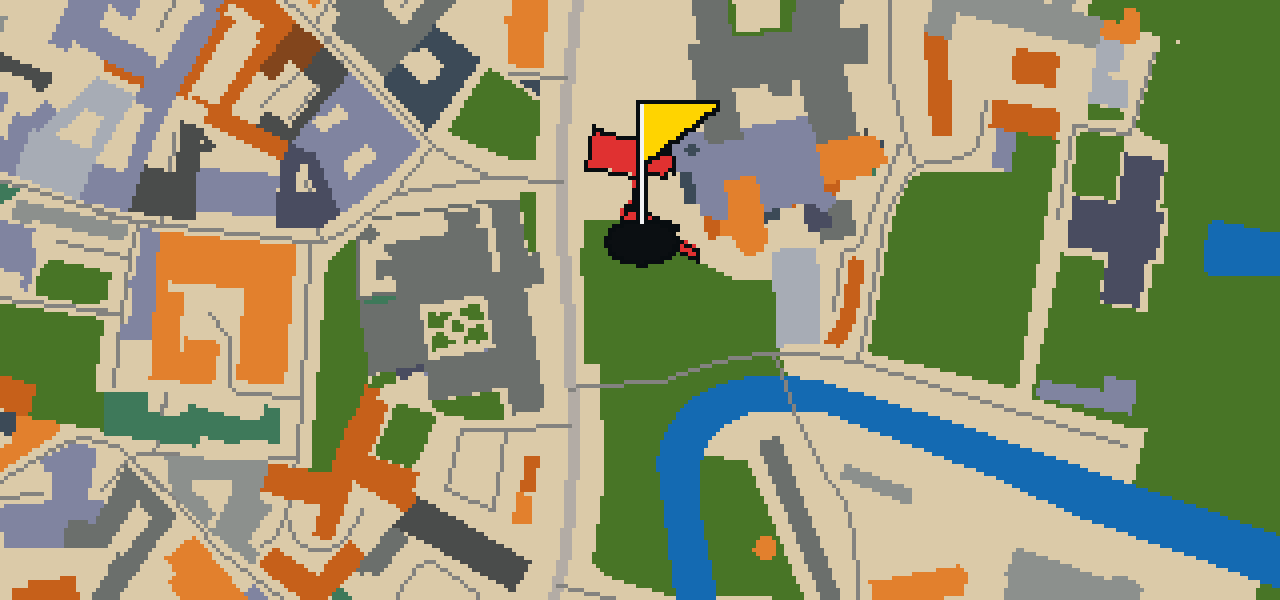
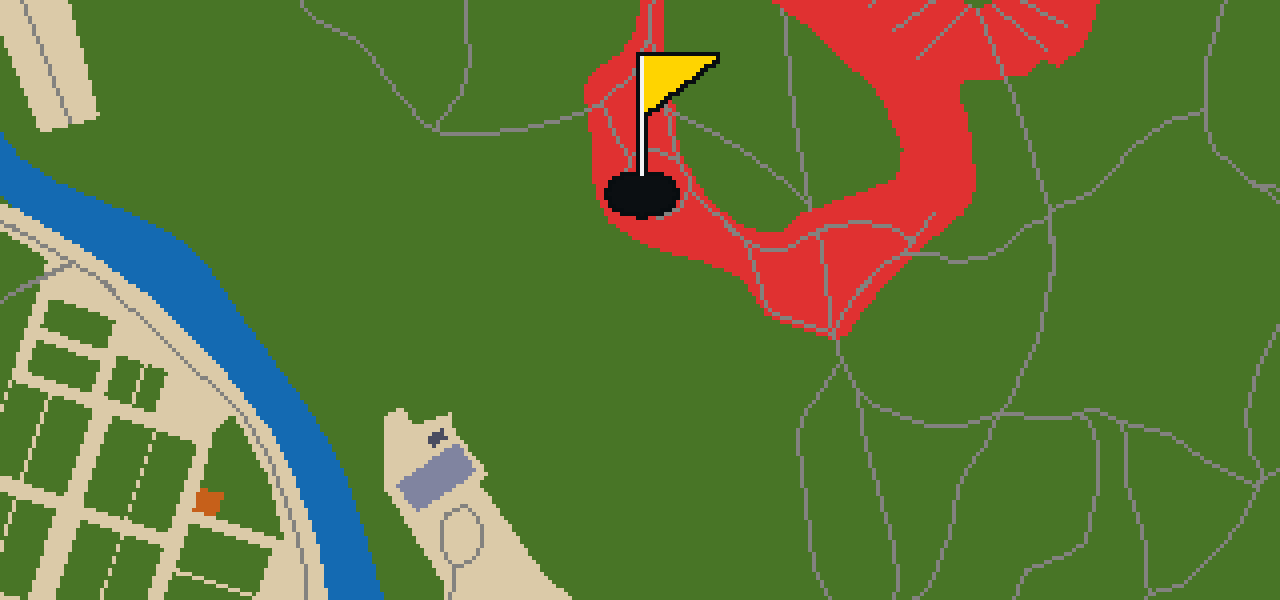
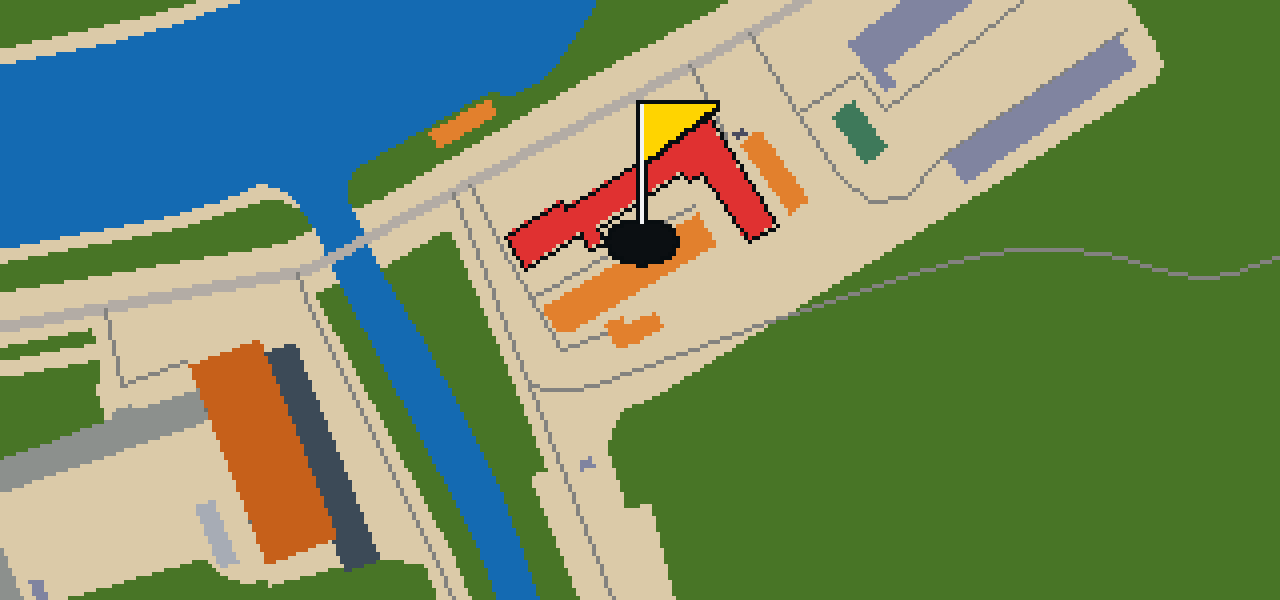
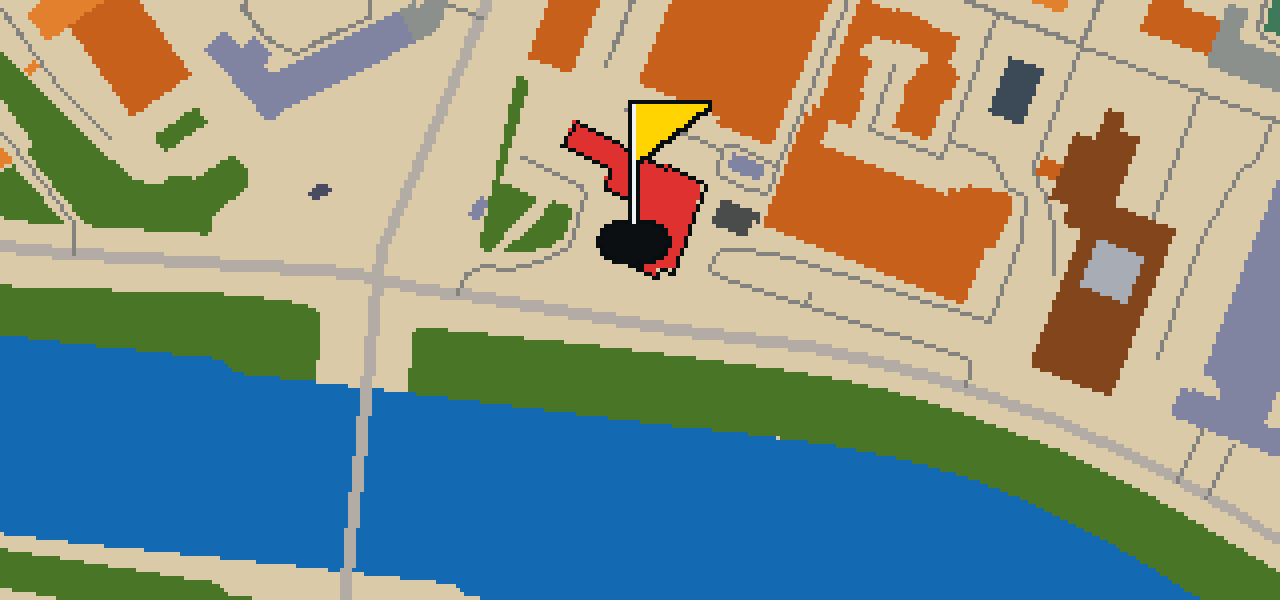
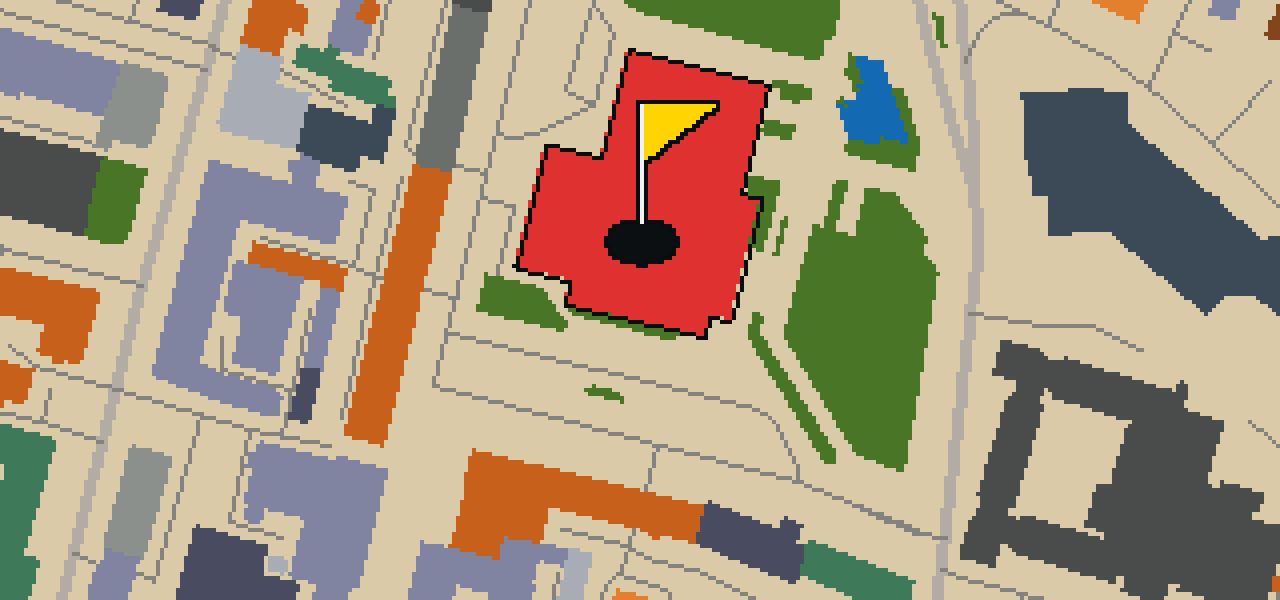
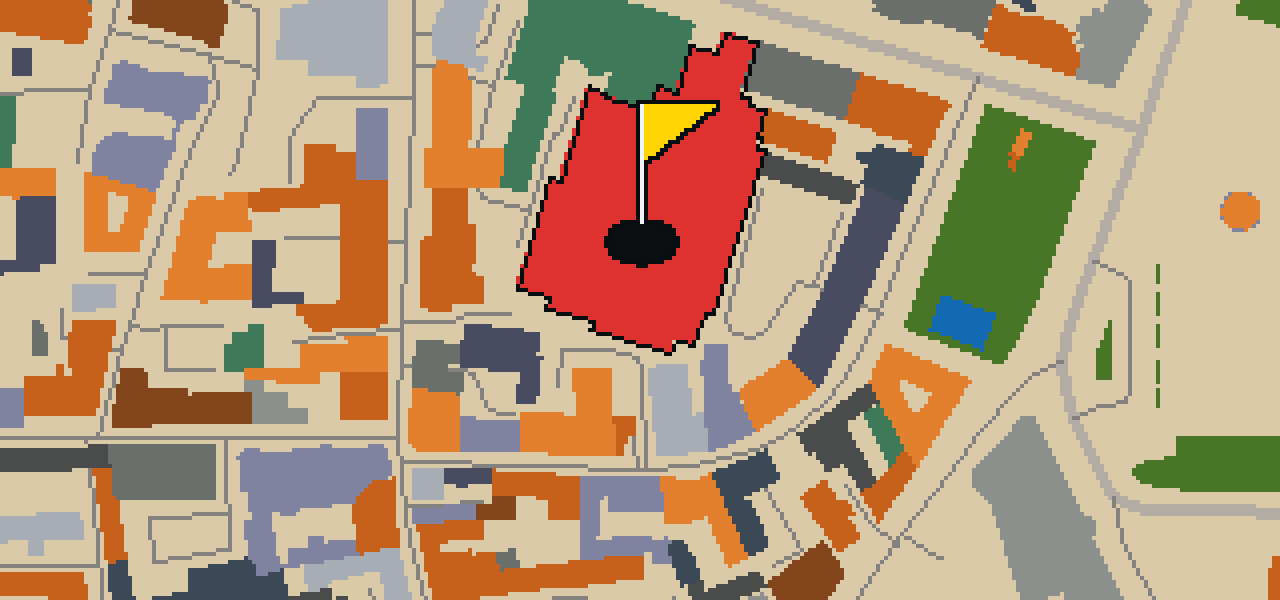
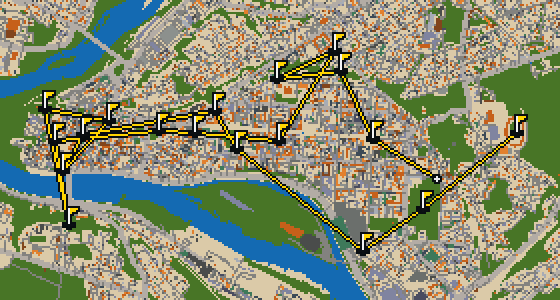
From a high perch on a ledge, the layout of Vilnius looks like a giant game board. The map is the actual city, and the ball rolls across its real streets. Local attractions, including the Gedimino pilis, are the foundations for the holes. This full round of 18 holes with a par of 53 covers 10.3 km, using 6 portals to bridge the gaps. Skip knows these sidewalks well enough to lead the way.

Trouble loading? Open the game in its own tab.

HOW IT WORKS

01

Pick a city

The course is drawn on the real street grid, so the map you play is the map you walk.

02

Putt to the pin

Drag to aim, release to swing. Buildings bounce and water costs you a stroke.

03

Sightsee between strokes

Every hole ends at an attraction. Sink the putt, read the story, walk to the next tee.

THE VILNIUS ROUND - STOP BY STOP

HOLE 1 - PAR 3

Vilniaus Šv. Stanislovo ir Šv. Vladislovo arkikatedra bazilika

You will first notice the Neoclassical style of the Cathedral Basilica of St Stanislaus and St Ladislaus of Vilnius. This cathedral is situated in Vilnius Old Town and serves as the main Catholic cathedral in Lithuania. The inception of the building was in 1387, and it was designed by the architect Laurynas Gucevičius. In addition to being a cathedral, the site is also a minor basilica. You can also see the influence of the Classicism style in the design of this prominent landmark.

Wikidata · Wikipedia

HOLE 2 - PAR 3

Radvilų rūmai

You might expect another simple residence here, but you have found Radvilas Palace. Located in the Old Town of Vilnius, Lithuania, this palace is a prime example of baroque architecture. It is also recognized as a Late Renaissance palace, showing a transition in style. The architect responsible for the design was Constantino Tencalla. I've noticed that the facades make for a very reliable bank if you're trying to line up your next shot, provided you don't get distracted by the scenery. It is a landmark that defines the character of this historic neighborhood.

Wikidata · Wikipedia

HOLE 3 - PAR 3

Signatarų namai

Let me show you Signatarų namai, a museum built in the Neoclassical architecture style. This building is a Lithuanian historic landmark located on Pilies Street in Vilnius. It is a site of great importance because the Act of Independence of Lithuania was signed here on February 16, 1918. You can pick out the space where twenty members of the Council of Lithuania gathered to sign that document. I've always found the street views here quite pleasant, though I prefer the view from the roof where the wind is just right.

Wikidata · Wikipedia

HOLE 4 - PAR 3

Gedimino pilis

When you look up at the skyline, you will see Gediminas's Tower. This is the remaining part of the Upper Castle, which sits on top of the Gediminas Hill in Vilnius, Lithuania. The castle is built in the Gothic art style. I think the best part is the viewing platform on the tower, which gives you a great look at the surrounding area. It is a significant spot for anyone visiting the city, as the tower serves as a state and historic symbol for both Vilnius and the country.

Wikidata · Wikipedia

HOLE 5 - PAR 3

Lietuvos Respublikos prezidentūra

Lietuvos Respublikos prezidentūra is a palace located in Vilnius Old Town. It is the official residence and workplace of the president of Lithuania. The building is designed in the Neoclassical architecture style, with Vasily Stasov and Laurynas Gucevičius credited as architects. I often see people pausing to admire the symmetry of the facade from the street. It is a central piece of the city's administrative heart and a great spot to observe the local pace of life. Whether you are interested in politics or just a fan of grand buildings, this is a landmark you cannot miss.

Wikidata · Wikipedia

HOLE 6 - PAR 3

Lietuvos žydų kultūros ir tapatybės muziejus

Lietuvos žydų kultūros ir tapatybės muziejus is a Jewish museum located in Vilnius. Founded in 1989, the site is also known as the Vilna Gaon Museum of Jewish History. As a Lithuanian museum, it is dedicated to the historical and cultural heritage of Lithuanian Jewry. I have found that the atmosphere here encourages a thoughtful pace as you move through the exhibits. It is a place where you can pick out the specific threads of a complex history that helped shape the identity of the region and its people over many generations.

Wikidata · Wikipedia

HOLE 7 - PAR 2

Okupacijų ir laisvės kovų muziejus

You will find the Okupacijų ir laisvės kovų muziejus right here in Vilnius. This museum is dedicated to showing records and artifacts from the Soviet occupation of Lithuania, providing a detailed look at a period of history that lasted 50 years. The institution was founded in 1992 to document these struggles and triumphs. I've noticed the atmosphere here is quite different from the bustling streets outside, making it a place for reflection. It is a necessary stop for anyone wanting to understand the local history through the physical evidence and records kept within these walls.

Wikidata · Wikipedia

HOLE 8 - PAR 3

Holokausto ekspozicija

You might expect another art gallery, but this is the Holokausto ekspozicija. It is a Jewish museum located in Vilnius that had its inception in 1989. The site focuses on the memory of the Holocaust and the experiences of the community during that era. I've noticed the atmosphere here is quite different from the bustling streets just outside the doors. It is a place for reflection and learning about a dark chapter of the city's past, ensuring that the stories of those who lived through these events are preserved for every visitor who walks through its halls.

Wikidata · Wikipedia

HOLE 9 - PAR 3

Vilniaus Šv. Ignoto bažnyčia

The baroque architecture style defines the exterior of Vilniaus Šv. Ignoto bažnyčia. This cathedral is a religious building of the Roman Catholic Church located in Vilnius. It serves as the cathedral of the Military Ordinariate of Lithuania. The construction of this church building was started in 1602, and Tomasz Żebrowski is the architect of the site. It remains a significant religious landmark within the city for those visiting the area.

Wikidata · Wikipedia

HOLE 10 - PAR 4

Samuelio Bako muziejus

Let me show you a corner of Vilnius where you can find the Samuelio Bako muziejus. This Jewish museum was founded in 1989 and stands as a key point of interest in the city. While you are exploring the area, you can also pick out the Vilna Gaon Museum of Jewish History. That Lithuanian museum is dedicated to the historical and cultural heritage of Lithuanian Jewry. I often see people pausing here to take in the atmosphere of the neighborhood.

Wikidata · Wikipedia

HOLE 11 - PAR 3

Aušros Vartai

Let me show you Aušros Vartai, a city gate located in Vilnius. This site is one of the most important religious, historical and cultural monuments in the capital of Lithuania. Over time, the gate has evolved into a major site of Catholic pilgrimage in Lithuania. It is a place where history and faith meet on a single street, drawing visitors from all over the region. I often see people gathering here in quiet reflection, though I mostly just enjoy the view from the ledge while I wait for someone to drop a snack.

Wikidata · Wikipedia

HOLE 12 - PAR 3

Vilniaus choralinė sinagoga

The Vilniaus choralinė sinagoga is a synagogue located in the Old Town of Vilnius within the Vilnius County of Lithuania. Construction on the building was started in 1903. The exterior is designed in both the eclectic and Art Nouveau architecture styles. It is an Orthodox Jewish congregation and synagogue that is officially named the Taharat Ha-Kodesh Choral Synagogue in Vilnius. You can find the synagogue at 39 Pylimo Street, where the architecture remains a notable feature of the neighborhood's historic streetscape.

Wikidata · Wikipedia

HOLE 14 - PAR 3

Šv. Onos bažnyčia

Šv. Onos bažnyčia is a church building in Vilnius' Old Town. This Roman Catholic church is an example of Flamboyant and Brick Gothic styles. It was started in 1495 and established circa 1495–1500. Benedikt Rejt is the architect of the building, which is located on the right bank of the Vilnia river. You can pick out the distinct Brick Gothic style as you approach the site, which remains one of the most recognizable landmarks in the area.

Wikidata · Wikipedia

HOLE 15 - PAR 2

Trys kryžiai

You might expect a simple hilltop, but you will find Trys kryžiai, a monument in Vilnius. Wooden crosses have been sited in this location since the early 17th century. The current structure was started in 1916, with Antoni Wiwulski and Henrikas Kęstutis Šilgalis serving as architects. It sits atop the Hill of Three Crosses in Kalnai Park, a spot locals also call the Bald Hill or Crooked Hill. I usually find the breeze up here quite refreshing, and it is a great spot to pause and look out over the surrounding area.

Wikidata · Wikipedia

HOLE 16 - PAR 4

Buvusi areštinė

Look closely at the written materials and artifacts on display here. They are part of Buvusi areštinė, a national museum located in Vilnius. This site is one of several significant structures that make up the National Museum of Lithuania. Established in 1952, the larger institution is a state-sponsored historical museum that focuses on preserving the past. Beyond these walls, the museum also organizes archeological digs in Lithuania to uncover more of the region's history. I've found that the atmosphere here really makes you lean in to hear the stories the objects are telling.

Wikidata · Wikipedia

HOLE 17 - PAR 2

Hilarijaus Raduškevičiaus rūmai

Let me show you the Raduškevičius Palace. This palace in Vilnius is built in the style of historicist architecture and is located at Kalvarijų st. 1. While the exterior captures a specific architectural era, the building has a practical modern purpose as the headquarters of the Lithuanian Union of Architects. It is a great spot to see how the city blends its older aesthetic with the professional needs of today's designers. I always find the street corner here quite lively.

Wikidata · Wikipedia

HOLE 18 - PAR 3

Lietuvos nacionalinis operos ir baleto teatras

Look closely at the architecture of the Lithuanian National Opera and Ballet Theatre, which was designed by Elena Nijolė Bučiūtė. This Vilnius landmark is both an opera house and a theatre troupe. It has a long history in the city, having been founded in 1920. When the institution first opened its doors, it was known as Operos vaidykla. I have noticed that the crowds gathered here always seem to be in a great hurry to get inside before the curtains rise for the evening performance.

Wikidata · Wikipedia

STOP 19

Lietuvos nacionalinis dramos teatras

You will first notice the Feast of Muses sculpture by Stanislovas Kuzma on the façade of Lietuvos nacionalinis dramos teatras. Located on Gediminas Avenue in Vilnius, this theatre company is a central point for the city's performing arts. It was founded as a Vilnius State Theatre in 1940 and later became the Lithuanian National Drama Theatre in 1998. I've noticed that the sculpture makes it a great spot to pause and look up before you head inside for a show.

Wikidata · Wikipedia

OTHER COURSES

18 HOLES - PAR 57

Zurich

18 stops

This is a full 18-hole round through Zürich. The map follows the real city, with the ball rolling across actual streets and banking off building facades. Real attractions like the Grossmünster are what the holes are built from. Skip knows every corner of this place, though a pigeon mostly cares about the crumbs. The walk covers 12.4 km and uses 70 portals to bridge the gaps between distant landmarks.

18 HOLES - PAR 52

Zagreb

18 stops

This is a full round of 18 holes through Zagreb. The map follows the real city, with the ball rolling across actual streets and banking off building facades. Real attractions like the bazilika Presvetog Srca Isusova form the holes. Skip knows these pavements well, even the bits where the crumbs are best. The walk covers 10.2 km and uses 40 portals to bridge the gaps between distant parts of the city.

18 HOLES - PAR 55

York

18 stops

This is a full eighteen-hole round through York. The map is the real city and the ball rolls along its actual streets, banking off the stone of the York Minster. Real attractions provide the structure for every hole. Six portals help move the ball across the 6.9 mi walk. Skip is a local guide who knows these alleys and bars by heart, provided there are no crumbs to distract him.

18 HOLES - PAR 54

Wrocław

18 stops

Wrocław is the setting for this round, where the map is the real city and the ball rolls across its actual streets. The holes are built from real attractions, starting at the Archikatedra Świętego Jana Chrzciciela. Skip is a local guide who knows the place and where the best crumbs are hidden. This full round of 18 holes has a par of 54 and covers a walk of 10.2 km, with 28 portals to help the ball skip across the map.

9 HOLES - PAR 26

Warsaw

9 stops

This is Warszawa, where the map is the real city and the round is played on its actual streets. The holes are built from real attractions, starting at Religijne Towarzystwo Przyjaciół w Polsce. This quick 9-hole round covers 4.9 km with a par of 26, using 78 portals to bridge the gaps. Skip knows these sidewalks well enough to find the best banks.

FAQ

Is it free to play?

Yes. Every course runs in the browser with no account and no install.

Do I need to be in the city?

No. The full round plays from anywhere. Walking the real route is a nice way to see the city, but it is not required.

Are the maps real?

Yes. The geometry comes from OpenStreetMap data, rendered chunky on purpose. Streets, water and parks sit where they really are.