
CORK - 18 HOLES - FREE

CORK
CITY MAP MINIGOLF

Cork - 18 stops - par 56

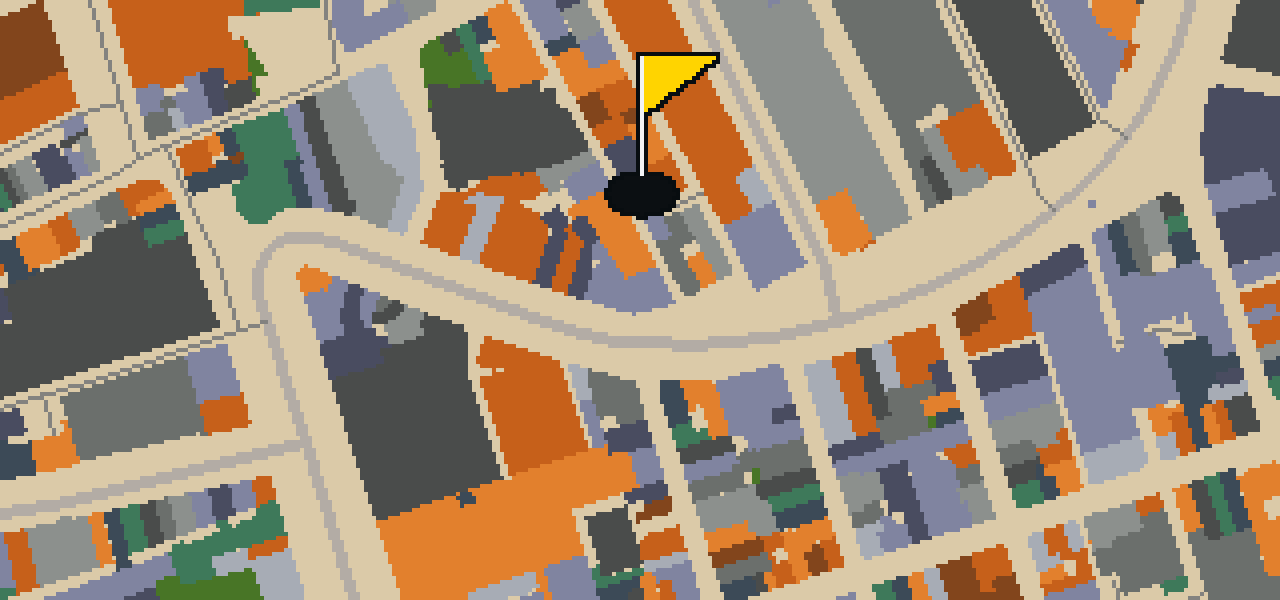
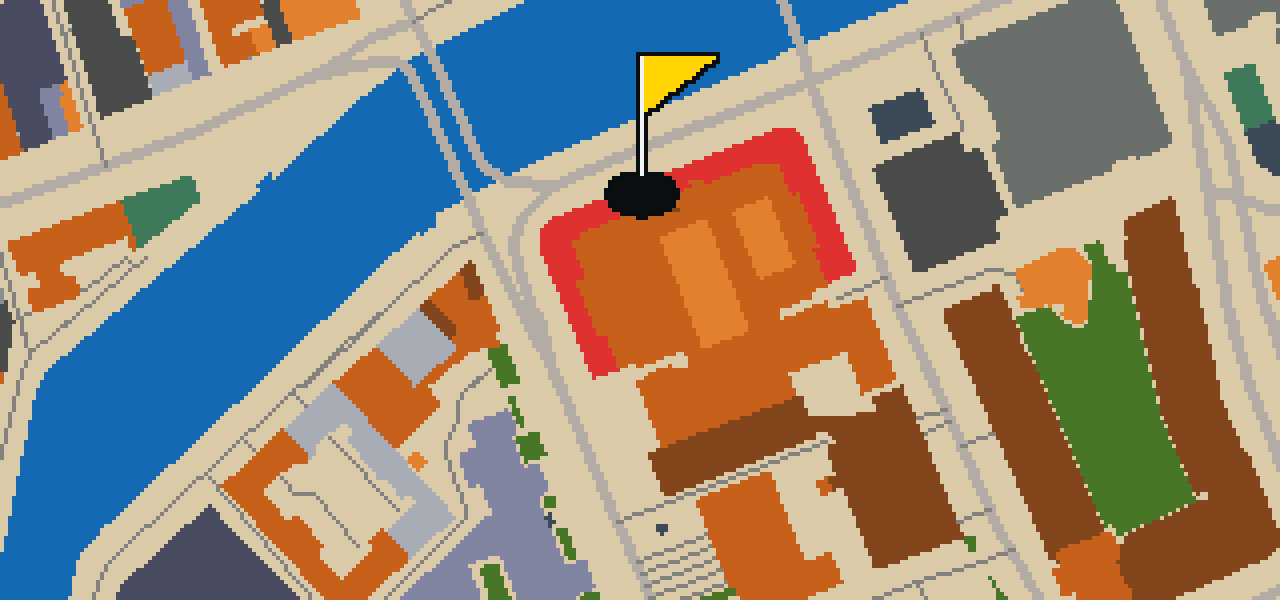
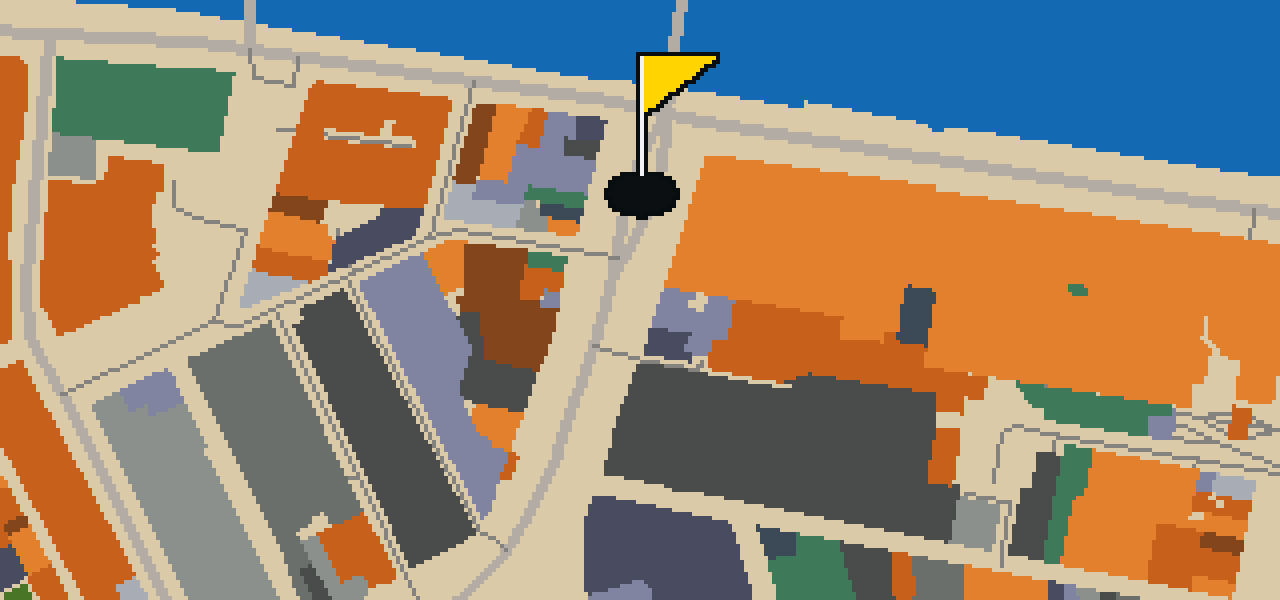
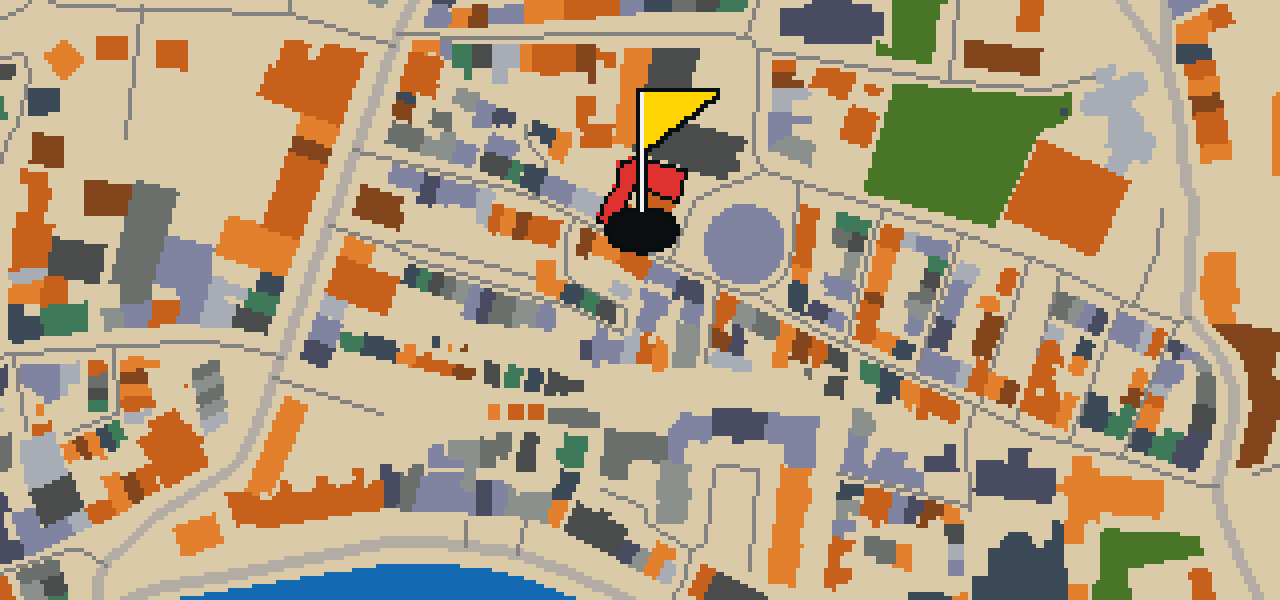
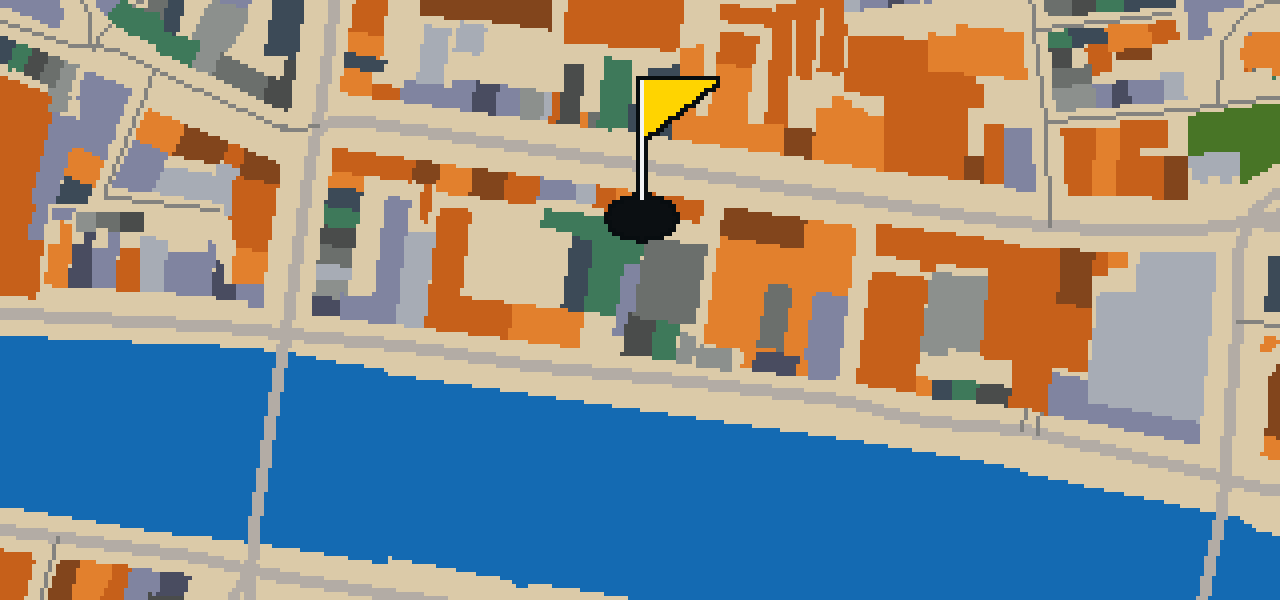
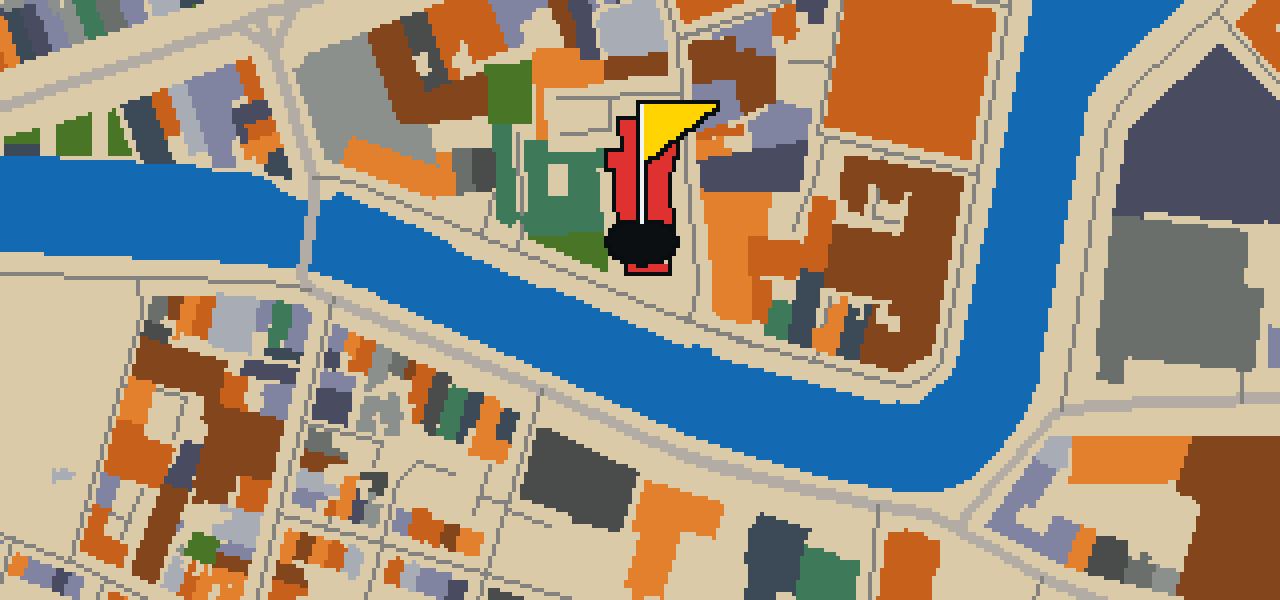
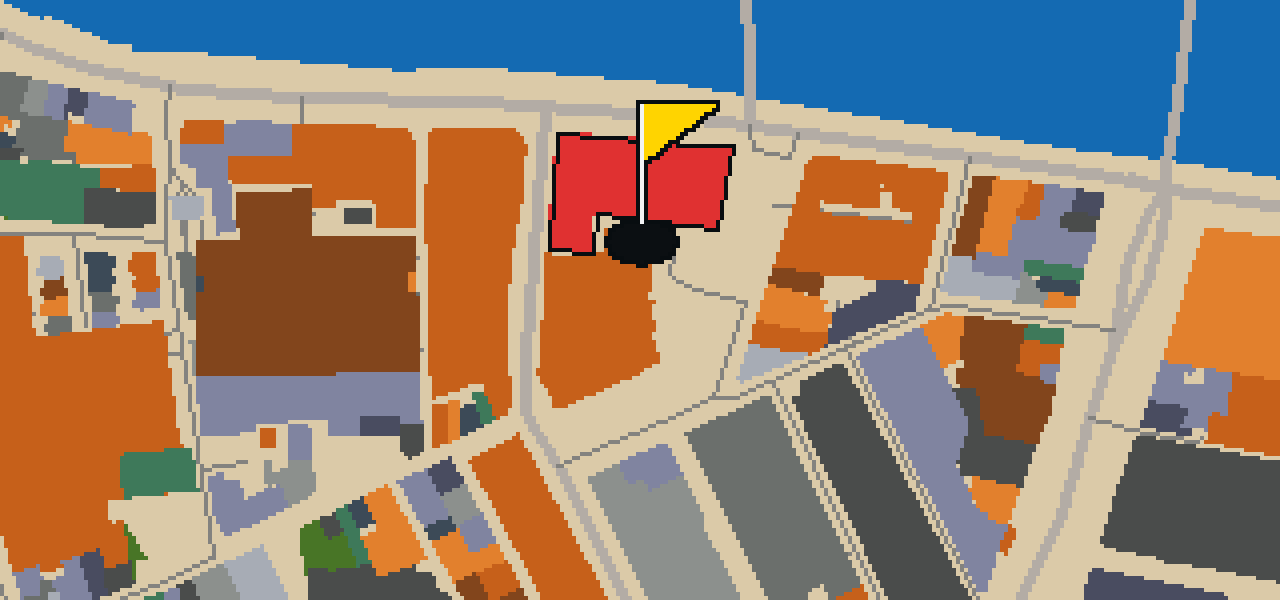
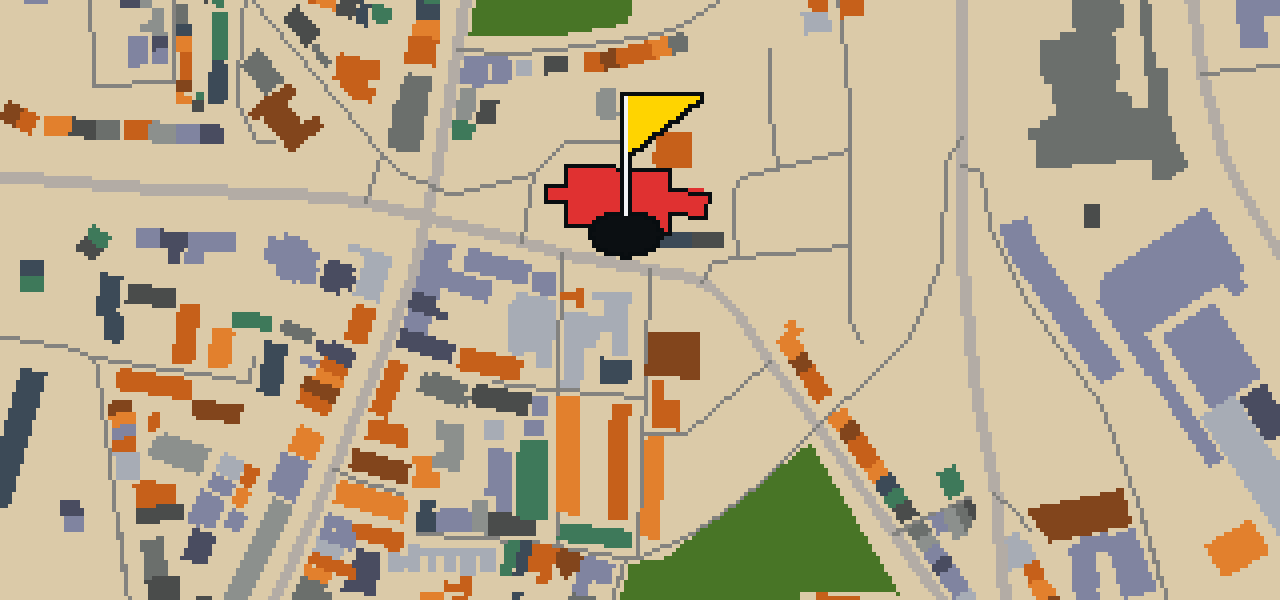
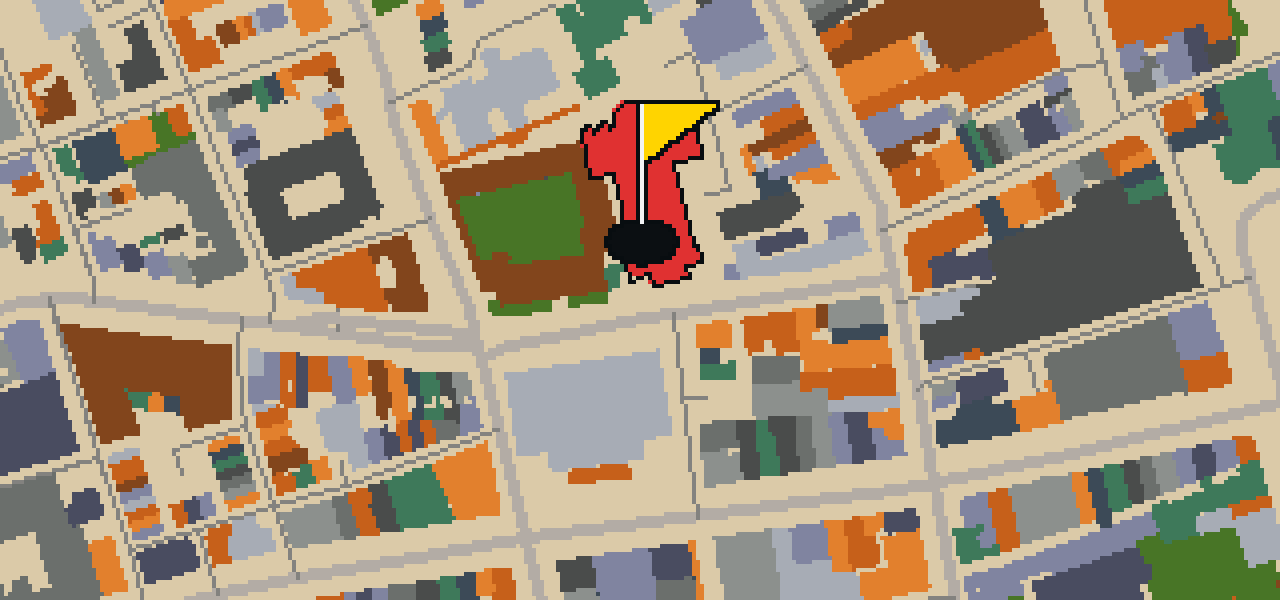
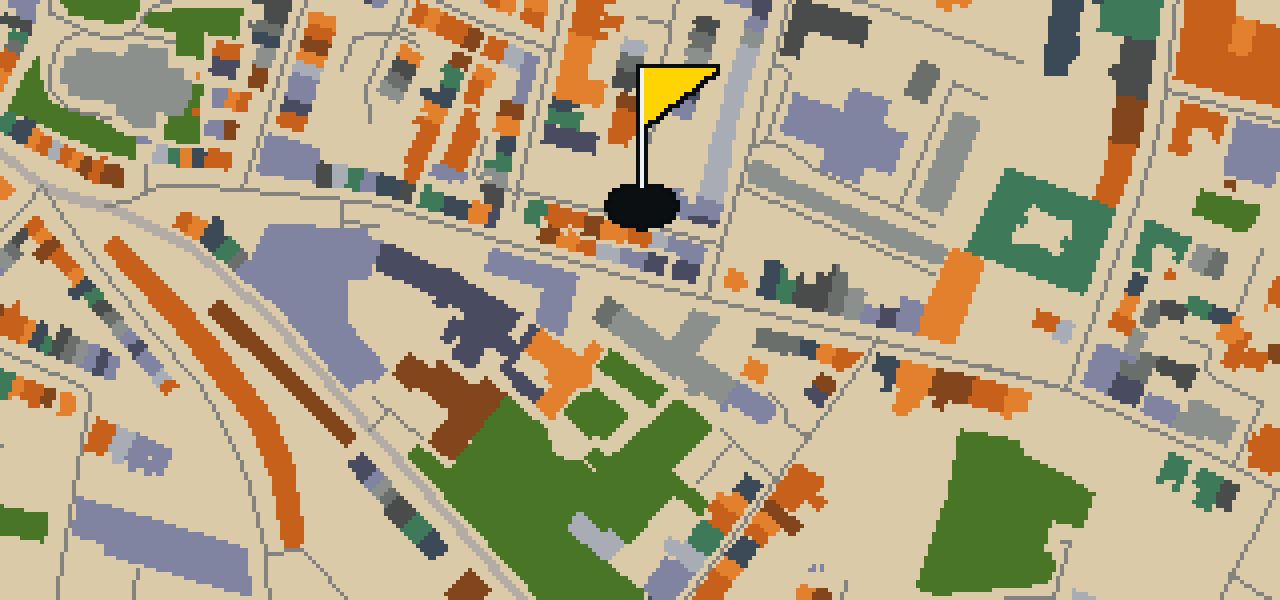
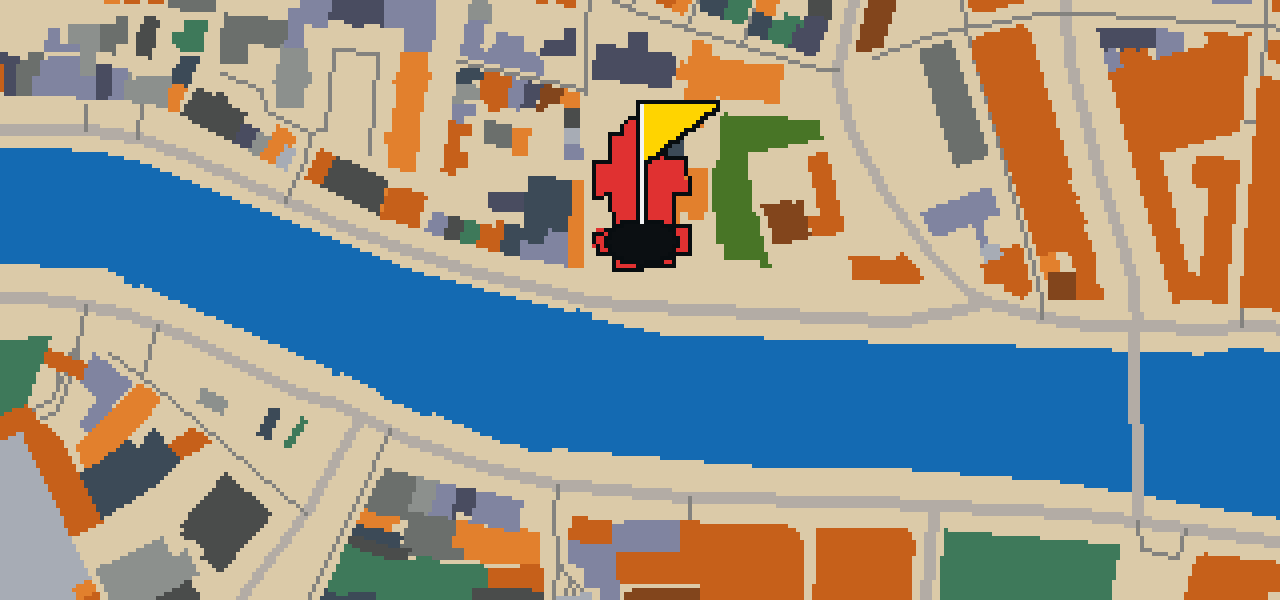
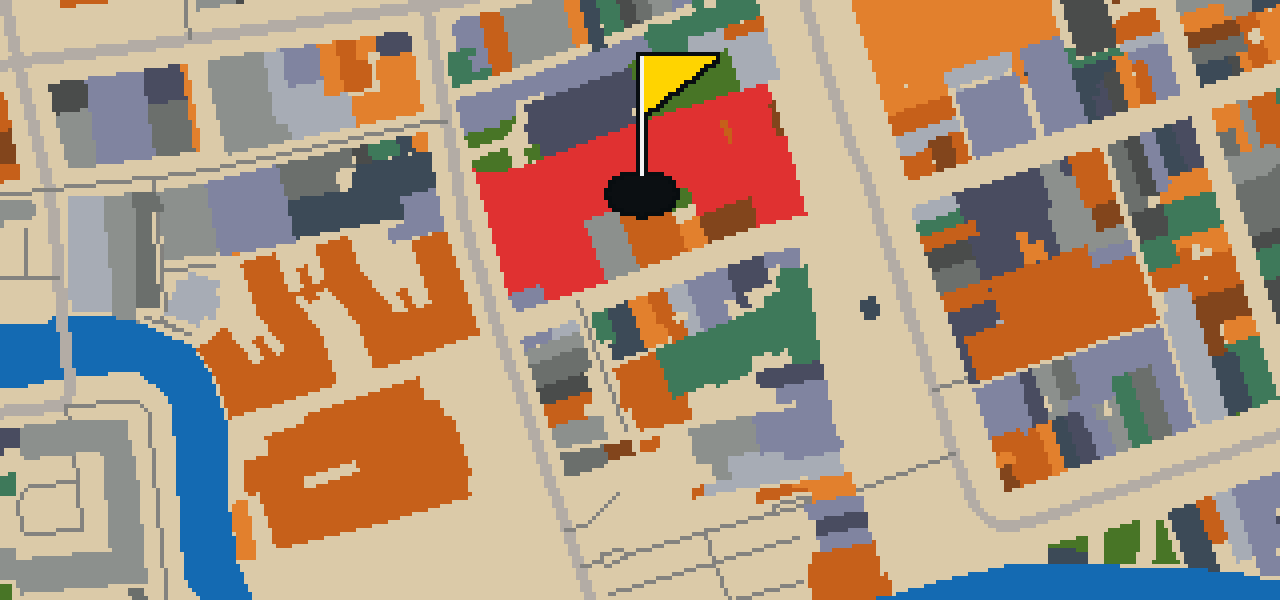
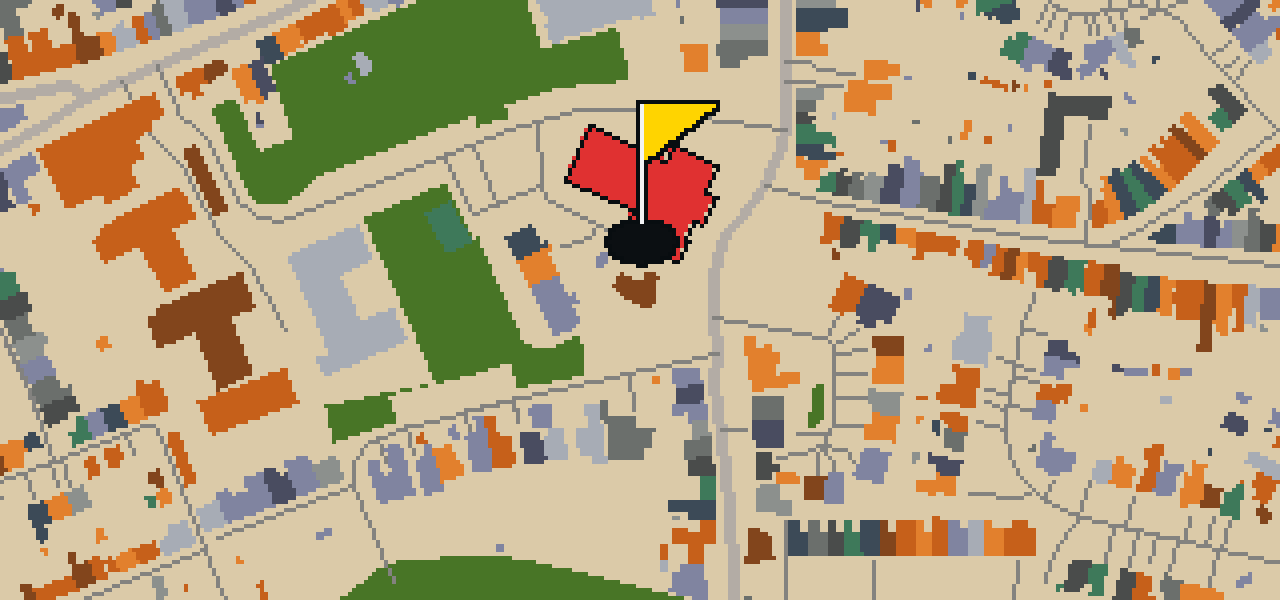
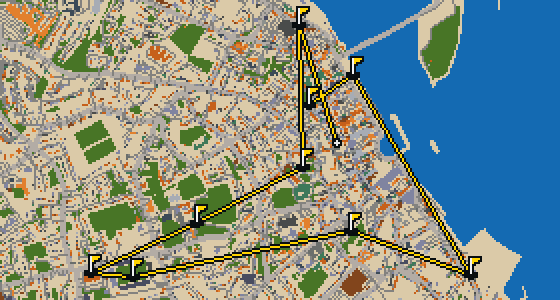
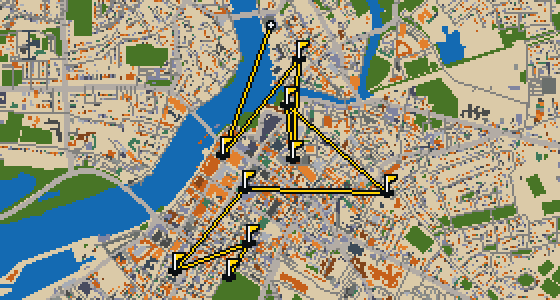
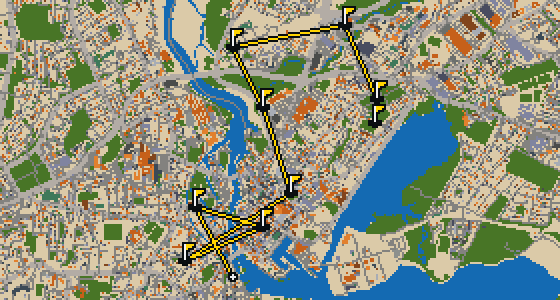
This is Cork, where the map is the actual city and the round is played on its real streets. The holes are built from local attractions, ending the day at the Immaculate Conception. It is a full round of 18 holes with a par of 56, covering a walk of 11.2 km. Skip knows these pavements well, though the ball uses 30 portals to skip across town. A few crumbs might fall, but the focus is the street.

Trouble loading? Open the game in its own tab.

HOW IT WORKS

01

Pick a city

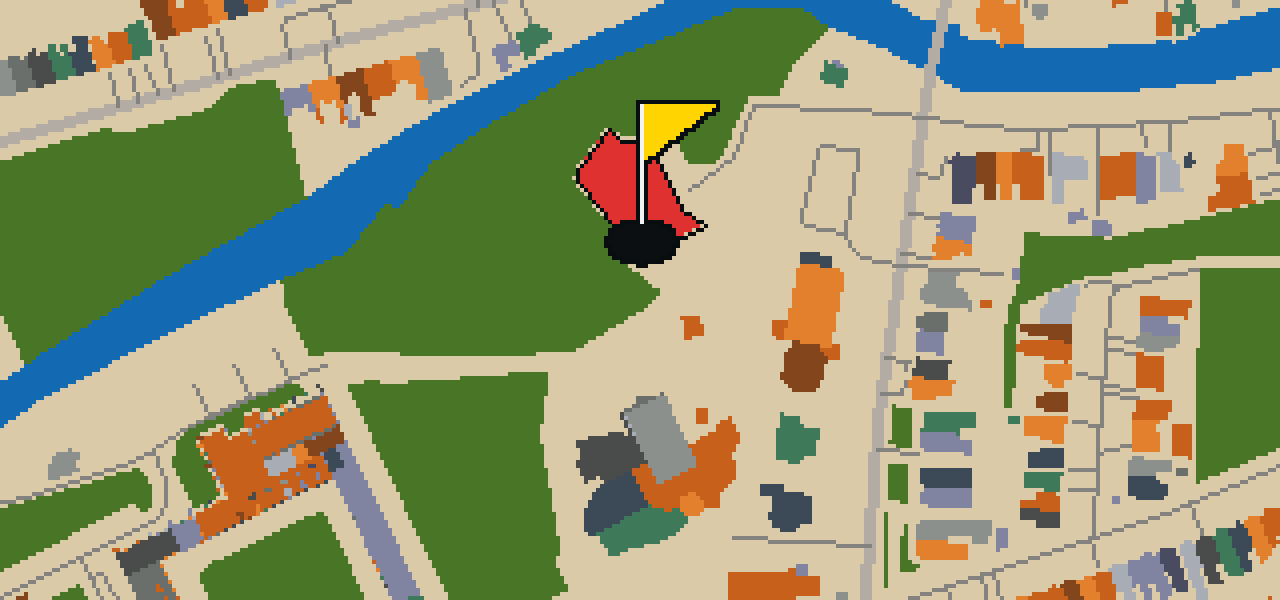
The course is drawn on the real street grid, so the map you play is the map you walk.

02

Putt to the pin

Drag to aim, release to swing. Buildings bounce and water costs you a stroke.

03

Sightsee between strokes

Every hole ends at an attraction. Sink the putt, read the story, walk to the next tee.

THE CORK ROUND - STOP BY STOP

HOLE 1 - PAR 3

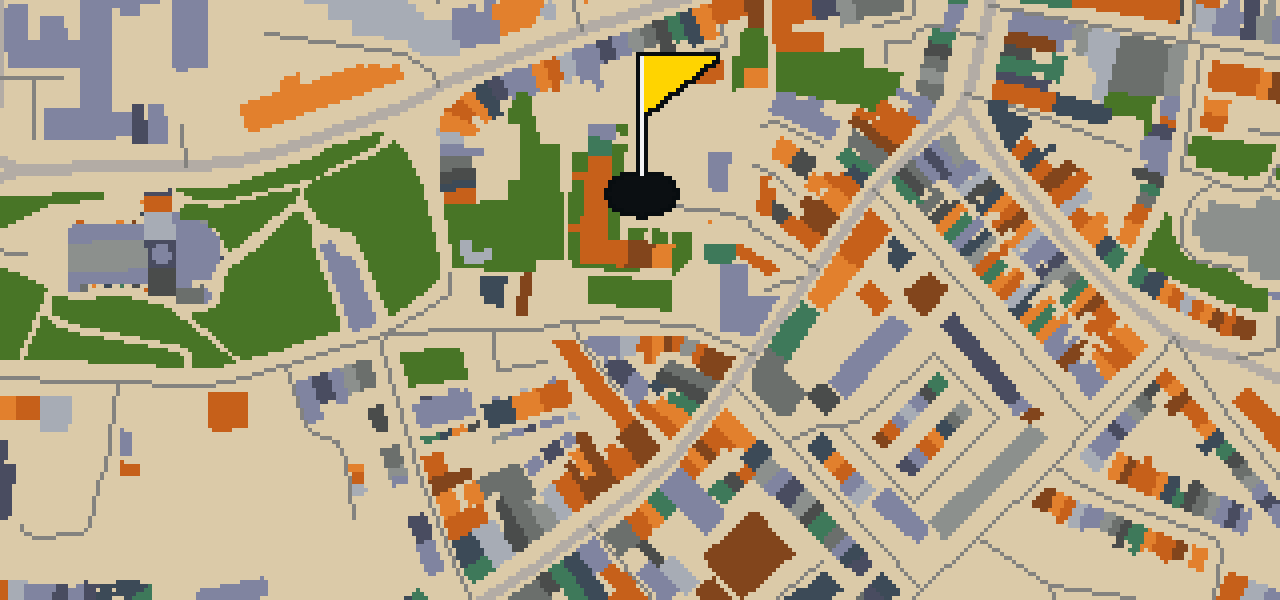
Saint Fin Barre's Cathedral

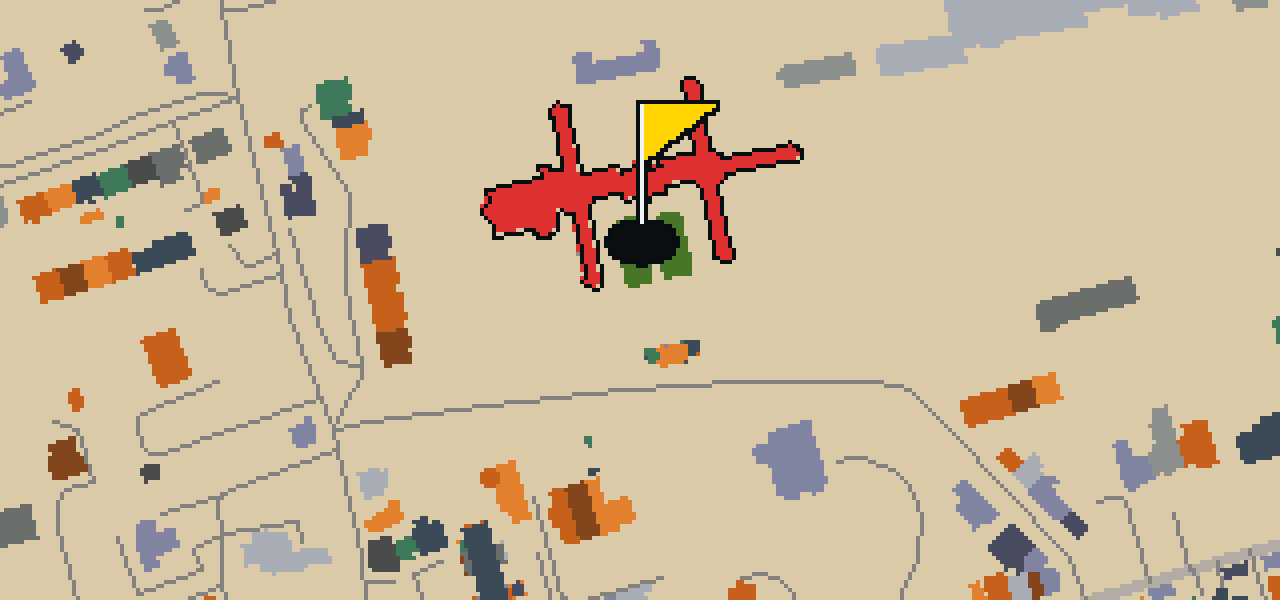
You will first notice the three spires of Saint Fin Barre's Cathedral, a Church of Ireland cathedral in Cork city. William Burges was the architect of the building, which is designed in the Gothic Revival style. The inception of the current cathedral was in 1865, but the site has a longer history. Christian use of the location dates back to the 7th-century AD, and the original building survived until the 12th century. Around 1536, the cathedral became part of the established church, and a previous building was constructed here in the 1730s.

Wikidata · Wikipedia

HOLE 2 - PAR 3

Glucksman Gallery

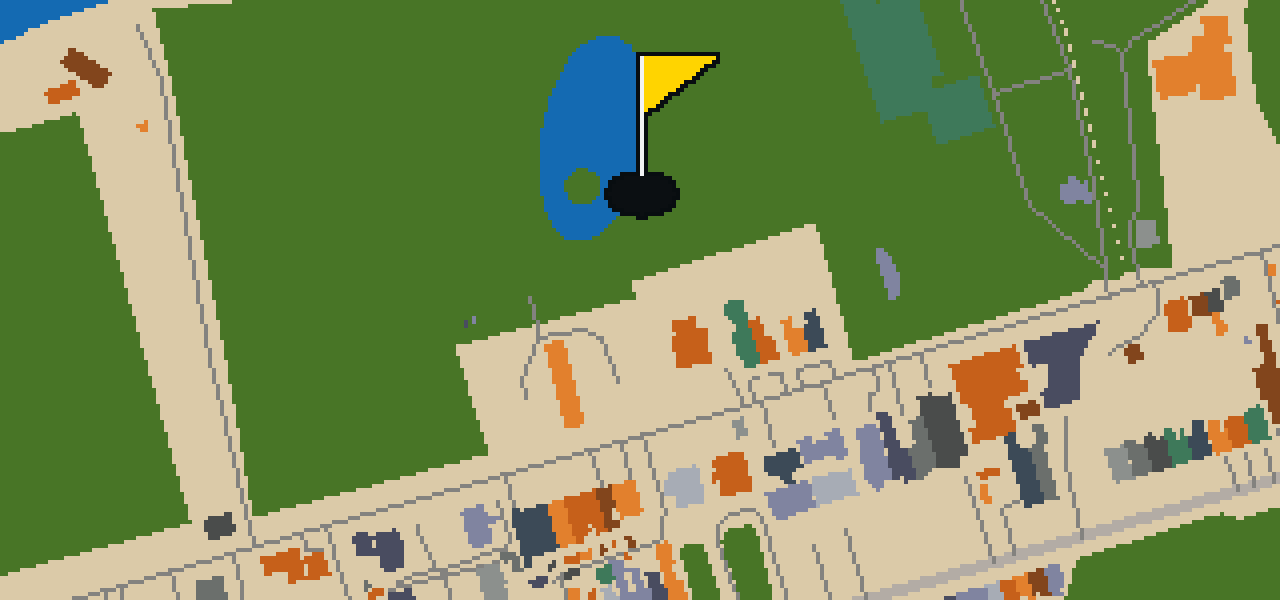
The Glucksman Gallery is an art museum located in Cork. You can find it on the grounds of University College Cork, Ireland. It is a place dedicated to the display of art, having been founded in 2004. When you visit, you might notice it was formerly known as the Lewis Glucksman Gallery. I have found that the campus surroundings make for a very pleasant walk before you head inside to see the exhibits. It is a great spot to clear your head before diving into the various displays the gallery has to offer.

Wikidata · Wikipedia

HOLE 3 - PAR 3

Cork City Gaol

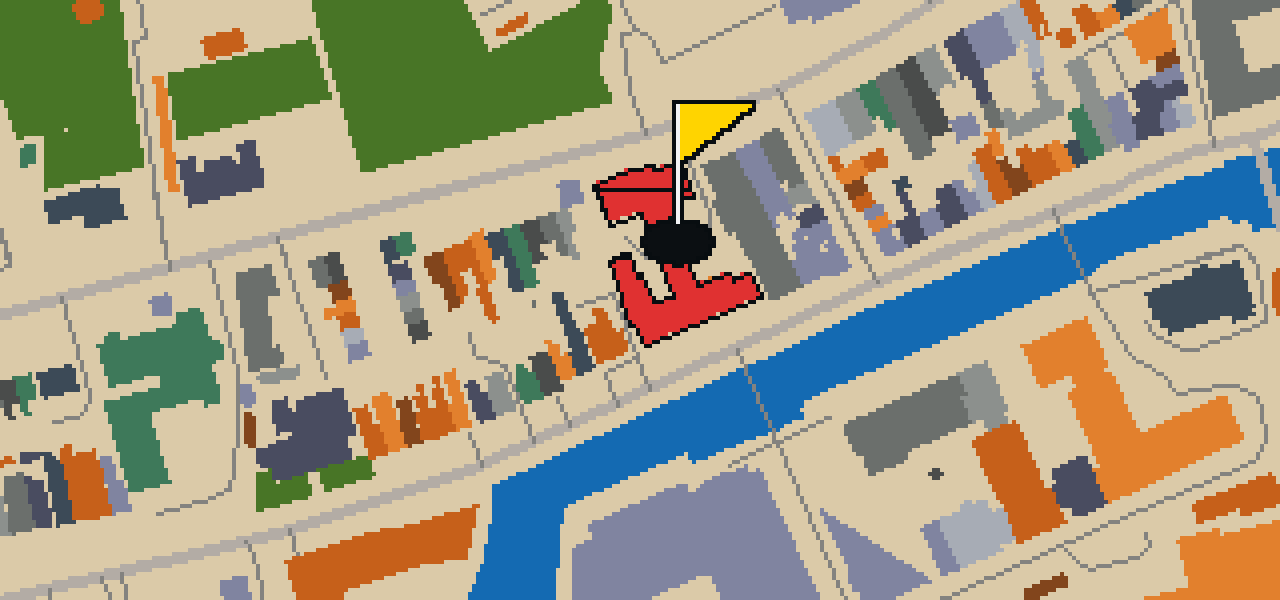
You might expect a typical museum, but this site began as a place of confinement. Cork City Gaol is a former prison located in Cork City, Ireland. Today, it has been repurposed as a museum where you can explore the history of the site. I've always found the atmosphere here quite heavy, even with the crowds. It is a stark reminder of the city's past, preserved for visitors to walk through today. Whether you are interested in the architecture or the stories, there is plenty to see within these old walls.

Wikidata · Wikipedia

HOLE 4 - PAR 3

Fitzgerald's Park

The Mardyke is where you will find Fitzgerald's Park, a public park that offers a bit of breathing room. It is located a short distance from Cork city centre, making it an easy trip for anyone visiting the area. While you are wandering through the greenery, you can find the Cork Public Museum located within the park grounds. It is also a short distance from University College Cork, so you will often see students passing through. I find it a great spot to stretch your legs before heading back into the bustle of the city.

Wikidata · Wikipedia

HOLE 5 - PAR 3

Granary Theatre

Let me show you the Granary Theatre. This location is a theatre building in the city of Cork. It is a spot where you can stop and take in the local architecture while you navigate the streets. I find it is a great place to pause and look around.

Wikidata

HOLE 6 - PAR 3

Elizabeth Fort

Let me show you Elizabeth Fort. This 17th-century star fort sits off Barrack Street in Cork, Ireland. It was originally built as a defensive fortification on high-ground outside the city walls. Over the years, the site has been used as a police station, prison, and military barracks. Since 2014, the fort has developed as a tourism heritage site, and the walls have been accessible to the public on a regular basis since September of that year. I find the star shape makes for a great view of the surroundings.

Wikidata · Wikipedia

HOLE 7 - PAR 3

Huguenot Graveyard

The weathered stones of this site mark the Huguenot Graveyard, a cemetery for the Huguenot inhabitants of Cork. Created between 1710 and 1733, it remains a significant piece of the city's history. It is believed to be one of the last two surviving Huguenot graveyards in western Europe. Because of its rarity and age, the site is recorded in the Record of Monuments and Places. Additionally, the cemetery is included in an Architectural Conservation Area designated by Cork City Council to protect the site's integrity.

Wikidata · Wikipedia

HOLE 8 - PAR 3

Terence MacSwiney Statue

Let me show you the Terence MacSwiney Statue. This sculpture is a prominent landmark in Cork and is a memorial to one of the city's most famous figures. It is a point of interest for those exploring the local history of the area. I have noticed that people often pause here during their walks through the city center to look up at the figure. It is a steady presence in the middle of the urban bustle, providing a moment of reflection for visitors and locals alike as they pass through this part of town.

Wikidata

HOLE 9 - PAR 3

Father Matthew

You will first notice the statue of Father Matthew. This monument had an inception in 1864 and is a prominent feature of the local scenery. When you look closer at the design, you can pick out the work of William Atkins, who was the architect of the piece. I usually find that visitors appreciate the scale of the statue against the backdrop of the street. It is a notable point of interest for anyone walking through this part of Cork, providing a glimpse into the city's artistic history through its stone and form.

Wikidata

HOLE 10 - PAR 3

The Butter Museum

You can see the history of butter production and sale in County Cork inside this museum. It is located in Cork city in Ireland and is housed in the former Cork Butter Market. This nonprofit organization had its inception in 1985. I find it a bit funny that a whole building is dedicated to something so creamy, but it is a great way to see how the local trade worked. It is the kind of place where you can really appreciate the specific heritage of the region while walking through the old market halls.

Wikidata · Wikipedia

HOLE 11 - PAR 3

Everyman Palace Theatre

Richard Henry Brunton was the architect behind the Everyman Palace Theatre, a Victorian theatre located on MacCurtain Street in Cork, Ireland. Founded and opened in 1897, it is the oldest purpose-built theatre building in the city. The venue operates as a nonprofit organization and features a 650-seat auditorium for its audiences. I've noticed the building has a certain presence that makes it very easy to spot while you are wandering through the neighborhood. It is a great example of the city's architectural history for anyone visiting the area.

Wikidata · Wikipedia

HOLE 15 - PAR 3

Saint Francis Church

Saint Francis Church is a church building located in Cork. It serves as a place of worship for the local community and visitors to the city. This building provides a space for prayer and reflection within the urban environment. As you move through the city, this church building stands as a site for spiritual practice and quiet contemplation for all who enter its doors.

Wikidata

HOLE 16 - PAR 4

Red Abbey Tower

You will first notice the distinct color of the Red Abbey Tower, which got its name from the reddish sandstone used in its construction. This 14th-century Augustinian abbey is now a set of ruins located in Cork, Ireland. While much of the site is gone, the central bell tower of the abbey church still stands. It is one of the last remaining visible structures dating to the medieval walled town of Cork. I always find it interesting how a single tower can hold so much of the city's old layout.

Wikidata · Wikipedia

HOLE 17 - PAR 3

Saint Mary's

Located at Pope's Quay in Cork, Ireland, Saint Mary's is a church building that serves as a local church. The site is known as Saint Mary's Dominican Church and Priory, and it is run by the Dominican Order. Beyond its role in the parish, the priory houses a community of Dominican friars who live and work on the grounds. It also functions as a novitiate for the Dominican Order, serving as a place of study and preparation for those who are joining the order. Visitors to the quay will find this center of faith and community at the heart of the city.

Wikidata · Wikipedia

HOLE 18 - PAR 4

Bishop Lucey Park

This isn't a hidden garden or a secluded escape, but a bustling public park in the heart of the city. Bishop Lucey Park is located between Grand Parade and South Main Street in the centre of Cork in Ireland. You can pick out why it is sometimes known locally as the "People's Park" just by watching the crowds. Because of this popularity, Cork City Council describes the area as one of the most widely used amenity spaces in the city centre. It is a great spot to pause and watch the city move around you.

Wikidata · Wikipedia

STOP 19

Immaculate Conception

Immaculate Conception is a church building. It is a site of significance in Cork that visitors often stop to observe while exploring the city.

Wikidata

OTHER COURSES

9 HOLES - PAR 27

Wexford

9 stops

Wexford is the setting for this round, where the map follows the real city and the ball rolls across its actual streets. The holes are built from local attractions like the National Opera House. This quick 9-hole round covers 5.4 km with a par of 27, using a couple of portals to bridge the gaps. Skip knows these pavements well, even the bits where the crumbs are best.

9 HOLES - PAR 24

Limerick

9 stops

Limerick is the setting for this round, played on the real streets of the city. The holes are built from actual attractions, beginning at King John's Castle. Skip knows these pavements well and acts as the local guide. This quick 9-hole round covers 4.4 km with a par of 24, using 2 portals to bridge the gaps.

9 HOLES - PAR 28

Galway

9 stops

Galway is the setting for this round, with the ball rolling across the actual streets of the city. Real attractions like Eyre Square provide the architecture for the holes. Skip knows every corner of these pavements, even the spots where the best crumbs land. This quick 9-hole round covers 5.8 km and uses 18 portals to move between different districts of the city.

18 HOLES - PAR 55

Dublin

18 stops

Banking a ball off the stone facades of Dublin makes for a full round of 18 holes. The map is the real city, and the play happens on the actual streets, where the real attractions like the Book of Kells are the holes. Skip knows every alley here and will act as the local guide. The walk covers 10.7 km, and the ball uses 42 portals to move between districts.

18 HOLES - PAR 56

Belfast

18 stops

Belfast is the setting for this full round of 18 holes. The map uses the real city and the ball rolls across its actual streets, with the holes built from real attractions like the Botanic Gardens. Skip is a local guide who knows every corner of this place, even the best spots for a stray crumb. The walk covers 11.3 km and uses 18 portals to bridge the gaps between the landmarks.

FAQ

Is it free to play?

Yes. Every course runs in the browser with no account and no install.

Do I need to be in the city?

No. The full round plays from anywhere. Walking the real route is a nice way to see the city, but it is not required.

Are the maps real?

Yes. The geometry comes from OpenStreetMap data, rendered chunky on purpose. Streets, water and parks sit where they really are.