
PÉCS - 9 HOLES - FREE

PÉCS
CITY MAP MINIGOLF

Pécs - 9 stops - par 31

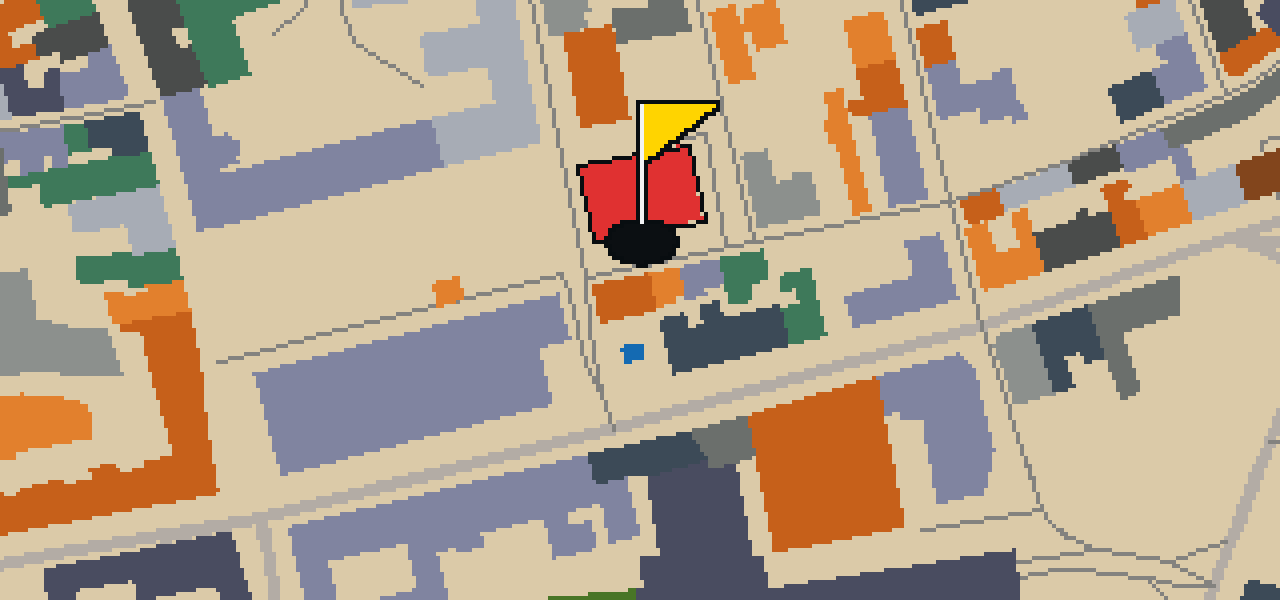
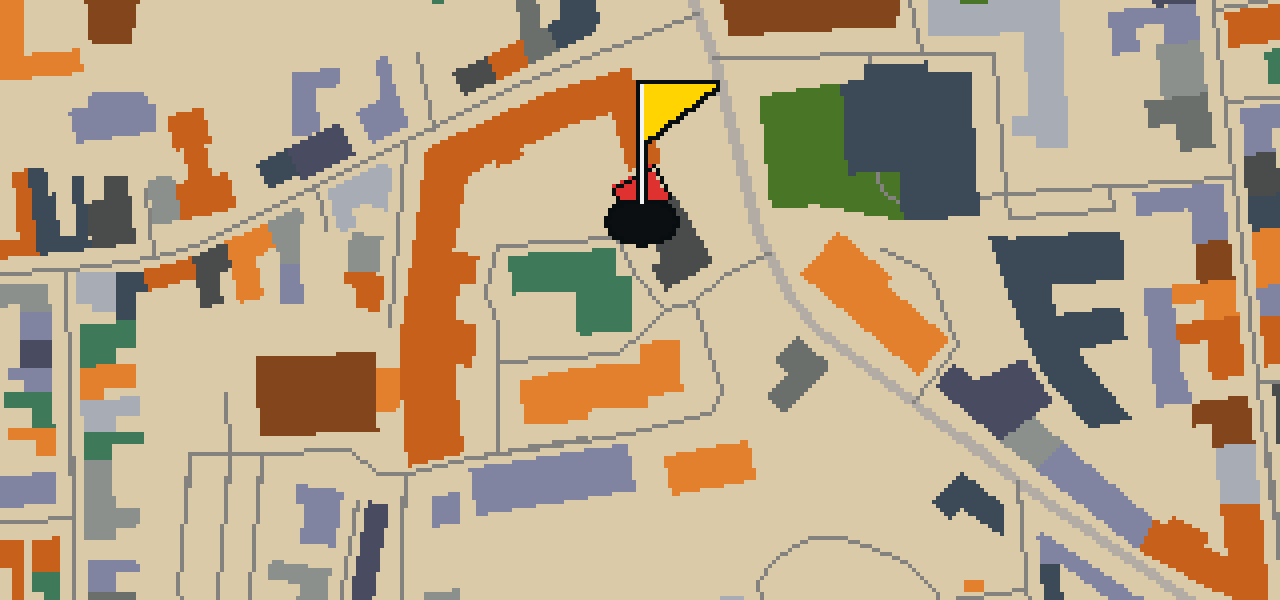
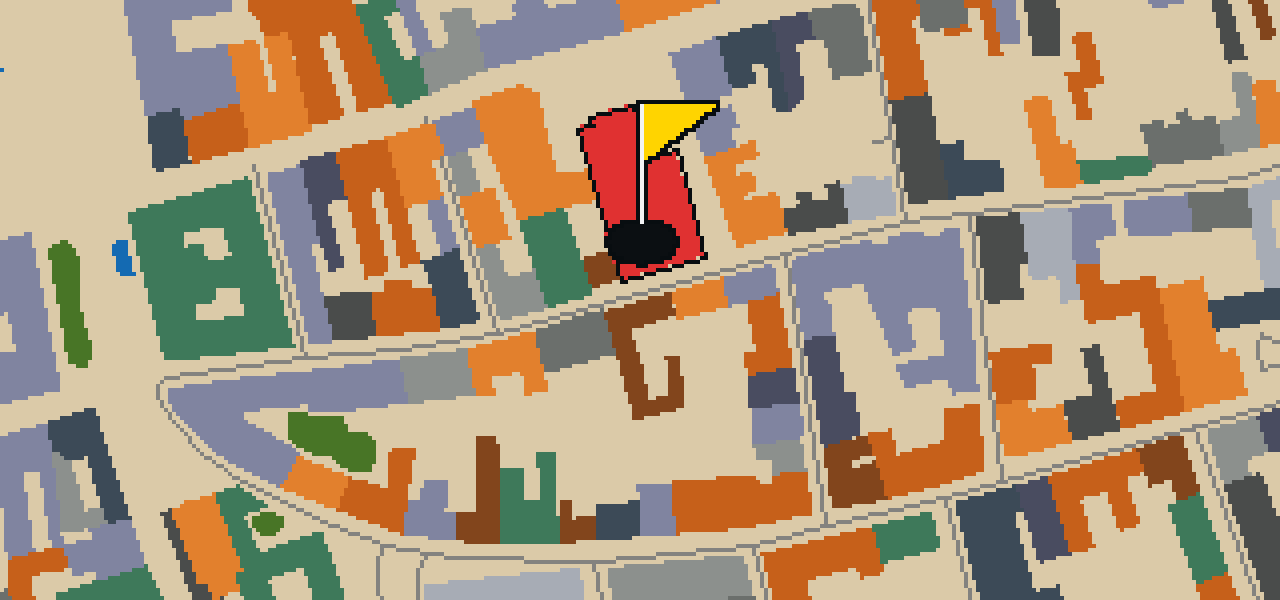
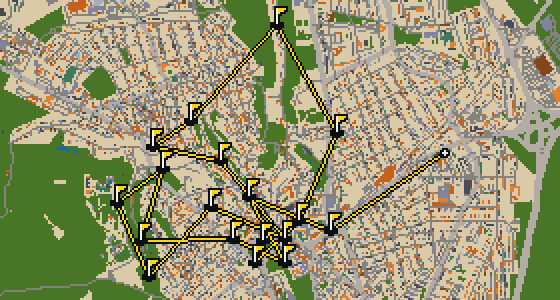
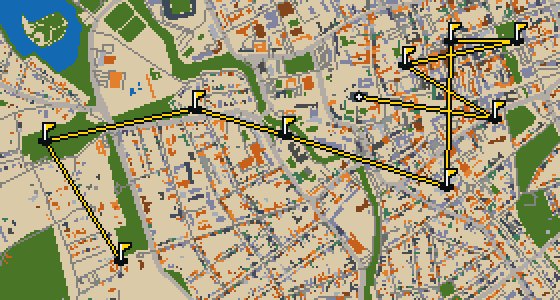
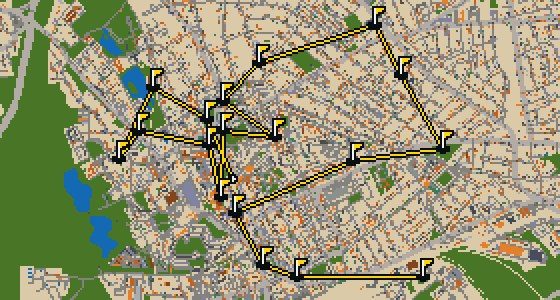
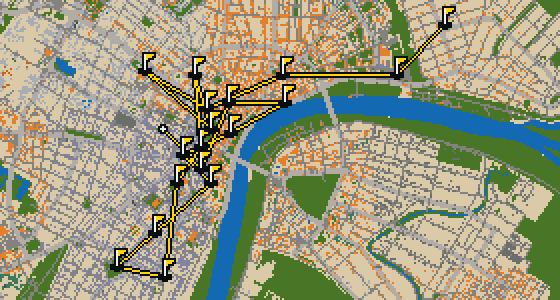
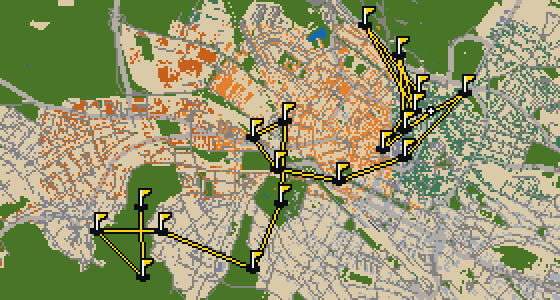
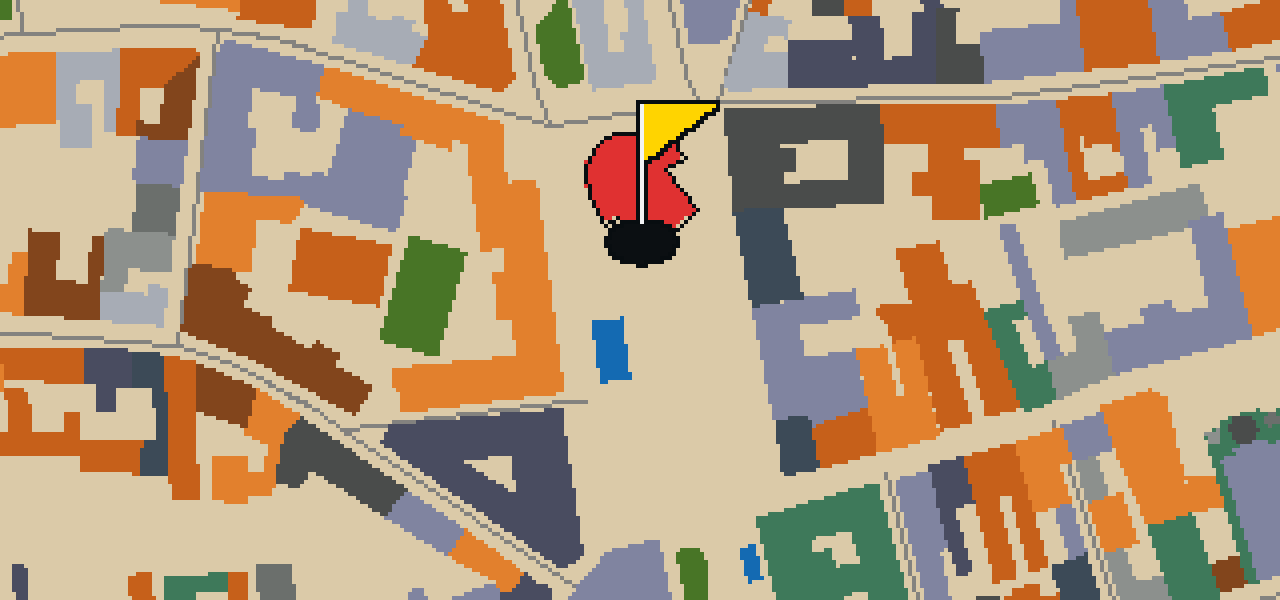
Pécs is the setting for this round, where the map is the real city and the ball rolls its actual streets. Real attractions like the Zsolnay Kulturális Negyed form the holes. A quick 9-hole round with a par of 31 covers 6.7 km, using 6 portals to skip across town. Skip knows every corner of these streets, provided there are no breadcrumbs to distract him.

Trouble loading? Open the game in its own tab.

HOW IT WORKS

01

Pick a city

The course is drawn on the real street grid, so the map you play is the map you walk.

02

Putt to the pin

Drag to aim, release to swing. Buildings bounce and water costs you a stroke.

03

Sightsee between strokes

Every hole ends at an attraction. Sink the putt, read the story, walk to the next tee.

THE PÉCS ROUND - STOP BY STOP

HOLE 1 - PAR 3

Gyertyaszentelő Boldogasszony-templom

The building is a hundred steps in length and in width. This Catholic church in Pécs, Hungary, is a historic site and an instance of Ottoman architecture. It was originally built as a mosque between 1543 and 1546 by Pasha Qasim the Victorious. The structure reflects a shift in the city's history, as the mosque was converted into a church in 1702. Later, in 1766, the Jesuits destroyed the minaret. Today, it is known as the Downtown Candlemas Church of the Blessed Virgin Mary. Visitors can see how the original Ottoman design remains part of the building's current form as a Catholic place of worship, marking the transition from the 16th century to the present day.


Wikidata · Wikipedia

HOLE 2 - PAR 4

Várostörténeti Múzeum

You might expect a grand palace or an ancient ruin, but the Várostörténeti Múzeum is actually a museum. It focuses on the local history of Pécs, providing a dedicated space to explore how the city developed over time. The institution was founded in 1985. I've noticed that visitors often appreciate the shift in pace here compared to the busier streets outside. Whether you are a history enthusiast or just passing through, it is a useful stop for understanding the local identity. Let me show you around the exhibits so you can see the specific eras that shaped this place. It is the kind of spot where you can really slow down and get a feel for the city's unique character before heading back out into the sun.

Wikidata

HOLE 3 - PAR 3

Csontváry Múzeum

Located within the city of Pécs, you will find the Csontváry Múzeum. It is an art museum that provides a dedicated space for visitors to engage with creative works. Whether you are strolling through the neighborhood or following the course, this museum is a key stop for anyone interested in the local art scene. I find the atmosphere here quite calming compared to the busier streets nearby. When you arrive, take a moment to look at the building and how it fits into the surrounding area. It is a place where the city's passion for art is on full display. I always enjoy watching the people drift in and out of the entrance, each looking for a different kind of inspiration. It is a wonderful spot to pause and reset your focus before you continue your journey through the streets of Pécs.

Wikidata

HOLE 4 - PAR 3

Pécsi zsinagóga

Pécsi zsinagóga is a synagogue. Construction of this building was started in 1865. It is an example of the Romanticism style. The architecture of the site is attributed to three individuals: Frigyes Feszl, Károly Gerster, and Lipót Kauser. This place is a significant part of the city's layout and provides a clear look at the architectural preferences of the era in which it was built. Visitors can observe the specific details of the Romanticism style in the facade and structure. The combined work of Feszl, Gerster, and Kauser resulted in the building that stands today. It remains a place of historical and architectural interest for anyone visiting the area, whether they are playing a game or simply exploring the streets of Pécs.

Wikidata

HOLE 5 - PAR 3

Pécsi Szent Péter és Szent Pál Székesegyház

Pécsi Szent Péter és Szent Pál Székesegyház is a Catholic church building located in the city of Pécs, Hungary. The inception of this cathedral was in 1882, and it was designed by the architect Friedrich von Schmidt. You can pick out the details of the Romanesque Revival architecture style used throughout the structure. This site is a minor basilica and a parish church. It also serves as the cathedral of the Diocese of Pécs. Visitors can appreciate the scale of the building and the specific architectural choices made by Schmidt during its development. The site remains a central point of faith and history within the city, reflecting its status as both a cathedral and a minor basilica for the local community.

Wikidata · Wikipedia

HOLE 6 - PAR 4

Jakováli Hasszán pasa dzsámija

The Yakovalı Hasan Paşa Mosque is a mosque and museum located in Pécs, southern Hungary. This early 17th-century building was commissioned by Yakovalı Hasan Paşa and is built in the Ottoman architecture style. The site is significant because it continues to be active as a Muslim place of worship, maintaining its original religious purpose. In addition to its role as a place of prayer, the building is an instance of a museum. It houses an exhibition centre specifically dedicated to Turkish handicraft and historical artifacts. By combining these functions, the site preserves both the spiritual traditions and the material history of the Ottoman period in Hungary, providing a direct look at the architecture and culture of the early 17th century.

Wikidata · Wikipedia

HOLE 7 - PAR 4

MÁV 22 gőzmozdony

HOLE 8 - PAR 3

Pécsi Nemzeti Színház

Located in the heart of the city, you will find the National Theatre of Pécs. It is the main theatre of Pécs, Hungary, and stands as a prominent theatre building for the community. When you look at the exterior, you are seeing the work of the architect Adolf Láng. Work on the structure was started in 1895. I usually find the area around the entrance to be a great spot for people-watching while the crowds gather for a show. Whether you are a fan of the performing arts or just admiring the local architecture, this site is a key landmark of the city's cultural life. It is a place that defines the artistic spirit of the region for everyone who visits.

Wikidata · Wikipedia

HOLE 9 - PAR 4

Szent Ágoston-templom

The facade of Szent Ágoston-templom leads you into a Catholic church building. This site is a significant point of interest in Pécs, maintaining its presence in the city center. The building had its inception in 1712, making it a long-standing piece of the local architecture. Visitors can observe the structure's design and its role as a place of worship. As you walk through the area, you can see how the building fits into the surrounding streets. It is a place of quiet reflection and history within the city. The structure continues to serve its purpose as a Catholic church building for the community. Whether you are interested in the history of the region or simply appreciate the architecture of the area, this site provides a direct link to the city's past.

Wikidata

STOP 10

Zsolnay Kulturális Negyed

Let me show you Zsolnay Kulturális Negyed. This site is a cultural center and a neighborhood in Pécs. It is a place where the city's creative energy gathers, and you can pick out the distinct atmosphere of the area as you walk through. Whether you are visiting for the exhibitions or just wandering the streets, it is a central part of the local experience. I've noticed that the layout makes it easy to spend a few hours just soaking in the surroundings.

Wikidata

OTHER COURSES

18 HOLES - PAR 53

Veszprém

18 stops

Banking a ball off the limestone facades of Veszprém feels like playing a game of geometry with history. The map is the real city and the round is played on its real streets, where attractions like the Tűztorony are what the holes are built from. This is a full round of 18 holes with a par of 53, covering a walk of 10.7 km. Skip is a local guide who knows these alleys well, even the ones where a stray feather might drift.

9 HOLES - PAR 25

Szombathely

9 stops

This is Szombathely, where the map is the real city and the round is played on its actual streets. The holes are built from real attractions, like the Sarlós Boldogasszony Székesegyház. Skip is a local guide who knows the place. This quick round of 9 holes has a par of 25 and a 4.6 km walk, with 2 portals to skip across town.

18 HOLES - PAR 56

Székesfehérvár

18 stops

Székesfehérvár is the setting for this round, where the map is the real city and the ball rolls along its actual streets. Real attractions, starting with the Romkert, are the foundations for the holes. Skip is a local guide who knows every corner of the place. This full round of 18 holes has a par of 56 and covers 11.9 km, using 6 portals to bridge the gaps between landmarks.

18 HOLES - PAR 57

Szeged

18 stops

Banking a ball off the ornate stone of the Gróf-palota requires a steady touch. This round takes place in Szeged, where the map is the real city and the game is played on its actual streets. The local attractions are the foundations for every hole. A full 18-hole round covers 12.4 km, using 16 portals to bridge the gaps. Skip knows every sidewalk here, even the ones where the crumbs are best.

18 HOLES - PAR 56

Sopron

18 stops

Sopron is the setting for this round, where the map is the real city and the ball rolls across its actual streets. The holes are built from real attractions, ending the journey at the Nádormagaslat (mérőtorony). A full 18-hole round covers 11.8 km and uses 2 portals to bridge the gaps. Skip is a local guide who knows every cobblestone, provided there are no crumbs to distract from the path.

FAQ

Is it free to play?

Yes. Every course runs in the browser with no account and no install.

Do I need to be in the city?

No. The full round plays from anywhere. Walking the real route is a nice way to see the city, but it is not required.

Are the maps real?

Yes. The geometry comes from OpenStreetMap data, rendered chunky on purpose. Streets, water and parks sit where they really are.