
MISKOLC - 9 HOLES - FREE

MISKOLC
CITY MAP MINIGOLF

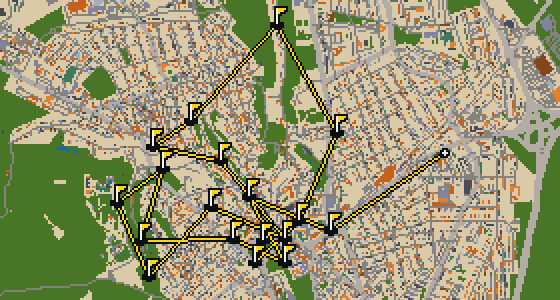
Miskolc - 9 stops - par 26

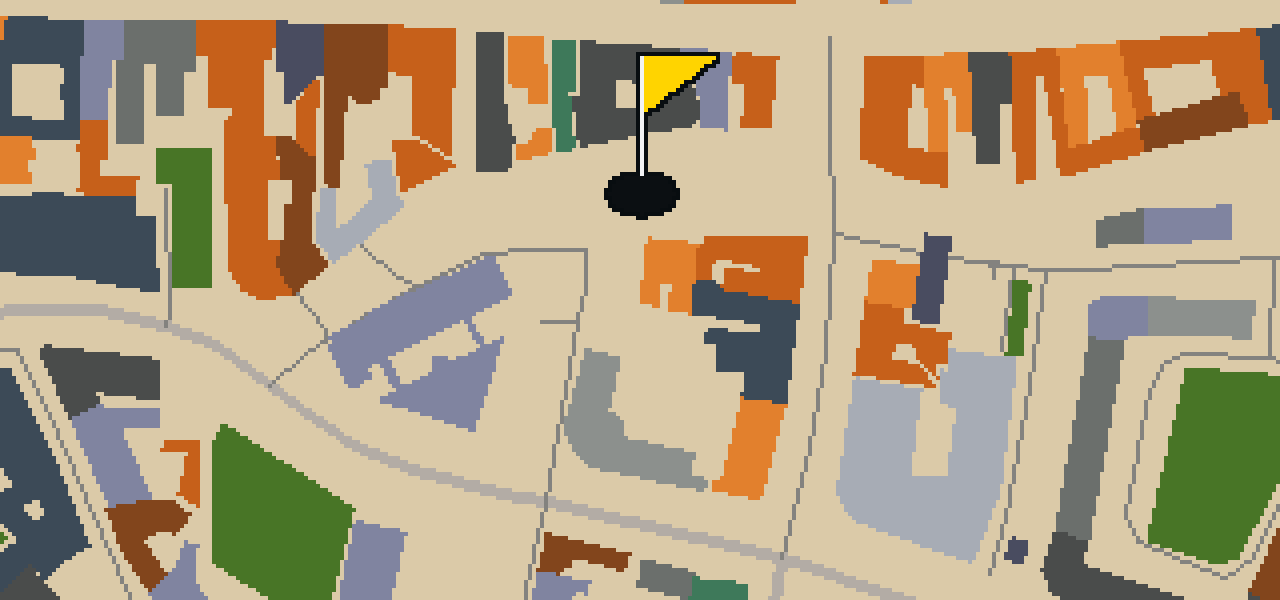
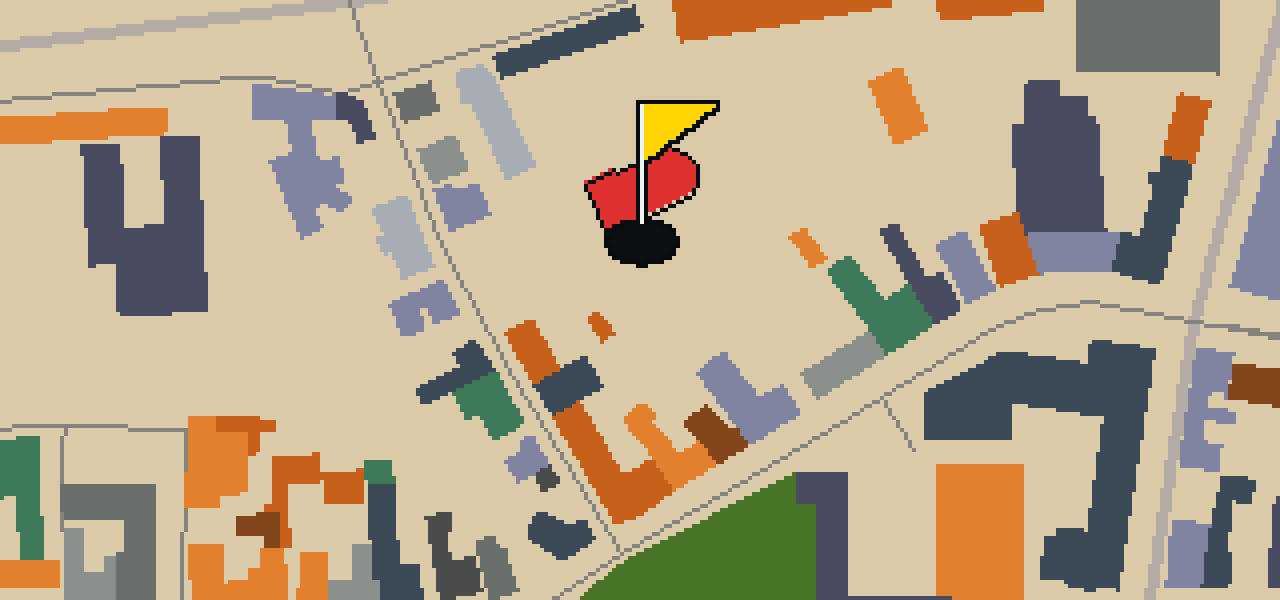
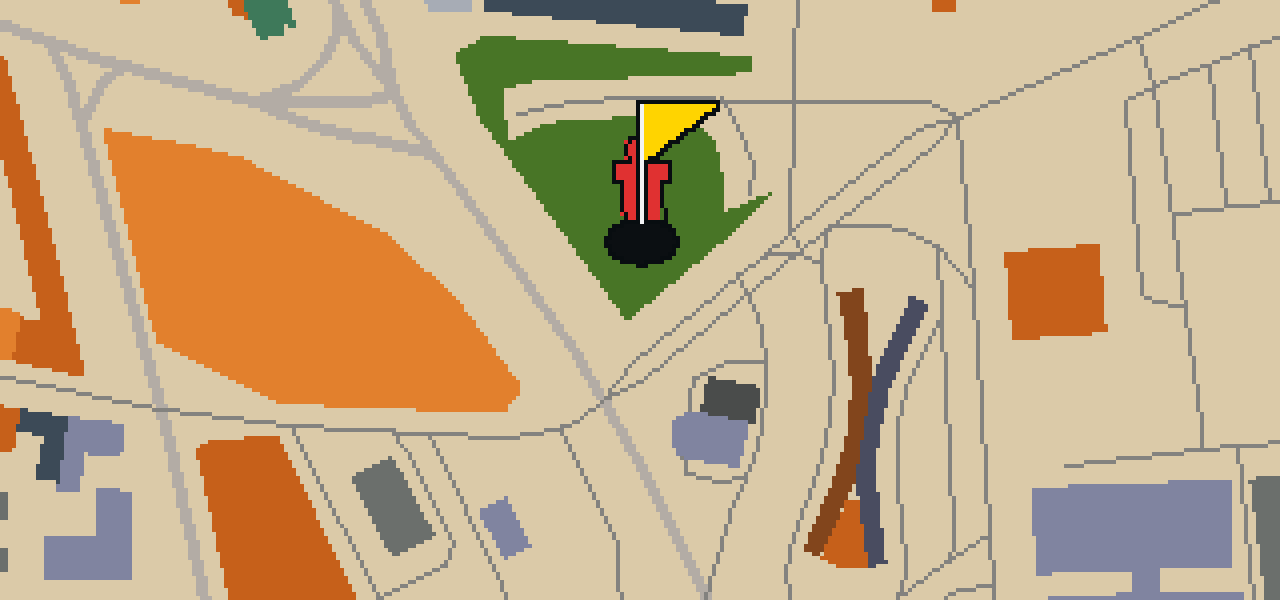
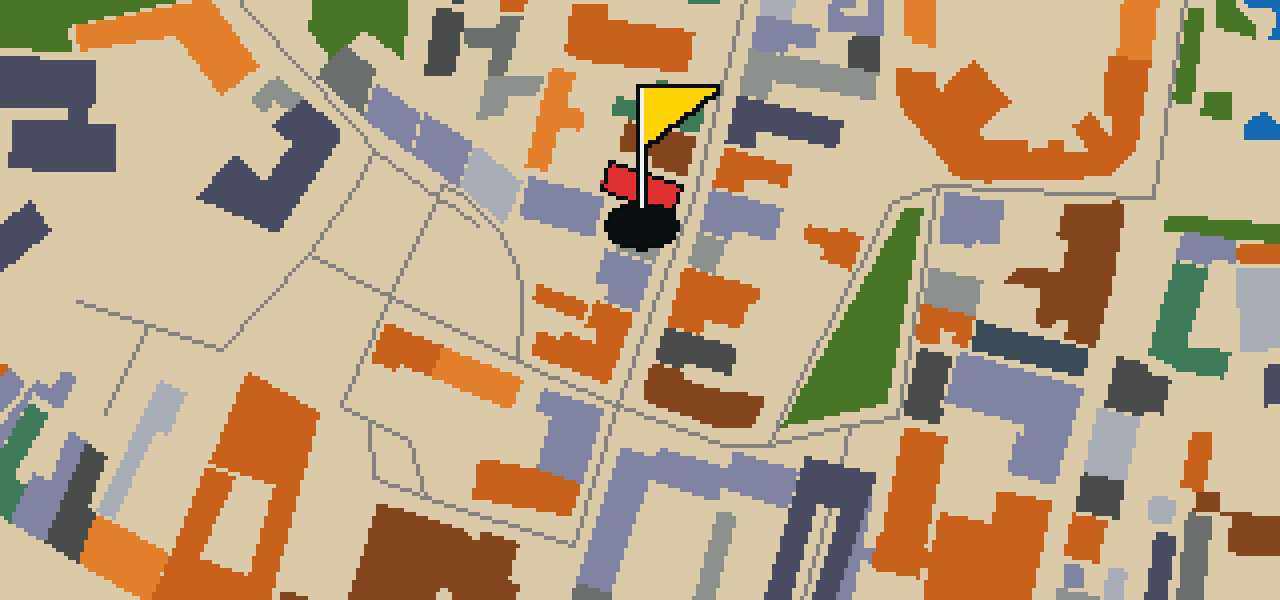
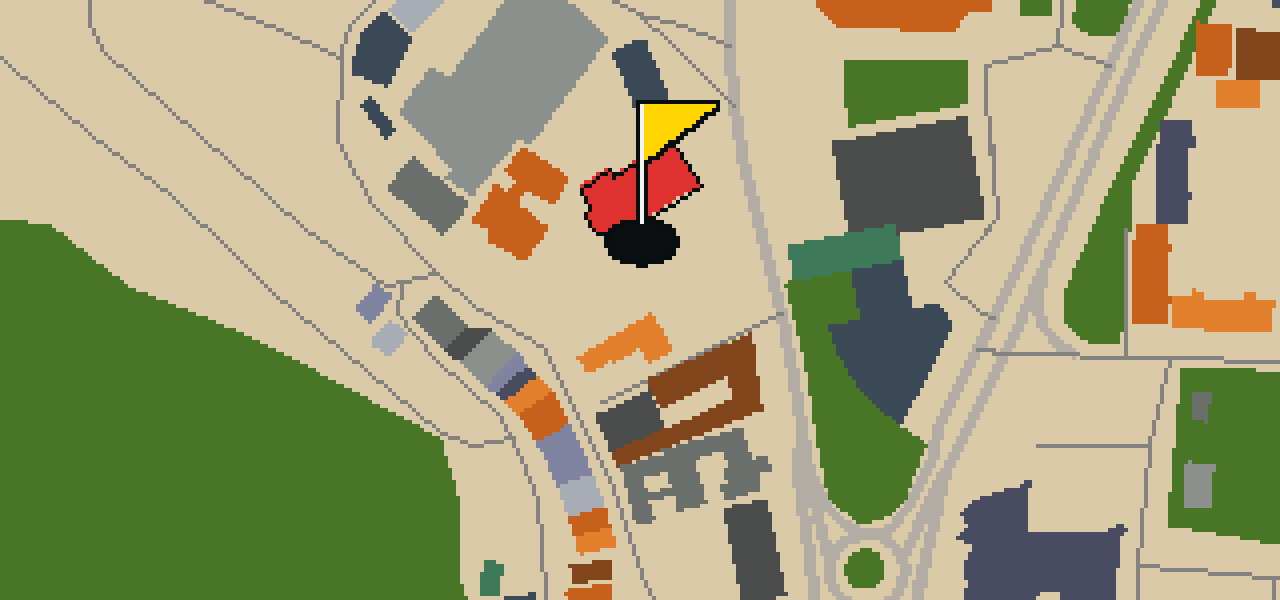
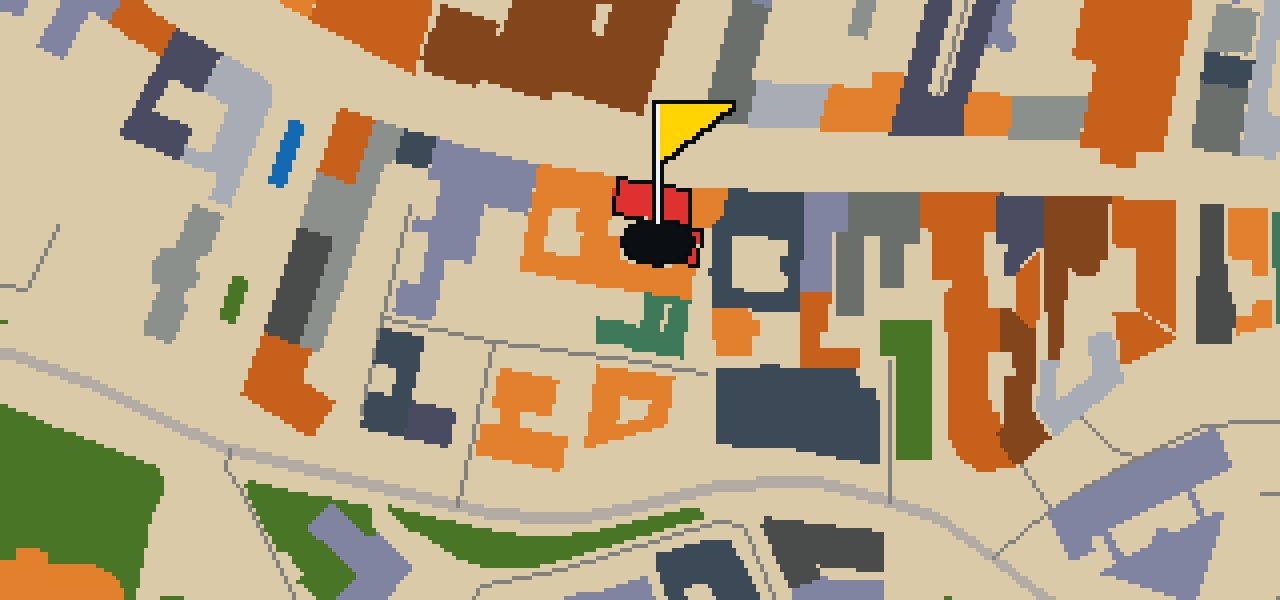
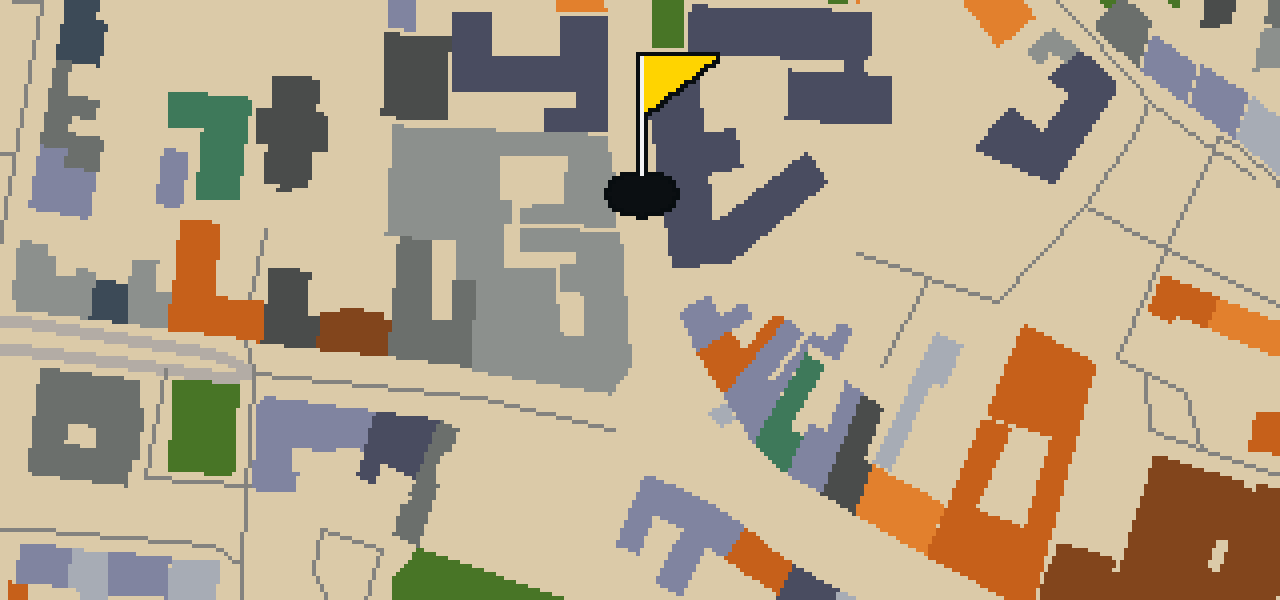
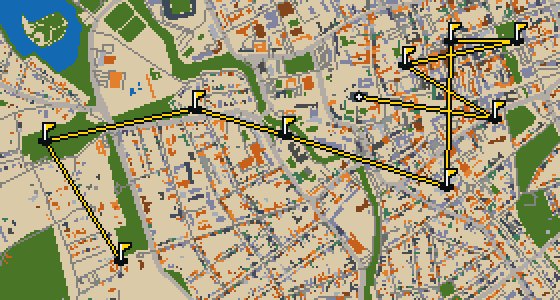
This is Miskolc. The map is the real city and the round is played on its real streets, using attractions like the J.K. Zsinagóga as the basis for the holes. Skip is a local guide who knows the place. It is a quick round of 9 holes with a par of 26, covering a 5.2 km walk and using 2 portals.

Trouble loading? Open the game in its own tab.

HOW IT WORKS

01

Pick a city

The course is drawn on the real street grid, so the map you play is the map you walk.

02

Putt to the pin

Drag to aim, release to swing. Buildings bounce and water costs you a stroke.

03

Sightsee between strokes

Every hole ends at an attraction. Sink the putt, read the story, walk to the next tee.

THE MISKOLC ROUND - STOP BY STOP

HOLE 1 - PAR 3

J.K. Zsinagóga

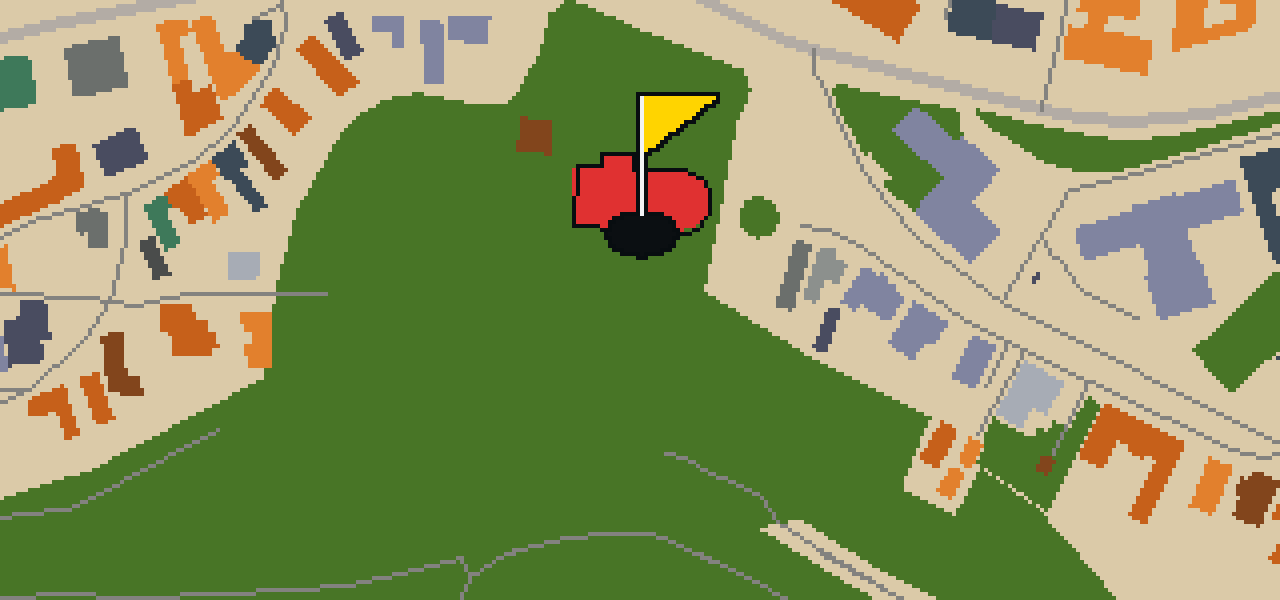
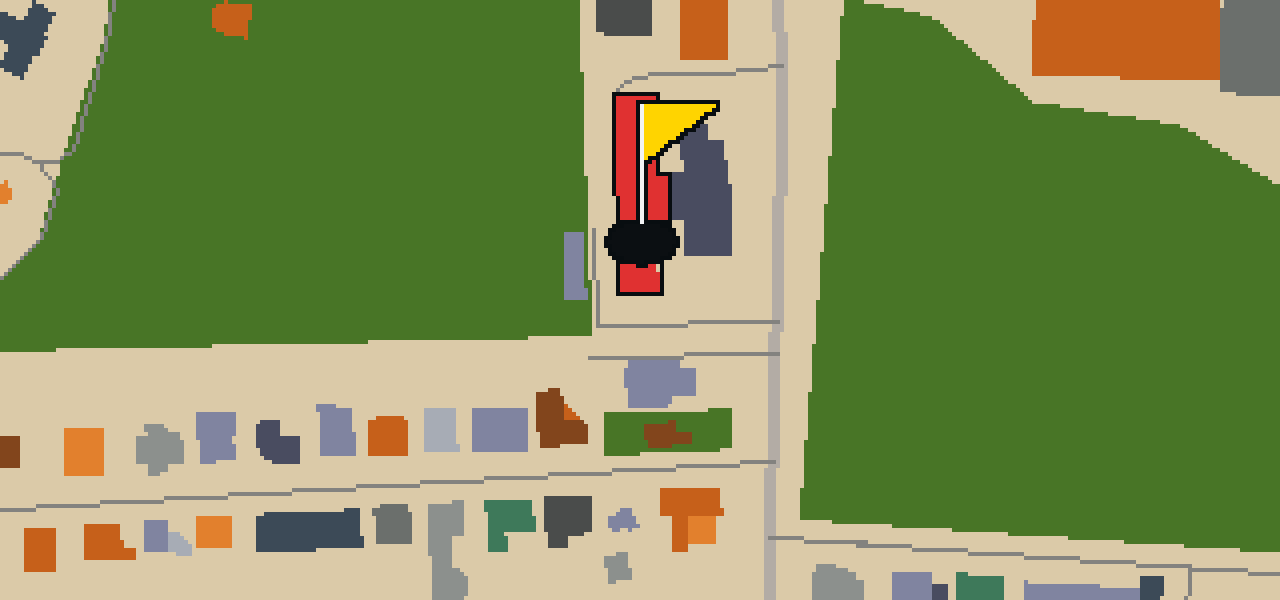
In the town of Miskolc, within the county of Borsod-Abaúj-Zemplén, Hungary, you will find the J.K. Zsinagóga. This building is an Orthodox Jewish congregation and synagogue. Construction on the site started in 1863, and Ludwig Förster served as the architect. The structure is designed in the Historicism style. It is a significant landmark for the region, as it is the only remaining synagogue in the Borsod-Abaúj-Zemplén county. You can also find it referred to as the Kazinczy Street Synagogue or the Great Synagogue of Miskolc. These different names reflect its identity within the city and the wider county. When you visit, you can notice the specific architectural details that define the Historicism style used by Förster during the construction of this house of worship.
Wikidata · Wikipedia

HOLE 2 - PAR 3

Avasi református templom

You will first notice the Gothic style of the Avasi református templom. This reformed Christianity church is the oldest building in the centre of Miskolc in Northern Hungary. It began as a small, Romanesque style church built in the 13th century before it was expanded into the larger Gothic structure you see today. The building has survived significant turmoil, including the Ottoman occupation of Hungary. During that period, the Turks set the church on fire in 1544. The structure was eventually rebuilt more than twenty years after 1544. In the history of the surrounding area, Borbála Fánchy was the Catholic owner of the Diósgyőr estate. These layers of history are visible in the architecture of the site, from its Romanesque origins to its later Gothic expansion.

Wikidata · Wikipedia

HOLE 3 - PAR 3

Herman Ottó Múzeum

You might expect a small local gallery, but the Herman Ottó Múzeum is actually the largest museum in Miskolc. Founded in 1899, this institution manages a massive collection of more than 600,000 artifacts. When you visit, you can pick out exhibits that focus on archaeology, mineralogy, arts, history, and ethnography. I always find it impressive how much variety is packed into one place. It is a great spot to spend an afternoon if you want to see the breadth of the region's heritage and natural history in one go. Whether you are interested in the depths of the earth or the evolution of local art, there is enough here to keep any visitor occupied for hours while exploring the halls of this historic Hungarian institution.

Wikidata · Wikipedia

HOLE 4 - PAR 3

Szinva terasz

Let me show you Szinva terasz, a square in Miskolc, Hungary. This space is built right next to the Szinva stream, which is a waterway that runs through the city. Because it is the newest public square in the Miskolc city centre, it offers a fresh place for people to gather and enjoy the outdoors. You can pick out where the urban architecture meets the water's edge, making it a relaxing point of interest for anyone visiting the heart of the city. I always find the sound of the flowing stream a nice break from the usual city noise, and it makes for a great spot to pause for a moment before moving on to the next landmark.

Wikidata · Wikipedia

HOLE 5 - PAR 3

Szentháromság Görögkeleti Ortodox Templom és Egyházi Múzeum

Wikidata · Wikipedia

HOLE 6 - PAR 3

Istenszülő elhunyta és mennybevétele-székesegyház

You might expect a cathedral in Miskolc to be an ancient stone relic, but the Assumption Cathedral is a work of premodern architecture. This Catholic church building represents a later era of design than many other regional landmarks. Work on the construction of the church began in 1902 and ended in 1912, though its inception was in 1911. It was later elevated to a cathedral in 1924. Visitors can see how the premodern style distinguishes the structure from the surrounding city streets. Because the construction timeline and its elevation to a cathedral happened across different decades, the building provides a specific look at the early twentieth century. It is a primary example of how premodern architecture was applied to religious spaces in this part of the country.

Wikidata · Wikipedia

HOLE 7 - PAR 3

Csodamalom Bábszínház

This building in Miskolc houses the Csodamalom Bábszínház, which operates as both a theatre building and a puppetry company. It is a dedicated space for puppet theater, where the company keeps a wide variety of 50 plays in its repertoire. The organization has a long history of growth in the city; it was formed by puppeteer Tibor Korzsény in 1986 as an amateur company. After being semi-official since 1988, the theater became official in 1992. Visitors can find a rotating selection of performances here, as the company typically premiers two or three shows per year. I've always found that the energy of a puppet theater brings a different kind of magic to the street.

Wikidata · Wikipedia

HOLE 8 - PAR 3

Szent Péter és Pál apostol templom

You might see the name Mindszent church used in colloquial speech, but this is actually the officially named St. Peter and Paul Church. It is a Roman Catholic parish church located in the centre of Miskolc, Hungary. Built in Baroque style, the construction of the church took place between 1724 and 1880. This site is a significant presence in the city center, providing a look at the Baroque architecture that defines the building's exterior and interior. Visitors can observe the details of the Baroque style throughout the structure, which serves as a prominent landmark in the heart of the city. The church remains an active place of worship for the community in Miskolc, maintaining its role as a parish church since the construction period that ended in 1880.

Wikidata · Wikipedia

STOP 10

Városház tér

Look at the wide paving under your feet before looking up at the surrounding views. You are standing in Városház tér, which is a square. It is a central point of the city where the streets converge, making it a useful spot to get your bearings. I often see people gathering here to enjoy the open air. Whether you are passing through on your way to another landmark or just stopping for a moment, the layout of the square provides a clear sense of the local urban design. It is a simple, open space that lets the architecture of the surrounding area breathe.

Wikidata

OTHER COURSES

18 HOLES - PAR 53

Veszprém

18 stops

Banking a ball off the limestone facades of Veszprém feels like playing a game of geometry with history. The map is the real city and the round is played on its real streets, where attractions like the Tűztorony are what the holes are built from. This is a full round of 18 holes with a par of 53, covering a walk of 10.7 km. Skip is a local guide who knows these alleys well, even the ones where a stray feather might drift.

9 HOLES - PAR 25

Szombathely

9 stops

This is Szombathely, where the map is the real city and the round is played on its actual streets. The holes are built from real attractions, like the Sarlós Boldogasszony Székesegyház. Skip is a local guide who knows the place. This quick round of 9 holes has a par of 25 and a 4.6 km walk, with 2 portals to skip across town.

18 HOLES - PAR 56

Székesfehérvár

18 stops

Székesfehérvár is the setting for this round, where the map is the real city and the ball rolls along its actual streets. Real attractions, starting with the Romkert, are the foundations for the holes. Skip is a local guide who knows every corner of the place. This full round of 18 holes has a par of 56 and covers 11.9 km, using 6 portals to bridge the gaps between landmarks.

18 HOLES - PAR 57

Szeged

18 stops

Banking a ball off the ornate stone of the Gróf-palota requires a steady touch. This round takes place in Szeged, where the map is the real city and the game is played on its actual streets. The local attractions are the foundations for every hole. A full 18-hole round covers 12.4 km, using 16 portals to bridge the gaps. Skip knows every sidewalk here, even the ones where the crumbs are best.

18 HOLES - PAR 56

Sopron

18 stops

Sopron is the setting for this round, where the map is the real city and the ball rolls across its actual streets. The holes are built from real attractions, ending the journey at the Nádormagaslat (mérőtorony). A full 18-hole round covers 11.8 km and uses 2 portals to bridge the gaps. Skip is a local guide who knows every cobblestone, provided there are no crumbs to distract from the path.

FAQ

Is it free to play?

Yes. Every course runs in the browser with no account and no install.

Do I need to be in the city?

No. The full round plays from anywhere. Walking the real route is a nice way to see the city, but it is not required.

Are the maps real?

Yes. The geometry comes from OpenStreetMap data, rendered chunky on purpose. Streets, water and parks sit where they really are.