
DEBRECEN - 9 HOLES - FREE

DEBRECEN
CITY MAP MINIGOLF

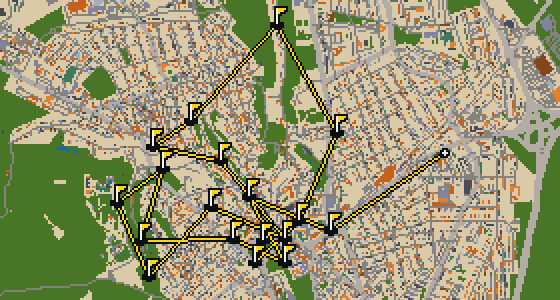
Debrecen - 9 stops - par 28

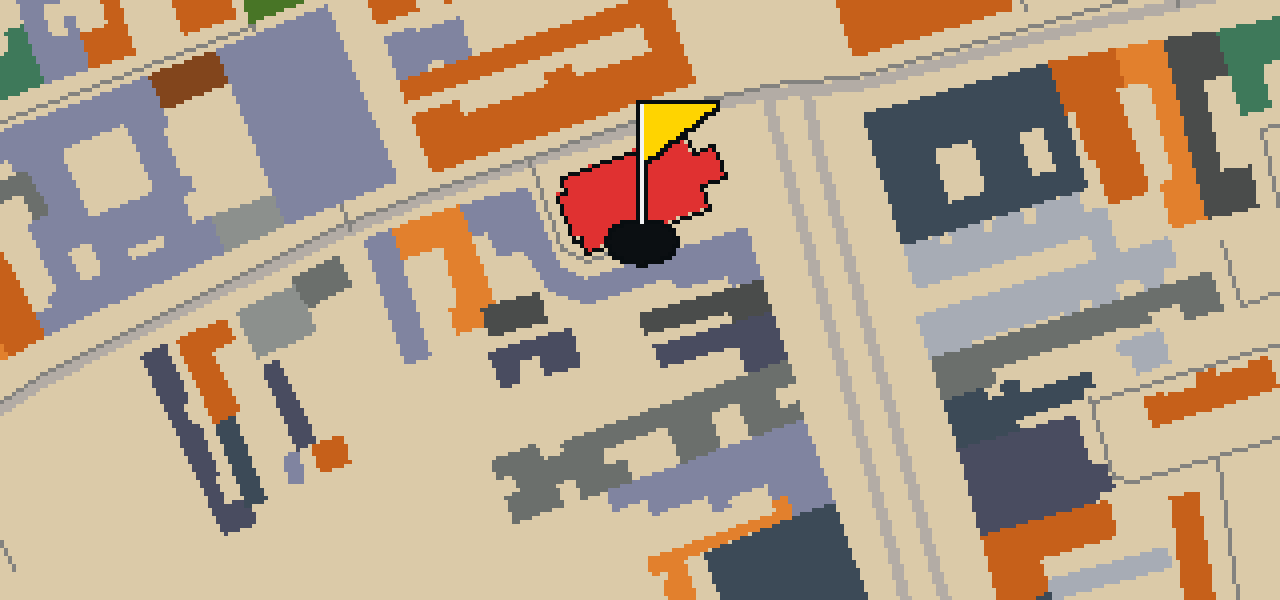
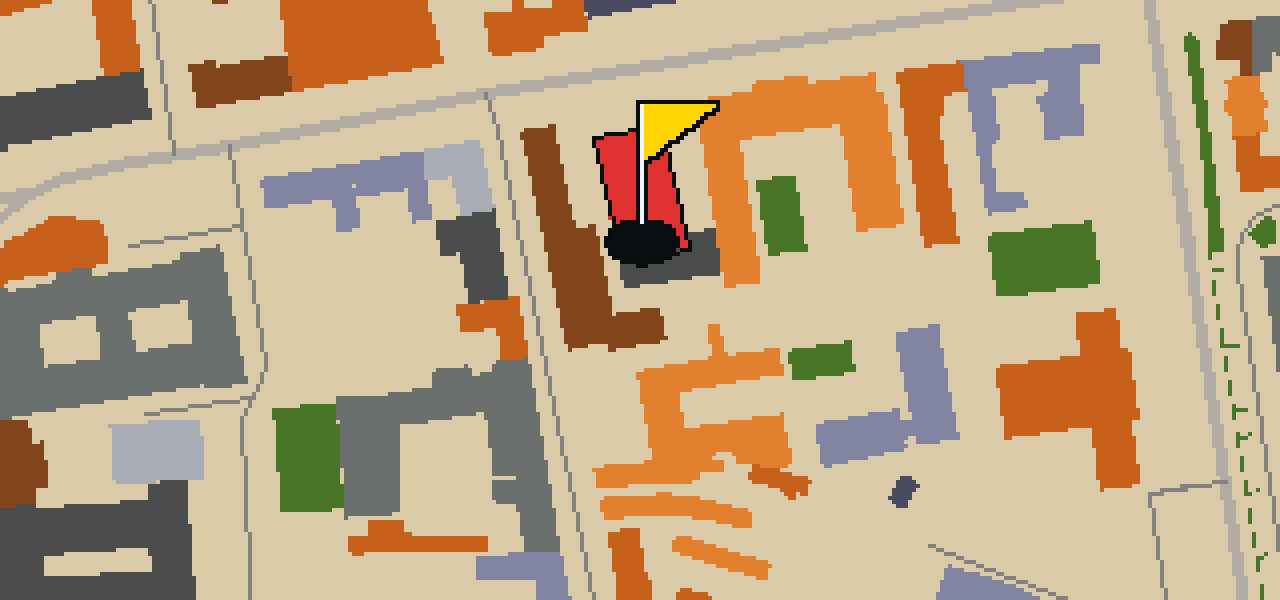
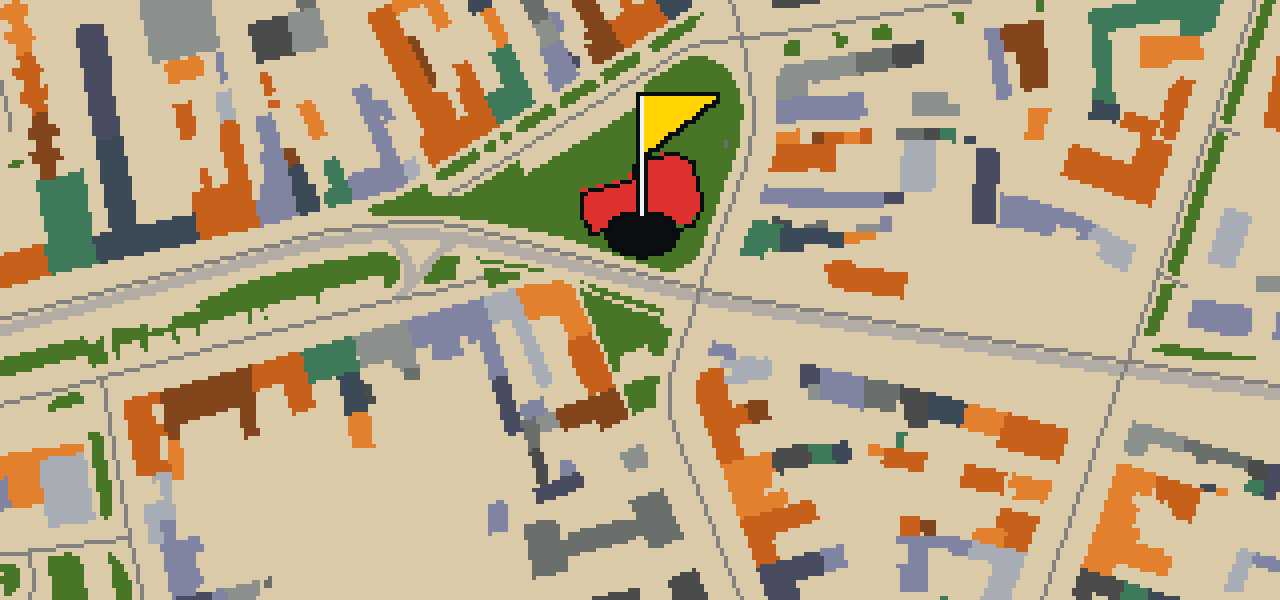
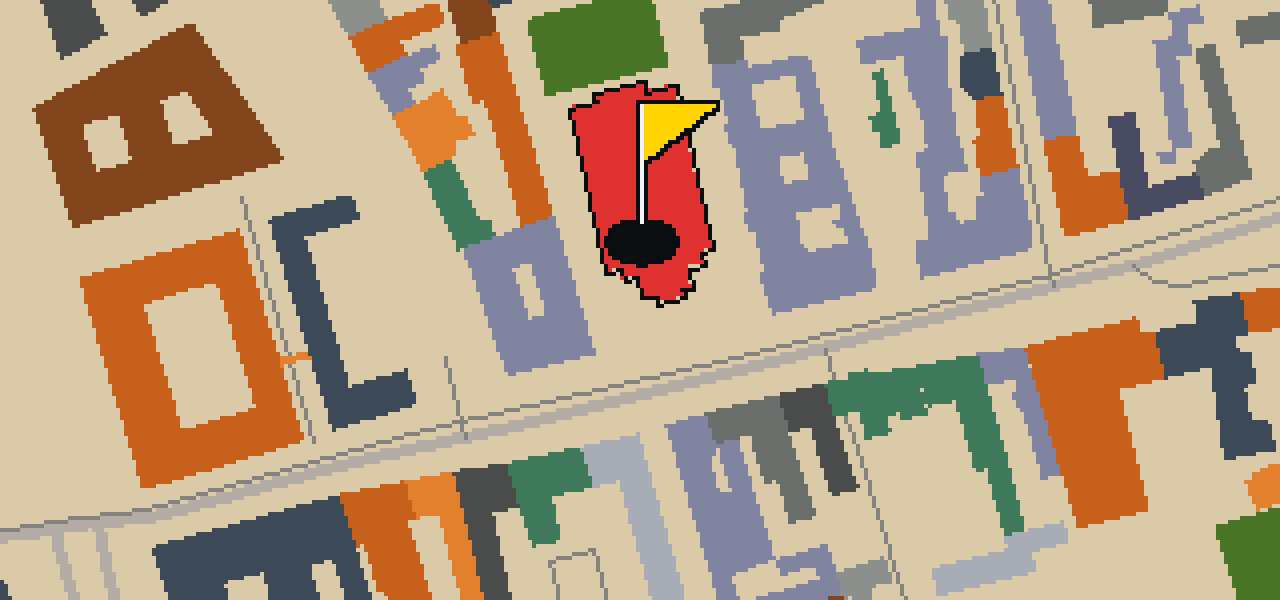
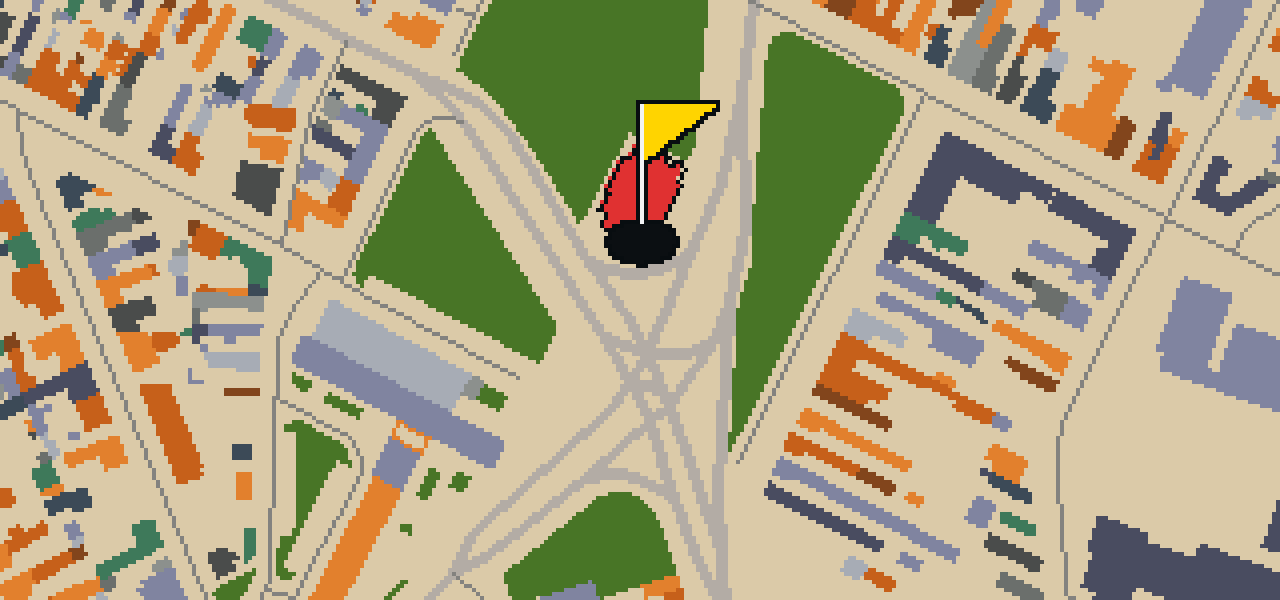
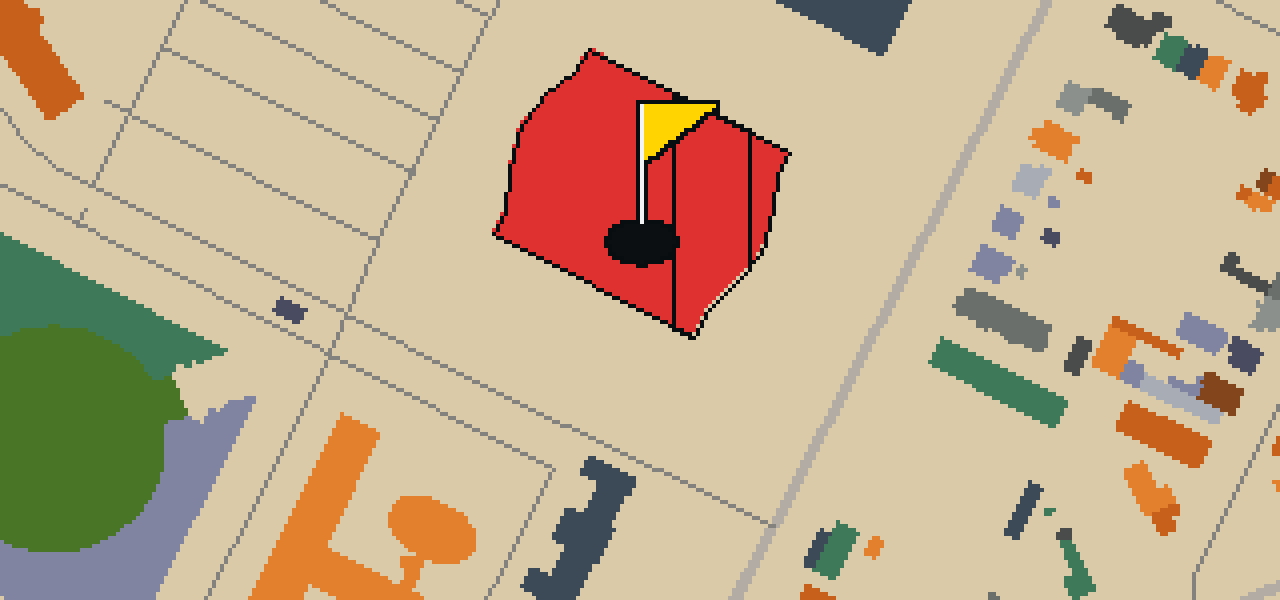
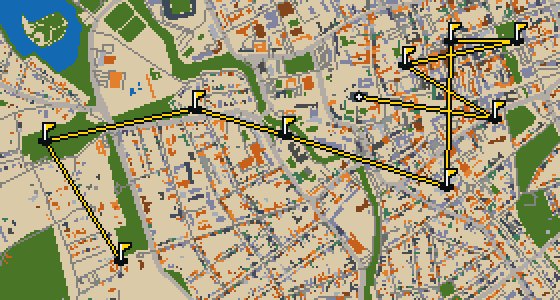
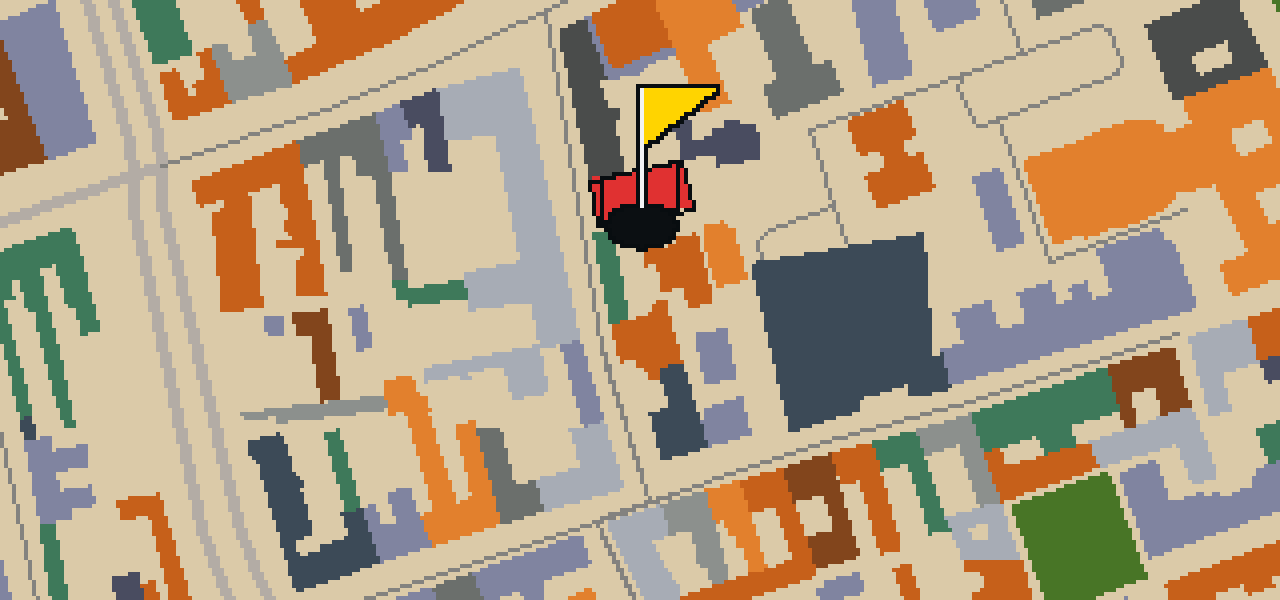
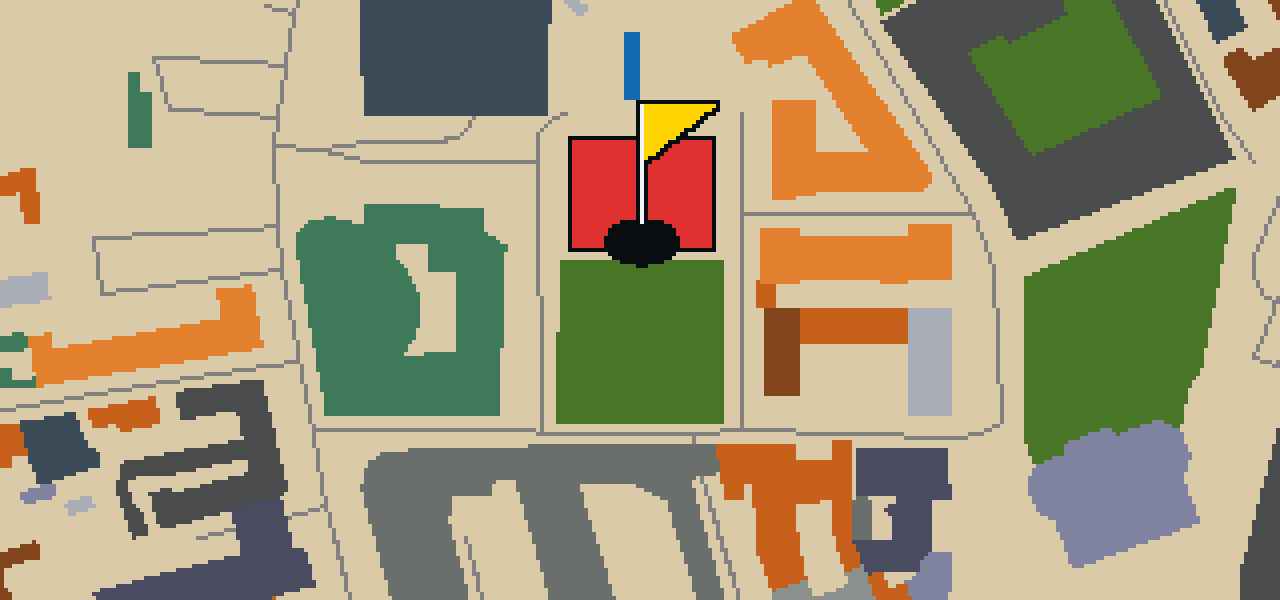
Banking a ball off the facade of the Verestemplom requires a soft touch and a steady wing. This round takes place on the actual streets of Debrecen, using the city's real attractions as the obstacles and holes. Skip knows every crack in the pavement here. It is a quick 9-hole round covering 5.7 km, with 6 portals to keep the pace moving.

Trouble loading? Open the game in its own tab.

HOW IT WORKS

01

Pick a city

The course is drawn on the real street grid, so the map you play is the map you walk.

02

Putt to the pin

Drag to aim, release to swing. Buildings bounce and water costs you a stroke.

03

Sightsee between strokes

Every hole ends at an attraction. Sink the putt, read the story, walk to the next tee.

THE DEBRECEN ROUND - STOP BY STOP

HOLE 1 - PAR 2

Ortodox zsinagóga

The Ortodox zsinagóga is a synagogue. This building is a place of worship and a significant landmark within the city of Debrecen. Visitors to the area can find this building as they explore the local architecture and religious sites of the city. It is important to remain respectful when visiting such a location. This site provides a point of interest for those who wish to understand the religious history and the diverse community presence within the city. As you walk through the neighborhood, you can see how the building fits into the local streetscape. It remains a dedicated space for the faith it represents and serves as a point of quietude for those who enter its doors for prayer or contemplation.

Wikidata

HOLE 2 - PAR 3

Déri Múzeum

You will likely notice the stately presence of the Déri Múzeum before you even step inside. This museum is a central point for culture in Debrecen, providing a space where the city's history and art are preserved for everyone to see. I find the atmosphere here quite calming compared to the busier streets outside. The museum was founded in 1902, making it a long-standing guardian of the region's heritage. Whether you are interested in the fine arts or the local narrative, there is plenty to observe within these walls. It is the kind of place where you can spend a few hours just wandering through the galleries to see how the city has changed over the decades.

Wikidata

HOLE 3 - PAR 3

Református kistemplom

The simple lines of the exterior lead you toward the Református kistemplom. This building is a reformed Christianity church, providing a space for worship and reflection in the heart of the city. It is a site that carries the weight of the local faith and the history of the community. Visitors can observe the quiet atmosphere and the specific design choices that characterize this house of worship. Whether you are interested in the city's spiritual life or the way these structures fit into the urban layout, this church is a point of interest that reflects the traditions of the region. It is a place where the architecture and the purpose of the building align to create a focused environment for the congregation and a point of calm for any visitor passing through the streets.

Wikidata

HOLE 4 - PAR 3

Szent Anna székesegyház

Szent Anna székesegyház is a cathedral located in the city of Debrecen, Hungary. This church building had its inception in 1746 and is designed in the baroque architecture style. The architect responsible for the design was Giovanni Battista Carlone. Throughout its history, the site has served several roles, functioning as a parish church and a minor basilica. More recently, its role within the church hierarchy expanded when it began working as the cathedral of the Diocese of Debrecen-Nyíregyháza since 1993. Visitors to the city can see the influence of Carlone's vision in the baroque details of the structure. This location remains a significant site for both the local community and those visiting the region to see the historic religious architecture of Hungary.

Wikidata · Wikipedia

HOLE 5 - PAR 3

Verestemplom

The creator of this site built Verestemplom to be a reformed Christianity church. It is a place of worship that stands as a significant landmark in the city. When you look at the exterior of the building, you can see that it is designed in the Gothic Revival style. This architectural choice gives the church its specific character and visual presence. For visitors to the area, the church is a key point of interest that reflects the religious history of the region. Whether you are interested in the spiritual purpose of the building or the specific details of its construction, the church offers a clear example of how the Gothic Revival style was applied to religious architecture in this part of the world.

Wikidata

HOLE 7 - PAR 4

Árpád téri református templom

Pál Tóásó is the architect of Árpád téri református templom. This reformed Christianity church is built in the Romanesque Revival architecture style, which you can see in the heavy masonry and rounded arches. You can also pick out elements of the eclectic architecture style throughout the structure. Construction on the church was started in 1912. It remains a significant site for the community and a notable example of the architectural preferences of that era in Debrecen. When you look at the facade, notice how the different styles blend together to create the final form of the building. It is a place of worship that reflects the specific vision of its architect and the needs of the congregation at the time it was first conceived.

Wikidata

HOLE 8 - PAR 3

Főnix Aréna

You can pick out the massive scale of this sports venue as you approach. Főnix Aréna is a multi-purpose arena in Debrecen, Hungary, and it holds 8,500 people. It opened in 2002 and hosted the 2002 World Artistic Gymnastics Championships. The name comes from the Phoenix, a mythical firebird which is the symbol of Debrecen. I've noticed that the architecture feels just as bold as the bird it was named after. Whether you are here for a game or a show, the sheer size of the interior is what usually catches the eye first. It stands as a central point for athletics and entertainment in the area, bringing thousands of people together under one roof for international competitions and local celebrations alike.

Wikidata · Wikipedia

HOLE 9 - PAR 3

Oláh Gábor utcai stadion

Look at the seating first; this stadium is able to hold 10,200 people. The Oláh Gábor utcai stadion is an association football venue in Debrecen, Hungary. While it is a multi-use stadium, it is currently used mostly for football matches. For a long time, it was the home stadium of Debreceni VSC, acting as the primary stage for the club's local matches and cheering crowds. However, the venue's role changed in 2014 when it was replaced by Nagyerdei Stadion. I've seen plenty of balls roll through these streets during my flights over the city, but this spot holds a specific kind of energy for the sports fans of the community. It is a place where the history of the game is visible in the very structure of the stands.

Wikidata · Wikipedia

STOP 10

Nagyerdei Stadion

Nagyerdei Stadion is an association football venue located in Debrecen, Hungary. It is the home of Debreceni Vasutas Sport Club and has space for 20,340 spectators. The stadium opened on 1 May 2014, and I can tell you that the first official match took place during the 2013–14 season. That specific game was played between Debrecen and Újpest, and it ended with a 3–1 victory for the host team. If you are visiting the city, you can pick out the scale of the stands and imagine the crowd during a big match. It is one of the most prominent sports sites in the area, and the atmosphere during a home game is something you should experience. I always find the energy around the gates quite lively when the fans are arriving.

Wikidata · Wikipedia

OTHER COURSES

18 HOLES - PAR 53

Veszprém

18 stops

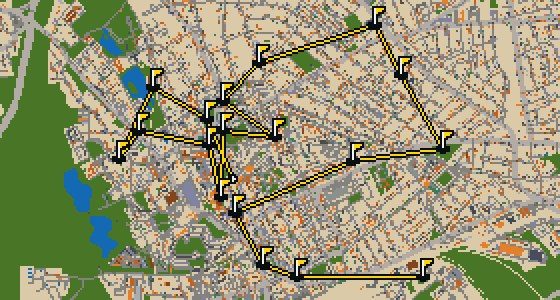
Banking a ball off the limestone facades of Veszprém feels like playing a game of geometry with history. The map is the real city and the round is played on its real streets, where attractions like the Tűztorony are what the holes are built from. This is a full round of 18 holes with a par of 53, covering a walk of 10.7 km. Skip is a local guide who knows these alleys well, even the ones where a stray feather might drift.

9 HOLES - PAR 25

Szombathely

9 stops

This is Szombathely, where the map is the real city and the round is played on its actual streets. The holes are built from real attractions, like the Sarlós Boldogasszony Székesegyház. Skip is a local guide who knows the place. This quick round of 9 holes has a par of 25 and a 4.6 km walk, with 2 portals to skip across town.

18 HOLES - PAR 56

Székesfehérvár

18 stops

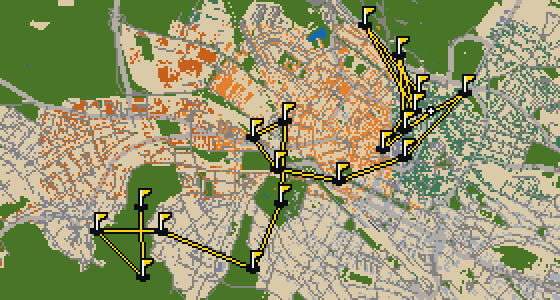
Székesfehérvár is the setting for this round, where the map is the real city and the ball rolls along its actual streets. Real attractions, starting with the Romkert, are the foundations for the holes. Skip is a local guide who knows every corner of the place. This full round of 18 holes has a par of 56 and covers 11.9 km, using 6 portals to bridge the gaps between landmarks.

18 HOLES - PAR 57

Szeged

18 stops

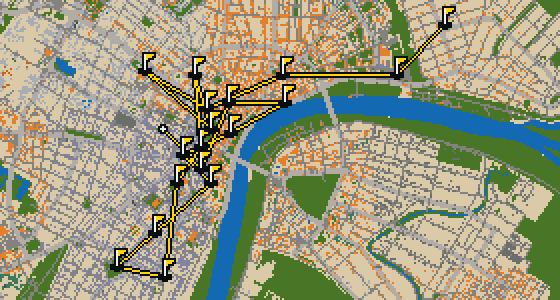
Banking a ball off the ornate stone of the Gróf-palota requires a steady touch. This round takes place in Szeged, where the map is the real city and the game is played on its actual streets. The local attractions are the foundations for every hole. A full 18-hole round covers 12.4 km, using 16 portals to bridge the gaps. Skip knows every sidewalk here, even the ones where the crumbs are best.

18 HOLES - PAR 56

Sopron

18 stops

Sopron is the setting for this round, where the map is the real city and the ball rolls across its actual streets. The holes are built from real attractions, ending the journey at the Nádormagaslat (mérőtorony). A full 18-hole round covers 11.8 km and uses 2 portals to bridge the gaps. Skip is a local guide who knows every cobblestone, provided there are no crumbs to distract from the path.

FAQ

Is it free to play?

Yes. Every course runs in the browser with no account and no install.

Do I need to be in the city?

No. The full round plays from anywhere. Walking the real route is a nice way to see the city, but it is not required.

Are the maps real?

Yes. The geometry comes from OpenStreetMap data, rendered chunky on purpose. Streets, water and parks sit where they really are.