
BUDAPEST - 18 HOLES - FREE

BUDAPEST
CITY MAP MINIGOLF

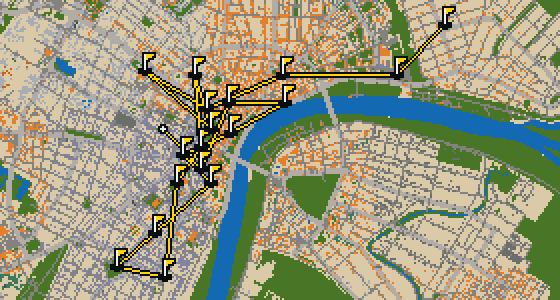
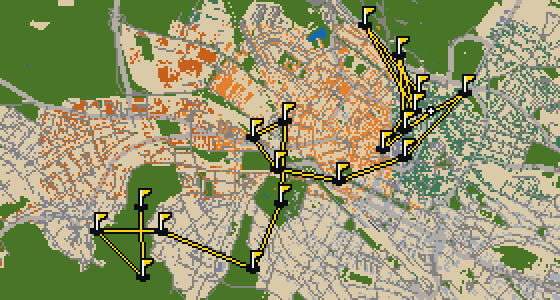
Budapest - 18 stops - par 57

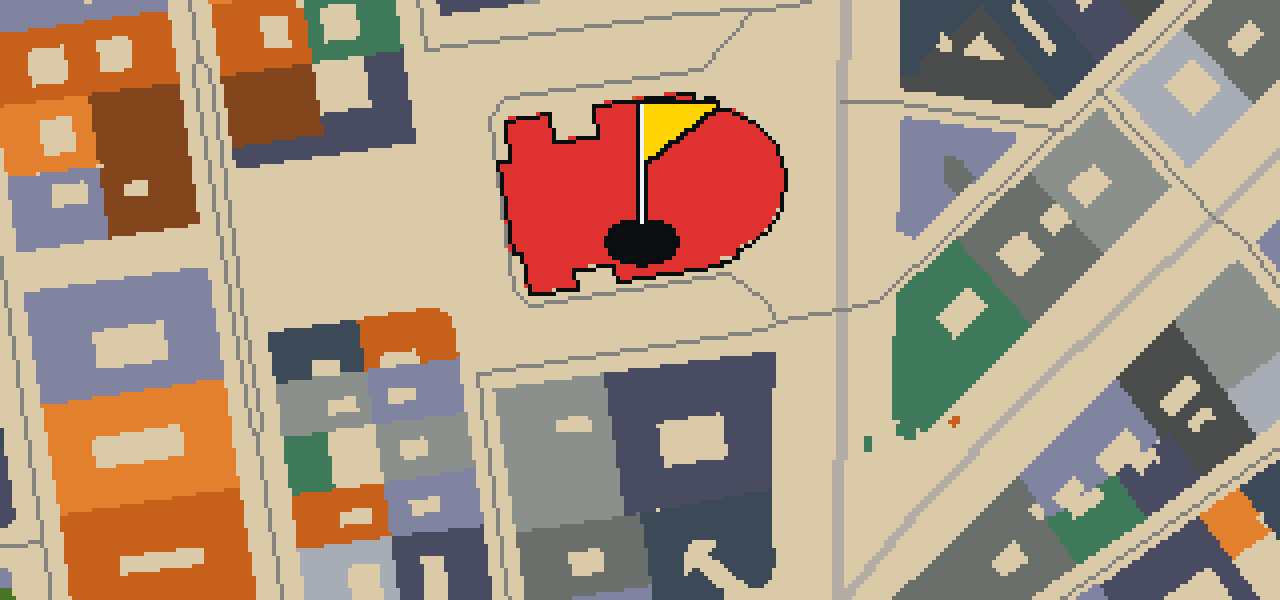
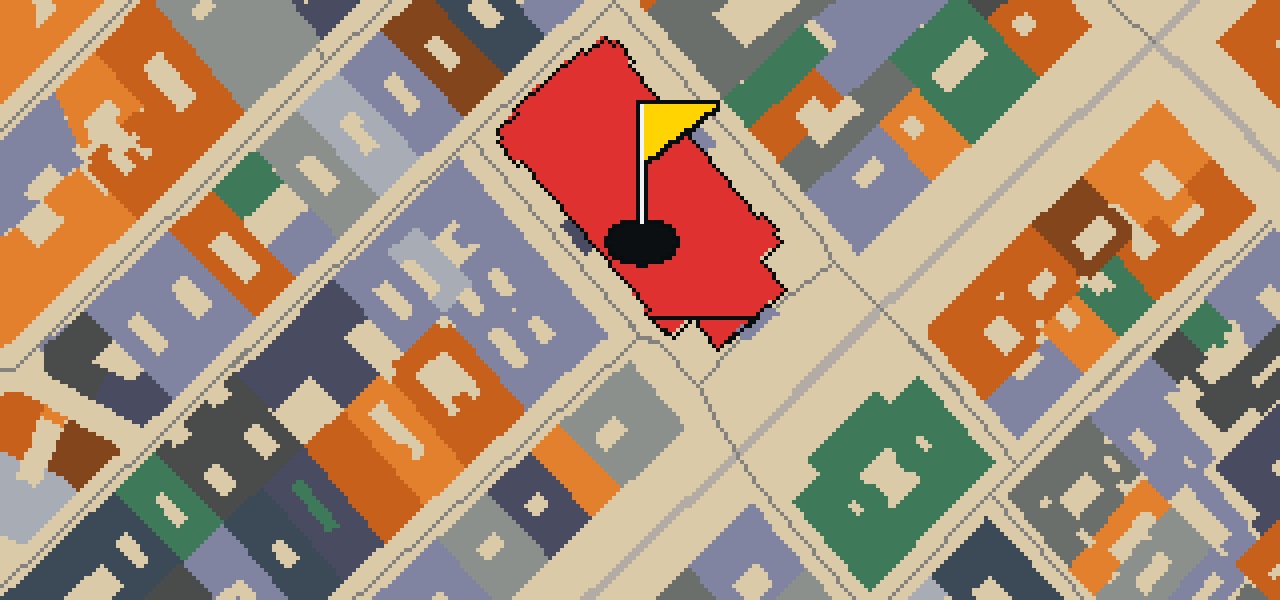
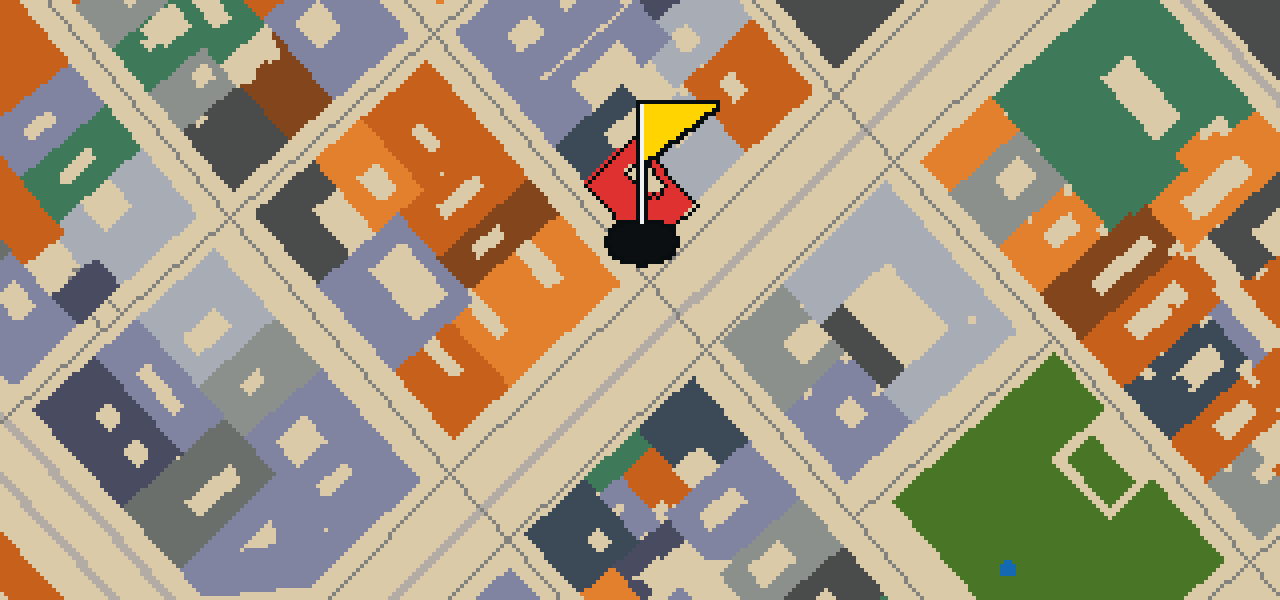
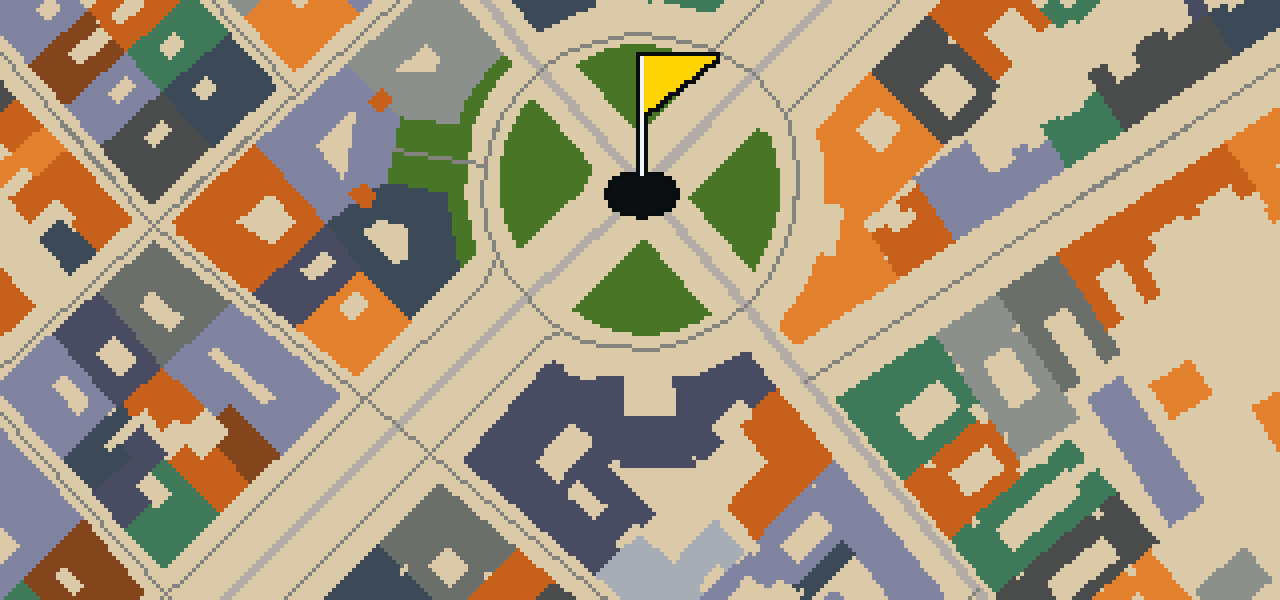
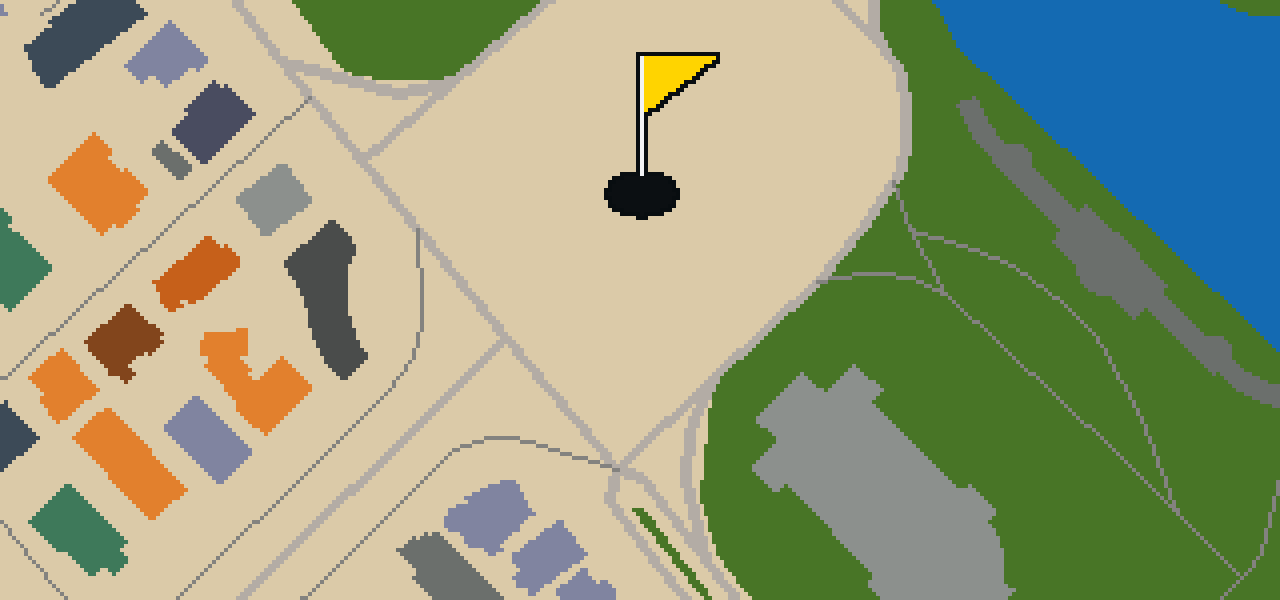
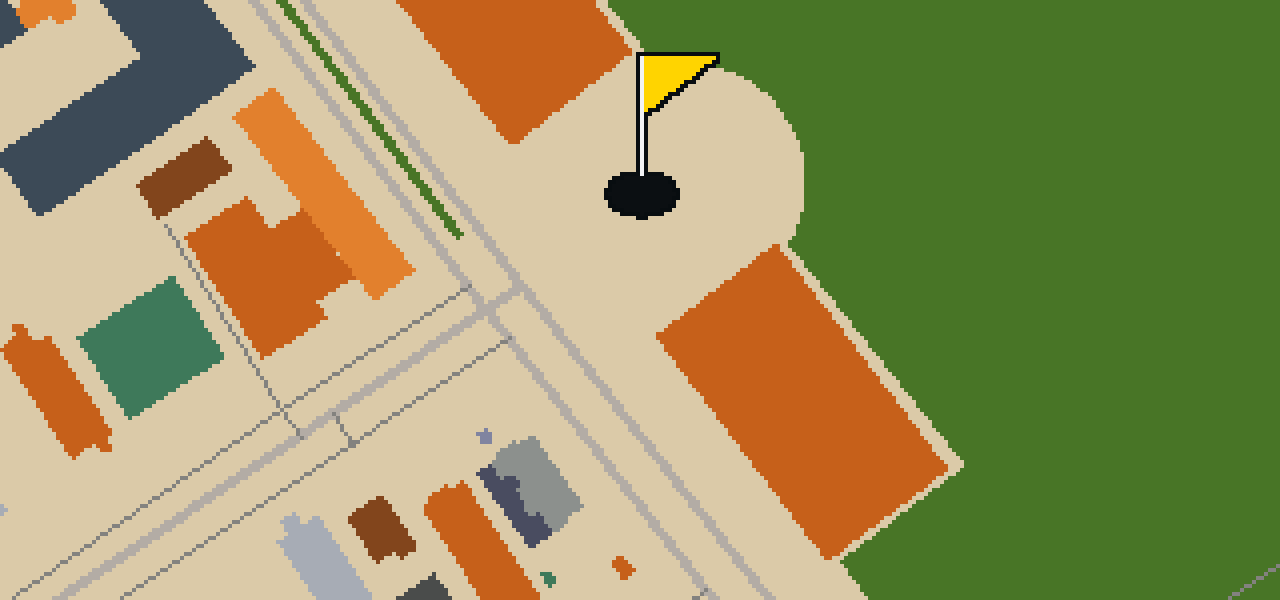
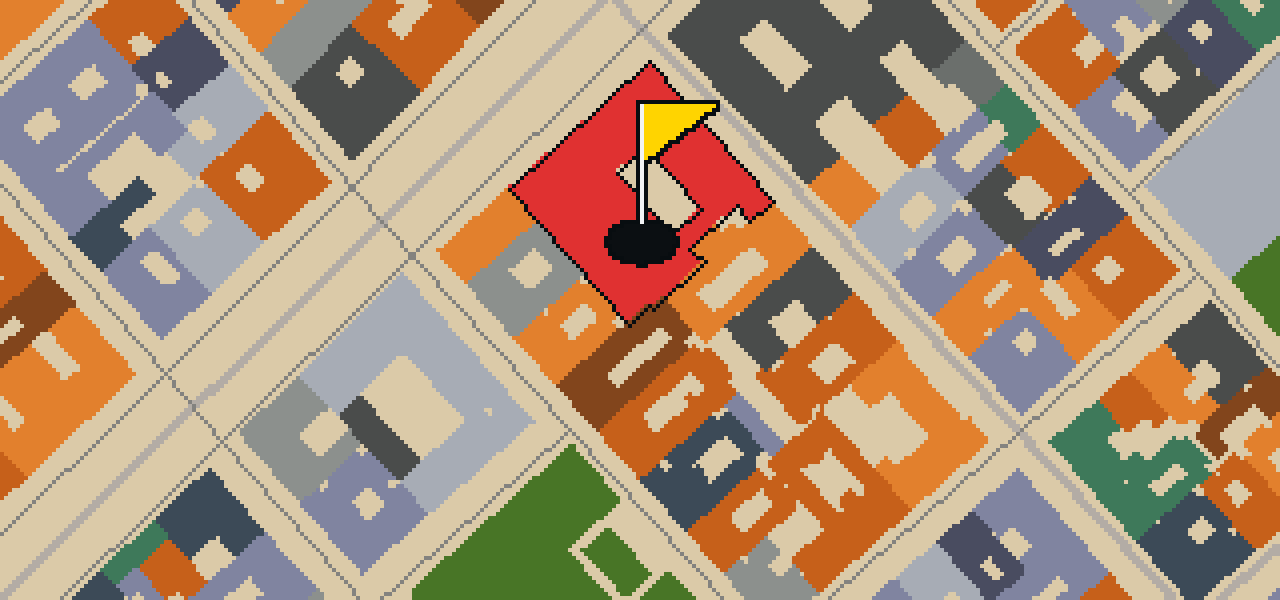
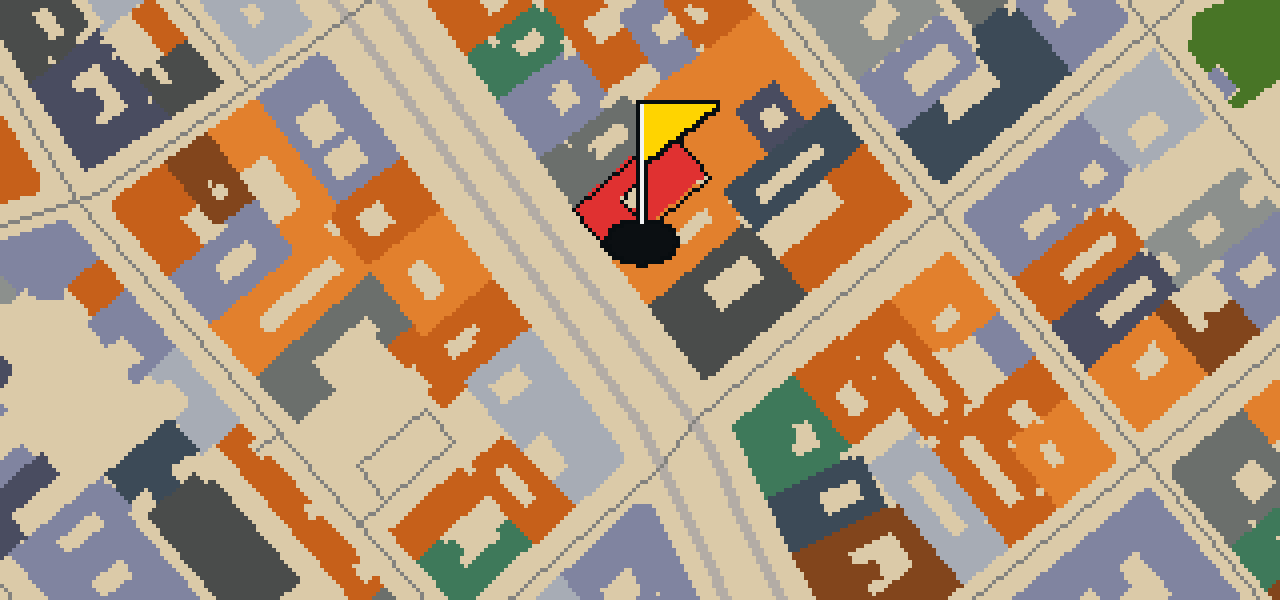
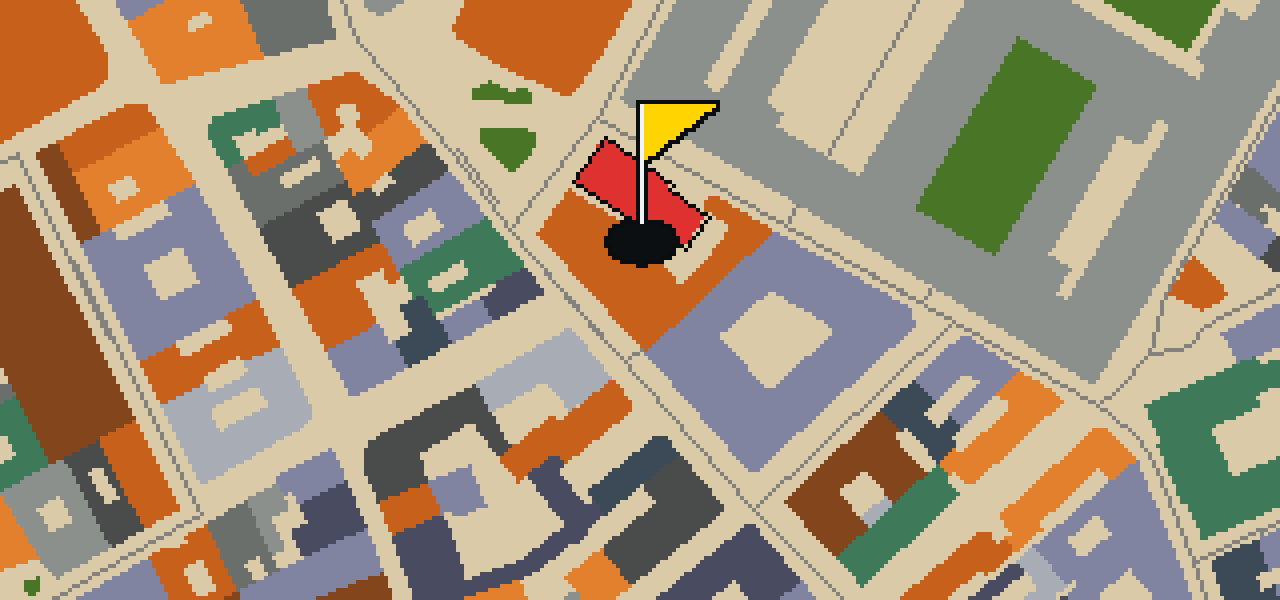
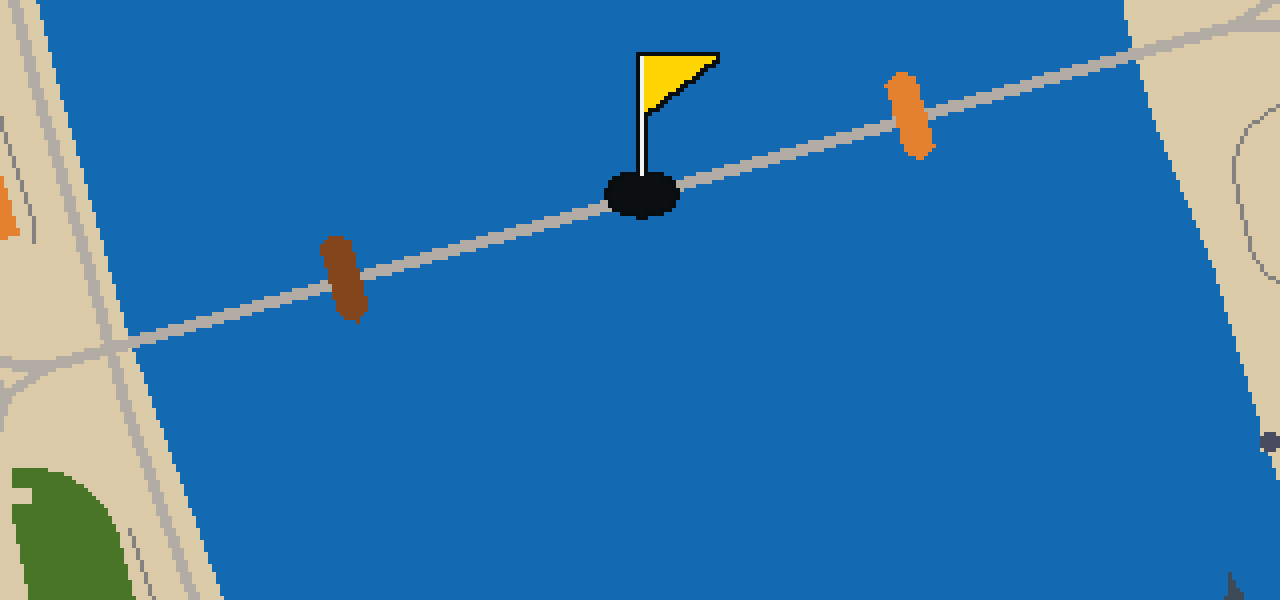
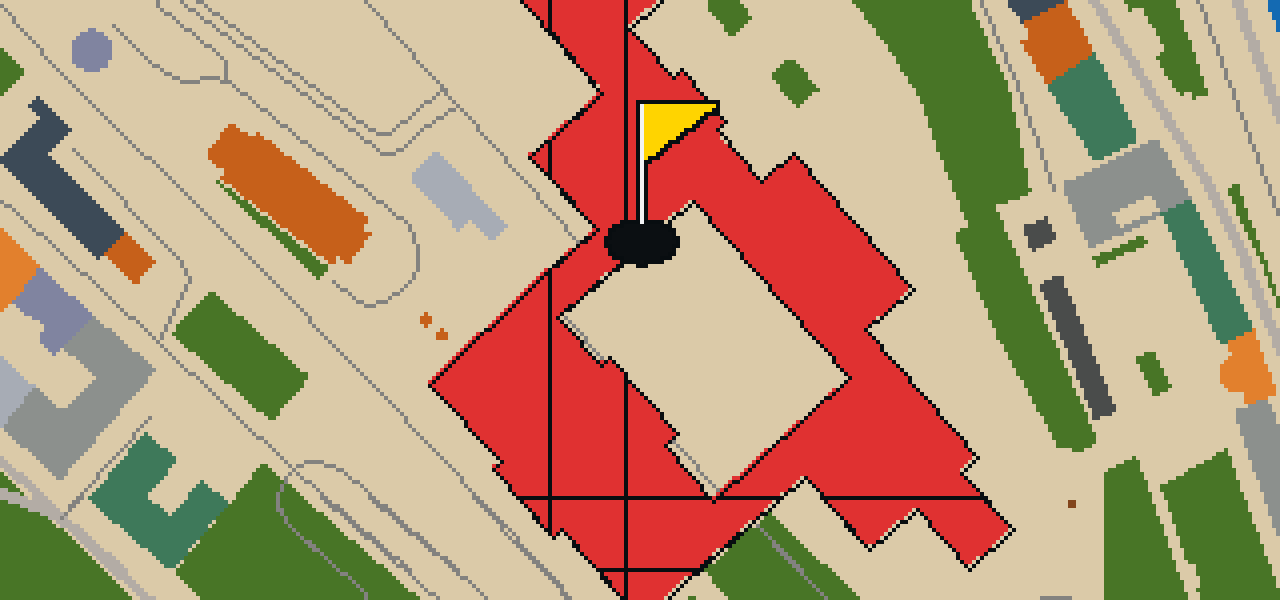
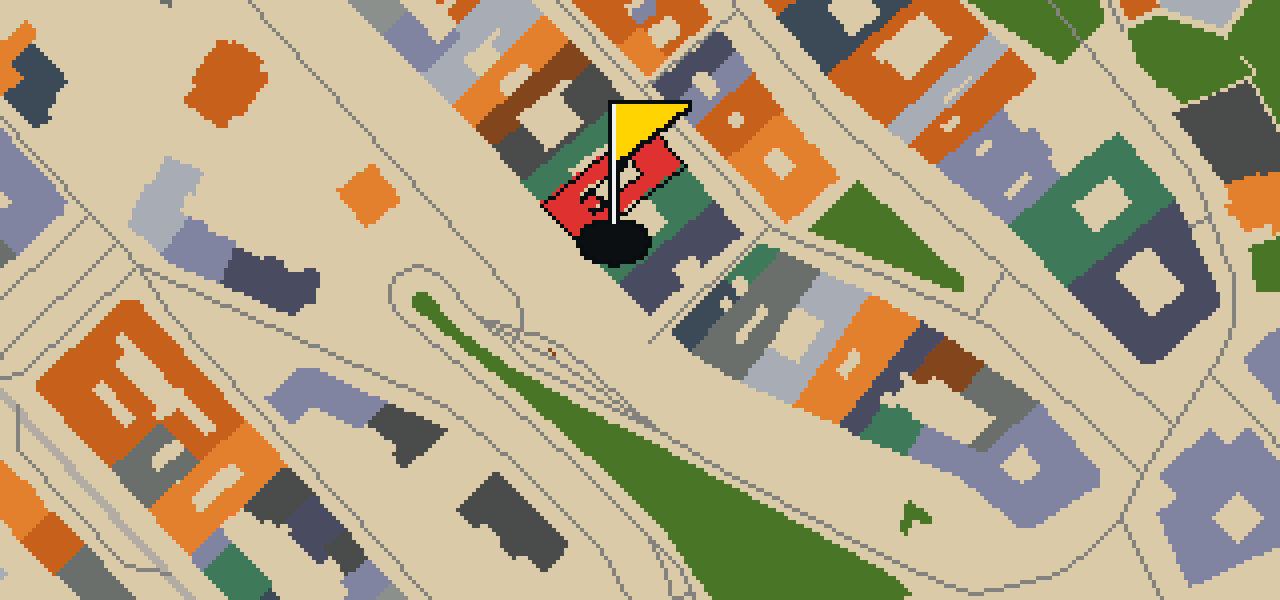
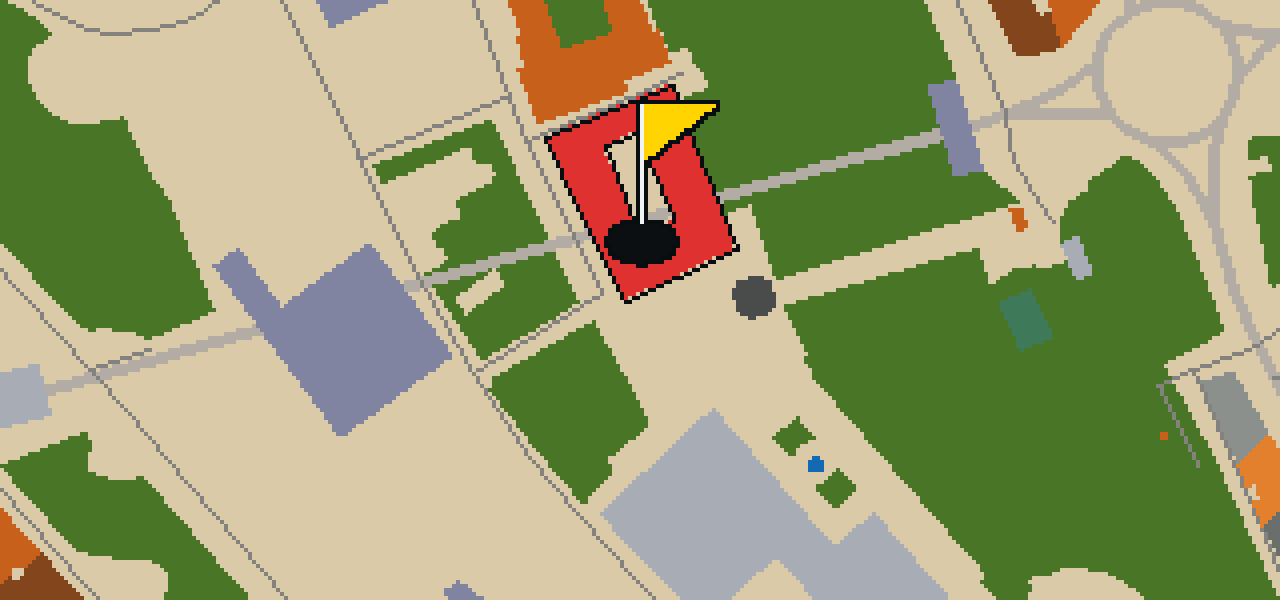
Budapest is the setting for this round, with the map following the real city and the ball rolling across its actual streets. The holes are built from real attractions, like the Országház. Skip knows every corner of the place. This full round of 18 holes covers 11.7 km and uses 120 portals to cross the city. It is a long walk for a bird, but the view is worth the effort.

Trouble loading? Open the game in its own tab.

HOW IT WORKS

01

Pick a city

The course is drawn on the real street grid, so the map you play is the map you walk.

02

Putt to the pin

Drag to aim, release to swing. Buildings bounce and water costs you a stroke.

03

Sightsee between strokes

Every hole ends at an attraction. Sink the putt, read the story, walk to the next tee.

THE BUDAPEST ROUND - STOP BY STOP

HOLE 1 - PAR 3

Országház

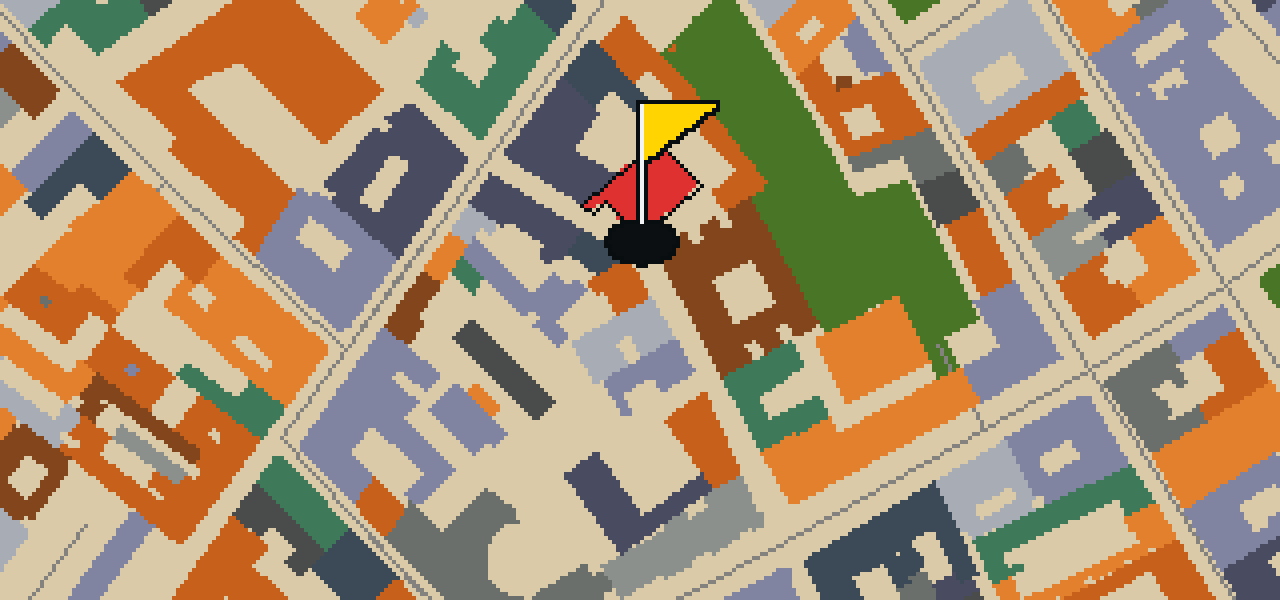
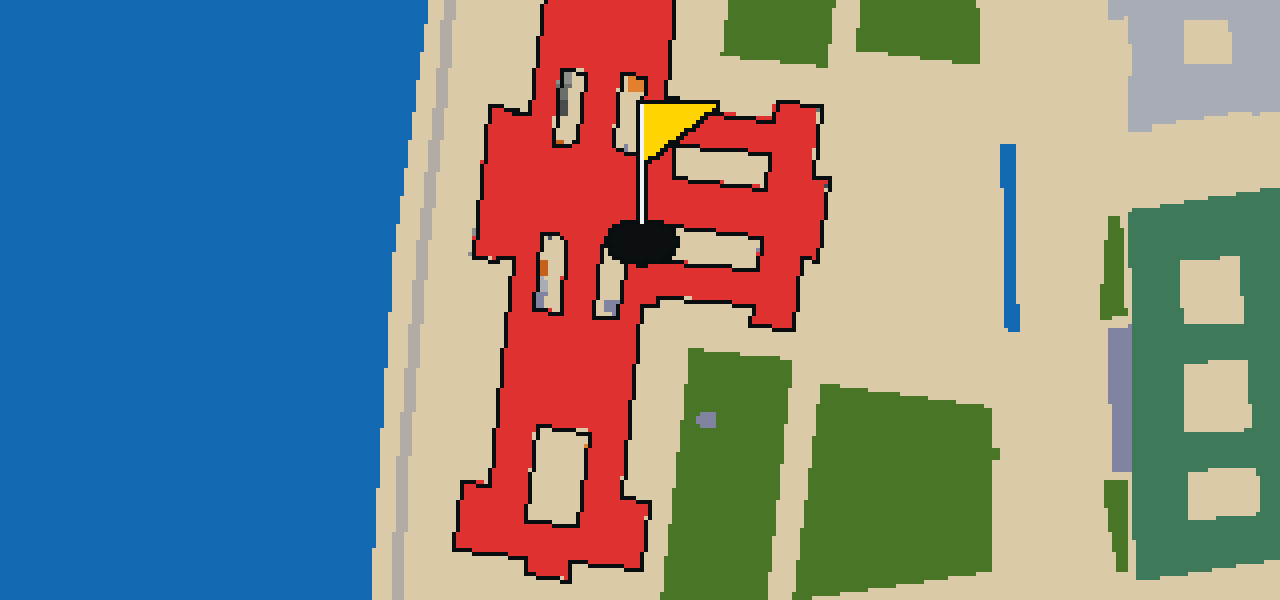
Imre Steindl was the architect of the Országház, a parliament building designed in the Gothic Revival style. The building's inception was from 1885 to 1904, and it officially opened in 1902. Situated on Kossuth Square on the Pest side of Budapest, this 96-meter tall structure is the seat of the National Assembly of Hungary. I have spent a lot of time gliding over the city, and the detail on this facade is always something to admire from above. It is one of the most recognizable sights in the city.

Wikidata · Wikipedia

HOLE 2 - PAR 3

Magyar Tudományos Akadémia

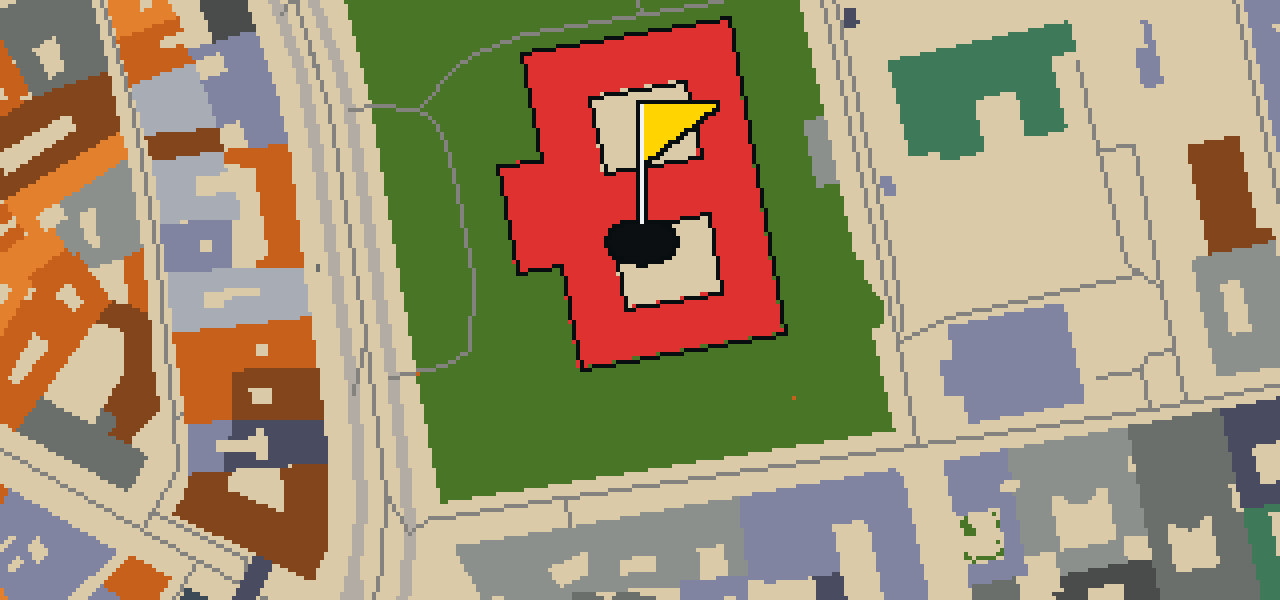
The Magyar Tudományos Akadémia is a national academy and organization founded in 1825. It is Hungary's foremost and most prestigious learned society, acting as a public body for the country. I can show you the headquarters, which are located along the banks of the Danube in Budapest. The buildings sit specifically between Széchenyi rakpart and Akadémia utca. It is a great spot to stop and appreciate the city's academic history before you move on to the next hole. I always find the river breeze here quite refreshing during a long walk.

Wikidata · Wikipedia

HOLE 3 - PAR 2

Szent István-bazilika

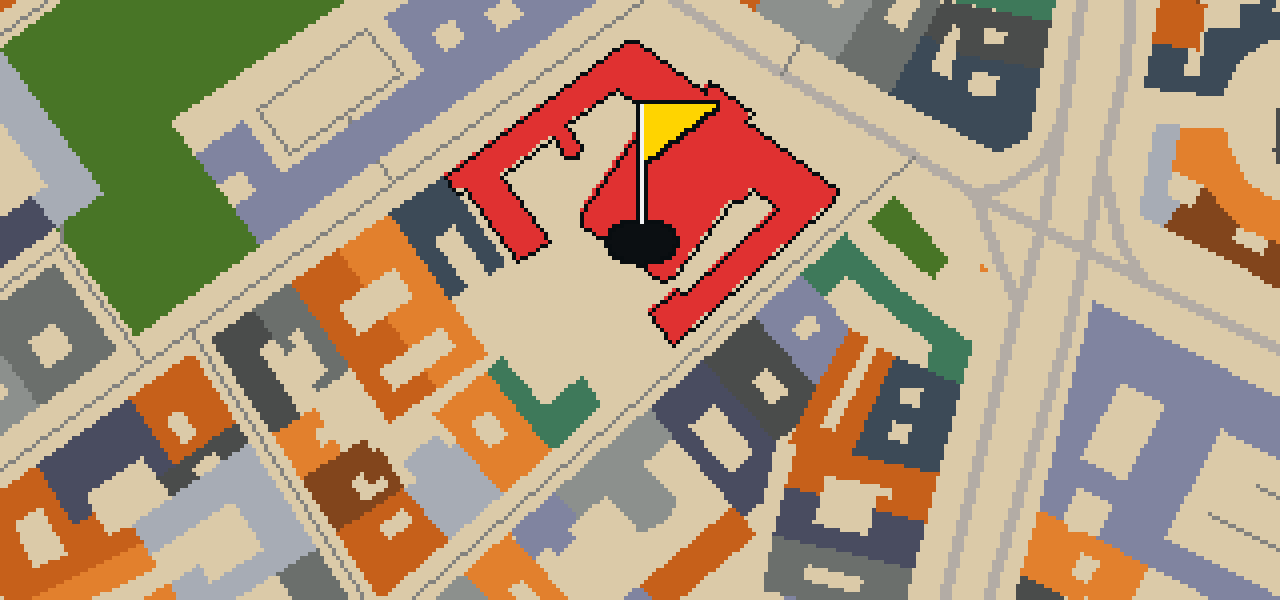
Looking up, you can see the 96 meters of height that define Szent István-bazilika. This Catholic church building is a minor basilica and a co-cathedral located in Budapest, Hungary. It is built in the Neoclassical architecture style. József Hild and Miklós Ybl were both architects of the site, which had its inception in 1905. The basilica is named in honour of Stephen, the first King of Hungary. It is a Roman Catholic basilica that remains one of the most prominent religious landmarks in the city for visitors to observe.

Wikidata · Wikipedia

HOLE 4 - PAR 3

Magyar Állami Operaház

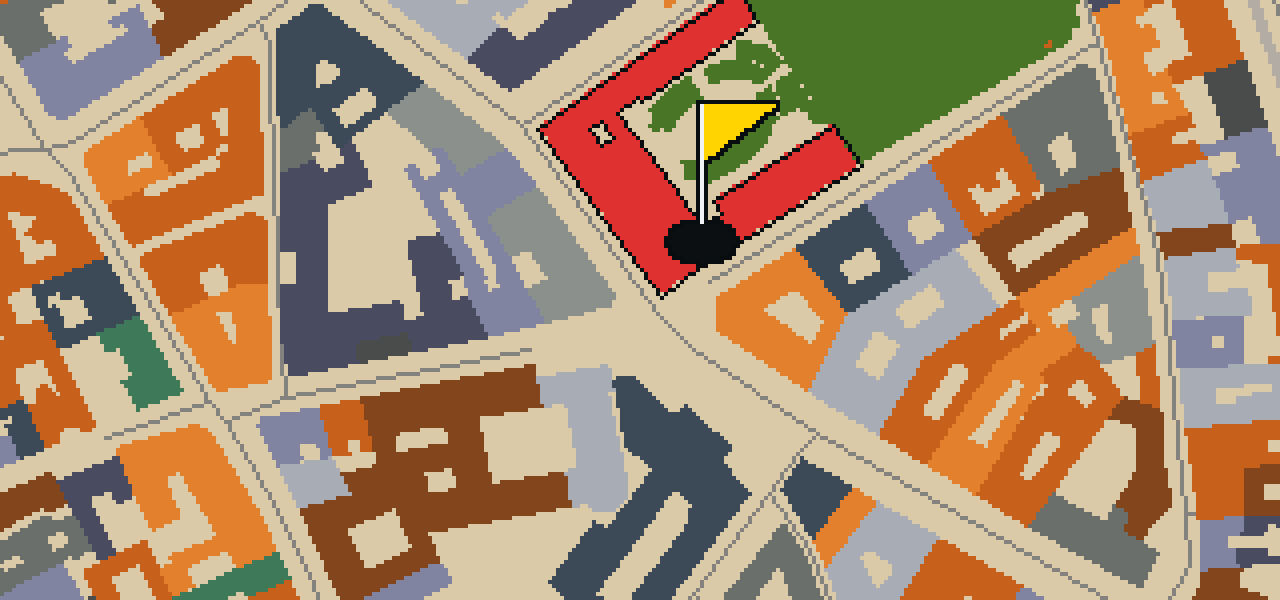
The Magyar Állami Operaház is an opera house located in central Budapest on Andrássy avenue. Designed by Miklós Ybl, it is built in the Renaissance Revival architecture style. Construction began in 1875 and the Hungarian State Opera House opened to the public on 27 September 1884. It is the second largest opera house in Budapest and in Hungary. I always find the scale of the building impressive when I'm gliding past the facade, and you can pick out the detailed stonework from the street. It is a landmark that defines the elegance of the avenue for anyone visiting the city.

Wikidata · Wikipedia

HOLE 5 - PAR 3

Terror Háza Múzeum

The founders established Terror Háza Múzeum in 2002. Located at Andrássy Avenue 60 in Budapest, Hungary, this museum contains exhibits related to the fascist and communist regimes in 20th-century Hungary. It is a memorial to the victims of those regimes, particularly those who were detained, interrogated, tortured, or killed within the building itself. It is a heavy place to visit, but it is one of the most significant sites in the city for understanding the local past. I always suggest taking a moment of silence when you first enter the doors.

Wikidata · Wikipedia

HOLE 6 - PAR 4

Kodály körönd

When you arrive at Kodály körönd, you will notice the circular layout of this Budapest circus. It sits at the intersection of Andrássy Avenue and Felsőerdősor u, making it a central point for those navigating the city. If you prefer the underground, you can get here using the yellow M1 line of the Budapest Metro. It is a great spot to pause and take in the surrounding architecture before continuing your walk. I've found the metro station here is one of the most convenient ways to enter the square.

Wikidata · Wikipedia

HOLE 7 - PAR 3

Hősök tere

Hősök tere is a square located in Budapest, Hungary. Started in 1896, it sits at the outbound end of Andrássy Avenue next to City Park. You can pick out the Millennium Monument and the Memorial Stone of Heroes when you arrive, along with the Museum of Fine Arts and the Palace of Art. It is also the site where the reburial of Imre Nagy took place in 1989. I find the layout makes it a great spot for people-watching, as there is plenty of room to see everyone passing through.

Wikidata · Wikipedia

HOLE 8 - PAR 4

Néprajzi Múzeum

Founded in 1872, the Néprajzi Múzeum is a national museum located in Budapest, Hungary. It serves as an ethnographic museum, preserving the cultural heritage and traditions of the region through its extensive collections. You can pick out the specific details of the exhibits that define its role as a national institution. I have found that the area around the museum is a pleasant place to spend an afternoon, though the real treasure is the history housed within the walls. It is a great spot to get your bearings before continuing your journey through the city.

Wikidata · Wikipedia

HOLE 9 - PAR 3

Magyar Képzőművészeti Egyetem

You can find Magyar Képzőművészeti Egyetem located on Andrássy Avenue in Budapest. It is a university that was founded in 1871. When it first opened, the institution was founded as the Hungarian Royal Drawing School, which is also known as Magyar Királyi Mintarajztanoda. While it spent many years under that name and others, it has been called University of Fine Arts since 2001. I always find the atmosphere around this campus quite inspiring for anyone visiting the city. It is a wonderful spot to pause and appreciate the local academic spirit before you continue your game.

Wikidata · Wikipedia

HOLE 10 - PAR 3

Madách Színház

Let me show you Madách Színház, which you can find situated in Budapest. This establishment is a theatre company that brings various performances to the city's residents and visitors. Whether you are interested in the stage or just exploring the neighborhood, it is a notable spot to encounter the local culture of the city.

Wikidata

HOLE 11 - PAR 4

Sász-Chevra Zsinagóga

The Sász-Chevra Zsinagóga is designed in Art Nouveau architecture and Art Deco styles. Located at 29–31 Kazinczy Street in the VII district of Pest, this building is a synagogue. It is also called the Kazinczy Street Synagogue or the Great Orthodox Synagogue. The site serves an Orthodox Jewish congregation that worships in the Ashkenazi rite. You can find this complex in Budapest, Hungary, where the architectural details of the exterior reflect the specific artistic movements of its design.

Wikidata · Wikipedia

HOLE 12 - PAR 3

Magyar Nemzeti Múzeum

You can find the Magyar Nemzeti Múzeum in Budapest VIII. It is the national museum for the history, art, and archaeology of Hungary, and it was founded in 1802. The collection is held in a Neoclassical building that was purpose-built during 1837–47. Mihály Pollack is the architect of this museum building. I've noticed the facade makes for a great bank shot for your ball, and the surrounding plaza is a wide-open space for you to line up your final roll toward the hole.

Wikidata · Wikipedia

HOLE 14 - PAR 3

Petőfi Irodalmi Múzeum

The Petőfi Literary Museum in Budapest is a literary museum and literary archive. It was named to honour the memory of Sándor Petőfi and was founded in 1954. This organization is the successor organisation to Petőfi House. When you visit, you can see that the museum is housed in the former Károlyi Palace. I have always found the palace architecture to be a great spot for a quick break between flights, and the area around it is quite pleasant for a stroll. It is a place where the city's written history is kept and preserved for everyone to see.

Wikidata · Wikipedia

HOLE 15 - PAR 4

Szent Anna-templom

The baroque architecture style defines the exterior of Szent Anna-templom. This Catholic church building is located in Buda, Budapest, Hungary, on Batthyány Square. Its inception was from 1740 to 1761, and the church was built between 1740 and 1762. Kristóf Hamon and Máté Nöpauer were architects of the structure. In addition to its architectural significance, the building has served as the parish church for the parish of St. Anne. You can find it situated prominently in the Buda district, where it remains a central part of the square's layout.

Wikidata · Wikipedia

HOLE 16 - PAR 3

Széchenyi lánchíd

The Széchenyi Chain Bridge spans the River Danube between Buda and Pest. It is a road bridge and a chain bridge designed in the Renaissance Revival architecture style. The inception of the bridge was 1839, and it was designed by architect William Tierney Clark. It was later built by Scottish engineer Adam Clark and opened in 1849. Today, it is recognized as a historic monument of Hungary. I've noticed the views from the center of the span are some of the best in the city.

Wikidata · Wikipedia

HOLE 17 - PAR 3

Budavári Palota

Look closely at the facades of Budavári Palota to see a mix of Gothic, Renaissance, and baroque architecture styles. This castle and palace is a World Heritage Site designed by architects including Alajos Hauszmann, Miklós Ybl, and Jean-Nicolas Jadot de Ville-Issey. While the Baroque palace was built between 1749 and 1769, Buda Castle was first completed in 1265. Today, the complex houses the National Széchényi Library, the Budapest Historical Museum, and the Hungarian National Gallery. I've noticed the views from the heights are quite something.

Wikidata · Wikipedia

HOLE 18 - PAR 2

Vár

Vár is a neighborhood that has been continuously inhabited since 1247. Located on Várhegy, the Castle Quarter lies within the defensive walls of the Buda Castle complex in Budapest, the capital city of Hungary. If you walk through the center of the neighborhood, you can pick out the streets between the Royal Palace and Matthias Church. It is a part of Buda that feels quite separate from the rest of the city. I usually find the best views of the river from up here.

Wikidata · Wikipedia

STOP 19

Sándor-palota

Sándor Palace is a presidential palace in Budapest that was started in 1806. You can find it in the Castle District, located beside the Buda Castle complex. The building is designed in the Classicism style and was worked on by architects Mihály Pollack and Johann Nepomuk Amann. While it has a long history, it has served as the official residence and workspace of the President of Hungary since 2003. I've noticed the architecture here really stands out against the surrounding district.

Wikidata · Wikipedia

OTHER COURSES

18 HOLES - PAR 57

Zurich

18 stops

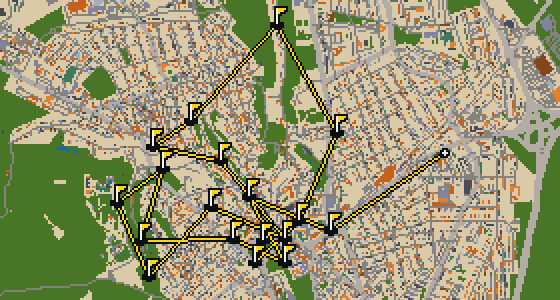
This is a full 18-hole round through Zürich. The map follows the real city, with the ball rolling across actual streets and banking off building facades. Real attractions like the Grossmünster are what the holes are built from. Skip knows every corner of this place, though a pigeon mostly cares about the crumbs. The walk covers 12.4 km and uses 70 portals to bridge the gaps between distant landmarks.

18 HOLES - PAR 52

Zagreb

18 stops

This is a full round of 18 holes through Zagreb. The map follows the real city, with the ball rolling across actual streets and banking off building facades. Real attractions like the bazilika Presvetog Srca Isusova form the holes. Skip knows these pavements well, even the bits where the crumbs are best. The walk covers 10.2 km and uses 40 portals to bridge the gaps between distant parts of the city.

18 HOLES - PAR 55

York

18 stops

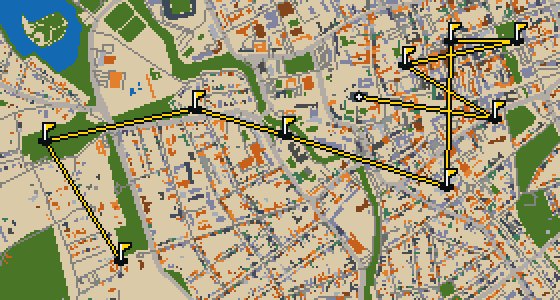
This is a full eighteen-hole round through York. The map is the real city and the ball rolls along its actual streets, banking off the stone of the York Minster. Real attractions provide the structure for every hole. Six portals help move the ball across the 6.9 mi walk. Skip is a local guide who knows these alleys and bars by heart, provided there are no crumbs to distract him.

18 HOLES - PAR 54

Wrocław

18 stops

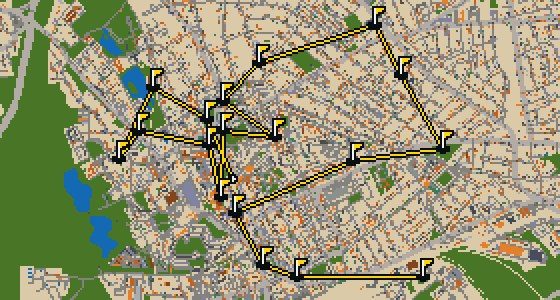
Wrocław is the setting for this round, where the map is the real city and the ball rolls across its actual streets. The holes are built from real attractions, starting at the Archikatedra Świętego Jana Chrzciciela. Skip is a local guide who knows the place and where the best crumbs are hidden. This full round of 18 holes has a par of 54 and covers a walk of 10.2 km, with 28 portals to help the ball skip across the map.

9 HOLES - PAR 26

Warsaw

9 stops

This is Warszawa, where the map is the real city and the round is played on its actual streets. The holes are built from real attractions, starting at Religijne Towarzystwo Przyjaciół w Polsce. This quick 9-hole round covers 4.9 km with a par of 26, using 78 portals to bridge the gaps. Skip knows these sidewalks well enough to find the best banks.

FAQ

Is it free to play?

Yes. Every course runs in the browser with no account and no install.

Do I need to be in the city?

No. The full round plays from anywhere. Walking the real route is a nice way to see the city, but it is not required.

Are the maps real?

Yes. The geometry comes from OpenStreetMap data, rendered chunky on purpose. Streets, water and parks sit where they really are.