
STOP 1Dioklecijanova palača
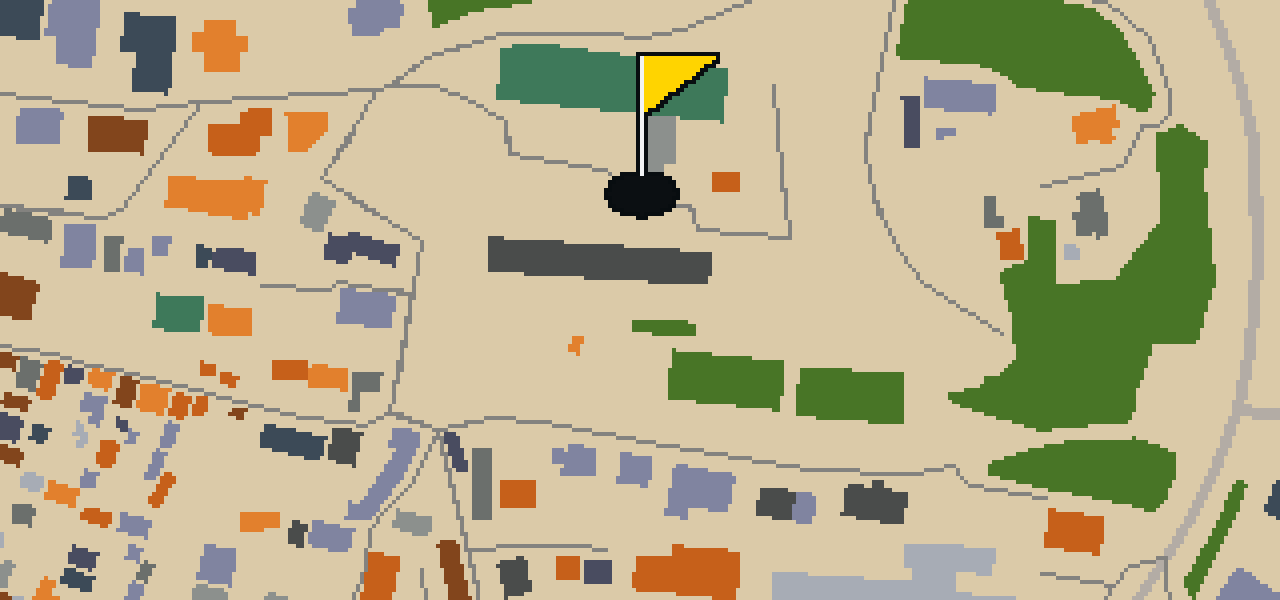
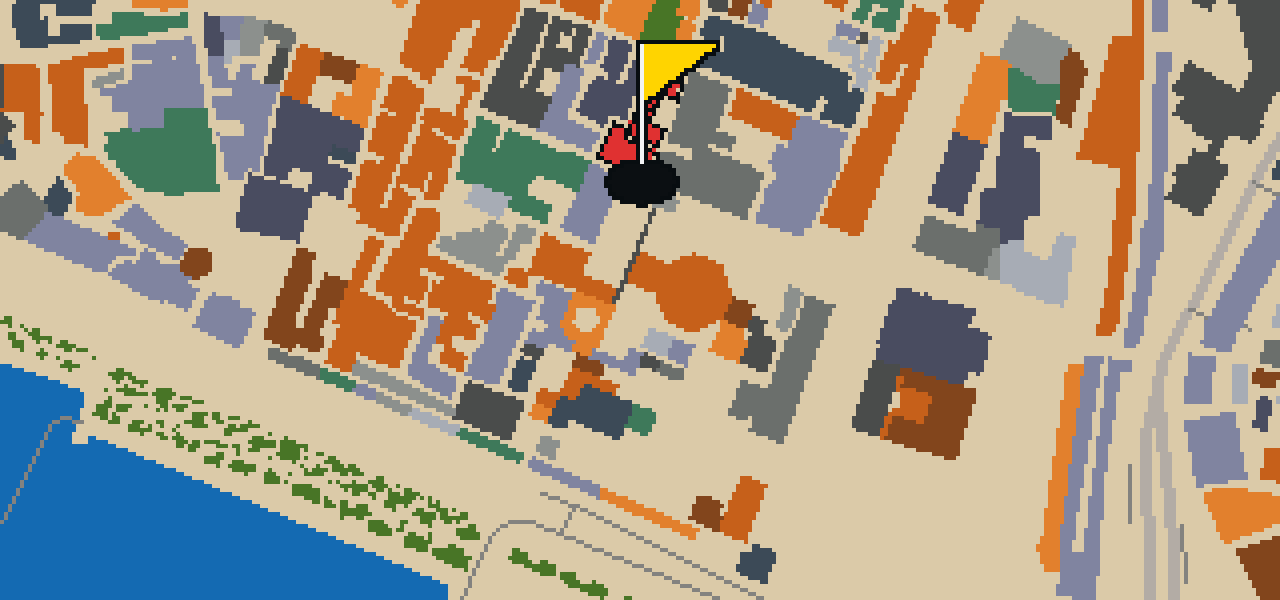
You will first notice that the heart of the city is actually a fortress. This is Diocletian's Palace, an ancient Roman palace and fortress complex in Split, Croatia. Emperor Diocletian built it at the end of the third century AD to serve as his retirement residence. The site sits on a peninsula six kilometres southwest from Salona, which was one of the largest cities of the late empire with 60,000 people. While you walk through the ruins, remember that the space was divided by function. About half of the complex was reserved for the emperor's personal use, whereas the remaining area was used to house the military garrison. It is a rare example of both a Roman villa and an imperial palace. I've found that the old stones here make for the best resting spots in the city.
Source · Source
STOP 2Muzej vode u Splitu
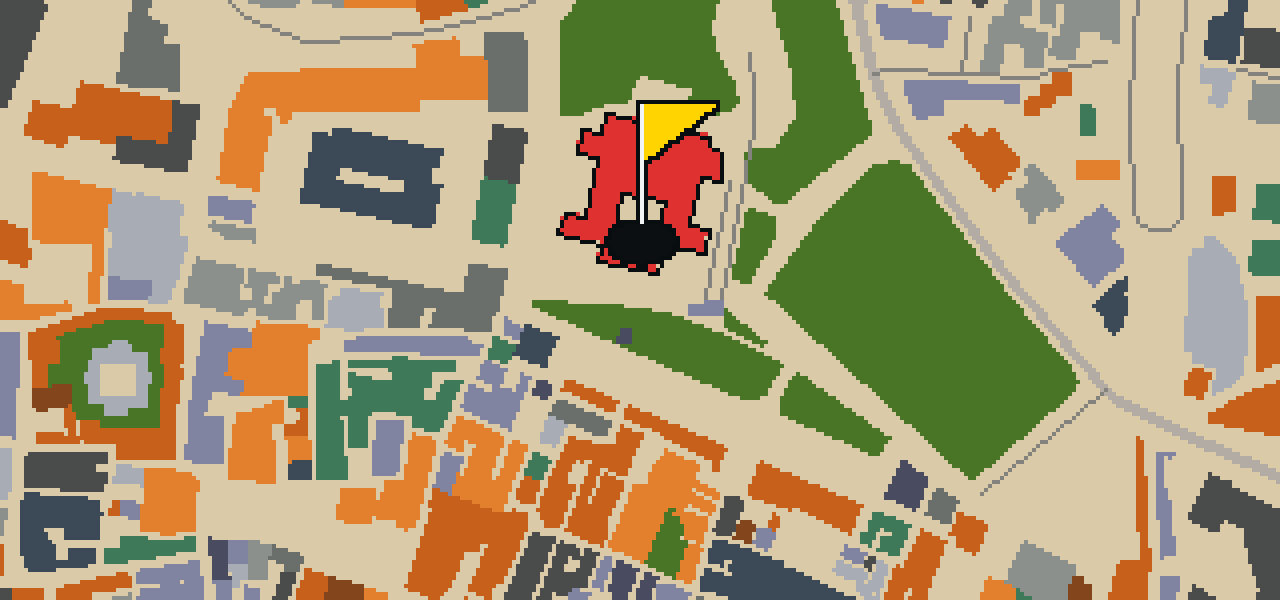
As you navigate through the streets of Split, you will come across Muzej vode u Splitu. This building is a notable stop for those interested in the city's official heritage and architectural landscape. It is formally recognized as part of the Register of Cultural Goods of Croatia, which marks it as a site of cultural importance to the country. I find the surrounding streets a great place to watch the city move while you take in the structure. Whether you are visiting the city for the first time or just passing through on your way to other landmarks, this building is a piece of the local history that is worth noting for its official status and its place in the city's layout.
Source
STOP 3Tvrđava Gripe
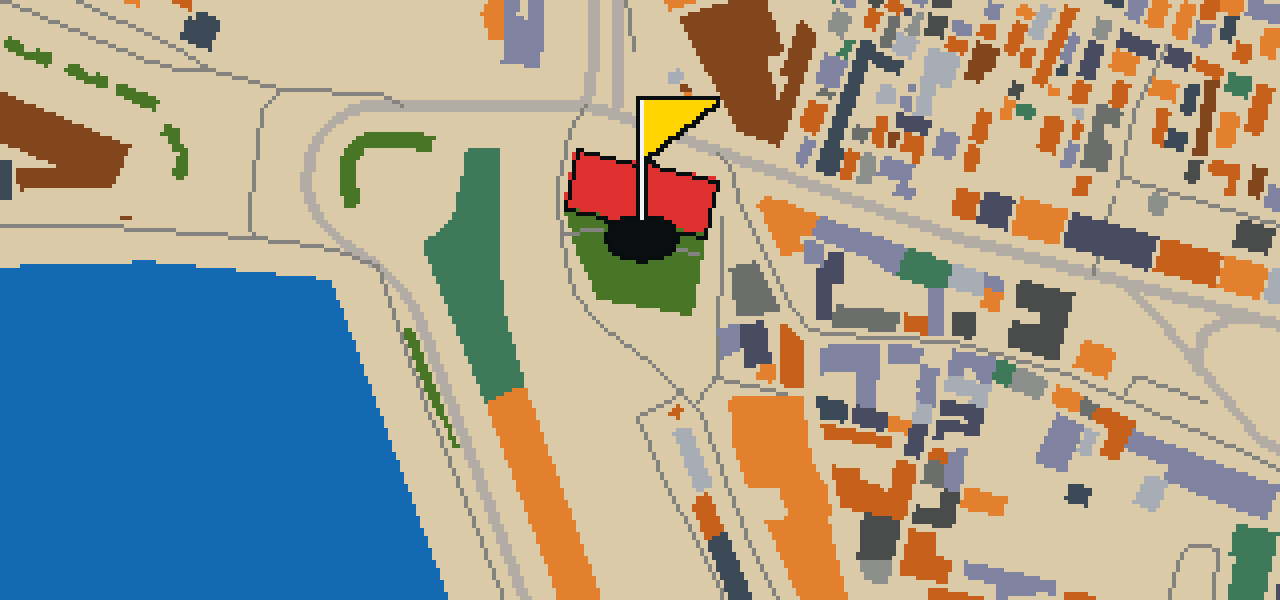
Tvrđava Gripe is a fort designed in the baroque architecture style. You can pick out the distinct curves and ornamentation characteristic of this period throughout its construction, making it a standout example of the era's aesthetic. Beyond its physical form and the way it was built, the site is recognized as a cultural property. It is officially included in the Register of Cultural Goods of Croatia, which marks its importance to the national heritage. I find the layout of the grounds quite pleasant for a stroll, though I usually stick to the higher ledges for a better view of the surrounding area. Whether you are interested in the military history of the region or simply appreciate the art of baroque building, this location offers a clear look at how these structures were organized.
Source
STOP 4Galerija umjetnina
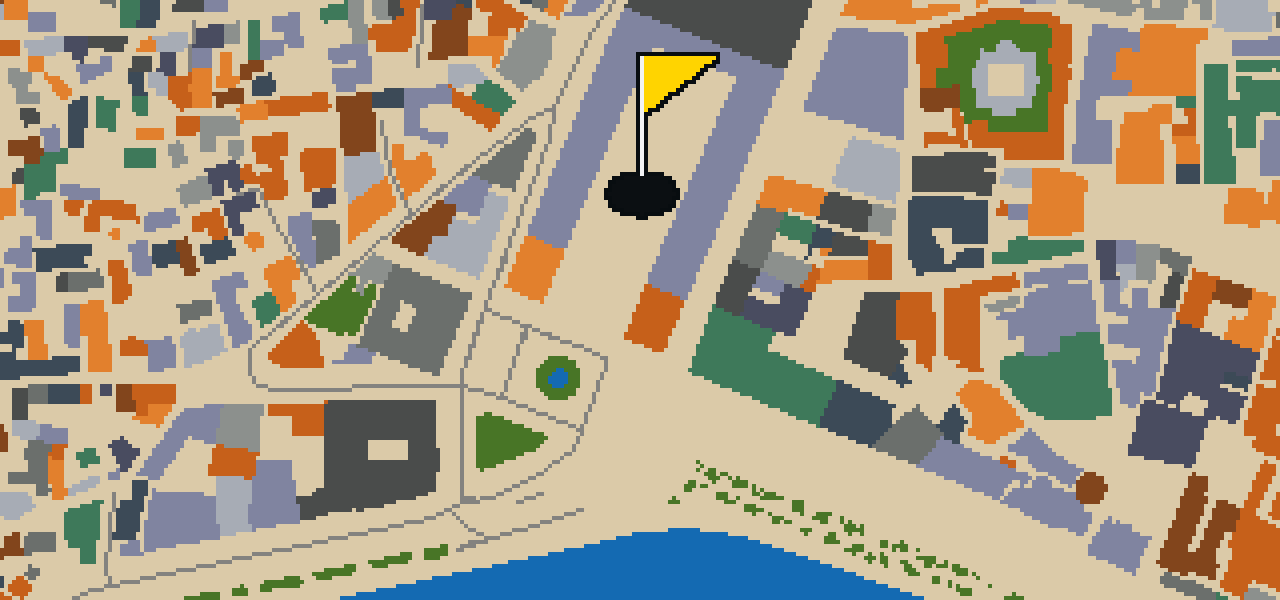
Let me show you Galerija umjetnina, an art museum located in Split, Croatia. Founded in 1931, this museum is dedicated to preserving and displaying a wide array of creative works. Inside, you can find a permanent exhibition of paintings and sculptures, including pieces by Ignjat Job, Emanuel Vidović, Mato Celestin Medović, Branislav Dešković, Vlaho Bukovac, and Ivan Meštrović. The collection spans a vast timeline, featuring works from the 14th century up to the present day. Beyond the permanent displays, the museum holds special exhibits of works by contemporary artists and maintains an extensive collection of icons. It is a great place to see how the local artistic style has evolved over several centuries. I find the variety of textures in the sculpture gallery particularly interesting.
Source · Source
STOP 5Nadbiskupska palača
Let me show you Nadbiskupska palača, which is a palace here in Split. When you are exploring the area, you can pick out this building as a key piece of the local architecture. It is important to note that Nadbiskupska palača is part of the Register of Cultural Goods of Croatia, meaning it is officially documented and protected as a site of cultural significance. Whether you are a history enthusiast or just someone enjoying a stroll through the streets, it is a landmark that represents the formal heritage of the region. I often see people pausing here to admire the facade, and from my view in the sky, it fits perfectly into the layout of the surrounding neighborhood. It is a great spot to stop and appreciate the city's enduring character before moving on to your next destination.
Source
STOP 6Trg Republike
Let me show you Trg Republike. This location is a square. It is a place where people gather in the heart of the city. You can pick out the open space as you navigate the surrounding streets. I find it is a great spot to watch the world go by while I look for crumbs.
Source
STOP 7Arheološki muzej
Let me show you the Arheološki muzej. It was established in 1820 by a decree of the Dalmatian government in Zadar, and it is the oldest museum in Croatia. Inside, the collections are vast. Some 150,000 artifacts cover prehistoric times, the period of Greek colonization of the Adriatic, Roman Provincial and Early Christian era to the early Middle Ages and the period of Croatian popular rulers. You can pick out collections of Graeco-Hellenistic ceramic objects, Roman glass, ancient clay lamps, bone, and metal articles, gems and coins. There is also a collection of stone inscriptions from Salona. I've noticed that the sheer variety of materials makes for a very colorful walk through the galleries.
Source · Source
STOP 8crkva Svete Trojice
You might expect the churches of Split to follow the grander styles of later eras, but Crkva Svete Trojice is different. This Roman Catholic church is a pre-Romanesque building, representing an older architectural tradition. Historians date early-medieval architectural monuments in Dalmatia back to the period between 8th and 11th century. The structure is a small central edifice with a six-leaf structure of semicircular arches strung around an irregular circle. Because of its historical and architectural value, it is part of the Register of Cultural Goods of Croatia. When you look at the building, you can see how this specific style differs from the more common cathedrals found throughout the region, providing a glimpse into the early medieval period of the Dalmatian coast.
Source · Source
STOP 9Stadion Park mladeži
You might be looking for the largest pitch in town, but let me show you Stadion Park mladeži. It is a sports venue and the second largest football stadium in Split, Croatia. While it may not hold the top spot for size, it is a significant location for the city's sporting culture. Specifically, it is home to the RNK Split football club. Whether you are a football fan or just passing through, it is a landmark that defines the athletic spirit of the area. I usually see a lot of excitement around here on match days, with crowds filling the stands to support their team. It is a great example of how the city balances its ancient history with a modern love for the game.
Source · Source
STOP 10Hrvatsko narodno kazalište u Splitu
The Croatian National Theatre in Split is a theatre building and company located in Split, Croatia. It opened in 1893, and its inception was in 1893. This venue is one of the oldest surviving theatres in Dalmatia, making it a significant landmark for those visiting the city. The City of Split owns and operates the theatre, ensuring the site remains a central part of the local community. I've noticed the building has a presence that makes it easy to spot as you navigate the streets. Whether you are interested in the performing arts or just admire old architecture, this spot is a key stop on your journey through the city.
Source · Source