
WINCHESTER - 9 HOLES - FREE

WINCHESTER
CITY MAP MINIGOLF

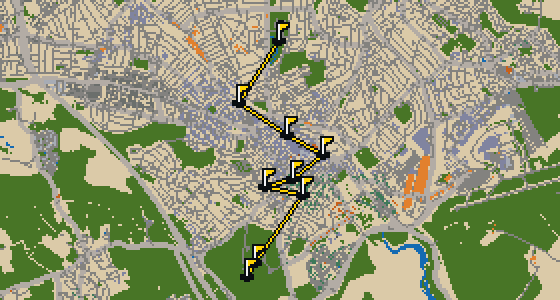
Winchester - 9 stops - par 27

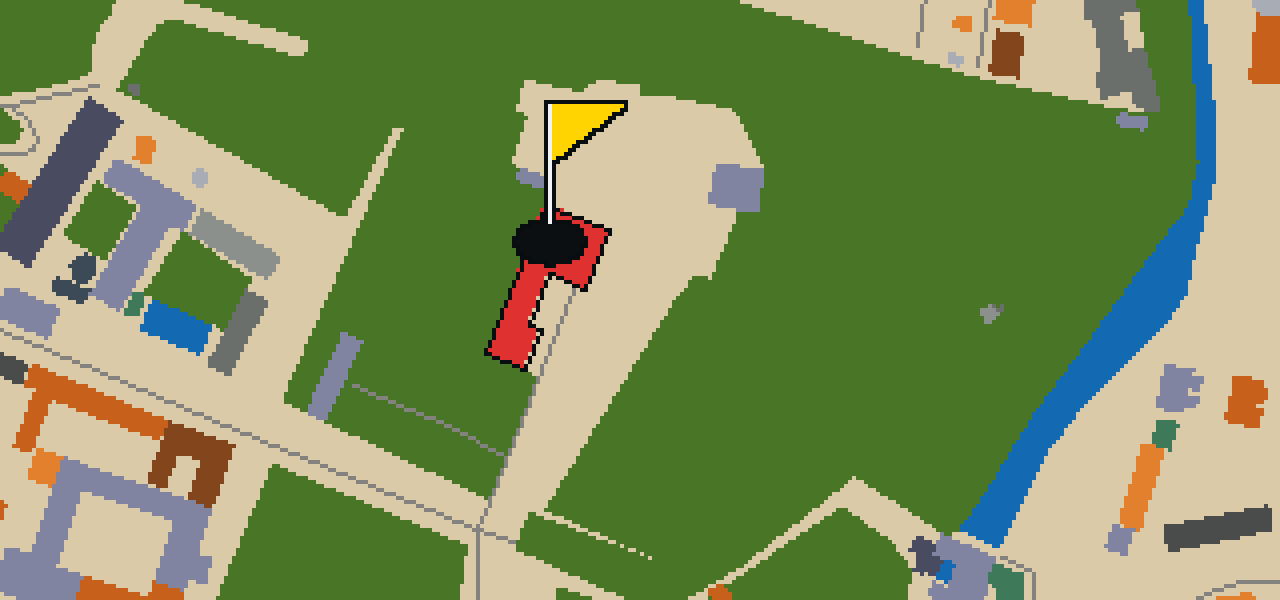
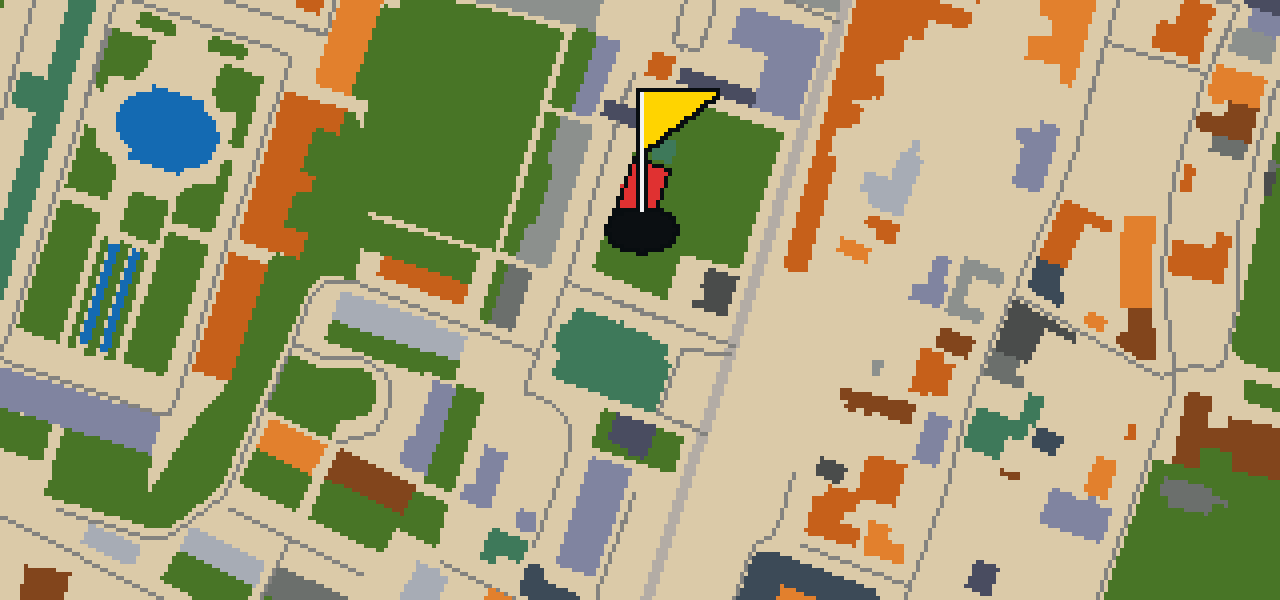
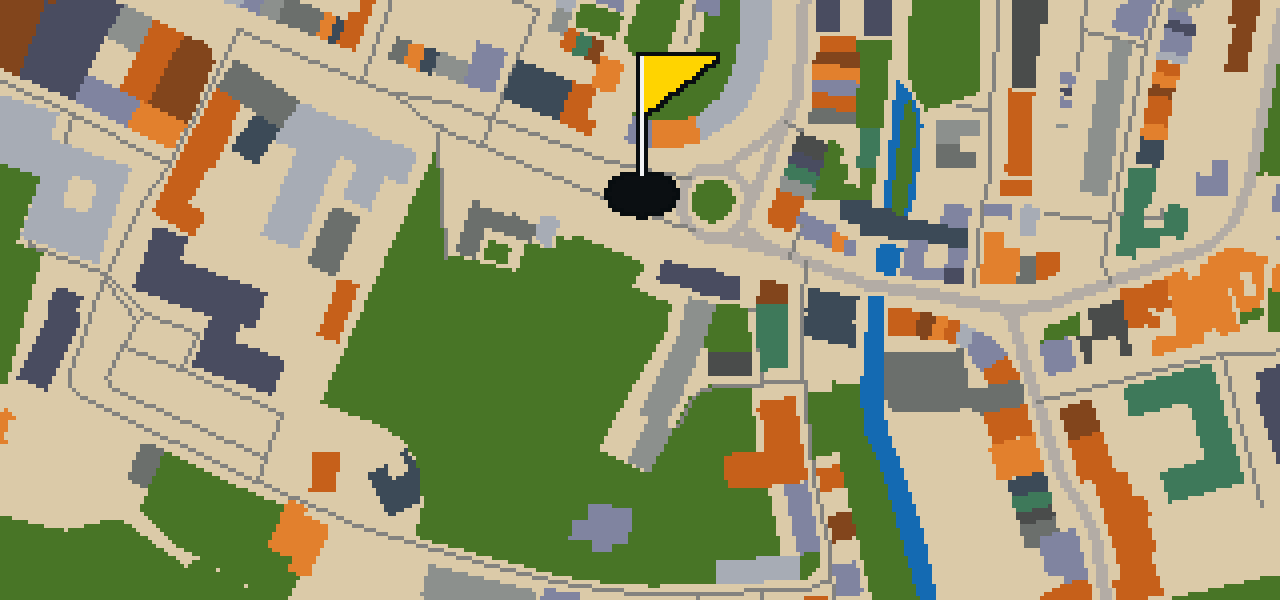
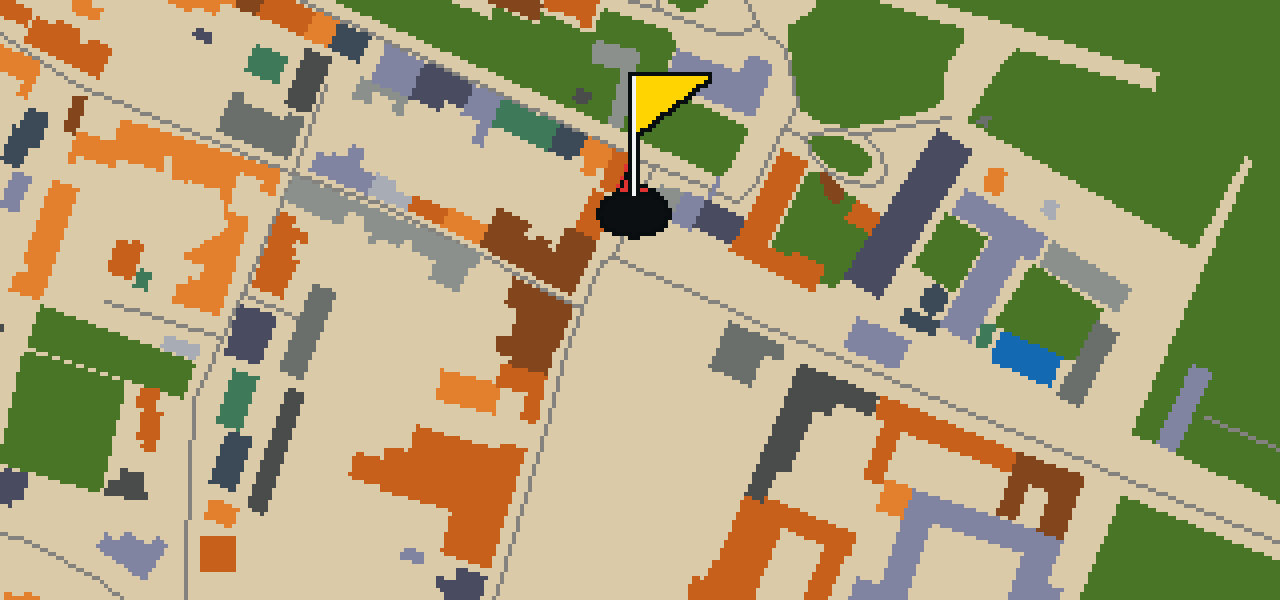
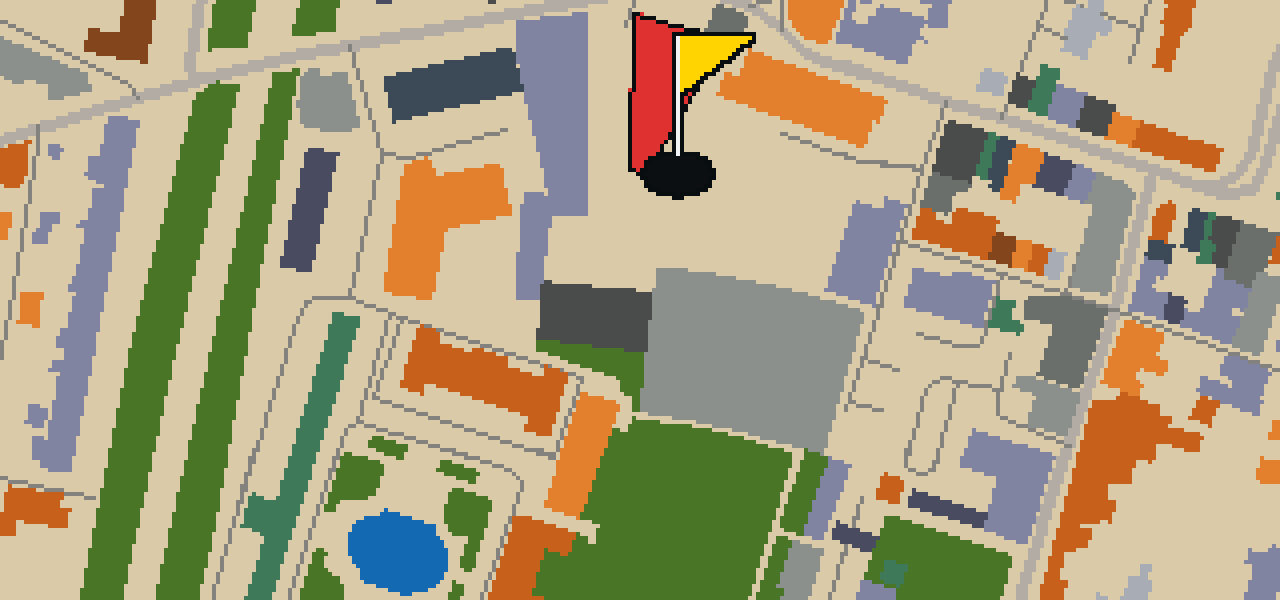
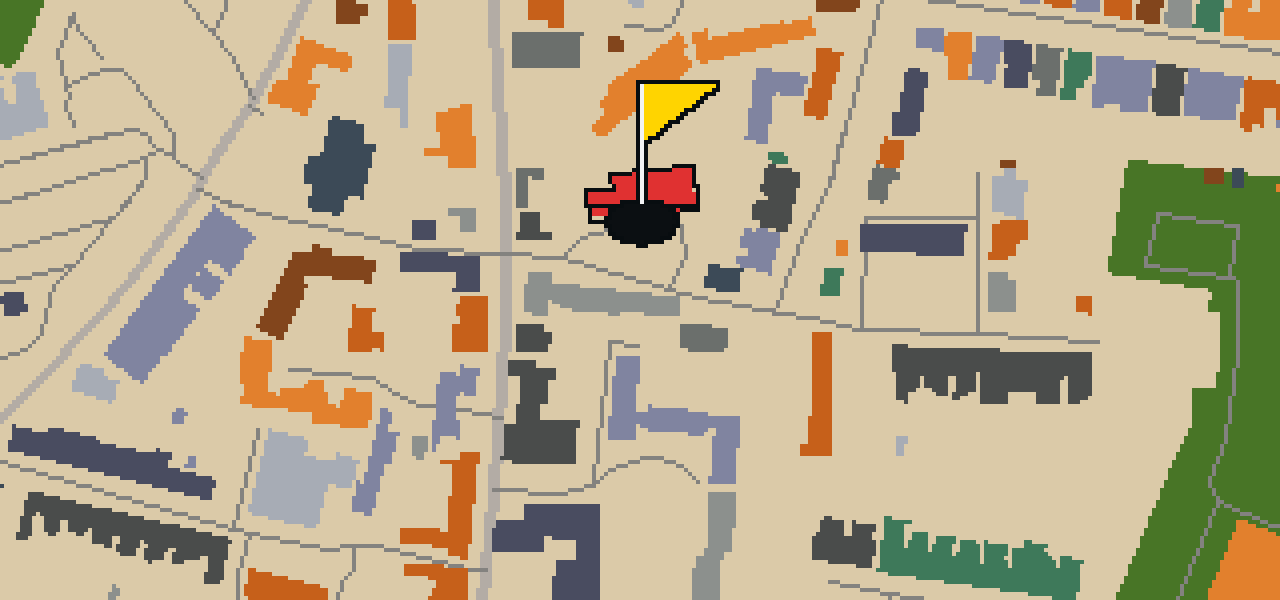
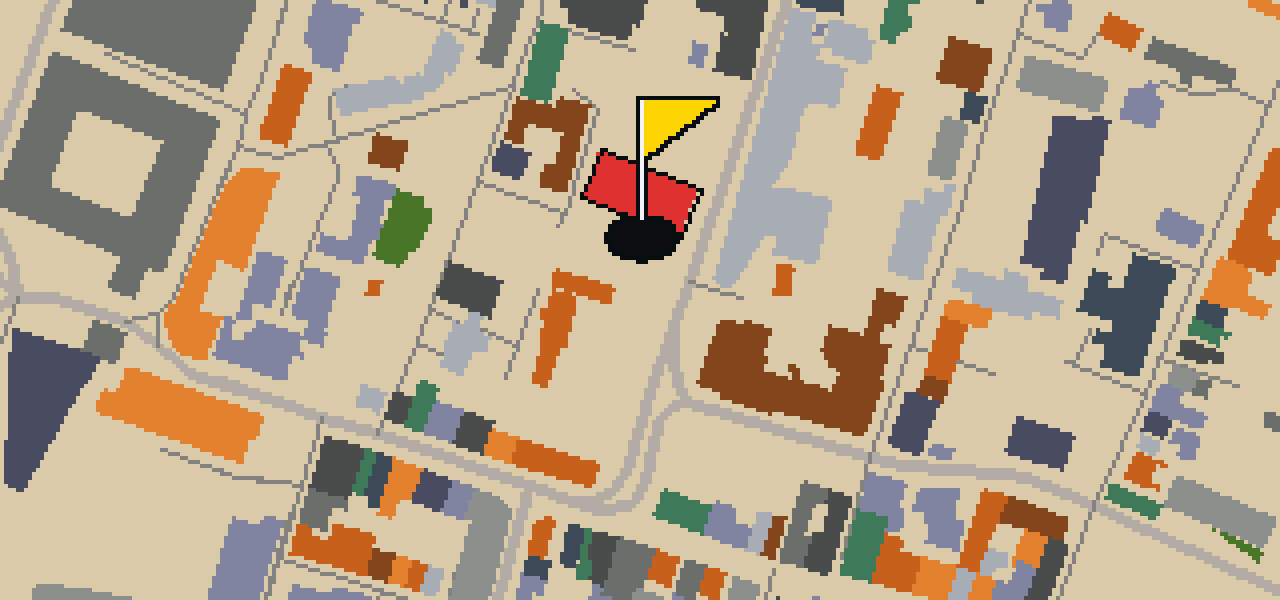
This is Winchester. The map is the real city and the round is played on its real streets, using attractions like Winchester Cathedral as the holes. Skip is a local guide who knows the place. A quick round of 9 holes covers 3.1 mi with a par of 27, using 2 portals to move the ball across the city.

Trouble loading? Open the game in its own tab.

HOW IT WORKS

01

Pick a city

The course is drawn on the real street grid, so the map you play is the map you walk.

02

Putt to the pin

Drag to aim, release to swing. Buildings bounce and water costs you a stroke.

03

Sightsee between strokes

Every hole ends at an attraction. Sink the putt, read the story, walk to the next tee.

THE WINCHESTER ROUND - STOP BY STOP

HOLE 1 - PAR 3

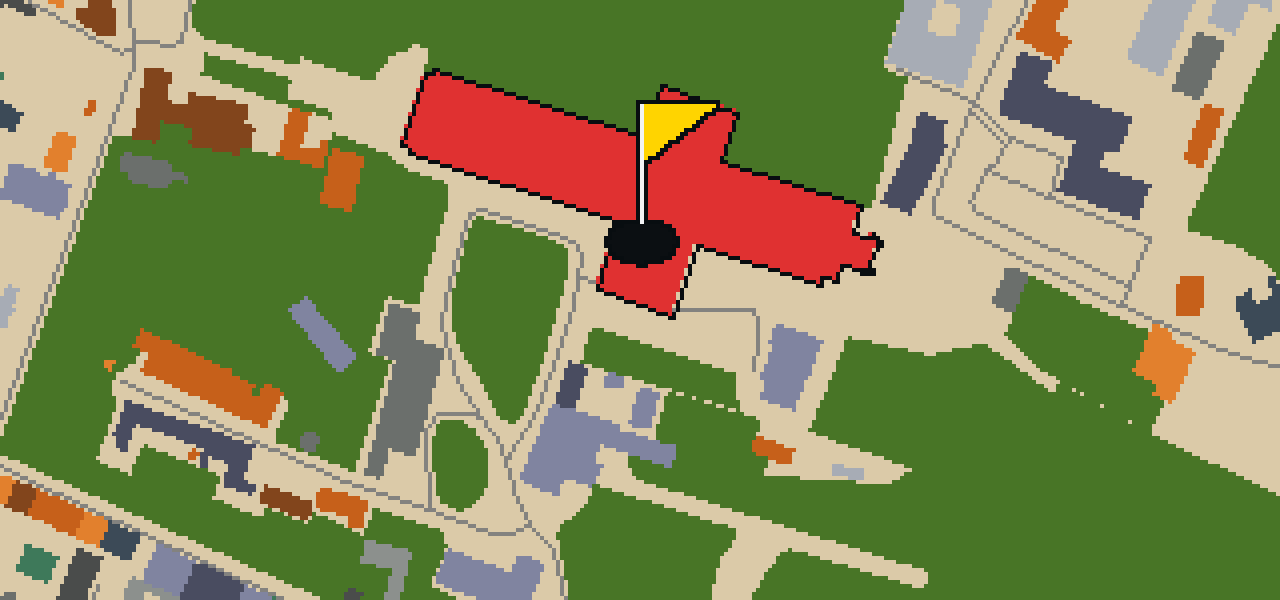
Winchester Cathedral

Winchester Cathedral is an Anglican cathedral and the cathedral of the city of Winchester, England. Built in the Norman architecture style, it is a Grade I listed building. Formally, the site is the Cathedral Church of the Holy Trinity and of Saint Peter and Saint Paul and of Saint Swithun in Winchester. The cathedral is run by a dean and chapter, who operate under the dean of Winchester. As the seat of the bishop of Winchester, it is the mother church for the ancient Diocese of Winchester. Visitors can observe the specific features of the Norman style throughout the building, which remains a central point of faith and history in the city. It is a place of significant architectural heritage that continues to be managed by its dedicated dean and chapter.


Wikidata · Wikipedia

HOLE 2 - PAR 3

Winchester College

You will first notice the storied presence of Winchester College, an independent school in Hampshire. Founded by William of Wykeham in 1382, this boarding school has a long history in the city. It was originally created as a feeder school for New College, Oxford. While it is primarily a boys' school for pupils aged 13–18, the college began accepting both male and female day pupils into its sixth form from September 2022. It is also recognized as a charitable organization. If you look closely at the records, you can see it is the oldest of the nine public schools investigated by the Clarendon Commission. I've found that the atmosphere here feels quite distinct from the busier parts of town.

Wikidata · Wikipedia

HOLE 3 - PAR 3

Wolvesey Castle

Henry of Blois mostly built Wolvesey Castle in the 12th century. Located in Winchester, Hampshire, England, this castle was the main residence of the Bishop of Winchester in the Middle Ages. It is a Grade I listed building and a scheduled monument. While much of the site is known as the castle, the fifteenth-century chapel is now part of Wolvesey Palace. I've found that the ruins provide a great sense of the scale these residences once had. The site's history stretches back quite far, with its inception occurring in 970. When you walk through the grounds, you can see how the structure has evolved over the centuries, from its earliest foundations to the later additions that defined its role as a center of power in the city.

Wikidata · Wikipedia

HOLE 4 - PAR 3

Serle's House

You might expect a military base to be all barracks and fences, but Serle's House is also a regimental museum. This Grade II* listed building was started in 1796 and now functions as an independent museum. It is one of several independent museums that comprise Winchester's Military Museums, offering a specialized look at local history. In 2004, the Royal Hampshire Regiment Museum reopened at this location. I find the architecture of the building makes it a standout spot on the street, though you have to keep an eye out for us pigeons nesting in the eaves. Whether you are interested in the military history or just the structure itself, it is a significant stop in the city for anyone exploring the area on foot.

Wikidata · Wikipedia

HOLE 5 - PAR 3

Alfred the Great

Look closely at the bronze work of this figure before stepping back to see the whole scene. I can show you the Statue of Alfred the Great, which sits right in the centre of Winchester, England. It is a prominent landmark that captures the presence of the king in the heart of the city. The work was designed by Hamo Thornycroft, who created the piece after it was commissioned in 1899. The project reached completion in 1901, and the statue is now a Grade II listed building. Whether you are here for the history or just passing through the streets, it is a focal point of the area. I usually find the crowds gathering around the base, though I prefer the view from the rooftops.

Wikidata · Wikipedia

HOLE 6 - PAR 3

King's Gate

King's Gate is a city gate and a scheduled monument. It is one of two surviving medieval gates to the city of Winchester, England. While the present gate is probably 14th century, the entrance served a royal palace before the Cathedral Close was enclosed in the 10th century. When you look closely at the structure, you can pick out the pedestrian walkways that were added in the 18th century. I've spent plenty of time around these stones, and they always feel like a sturdy anchor to the city's old walls. It is a rare piece of history that allows you to see how the city's boundaries and access points shifted over many centuries of use.

Wikidata · Wikipedia

HOLE 7 - PAR 3

Winchester Castle

Winchester Castle is a castle that was founded in 1067 by William the Conqueror. Located in Winchester, Hampshire, England, it was a royal residence and is now a scheduled monument. As you walk the grounds, you can pick out the Great Hall, which is one of the surviving structures of the castle. This hall houses a museum of Winchester's history, making it a great spot to learn about the local past. You should also look for the Westgate, which once served as the principal defensive gateway of the castle. I've always found the scale of these old walls impressive, even from the air. It is a place where the city's early defensive needs are still visible in the remaining stone and layout of the site.

Wikidata · Wikipedia

HOLE 8 - PAR 3

Holy Trinity Church

This site is not a cathedral, though it shares the city with one. Instead, Holy Trinity Church is a Church of England parish church. Located in Winchester, Hampshire, England, it is a Grade II* listed building. The architecture of the church building is the work of Henry Woodyer. Visitors to the area can find this site among the various historic structures that make up the local parish landscape. It is a place of worship that stands as a point of interest for those exploring the city's religious heritage. The building is recognized for its architectural merit and its status as a listed building ensures its preservation for those who wish to study the work of Henry Woodyer in the heart of Hampshire.

Wikidata · Wikipedia

HOLE 9 - PAR 3

Saint Bartholomew's

You will find Saint Bartholomew's located in Hyde, Winchester, England. It is a Church of England parish church that is recognized as a Grade II* listed building. When you arrive, you can pick out the specific architectural details that earned the church building its protected status. This listing indicates the building is of particular importance, more so than a standard listed structure. The church is a central part of the Hyde neighborhood, providing a place of worship for the local parish. Whether you are visiting for the history of the building or for spiritual reasons, the site remains a significant landmark in this part of the city. It is a quiet spot in the urban landscape of Winchester where the heritage of the Church of England is clearly visible in the stone and structure of the building.

Wikidata · Wikipedia

STOP 10

The United Church Winchester

The Gothic Revival style defines the exterior of The United Church Winchester. Designed by architects Poulton and Woodman, the church building was built between 1852 and 1853. It is located in the centre of the city of Winchester in the English county of Hampshire. The site is set within the northern part of the former county jail. Now a Grade II listed building, it serves the local community as a joint United Reformed and Methodist church. The congregation has functioned as a joint one since 1974. You can see the influence of the architects in the structure of the building as it sits within the historic city center. Visitors can observe how the church building fits into the northern part of the former county jail grounds while remaining a central point of worship for the joint Methodist and United Reformed congregations.

Wikidata · Wikipedia

OTHER COURSES

9 HOLES - PAR 30

Wrekin

9 stops

Wrekin is the setting for this round, where the map is the real city and the ball rolls across its actual streets. The holes are built from real attractions like the Coalport China Museum. I know every nook of this place from a bird's eye view. It is a quick nine-hole round with a par of 30, covering a walk of 4.1 mi.

9 HOLES - PAR 26

Luton

9 stops

This is Luton. The map follows the real city and the round is played on its actual streets, using attractions like Wardown Park Museum as the basis for the holes. Skip knows these pavements well. It is a quick round of 9 holes with a par of 26, covering a 3.4 mi walk with 4 portals to bridge the gaps.

9 HOLES - PAR 29

Stoke-on-Trent

9 stops

Stoke-on-Trent is the setting for this round, with the ball rolling across the real city streets. The course is built from actual attractions, starting with a shot at Vale Park. This quick 9-hole round covers 3.7 mi and uses 2 portals to bridge the gaps. Skip is the local guide for these roads, provided a few crumbs are involved.

9 HOLES - PAR 28

Wolverhampton

9 stops

Banking a ball off the brickwork of the Black Country Living Museum feels different than anywhere else. This round takes place on the real streets of Wolverhampton, where the map is the city itself and the local attractions form the holes. Skip knows every crack in the pavement here. It is a quick round of 9 holes with a par of 28, covering 3.7 mi and using 6 portals to bridge the gaps.

9 HOLES - PAR 25

Kingston upon Hull

9 stops

This is Kingston upon Hull, where the map is the real city and the round is played on its actual streets. The holes are built from real attractions, including the Hull Minster. I know these roads well and am the local guide. It is a quick round of 9 holes with a par of 25, covering a 3 mi walk and using 2 portals.

FAQ

Is it free to play?

Yes. Every course runs in the browser with no account and no install.

Do I need to be in the city?

No. The full round plays from anywhere. Walking the real route is a nice way to see the city, but it is not required.

Are the maps real?

Yes. The geometry comes from OpenStreetMap data, rendered chunky on purpose. Streets, water and parks sit where they really are.