
Swansea - 18 stops - par 58
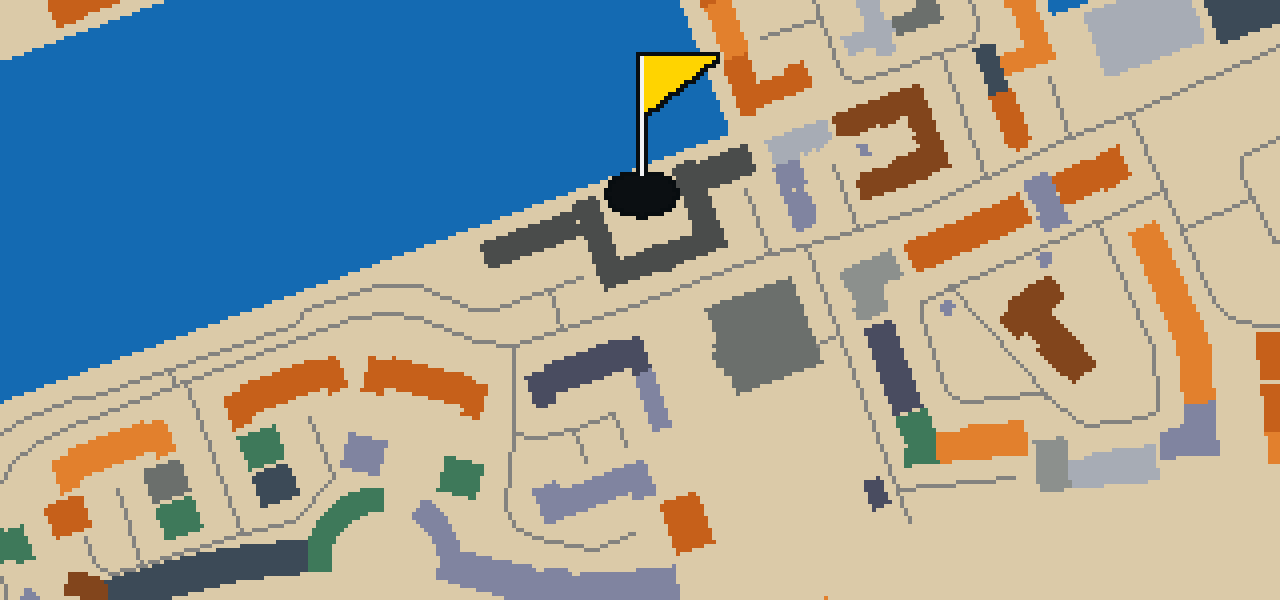
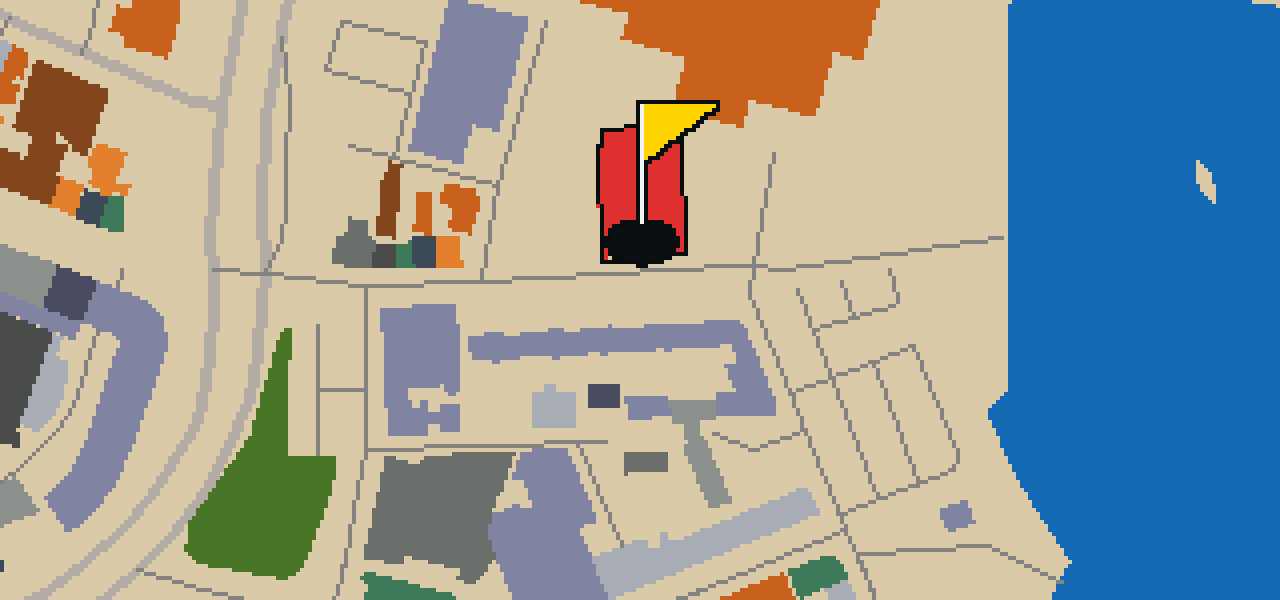
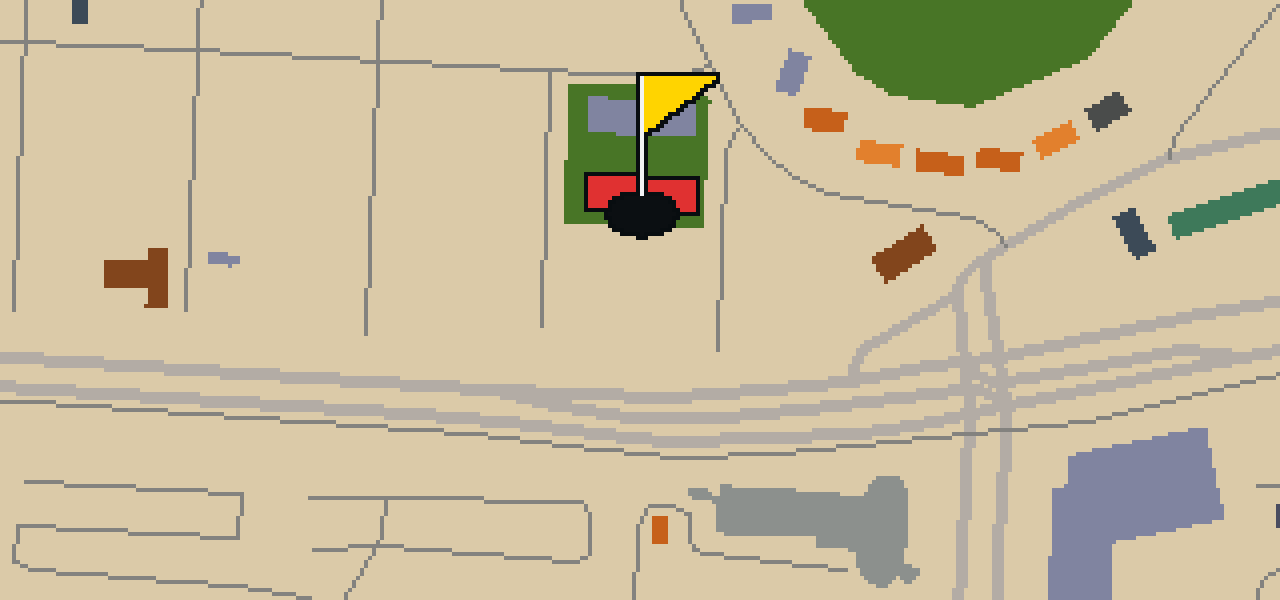
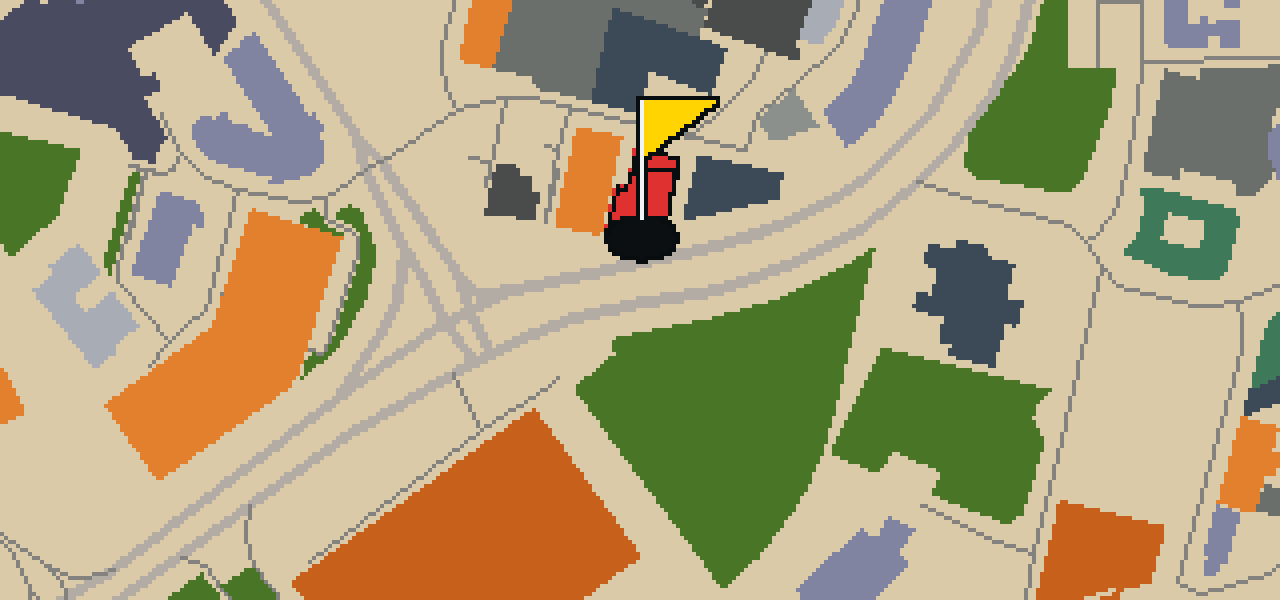
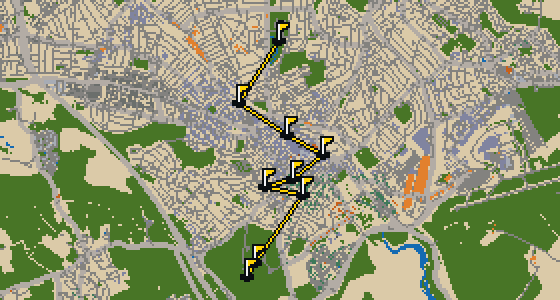
Swansea is the setting for this round, where the map is the real city and the ball rolls across its actual streets. The holes are built from real attractions, including the ruins of Swansea Castle. Skip is a local guide who knows these pavements well, even the bits where the crumbs are best. This full round of 18 holes covers 7.9 mi with a par of 58, using 4 portals to bridge the gaps between the landmarks.
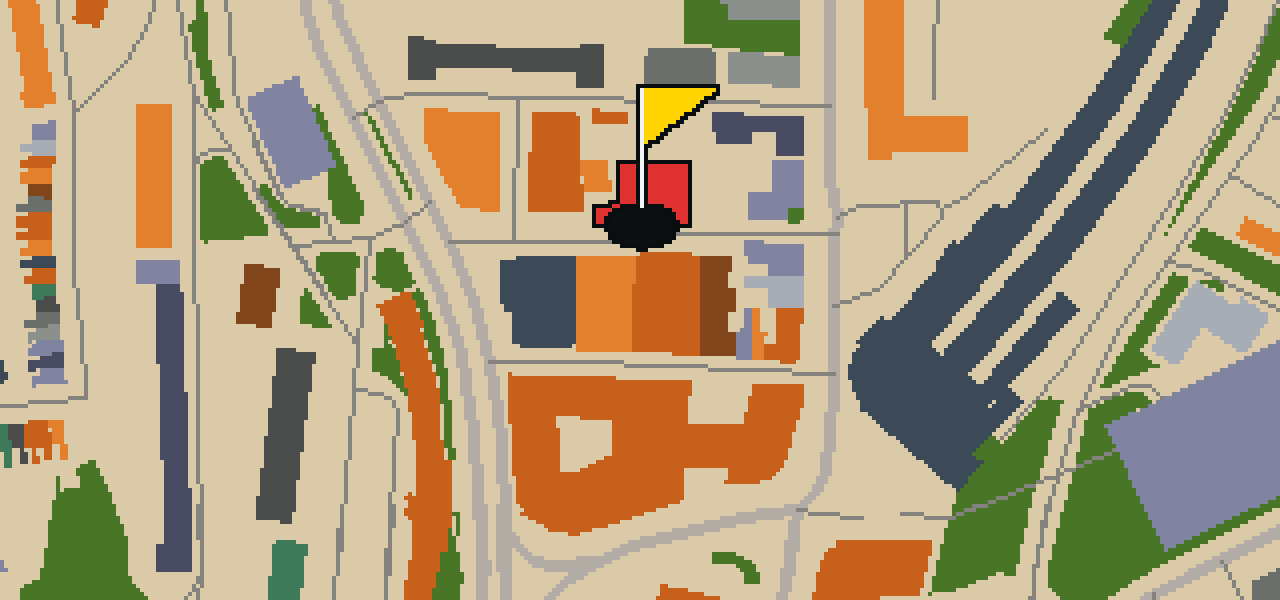
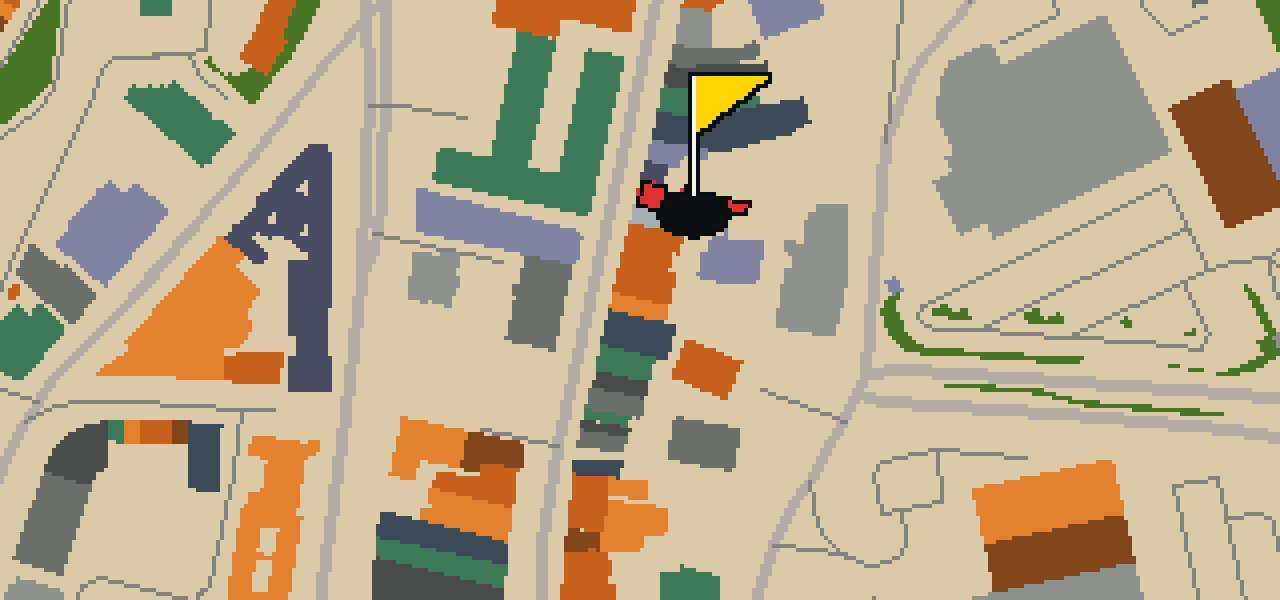
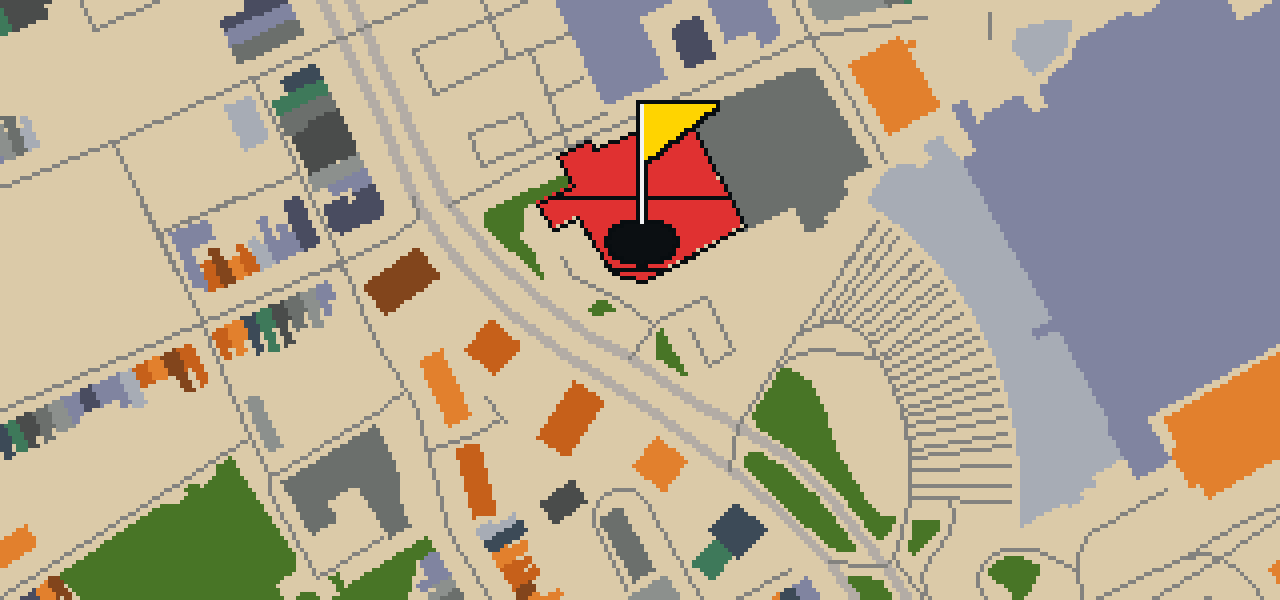
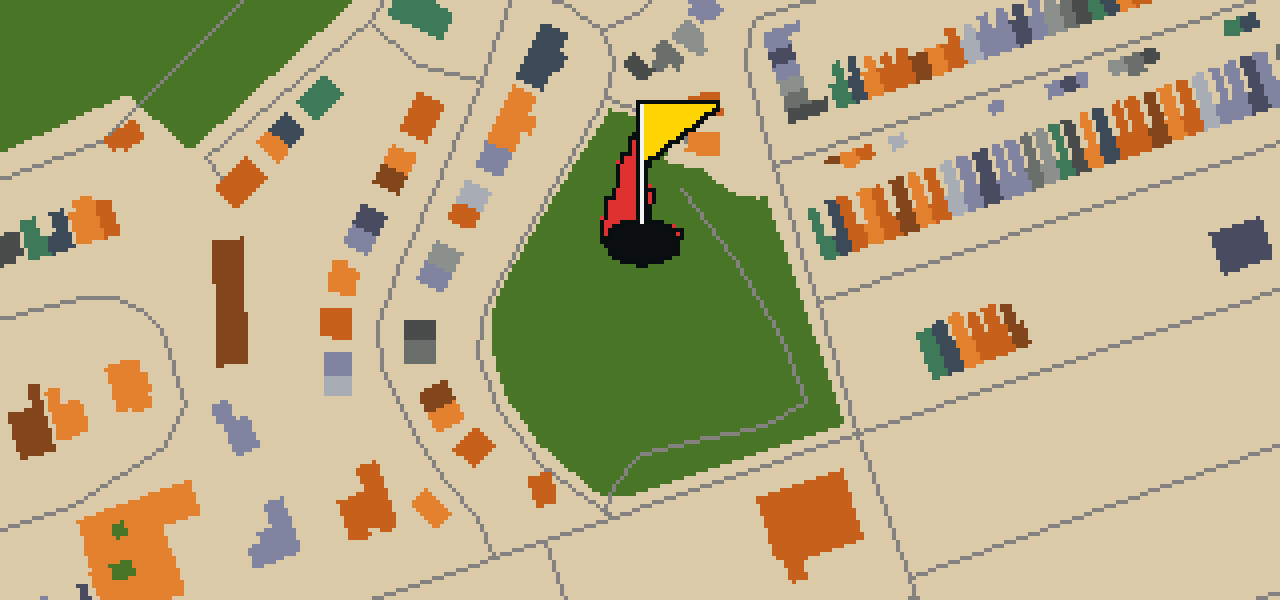
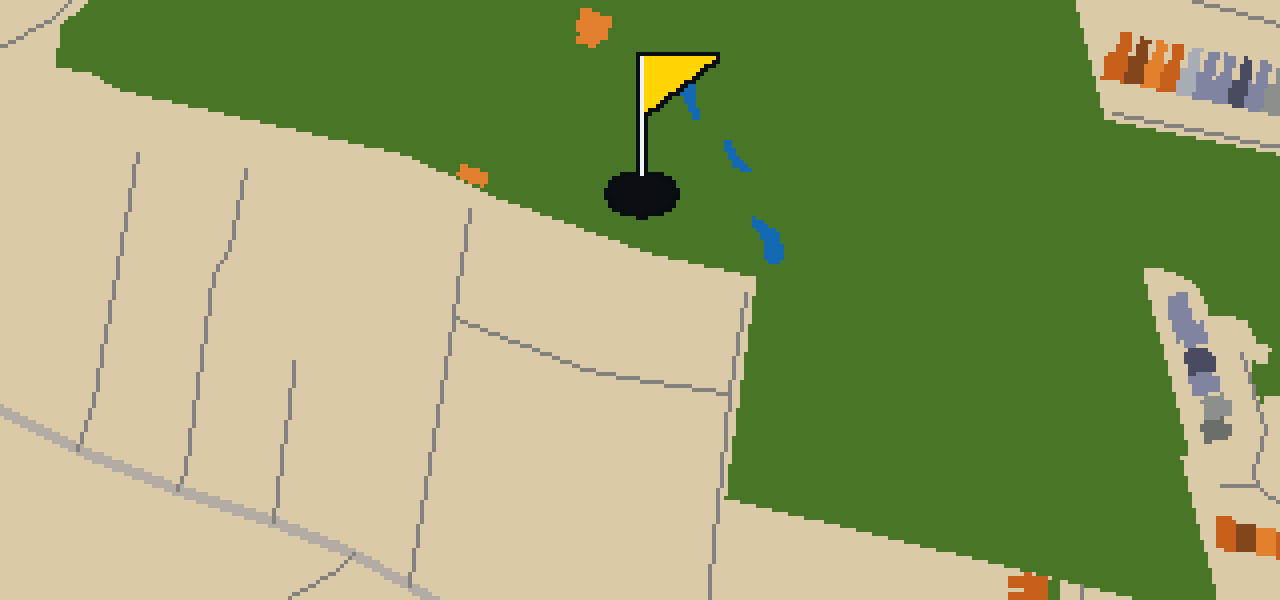
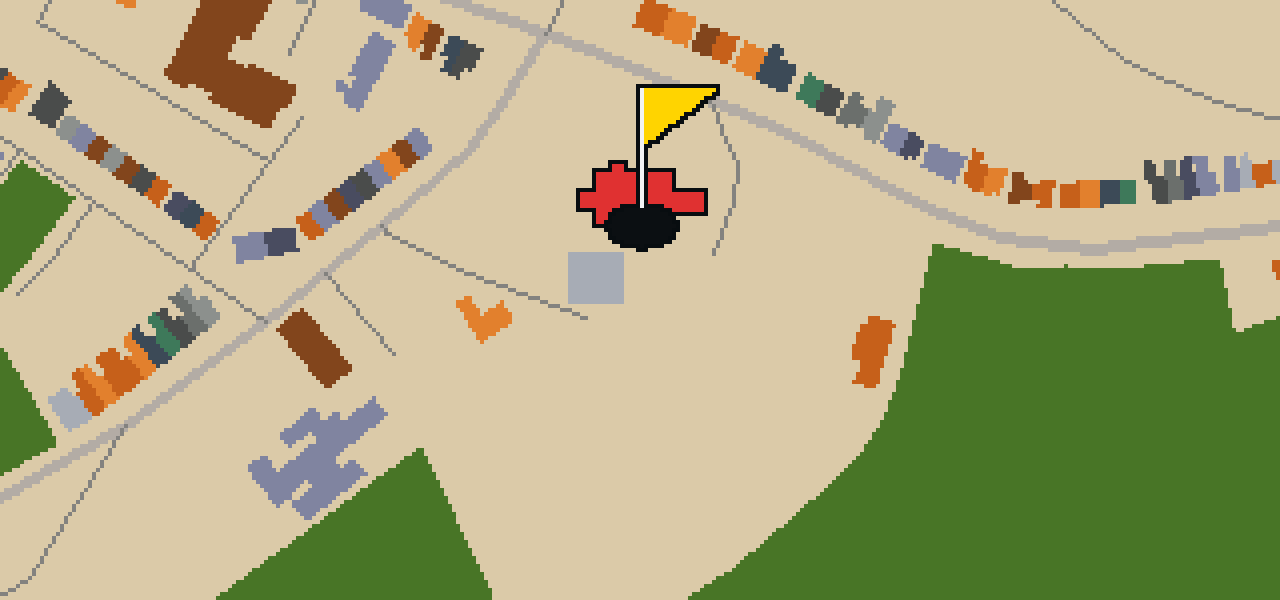
The course is drawn on the real street grid, so the map you play is the map you walk.
Drag to aim, release to swing. Buildings bounce and water costs you a stroke.
Every hole ends at an attraction. Sink the putt, read the story, walk to the next tee.
You might think you are looking at a piece of architecture, but this is actually a statue of John Henry Vivian. Created in 1857, the figure is recognized as a National Monument of Wales. It is also a Grade II listed building. I have noticed that people often stop here to get their bearings before moving on through the city. It is a distinct landmark that stands out against the surrounding streetscape, providing a bit of historical weight to this part of the route for any visitor passing through.
Located in the St Thomas district of Swansea in Wales, Saint Thomas's is a parish church. The structure is recognized as a Grade II listed building and is designated as a National Monument of Wales. Beyond its architectural and historical status, the church is the only church in Swansea to operate a 24/7 congregation and food bank. It is a significant site within the city that provides continuous support to those in need through these services.
York Place Baptist Church is a chapel. This building is a Grade II listed building, meaning it is recognized for its special architectural or historic interest. Furthermore, it is a National Monument of Wales. These designations highlight the importance of the site to the heritage of the region and the nation. Visitors to Swansea can see the chapel as a preserved example of the city's religious history and architectural development over time.
Mount Pleasant Baptist Chapel is a Protestant church building. Visitors will first notice the architectural presence of this chapel, which is a Grade II* listed building. This designation marks the building as being of particular importance. In addition to its listed status, the chapel is recognized as a National Monument of Wales. It is a site of significance in Swansea that remains an important example of a Protestant church building for those visiting the city.
This site is not a civic hall or a museum, but the Ebenezer Baptist Church. It is a Protestant church building and a chapel that holds a Grade II* listing. When you look at the structure, you can see the work of the architect Thomas Thomas in its design. Because of its historical and cultural importance to the region, the building is also a National Monument of Wales. It remains a significant example of its type within the city of Swansea for any visitor to observe.
Let me show you Elysium, which is located right in the heart of Swansea. This spot is a pub where people can gather and relax. Whether you are passing through the city or staying for a while, it is a useful landmark to know in the neighborhood. I've noticed it's a handy place to spot when you're navigating the local roads.
The Swansea Grand Theatre is a theatre building and movie theater that dates back to 1897. Designed by architect William Hope, it is a performing arts venue located in the centre of Swansea, Wales. You can find a variety of productions here, as the theatre stages plays, pantomimes and touring theatrical acts visiting the city. I've always found the history of the stage fascinating, especially since this building was once the base for the Swansea Ballet Russe, which was the only Russian ballet company in the UK.
Christ Church is a church building. It is a Grade II listed building. This status means the building is recognized for its special architectural or historic interest. Visitors to the city can find this landmark as they navigate the streets of Swansea.
You might expect a place called the Mansion House to be a public hotel or a government office, but it began its life as a private residence. Located on Ffynone Road in Swansea, Wales, this building is a key piece of local history. While it started as a home for a single family, its purpose changed in the early twentieth century. Since 1922, the Mansion House has accommodated the official residence of the Lord Mayor of Swansea. It is a great spot to pause and admire the architecture before you move on to the next part of the city.
Let me show you the Egypt Centre. This site is a university museum, which means it handles both education and public display. It is also an organization. You can pick out a variety of Egyptian pieces while you are here. I find it is a great spot to stretch your wings.
You might expect a quiet garden here, but you'll find St Helen's Ground instead. This sports venue is a central hub for rugby union and cricket in Swansea. It has been the home ground of Swansea RFC, and the Swansea Cricket Club called it home until 2025. Looking ahead, the Ospreys have planned to return to the ground after 20 years. I've seen plenty of athletes pass through here, and it always brings a great energy to the neighborhood. It is a place where the local sporting spirit really comes alive for everyone visiting the city.
You will find the Vetch is a stadium that once defined the sporting spirit of Swansea, Wales. It was the home ground of Swansea City A.F.C. from the club's founding until its closure in 2005. At its peak, the ground held upwards of 30,000 people, though that capacity was reduced to around 12,000 by the time the gates finally closed. After leaving this site, the club relocated to a newly constructed stadium named the Liberty Stadium. I always think it's a bit like an old pair of boots; it might be worn out, but it has a lot of stories to tell.
Wrekin is the setting for this round, where the map is the real city and the ball rolls across its actual streets. The holes are built from real attractions like the Coalport China Museum. I know every nook of this place from a bird's eye view. It is a quick nine-hole round with a par of 30, covering a walk of 4.1 mi.
This is Luton. The map follows the real city and the round is played on its actual streets, using attractions like Wardown Park Museum as the basis for the holes. Skip knows these pavements well. It is a quick round of 9 holes with a par of 26, covering a 3.4 mi walk with 4 portals to bridge the gaps.
Stoke-on-Trent is the setting for this round, with the ball rolling across the real city streets. The course is built from actual attractions, starting with a shot at Vale Park. This quick 9-hole round covers 3.7 mi and uses 2 portals to bridge the gaps. Skip is the local guide for these roads, provided a few crumbs are involved.
Banking a ball off the brickwork of the Black Country Living Museum feels different than anywhere else. This round takes place on the real streets of Wolverhampton, where the map is the city itself and the local attractions form the holes. Skip knows every crack in the pavement here. It is a quick round of 9 holes with a par of 28, covering 3.7 mi and using 6 portals to bridge the gaps.
This is Kingston upon Hull, where the map is the real city and the round is played on its actual streets. The holes are built from real attractions, including the Hull Minster. I know these roads well and am the local guide. It is a quick round of 9 holes with a par of 25, covering a 3 mi walk and using 2 portals.
Yes. Every course runs in the browser with no account and no install.
No. The full round plays from anywhere. Walking the real route is a nice way to see the city, but it is not required.
Yes. The geometry comes from OpenStreetMap data, rendered chunky on purpose. Streets, water and parks sit where they really are.