
SALISBURY - 9 HOLES - FREE

SALISBURY
CITY MAP MINIGOLF

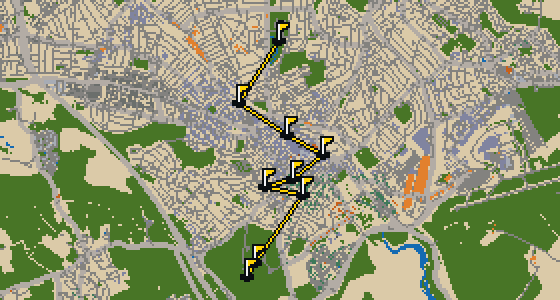
Salisbury - 9 stops - par 25

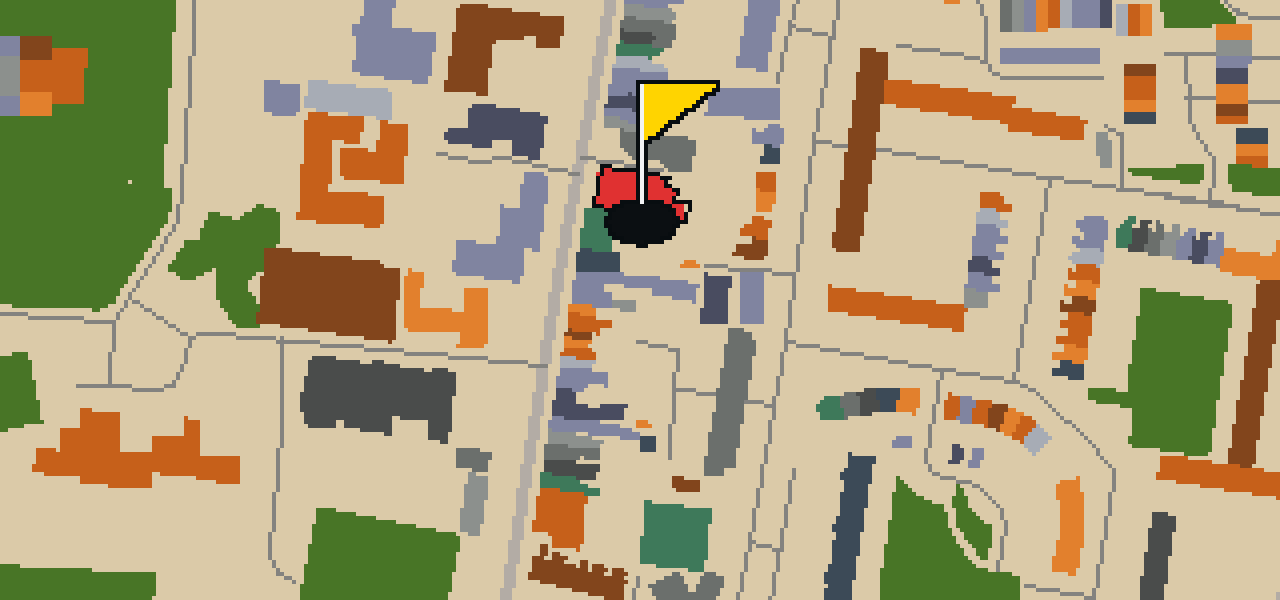
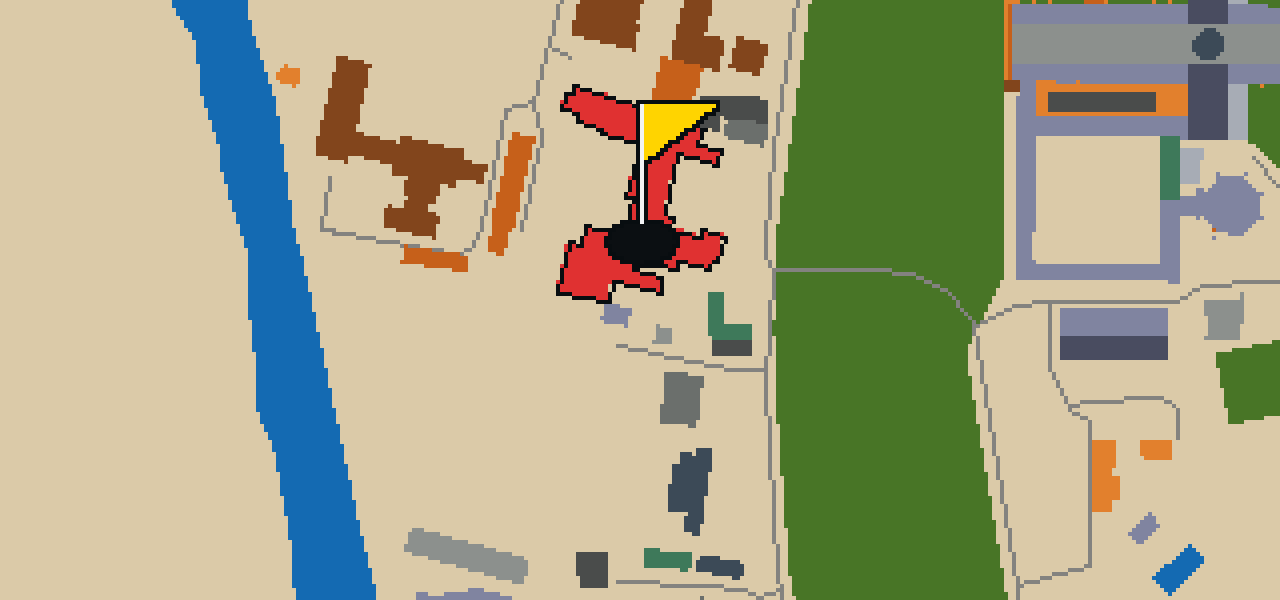
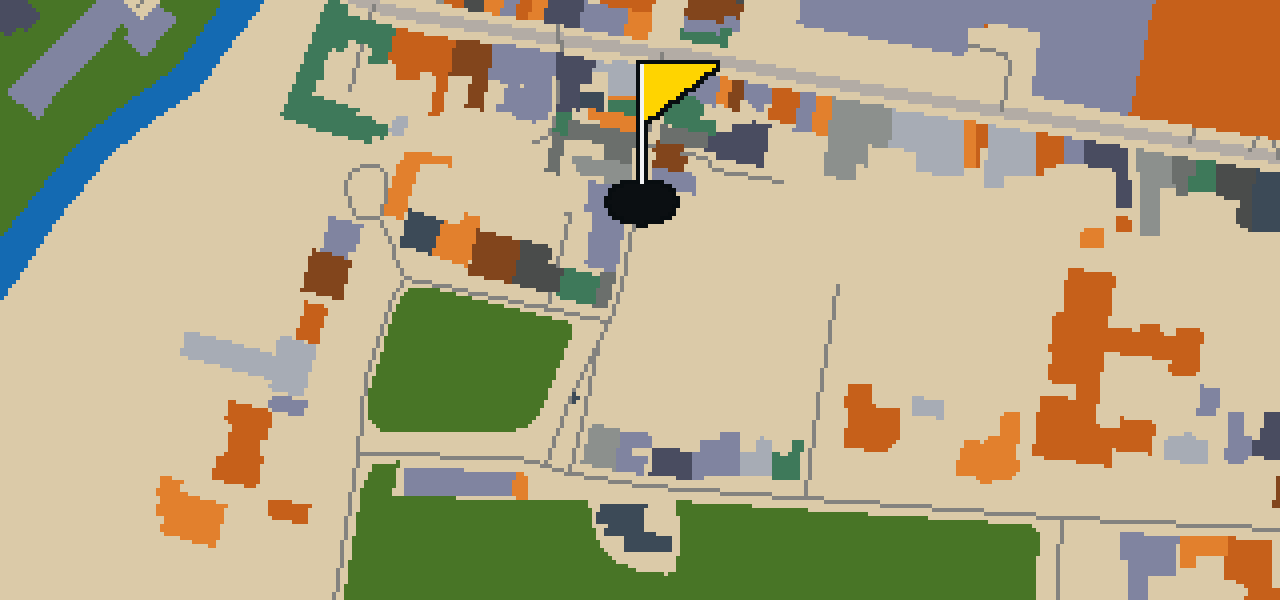
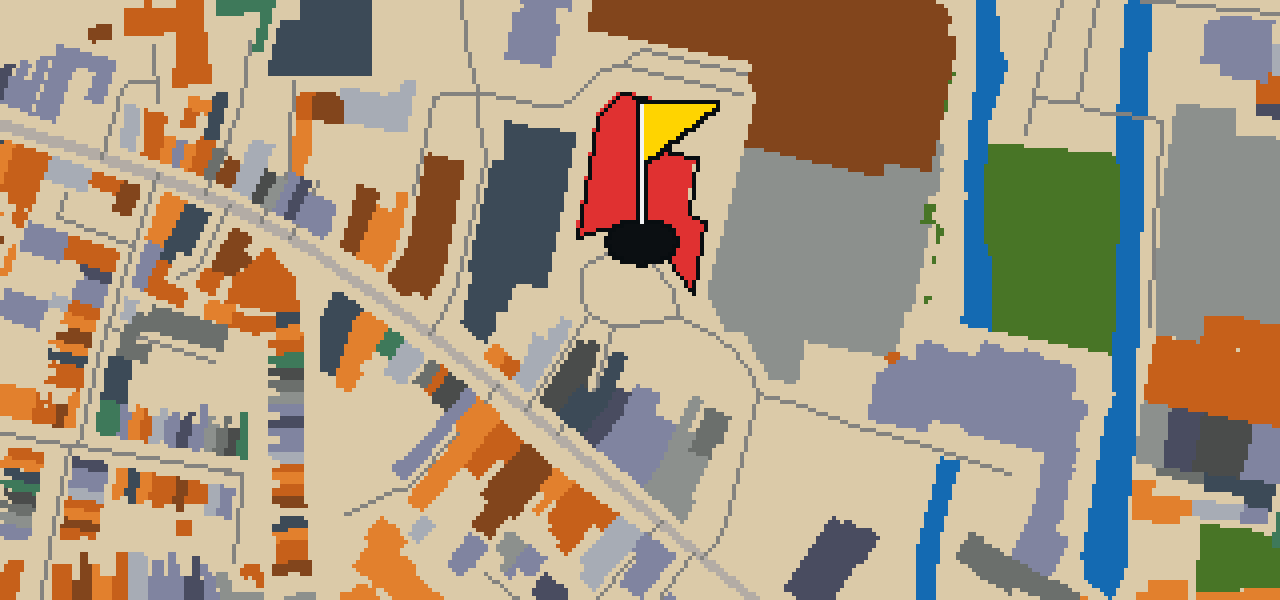
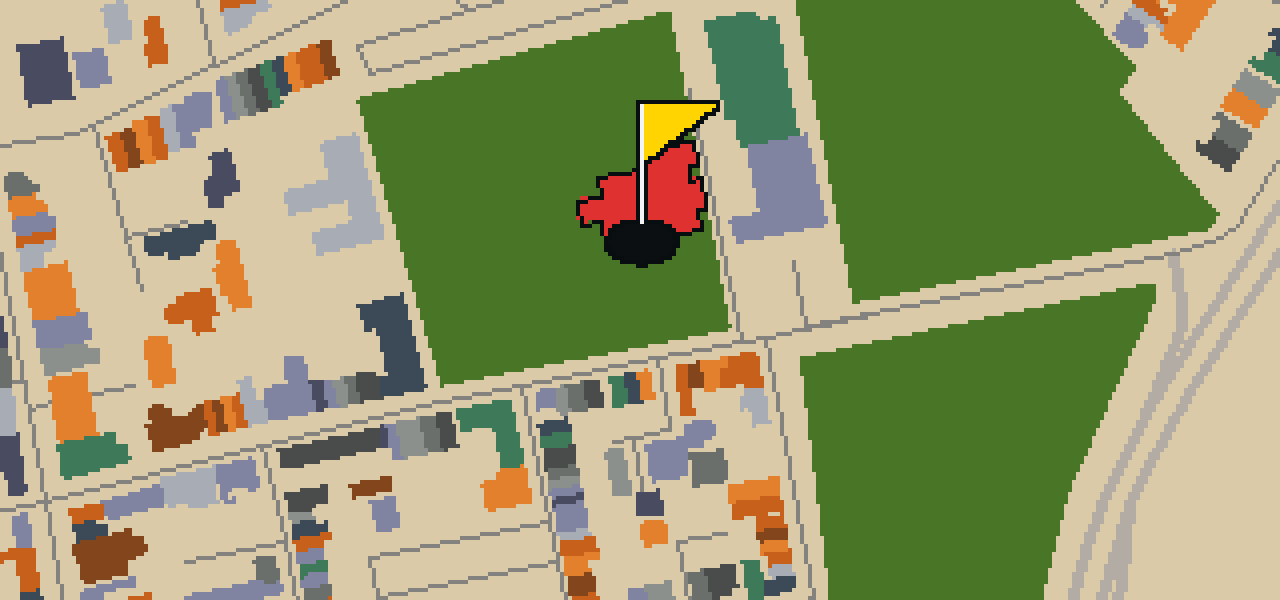
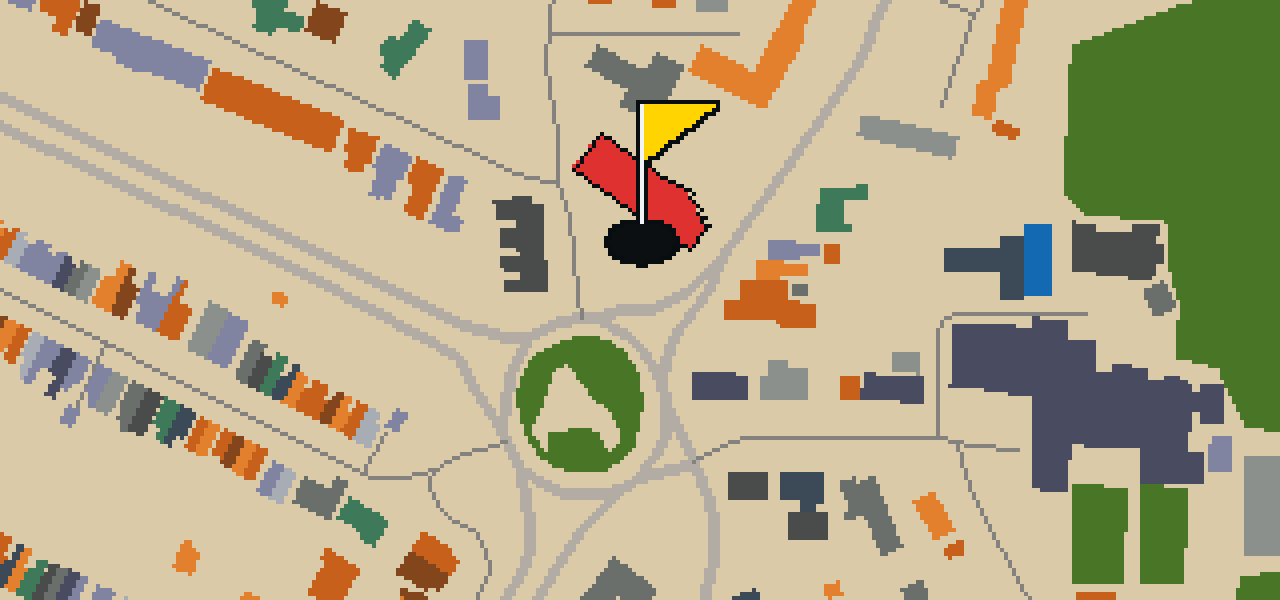
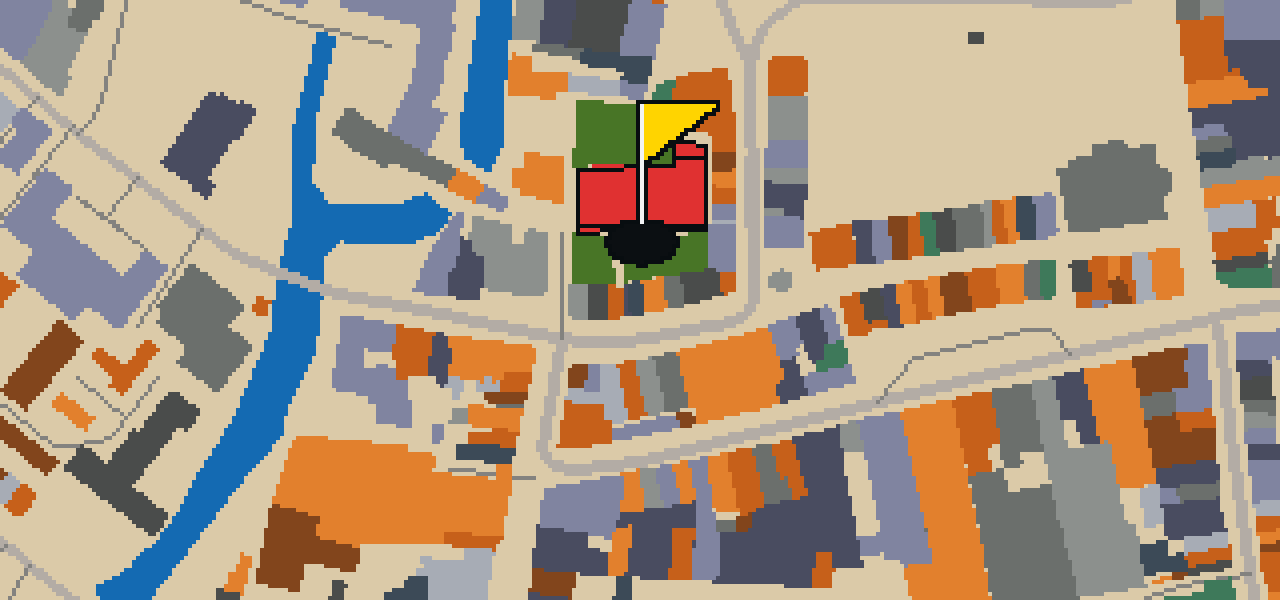
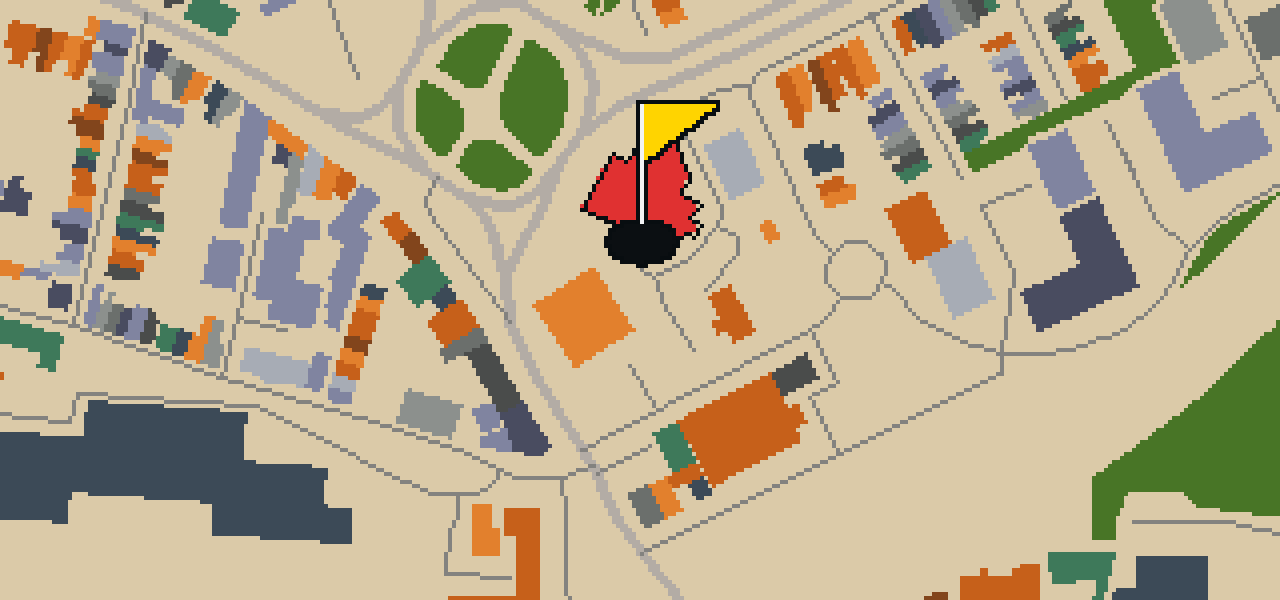
This is Salisbury. The map is the real city and the round is played on its actual streets, with the local attractions as the holes. Skip knows every nook of this place, even the best spots for a crumb. It is a quick round of 9 holes and a par 25, covering a 2.9 mi walk that uses 2 portals to move across town, ending at St Paul's.

Trouble loading? Open the game in its own tab.

HOW IT WORKS

01

Pick a city

The course is drawn on the real street grid, so the map you play is the map you walk.

02

Putt to the pin

Drag to aim, release to swing. Buildings bounce and water costs you a stroke.

03

Sightsee between strokes

Every hole ends at an attraction. Sink the putt, read the story, walk to the next tee.

THE SALISBURY ROUND - STOP BY STOP

HOLE 1 - PAR 2

Salisbury Cathedral

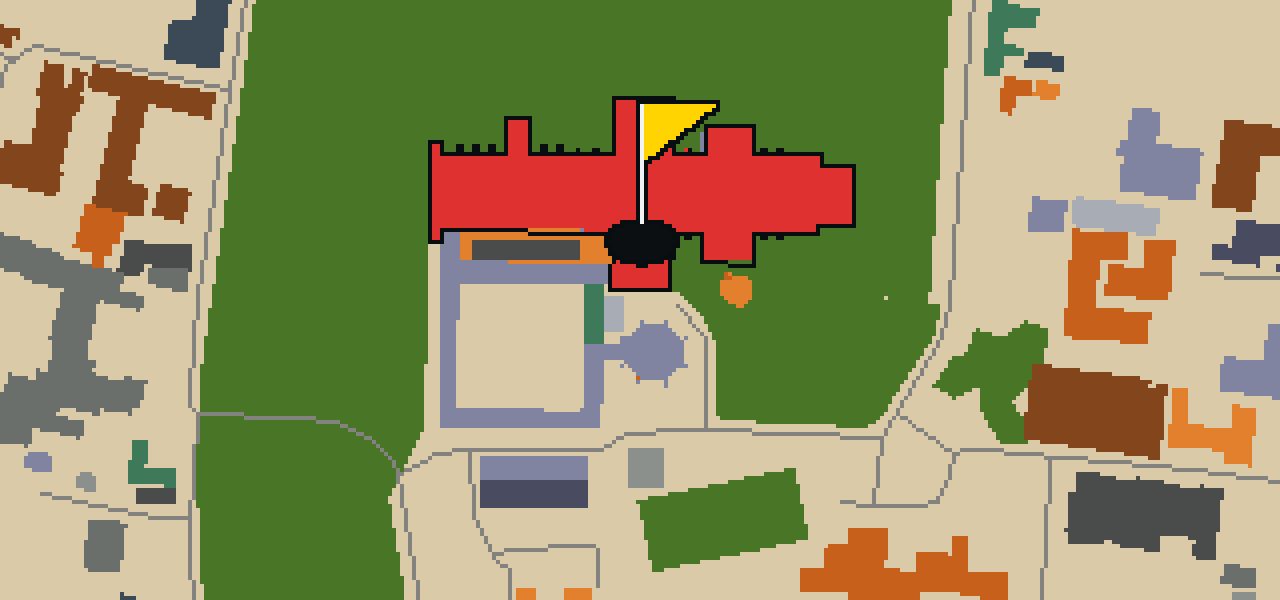
Richard Poore and Elias of Dereham were architects of Salisbury Cathedral. This Anglican cathedral in the city of Salisbury, England, was begun in 1220 and built in the Gothic architecture style. It is a Grade I listed building that is recognized for its height, as the spire stands 404 feet (123 m) tall. The main body of the cathedral was built between 1220 and 1258, though work continued on the exterior elements for another century. The tower and spire were eventually completed by 1330. Visitors can observe the specific characteristics of the Gothic style throughout the site, from the structural layout to the verticality of the spire. The building remains a central part of the city's history and architecture, maintaining its status as a listed building of the highest grade.

Wikidata · Wikipedia

HOLE 2 - PAR 3

The Rifles Museum

Let me show you The Close in Salisbury, where you will find The Rifles Museum. This regimental museum is housed in a building known as The Wardrobe, which is a Grade II* listed building. It is an independent museum that was founded in 1982. Visitors can explore the military history preserved within these walls while taking in the surroundings of the cathedral precinct. I have always found that the architecture of The Wardrobe makes it a standout spot on the walk around the green. Whether you are a history enthusiast or just passing through the city, the site is a notable landmark in the area. It is one of those places where the building itself tells as much of a story as the exhibits kept inside, providing a glimpse into the heritage of the region.

Wikidata · Wikipedia

HOLE 3 - PAR 3

St Osmund Catholic Church

The Gothic Revival style defines the exterior of St Osmund Catholic Church. Located on Exeter Street in the city centre, the church building sits opposite Bishop Wordsworth's School. This site in Salisbury, Wiltshire, England, is a Grade II listed building. It was designed by Augustus Pugin and built between 1847 and 1848. The inception of St Osmund Catholic Church was 1848. Visitors can observe the specific architectural choices made by Pugin in the mid-nineteenth century while walking through the city centre. The building remains a prominent example of the Roman Catholic presence in the area, maintaining its listed status as a point of historical and architectural interest for those passing through the streets of Salisbury.

Wikidata · Wikipedia

HOLE 4 - PAR 2

Salisbury Museum

Founded in 1860, the Salisbury Museum is a local museum in Salisbury, Wiltshire, England. I can show you a place that has spent over a century gathering the history of the region. It is an independent museum that focuses on the treasures found right here in the area. When you visit, you can pick out collections relating to local archaeology and the famous stones of Stonehenge. It is a great spot to see how the local landscape has changed over time. I usually find the archaeological displays the most interesting part of the trip because they show what was hidden beneath our feet. Whether you are interested in the prehistoric era or the growth of the town, there is plenty to see within these walls.

Wikidata · Wikipedia

HOLE 5 - PAR 2

North Gate

Let me show you the North Gate. It is a city gate that is also a Grade I listed building. When you visit, you can pick out the specific architectural details that earned it this high listing status. I find it is a great spot to pause and look at the old stone before moving on to the next part of the city. It is a useful landmark for anyone navigating the streets of Salisbury, whether you are here for the history or just passing through on your way to other sights. Taking a moment to appreciate the scale of the gate helps you understand how the city was structured in the past. It remains one of the most prominent features of the local streetscape for any visitor to notice.

Wikidata

HOLE 6 - PAR 3

Salisbury Playhouse

Wiltshire Creative manages several venues, and the Salisbury Playhouse is the largest of their three performance spaces. Built in 1976, this theatre is part of Arts Council England's National Portfolio of Organisations. It is a hub for the arts that receives regular funding from both Salisbury City Council and Wiltshire Council. When you visit, you can see two distinct stages: the Main House with 517 seats and the Salberg Studio with 149 seats. Beyond the performances, the building houses a daytime café, a rehearsal room, and a dedicated space for education and community use. I've seen plenty of folks popping into that café for a break between shows, and it is a great spot to relax before the curtains go up for the evening.

Wikidata · Wikipedia

HOLE 7 - PAR 3

Salisbury Arts Centre

The Salisbury Arts Centre is a Grade II* listed building. While it is a church building by design, it is also a former church building. Today, this site functions as an arts center. You can see how the original architecture of the church building provides a unique setting for the current arts center activities. Visitors can appreciate the preservation of the structure, which allows the building to maintain its historical character while supporting contemporary creative works. The transition from a place of worship to a hub for the arts demonstrates how the city adapts its older buildings for new uses. Whether you are interested in the architectural details of a Grade II* listed building or the local art scene, this location offers a glimpse into both the past and present of the city.

Wikidata

HOLE 8 - PAR 4

St Mark's Church

St Mark's Church is a Church of England church located in Salisbury, Wiltshire, England. The church building was built in 1892–94, following the specific designs of Joseph A. Reeve. It is a Grade II listed building, which is a designation that recognizes its architectural and historical interest. This listing status has been in place since 1974. Visitors to the area can observe the structure as a representative example of its era in the city. The building remains a preserved part of the local landscape, maintaining the design intended by Reeve over a century ago.

Wikidata · Wikipedia

HOLE 9 - PAR 3

St Thomas & St Edmund

Above the chancel arch, you can find a large doom painting from the late 15th century or early 16th. This detail is part of St Thomas & St Edmund, a church building located in central Salisbury, Wiltshire. Founded in the early 13th century, this Church of England parish church has a history that began in 1200. While the original structure dates back to that era, the church was rebuilt in the 15th century. Today, it is recognized as a Grade I listed building. Visitors can observe how the structure evolved from its early foundations into the building seen today. It remains an active part of the local community in Salisbury, offering a glimpse into the religious architecture of the region across several centuries of use and reconstruction.

Wikidata · Wikipedia

STOP 10

St Paul's

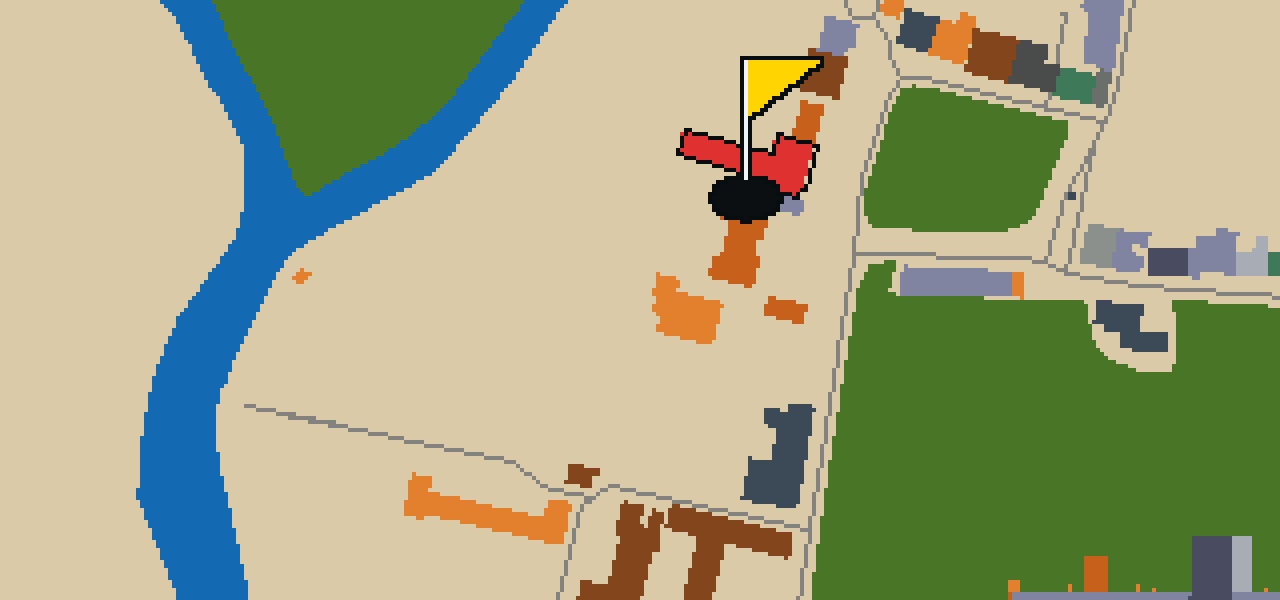
This is not the famous cathedral found elsewhere in the city. Instead, St Paul's is a church building that serves as the Church of England parish church for Fisherton Anger. The structure was designed by architect Thomas Henry Wyatt and was started in 1853. It was also consecrated in 1853. When you look at the exterior and interior of the site, you are seeing a Grade II listed building. It is a place of worship with a congregation that is affiliated to the Evangelical Alliance. Because it is a parish church, it remains a central part of the local community's spiritual life. Visitors can appreciate the specific architectural choices made by Wyatt during the mid-1800s, which contribute to the building's protected status and its presence within the city of Salisbury.

Wikidata · Wikipedia

OTHER COURSES

9 HOLES - PAR 30

Wrekin

9 stops

Wrekin is the setting for this round, where the map is the real city and the ball rolls across its actual streets. The holes are built from real attractions like the Coalport China Museum. I know every nook of this place from a bird's eye view. It is a quick nine-hole round with a par of 30, covering a walk of 4.1 mi.

9 HOLES - PAR 26

Luton

9 stops

This is Luton. The map follows the real city and the round is played on its actual streets, using attractions like Wardown Park Museum as the basis for the holes. Skip knows these pavements well. It is a quick round of 9 holes with a par of 26, covering a 3.4 mi walk with 4 portals to bridge the gaps.

9 HOLES - PAR 29

Stoke-on-Trent

9 stops

Stoke-on-Trent is the setting for this round, with the ball rolling across the real city streets. The course is built from actual attractions, starting with a shot at Vale Park. This quick 9-hole round covers 3.7 mi and uses 2 portals to bridge the gaps. Skip is the local guide for these roads, provided a few crumbs are involved.

9 HOLES - PAR 28

Wolverhampton

9 stops

Banking a ball off the brickwork of the Black Country Living Museum feels different than anywhere else. This round takes place on the real streets of Wolverhampton, where the map is the city itself and the local attractions form the holes. Skip knows every crack in the pavement here. It is a quick round of 9 holes with a par of 28, covering 3.7 mi and using 6 portals to bridge the gaps.

9 HOLES - PAR 25

Kingston upon Hull

9 stops

This is Kingston upon Hull, where the map is the real city and the round is played on its actual streets. The holes are built from real attractions, including the Hull Minster. I know these roads well and am the local guide. It is a quick round of 9 holes with a par of 25, covering a 3 mi walk and using 2 portals.

FAQ

Is it free to play?

Yes. Every course runs in the browser with no account and no install.

Do I need to be in the city?

No. The full round plays from anywhere. Walking the real route is a nice way to see the city, but it is not required.

Are the maps real?

Yes. The geometry comes from OpenStreetMap data, rendered chunky on purpose. Streets, water and parks sit where they really are.