
LONDON - 18 HOLES - FREE

LONDON
CITY MAP MINIGOLF

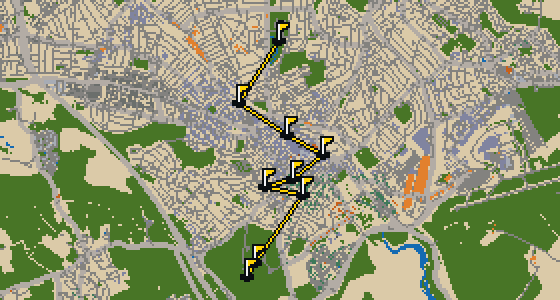
London - 18 stops - par 57

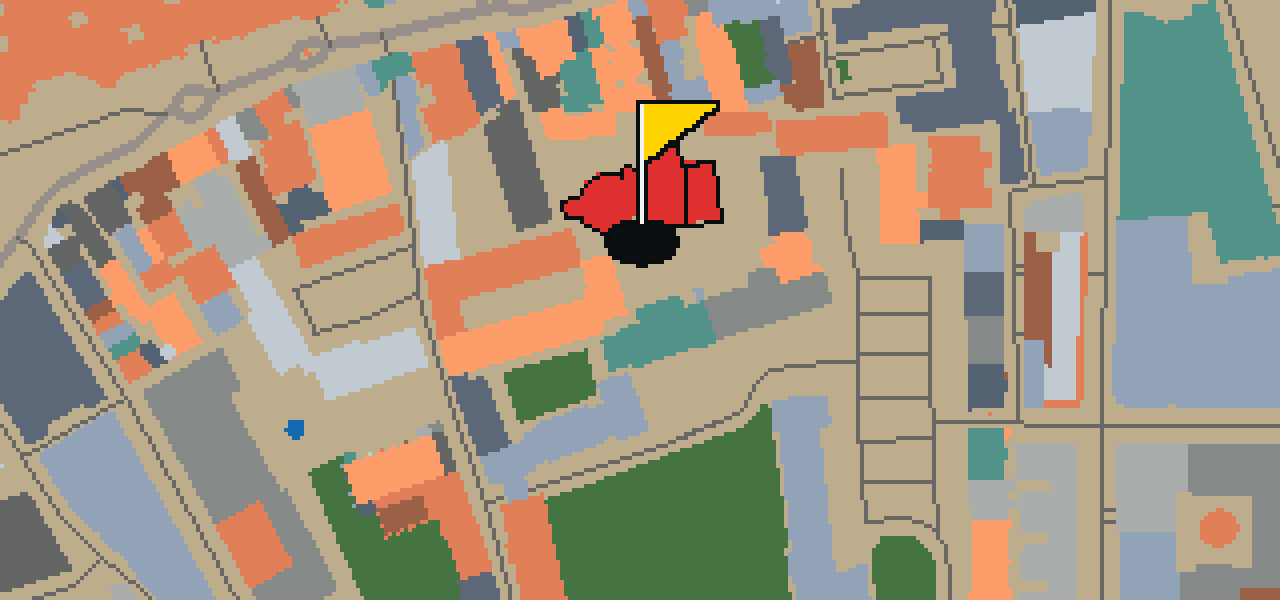
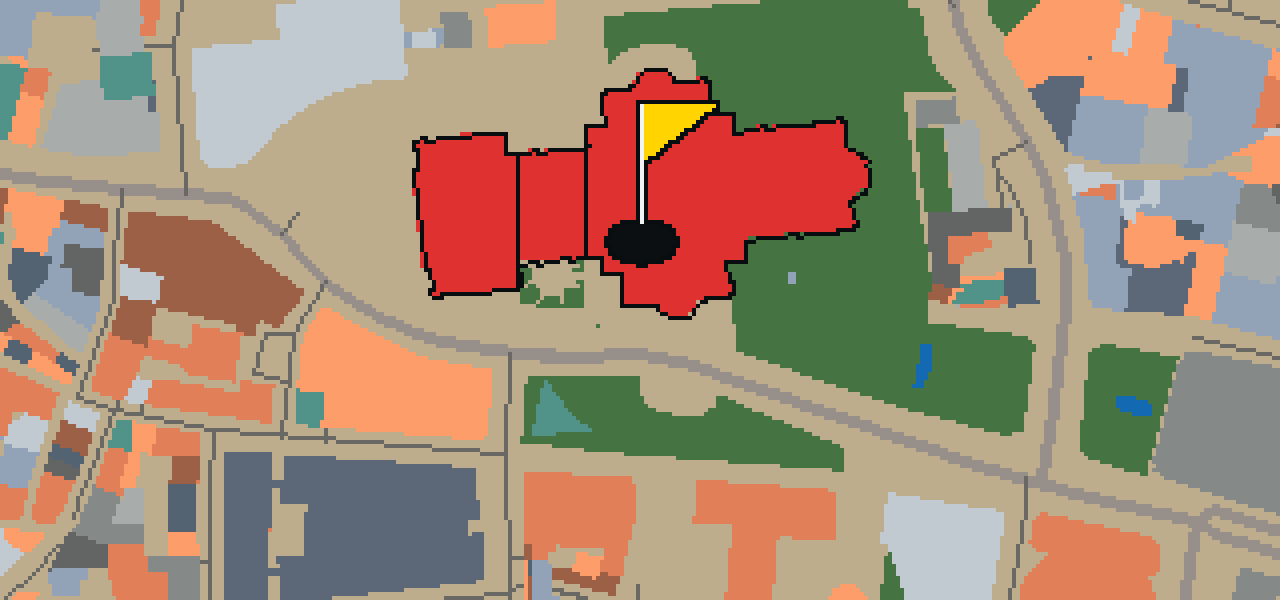
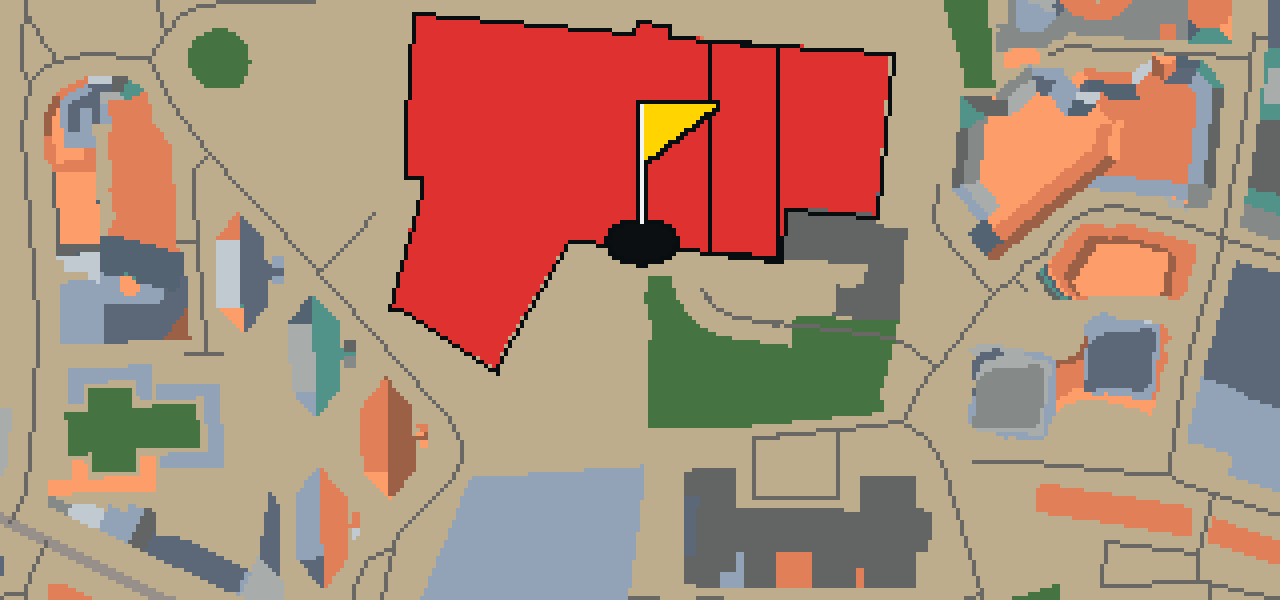
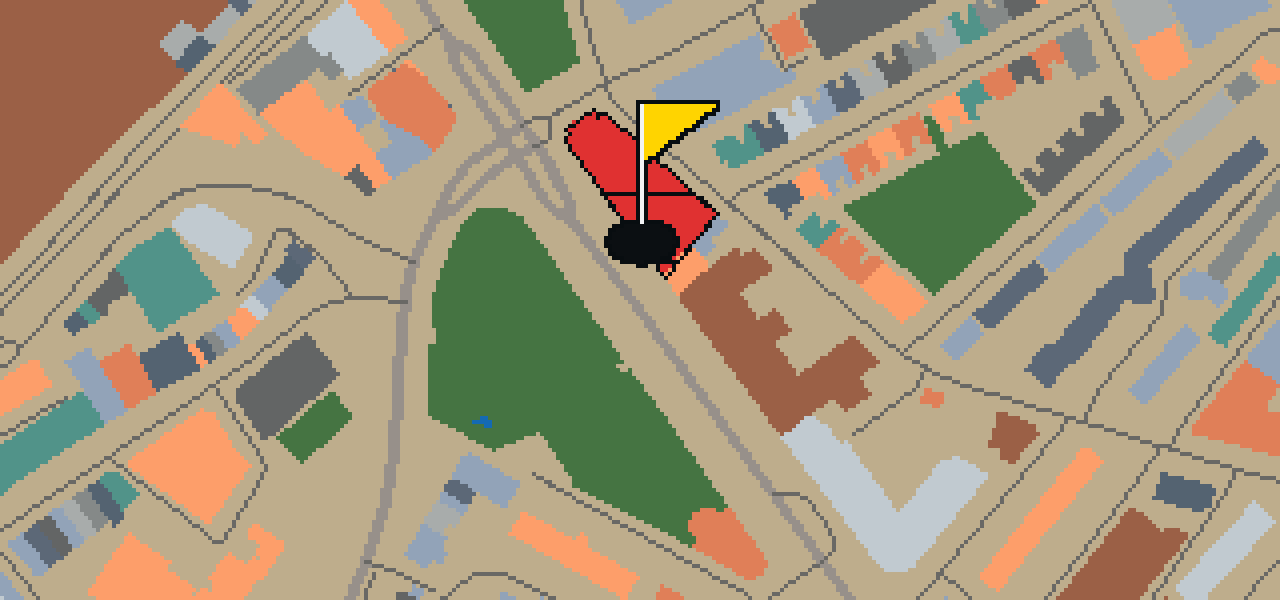
Banking a ball off the limestone of St Paul's Cathedral requires a steady hand and a bit of luck. This round takes place in London, where the map is the actual city and the play happens on the real streets. The holes are built from the city's actual attractions. Skip knows these pavements better than anyone, including where to find the best crumbs. It is a full round of 18 holes with a par of 57, covering a 7.5 mi walk and using 124 portals to skip across town.

Trouble loading? Open the game in its own tab.

HOW IT WORKS

01

Pick a city

The course is drawn on the real street grid, so the map you play is the map you walk.

02

Putt to the pin

Drag to aim, release to swing. Buildings bounce and water costs you a stroke.

03

Sightsee between strokes

Every hole ends at an attraction. Sink the putt, read the story, walk to the next tee.

THE LONDON ROUND - STOP BY STOP

HOLE 1 - PAR 3

Trafalgar Square

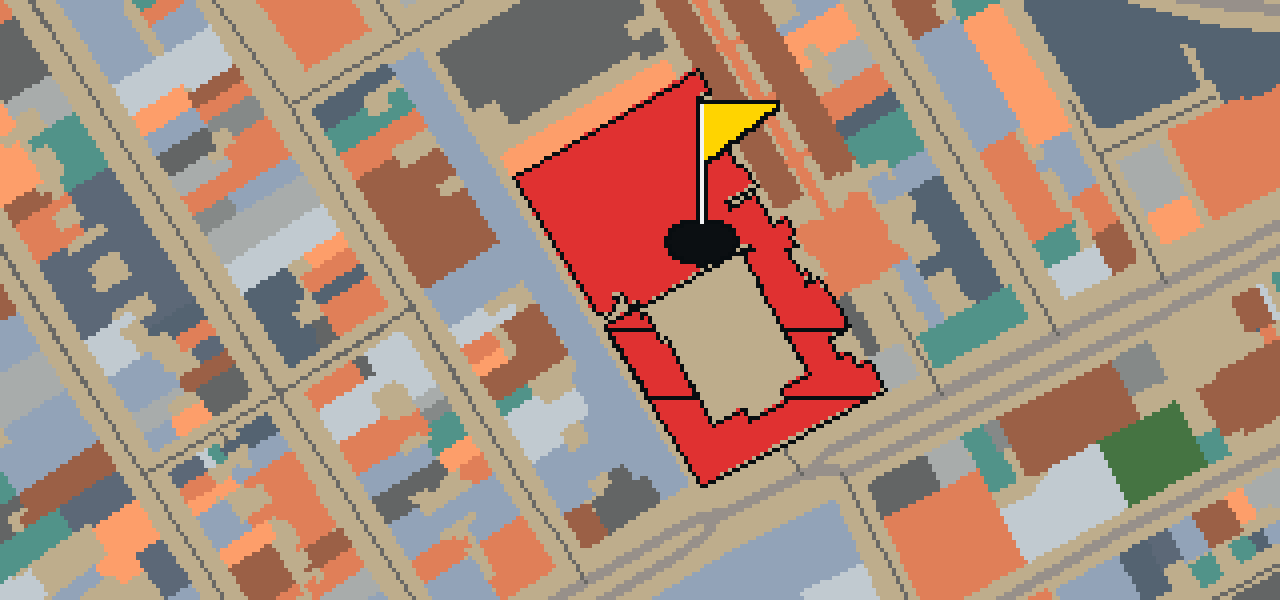
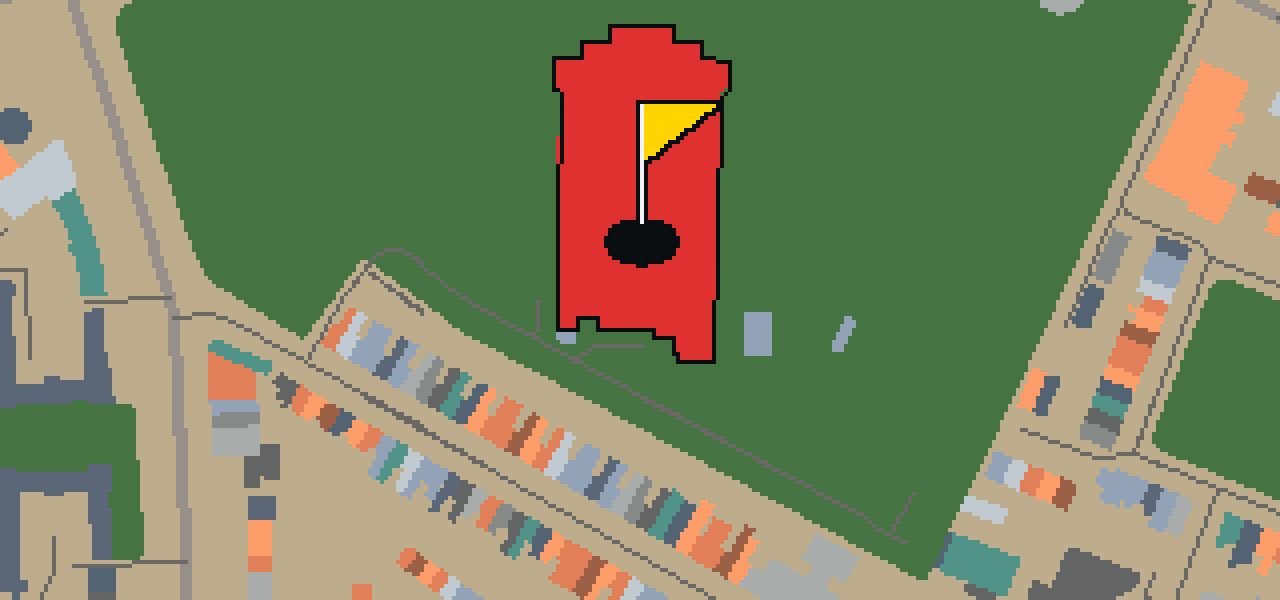
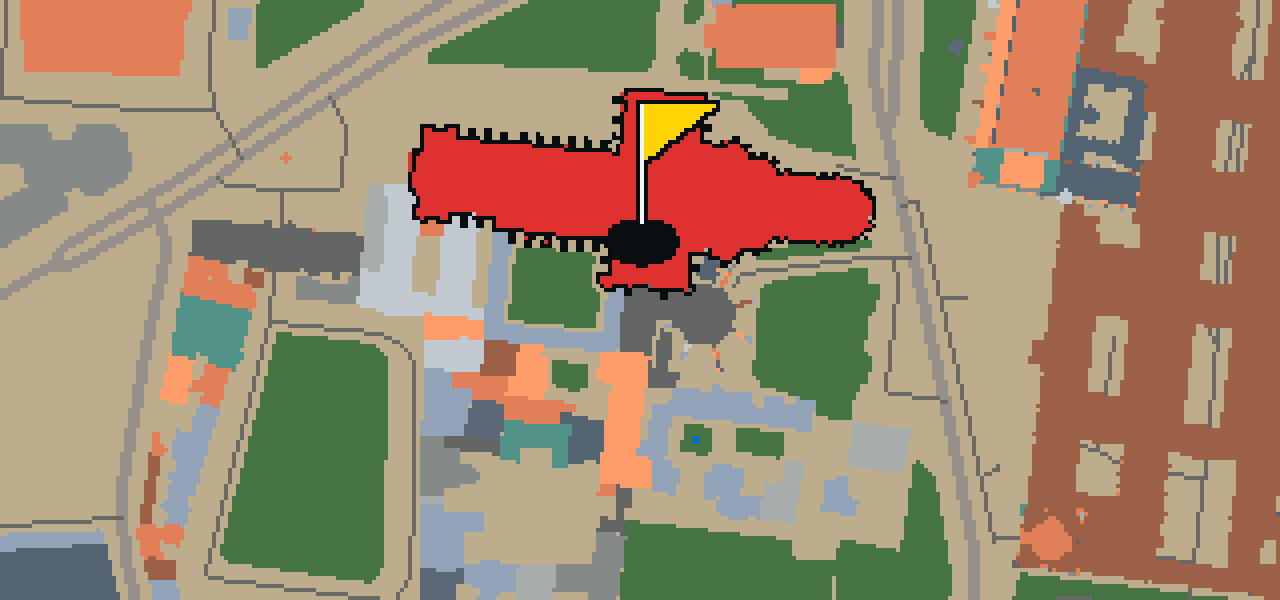
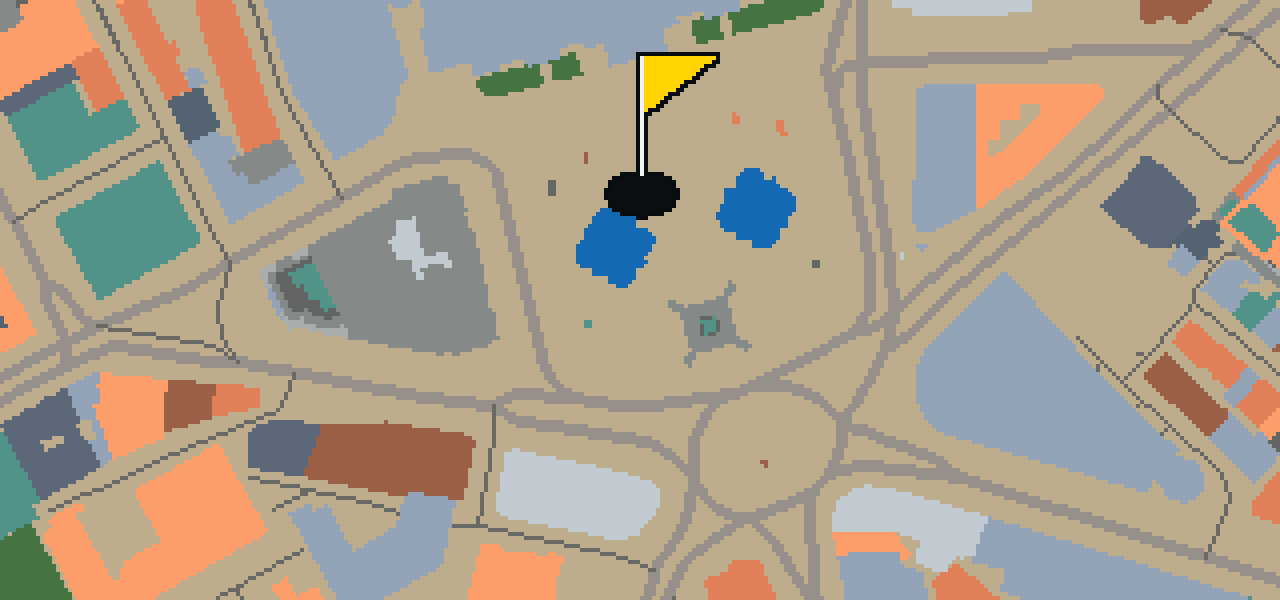
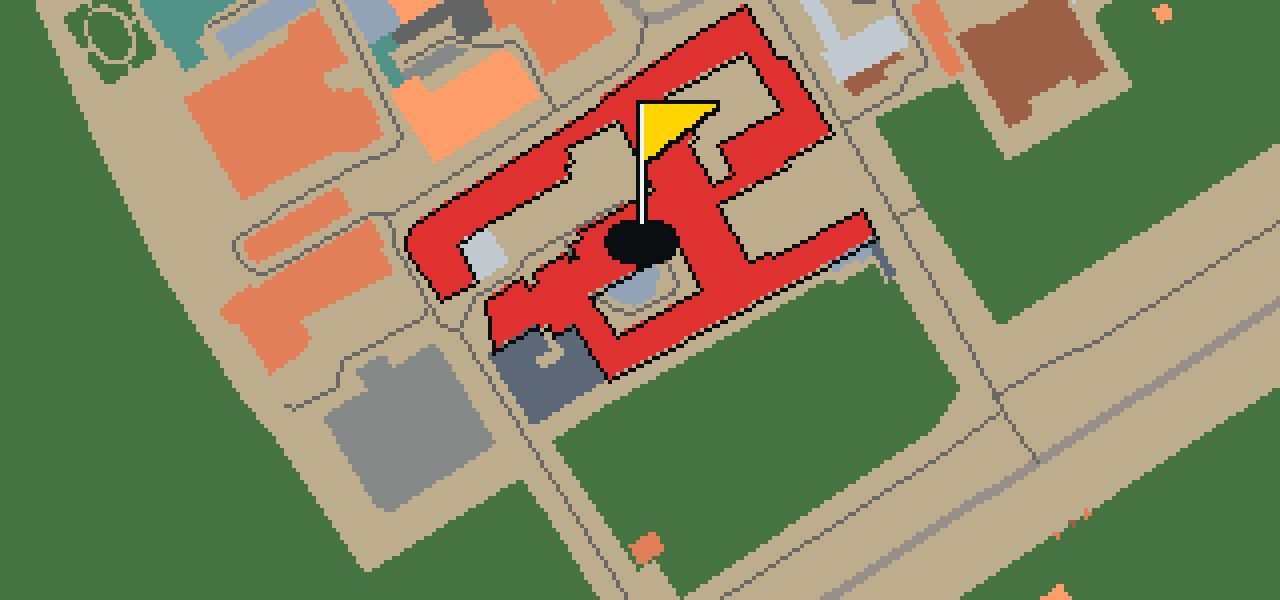
You can pick out the wide open spaces of Trafalgar Square, a public square in the City of Westminster in Central London. This site is a Grade I listed park and garden that was established in the early 19th century around the area known as Charing Cross. Its inception was in 1840. The name of the square commemorates the Battle of Trafalgar, which took place on 21 October 1805 off the coast of Cape Trafalgar. I've always found the scale of the place makes for a great spot to watch the crowds.

Wikidata · Wikipedia

HOLE 2 - PAR 3

Saint James's Palace

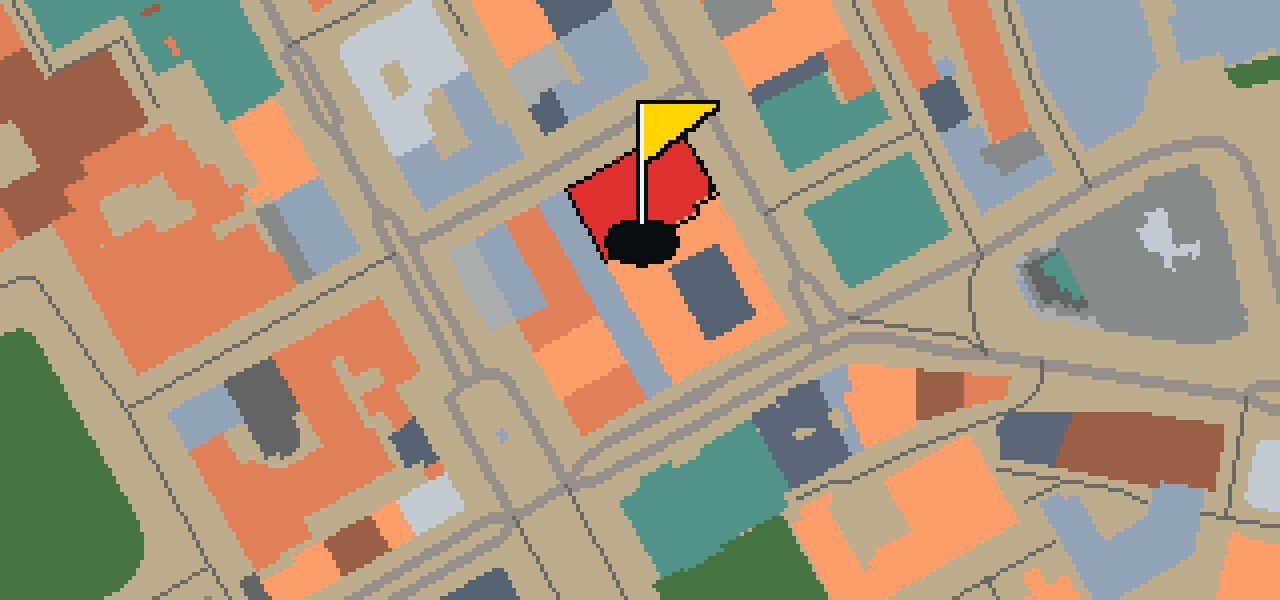
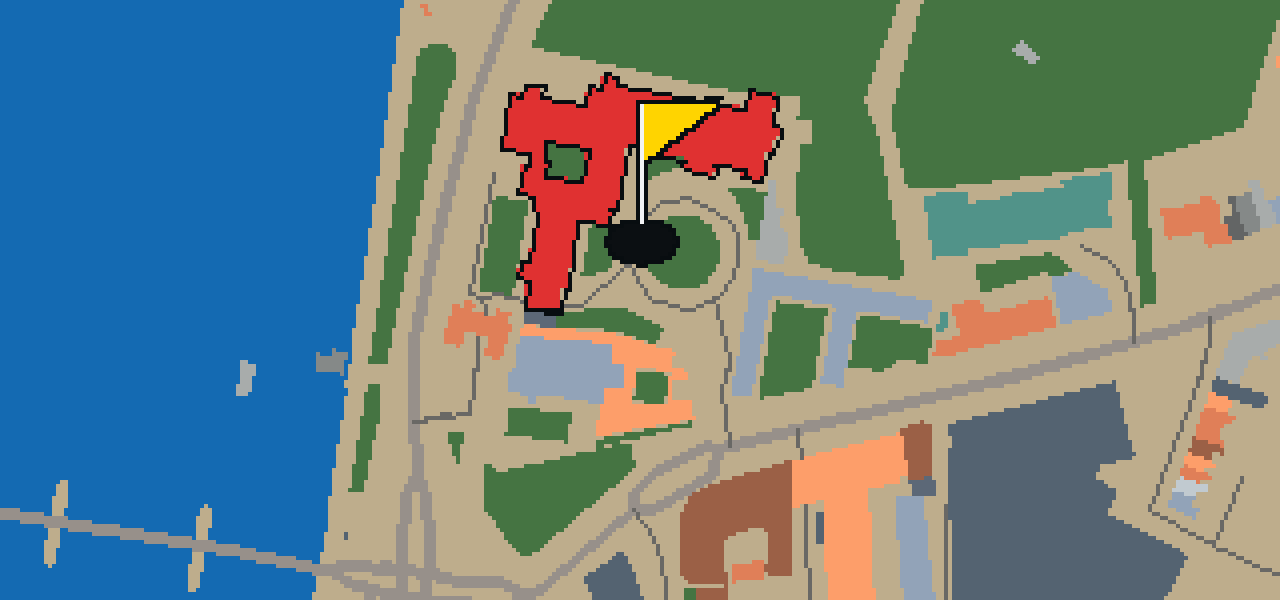
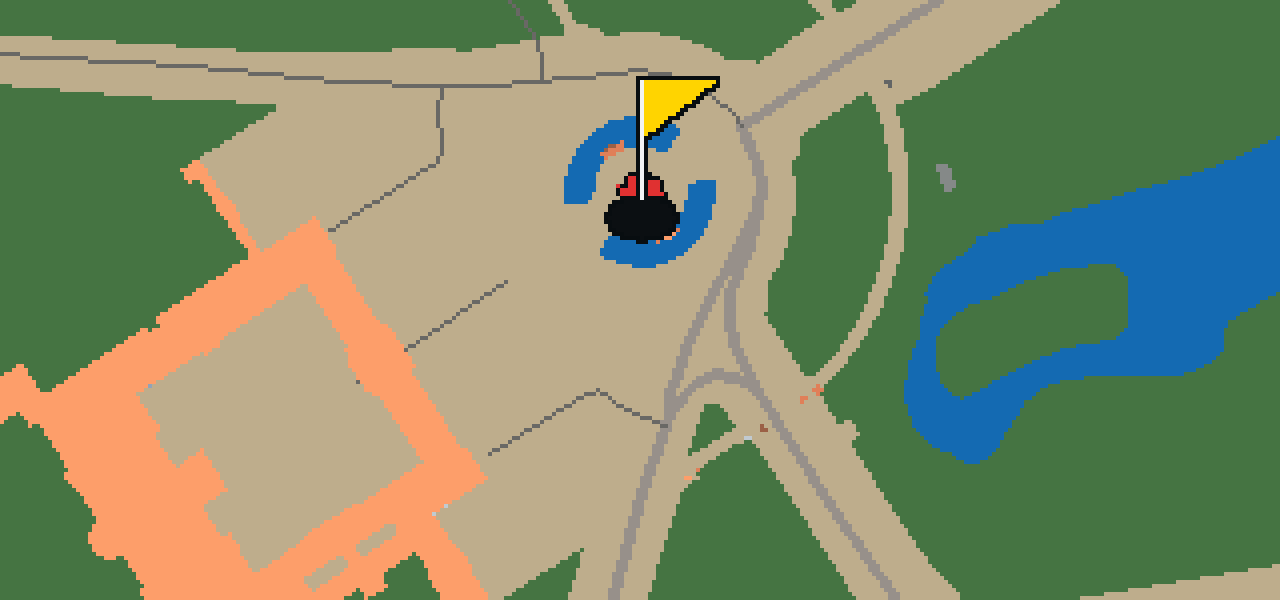
Saint James's Palace is a palace located in the City of Westminster. It is the most senior royal palace in London, England, and was started in 1536. You can pick out the Brick Gothic style of the architecture. The building is a Grade I listed site that serves as the office of the Marshal of the Diplomatic Corps. It is also the ceremonial meeting place of the Accession Council. I've always found the brickwork here quite a change from the white stone you see elsewhere in the area.

Wikidata · Wikipedia

HOLE 3 - PAR 3

Royal Academy of Arts

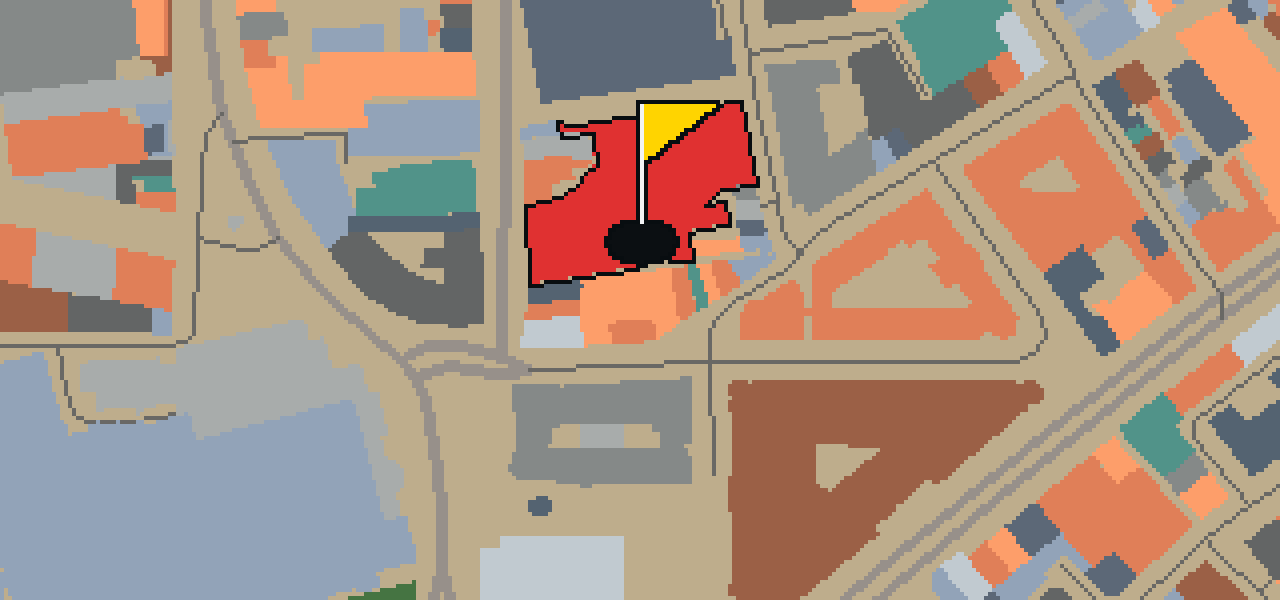
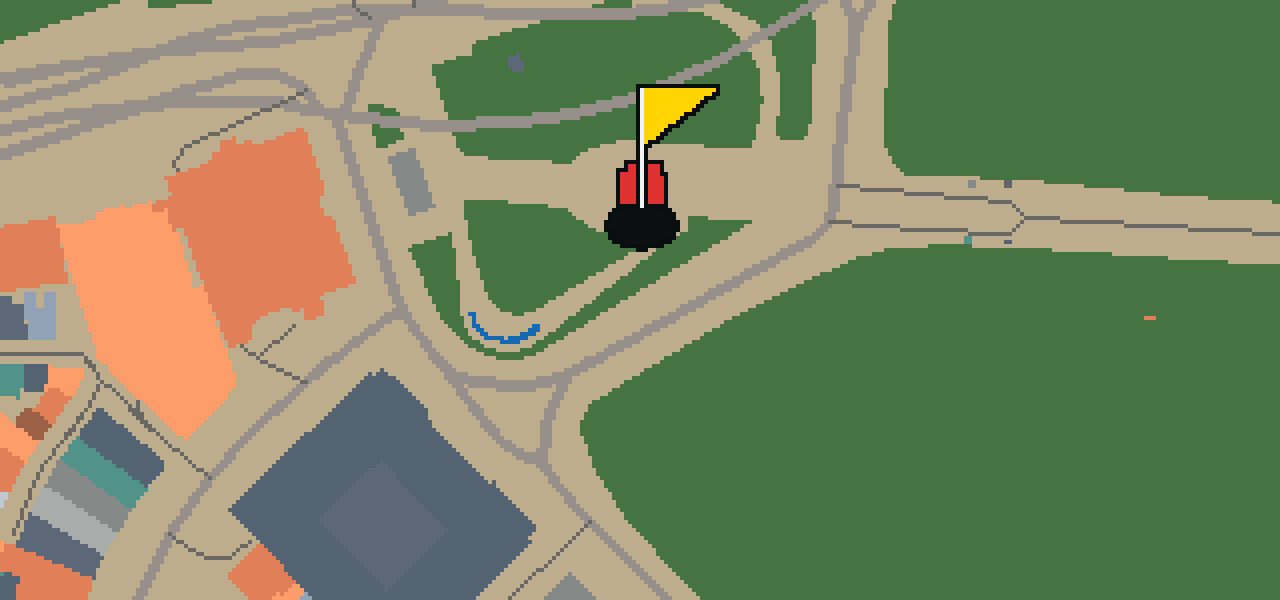
Burlington House in Piccadilly is the home of the Royal Academy of Arts. This Grade II* listed building houses a national academy that functions as an art museum, a collection, and an independent museum. Founded in 1768, the Royal Academy of Arts is an independent, privately funded institution. You can pick out the scale of its popularity by the 1,594,140 annual visitors who walk through its doors. I've noticed the crowds here are always a mix of serious students and curious wanderers.

Wikidata · Wikipedia

HOLE 4 - PAR 3

His Majesty's Theatre

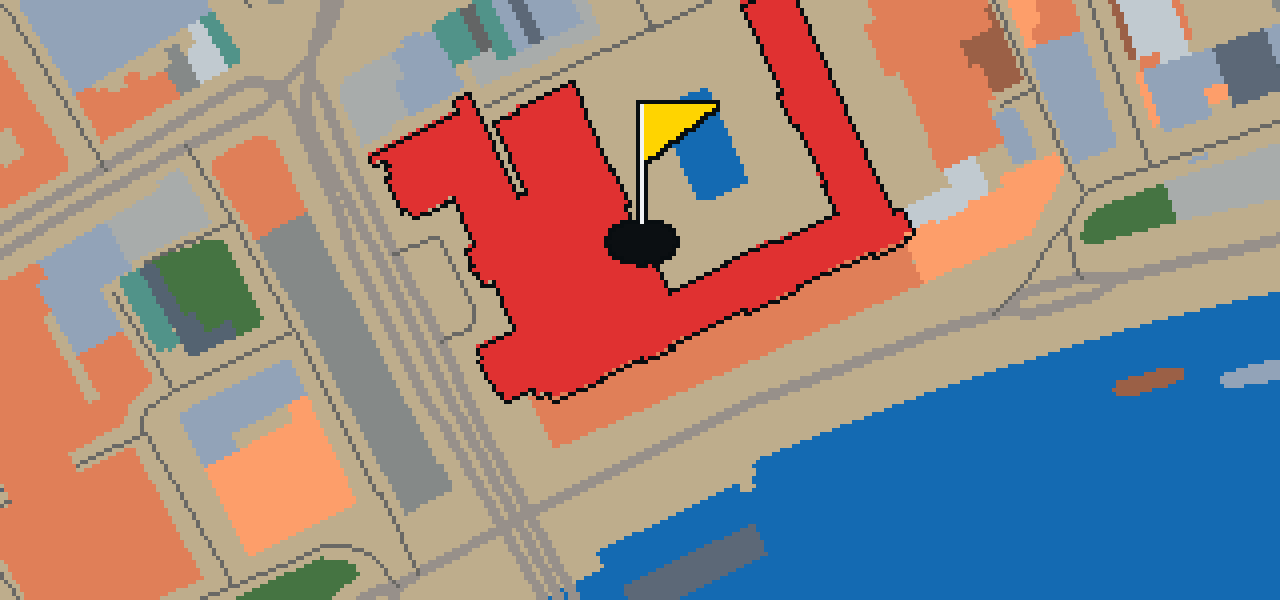
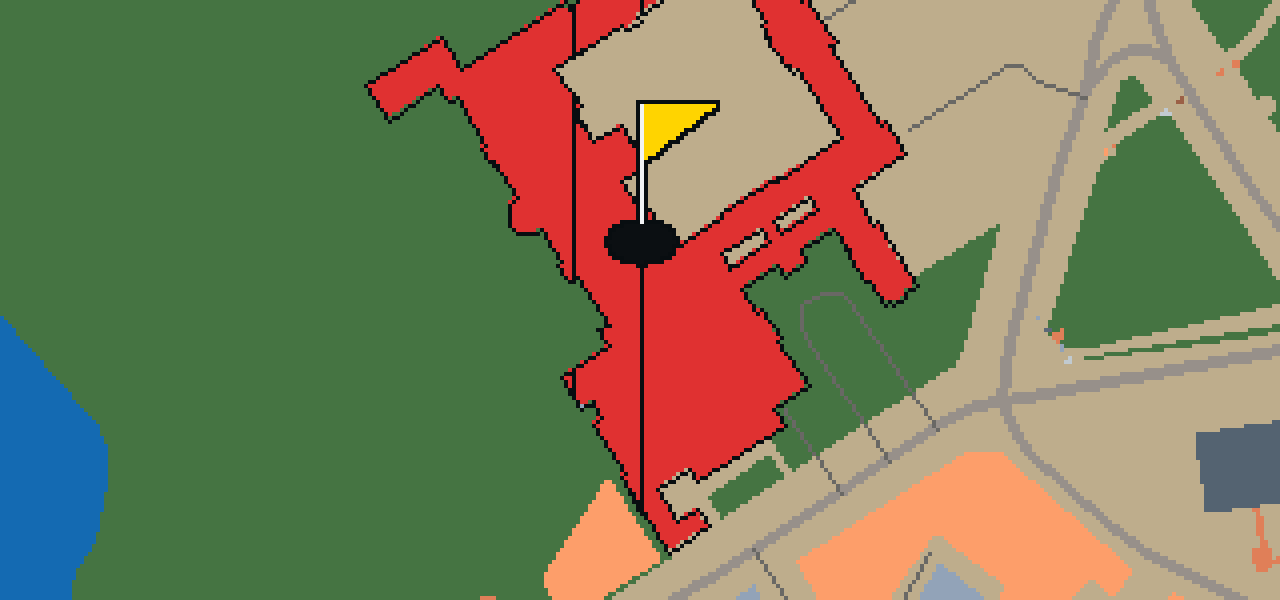
Look up at the facade of His Majesty's Theatre, a Grade II* listed building in the Haymarket in the City of Westminster. This theatre building has a long history, with an inception in 1705. The current structure was designed by architect Charles J. Phipps and built in 1897 for the actor-manager Herbert Beerbohm Tree. It is well known for hosting The Phantom of the Opera since 1986, though the show paused during the COVID-19 pandemic theatre closures. I've seen plenty of crowds gathering here for the curtain call.

Wikidata · Wikipedia

HOLE 5 - PAR 3

London Coliseum

You can't miss the massive facade of the London Coliseum in St Martin's Lane, Westminster. This Grade II* listed building is both a theatre building and an opera house. It was designed by Frank Matcham for the impresario Oswald Stoll. The building's inception was in 1904, and it officially opened on 24 December 1904 as the London Coliseum Theatre of Varieties. I've always found the scale of the place impressive, even from the street, and it is a great spot to stop and admire the architecture before you head back into the bustle of the city.

Wikidata · Wikipedia

HOLE 6 - PAR 3

Somerset House

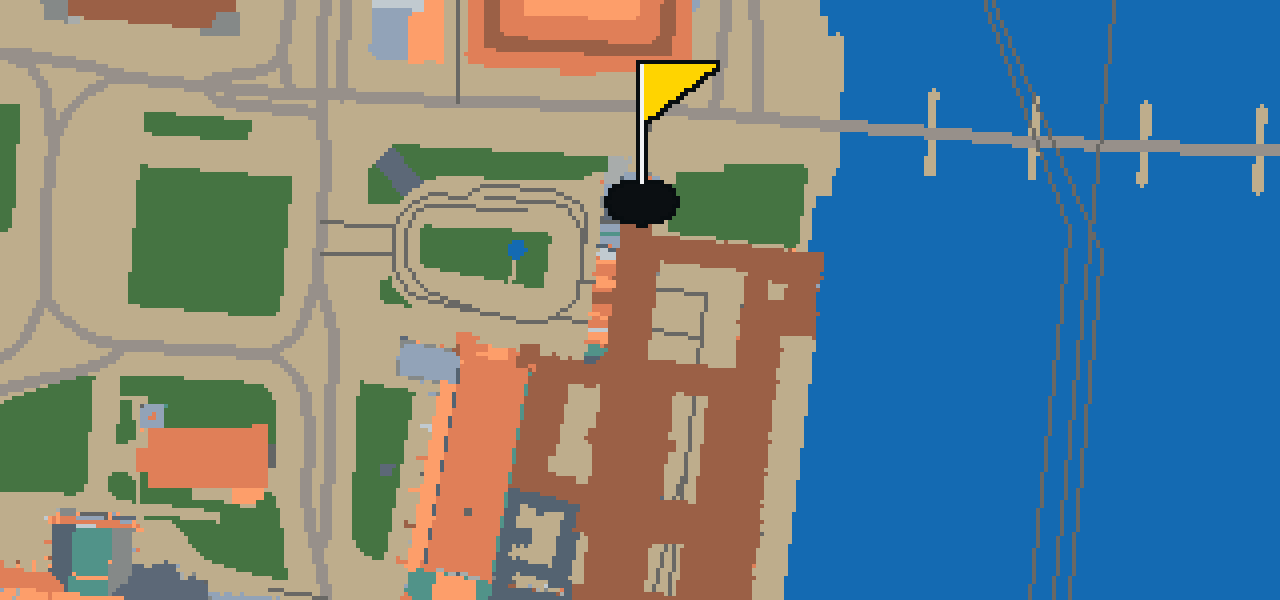
Somerset House is a building that showcases Georgian and Neoclassical architecture styles. Designed by architect William Chambers, the present structure was begun in 1776. It is a Grade I listed building that attracts 3,235,104 annual visitors. You can see how the site evolved over time, as the Victorian era outer wings were extended to the east in 1831 and to the west in 1856. Nearby, the Victoria Embankment was built in the late 1860s. I've always found the scale of the place quite impressive from the air.

Wikidata · Wikipedia

HOLE 7 - PAR 4

Temple Church

Temple Church is a church building designed in the Romanesque architecture style. It was started in 1185 and consecrated on 10 February 1185 by Patriarch Heraclius of Jerusalem. The site has held significant administrative roles over the centuries, such as when it served as the royal treasury during the reign of King John from 1199 to 1216. Today, the structure is a Grade I listed building and remains a royal peculiar in the Church of England, reflecting a long history of religious and state importance.

Wikidata · Wikipedia

HOLE 8 - PAR 3

St Paul's Cathedral

St Paul's Cathedral is an Anglican cathedral in London and the seat of the Bishop of London. While the original cathedral church on this site was founded in AD 604, the present building is a Grade I listed structure designed in the English Baroque style by Sir Christopher Wren. The inception of the cathedral was in 1675, and the construction of the present structure was completed in 1710. Visitors can observe the scale of the building, which reaches a height of 111 meters.

Wikidata · Wikipedia

HOLE 9 - PAR 4

Tate Modern

You can pick out the industrial shell of the former Bankside Power Station, which now houses Tate Modern. This art gallery in London is a national museum and a non-departmental public body. It was designed by the architect de Meuron and its inception was in 1889. Inside, the museum holds the United Kingdom's national collection of international modern and contemporary art. I find the scale of the building quite a feat for a bird to fly around. It is a popular spot, drawing 4,712,581 annual visitors.

Wikidata · Wikipedia

HOLE 10 - PAR 3

The Old Vic

You can pick out the 1,000 seats within this nonprofit producing theatre in Waterloo. The Old Vic is a Grade II* listed building that Rudolphe Cabanel designed. It was established in 1818 and later rebuilt and reopened as the Royal Victoria Palace in 1871. Emma Cons took over the theatre in 1880, though the building suffered damage during air raids in 1940. I've always found the history of these old stages fascinating, especially when you think about the different names the venue has held over the centuries.

Wikidata · Wikipedia

HOLE 11 - PAR 3

Imperial War Museum London

Located in the heart of the city, the Imperial War Museum London is a national military museum. This Grade II listed building serves as the headquarters for the organization, which manages five branches across England. Since being founded in 1917, the museum has focused on a specific remit: documenting all conflicts involving British or Commonwealth forces from 1914 onwards. It is a popular destination, seeing 320,542 annual visitors. I've noticed the crowds here are always a mix of history buffs and curious travelers.

Wikidata · Wikipedia

HOLE 12 - PAR 3

Lambeth Palace

This is not a royal residence, but rather Lambeth Palace, the official London residence of the Archbishop of Canterbury. It is an instance of both a palace and a church building, with its inception in 1435. You can find it in north Lambeth on the south bank of the River Thames, situated 400 yards south-east of the Palace of Westminster. The structure is designed in the Gothic art style and is a Grade I listed building. Its grounds are also recognized as a Grade II listed park and garden.

Wikidata · Wikipedia

HOLE 13 - PAR 3

Big Ben

Look up at the Gothic Revival details of the Elizabeth Tower. Standing 96 meters tall at the north end of the Palace of Westminster, this structure was originally named the Clock Tower. Architects Augustus Pugin and Charles Barry designed the tower, which has been a fixture of London since its inception in 1843. While most visitors call the whole thing Big Ben, that name specifically refers to the Great Bell of the Great Clock of Westminster. I've found the bells make for a great rhythm when you're gliding through the city air.

Wikidata · Wikipedia

HOLE 14 - PAR 3

London Eye

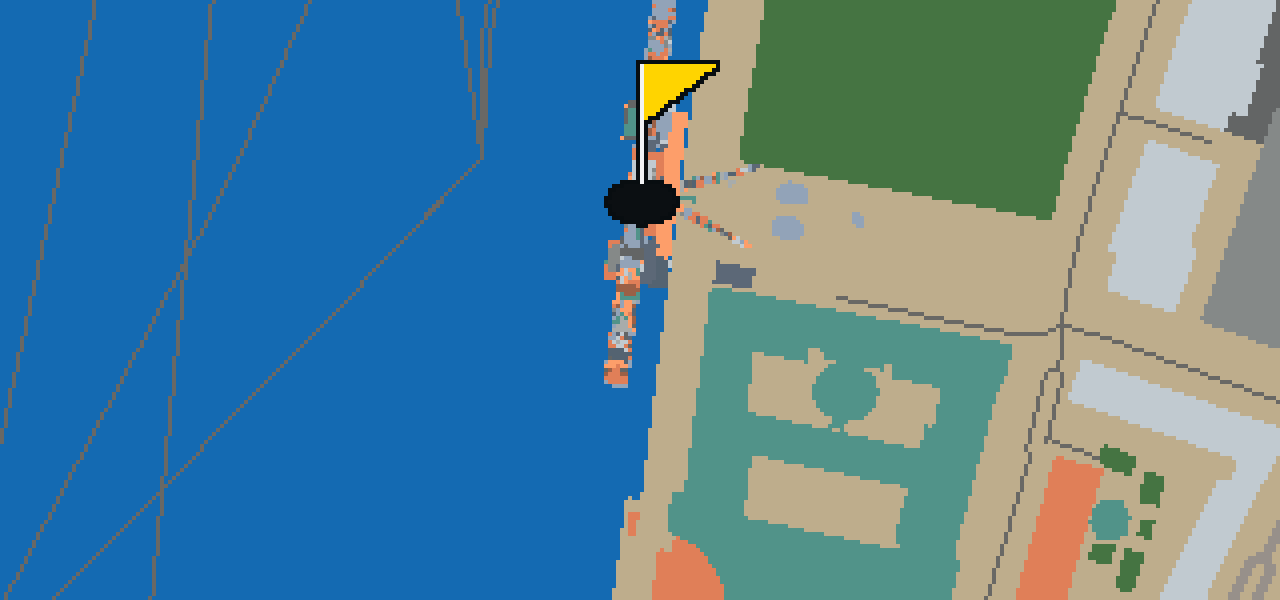
Let me show you the South Bank of the River Thames, where you will find the London Eye. It is a tourist attraction and a cantilevered observation wheel, specifically the world's tallest of its kind. This structure was designed by architects Julia Barfield and David Marks, with its inception in 1998. You can pick out the massive scale of the wheel as it looms over the river. I've seen plenty of crumbs dropped from those pods, so it is a popular spot for all sorts of visitors.

Wikidata · Wikipedia

HOLE 15 - PAR 4

Westminster Abbey

Westminster Abbey, formally titled the Collegiate Church of Saint Peter at Westminster, is a Grade I listed building in the City of Westminster. Its inception was in 1540. This Anglican church is a significant site for British history, having hosted at least 16 royal weddings since 1100. You can pick out the influence of Gothic architecture and Gothic art throughout the structure. It remains a central place for national ceremony and remembrance, reflecting its role as a Royal Peculiar and a collegiate church in the heart of London.

Wikidata · Wikipedia

HOLE 16 - PAR 3

Victoria Memorial

The Victoria Memorial is a memorial and monument to Queen Victoria located at the end of The Mall in London. This Grade I listed building was designed by architect Aston Webb in the Beaux-Arts style. The monument was created by the sculptor Sir Thomas Brock. Its inception was in 1901, and the finished work was unveiled on 16 May 1911. Visitors to this part of the city can observe the intricate details of the sculpture and the classical influence of the architecture that defines this specific site.

Wikidata · Wikipedia

HOLE 17 - PAR 3

Wellington Arch

This is not a gateway to a palace, but a triumphal arch. Wellington Arch forms a centrepiece of Hyde Park Corner in central London. Designed by Decimus Burton in the Georgian architecture style, the structure was started in 1828. You can pick out the specific details of the masonry on this building, which reaches a height of 9.6 meters. It is a Grade I listed building that anchors one of the city's busiest junctions. I've always found the scale of the arch impressive when gliding past it.

Wikidata · Wikipedia

HOLE 18 - PAR 3

Buckingham Palace

You will first notice the grand scale of Buckingham Palace, a royal residence in London. It is a Grade I listed building that was started in 1703. While you admire the facade, keep in mind that both William Winde and John Nash are architects of the palace. Beyond the public views, the site functions as the administrative headquarters of the monarch of the United Kingdom. It is situated in the City of Westminster. I always find the sheer size of the place impressive, even from the air.

Wikidata · Wikipedia

STOP 19

St. James's Park

St. James's Park is a Royal Park that had its inception in 1603. Long before that, in the 1530s, the area was enclosed for King Henry VIII to use as a deer park near the Palace of Whitehall. Today, it is a Grade I listed park and garden located in the City of Westminster. You can pick out where it sits as the most easterly link in a near-continuous chain of public parks that also includes Green Park, Hyde Park, and Kensington Gardens. I've always found the open space here a nice break from the bustle of central London.

Wikidata · Wikipedia

OTHER COURSES

18 HOLES - PAR 55

York

18 stops

This is a full eighteen-hole round through York. The map is the real city and the ball rolls along its actual streets, banking off the stone of the York Minster. Real attractions provide the structure for every hole. Six portals help move the ball across the 6.9 mi walk. Skip is a local guide who knows these alleys and bars by heart, provided there are no crumbs to distract him.

18 HOLES - PAR 54

Oxford

18 stops

This is Oxford. The map is the real city and the round is played on its real streets, starting at the Bodleian Library. Real attractions are what the holes are built from. Skip is a local guide who knows the place, though he spends most of his time dodging students. This full round of 18 holes is a 6.3 mi walk with a par of 54, using 6 portals to bridge the gaps between the landmarks.

18 HOLES - PAR 57

Liverpool

18 stops

From a perch on a ledge, Liverpool looks like a perfect grid for a game. The map is the real city and the round is played on its real streets, where the Royal Liver Building and other attractions are the actual holes. This is a full 18-hole round with a par of 57, covering 7.5 mi of pavement and using 38 portals to bridge the gaps. Skip knows every nook of these streets from a bird's eye view.

9 HOLES - PAR 27

Glasgow

9 stops

Banking a ball off the red sandstone of Kelvingrove Art Gallery and Museum feels different than hitting the glass of a modern storefront. This round follows the real streets of Glasgow, using the city's actual attractions as the holes. A quick 9-hole round covers 3.4 mi, with 22 portals to skip across the map. Skip knows every curb and cobblestone here.

18 HOLES - PAR 52

Edinburgh

18 stops

Edinburgh is the setting for this round, where the map is the real city and the ball rolls across its actual streets. The holes are built from real attractions, starting the action at Edinburgh Castle. This is a full round of 18 holes with a par of 52. Skip is a local guide who knows the place, having spent plenty of time dodging feet for crumbs. The walk covers 5.9 mi and uses 36 portals to bridge the gaps.

FAQ

Is it free to play?

Yes. Every course runs in the browser with no account and no install.

Do I need to be in the city?

No. The full round plays from anywhere. Walking the real route is a nice way to see the city, but it is not required.

Are the maps real?

Yes. The geometry comes from OpenStreetMap data, rendered chunky on purpose. Streets, water and parks sit where they really are.