
LANCASTER - 9 HOLES - FREE

LANCASTER
CITY MAP MINIGOLF

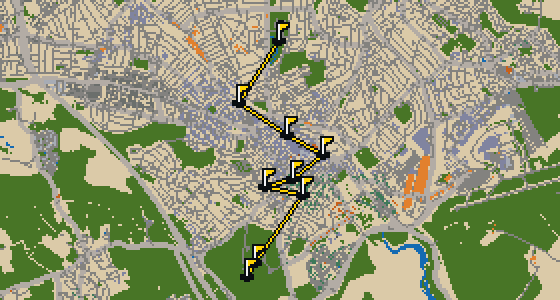
Lancaster - 9 stops - par 28

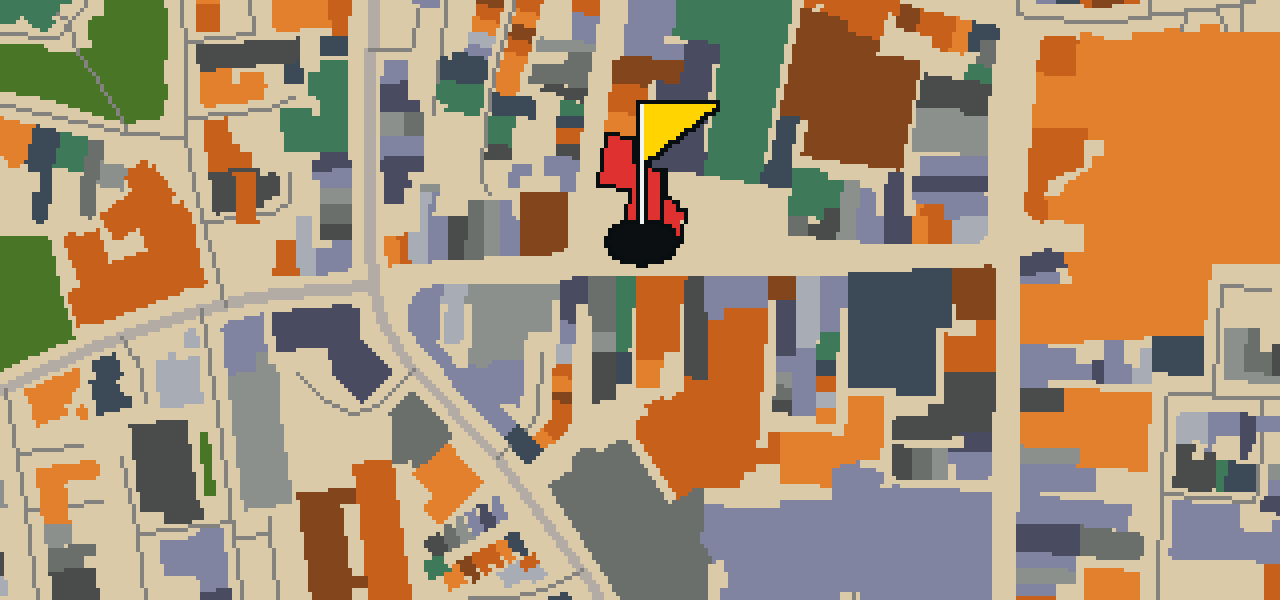
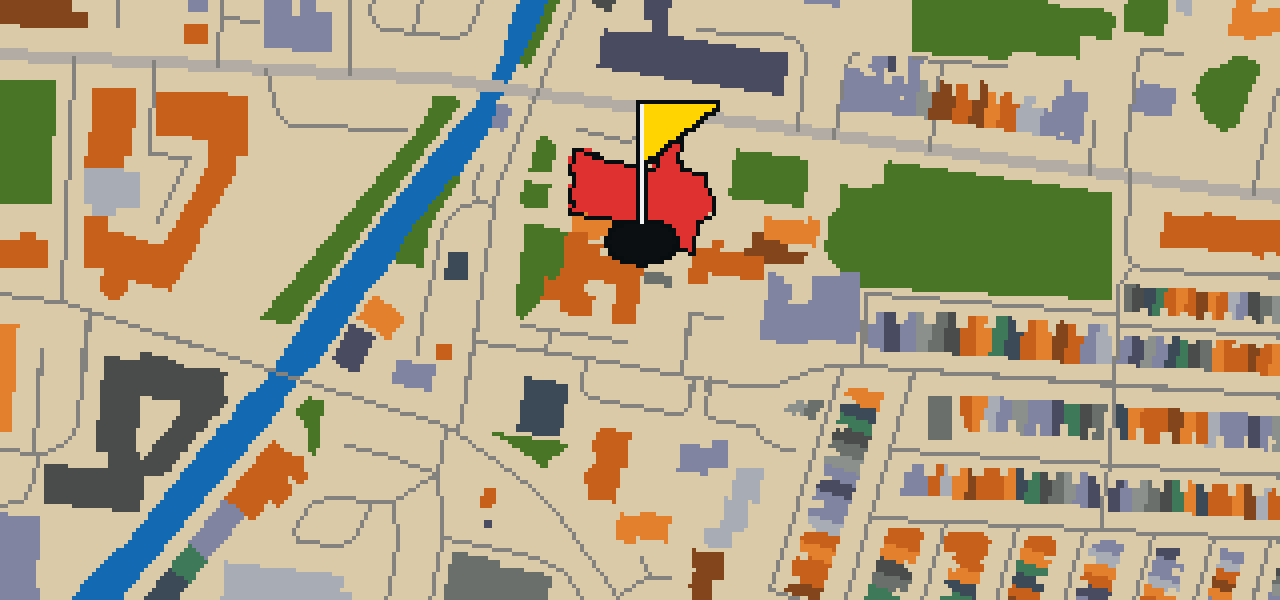
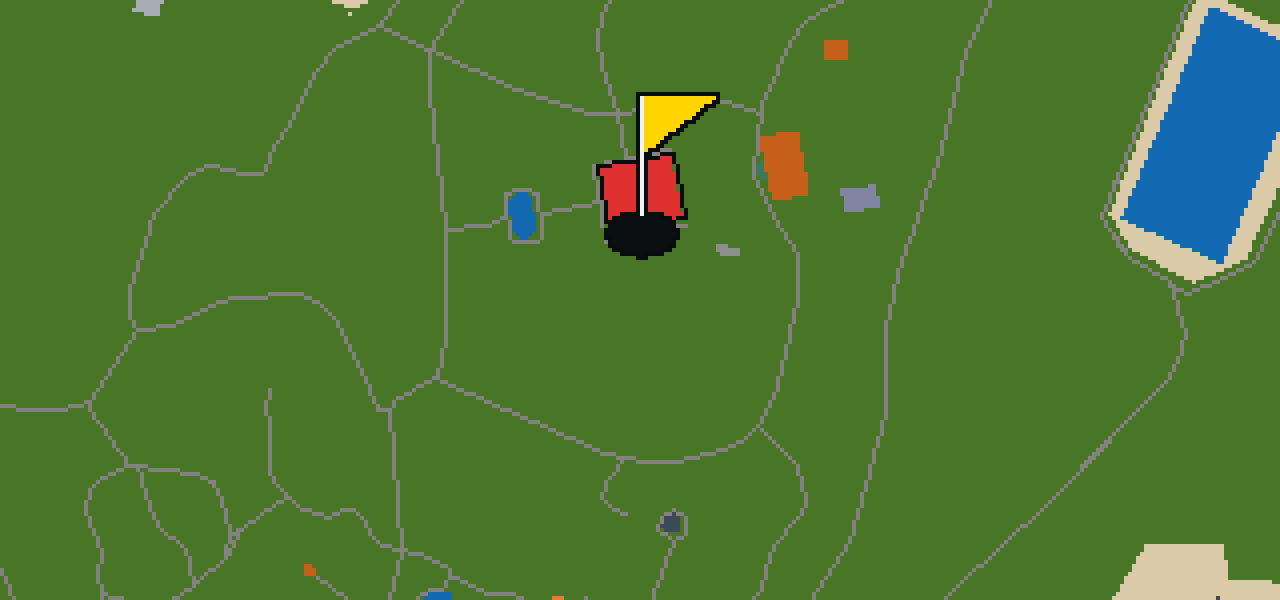
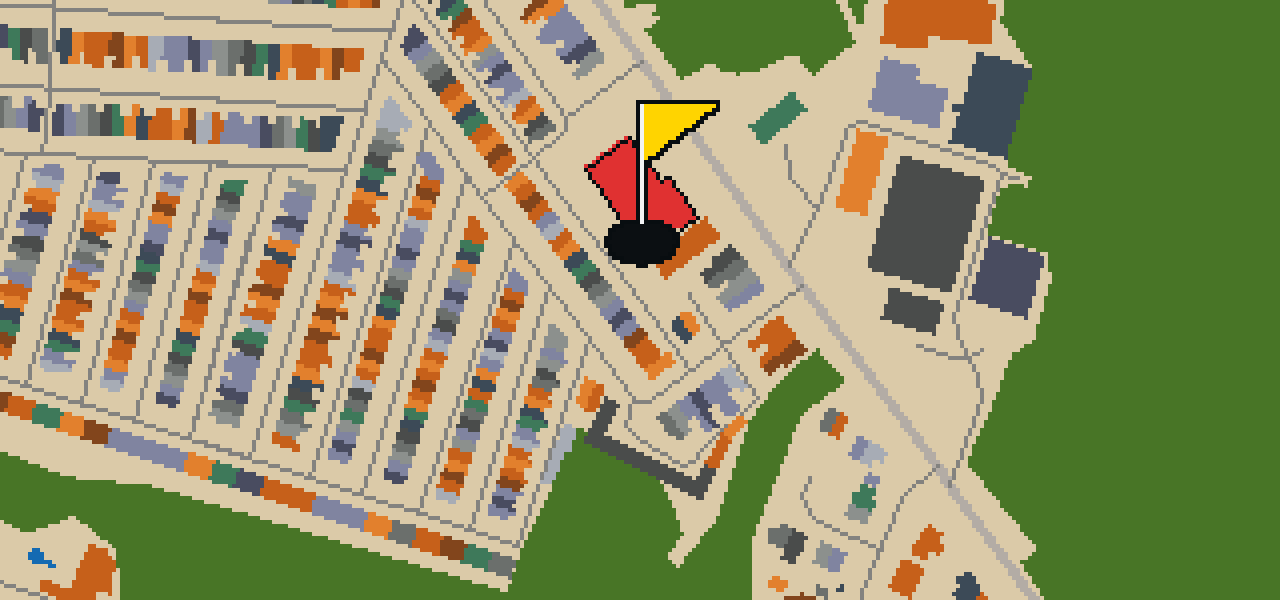
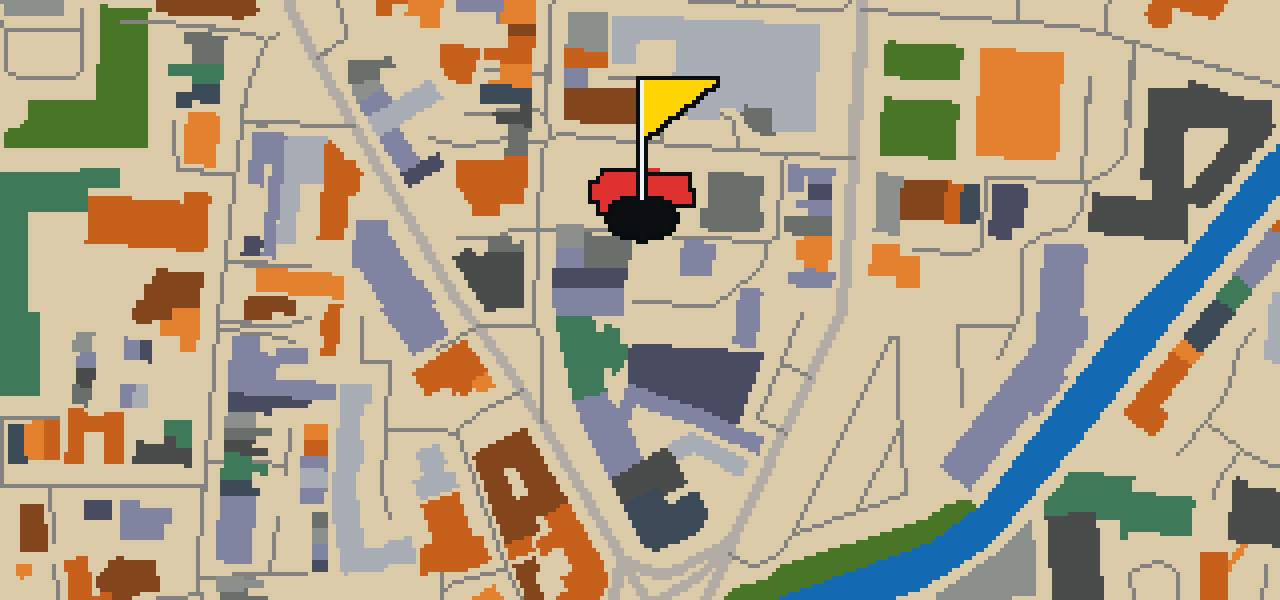
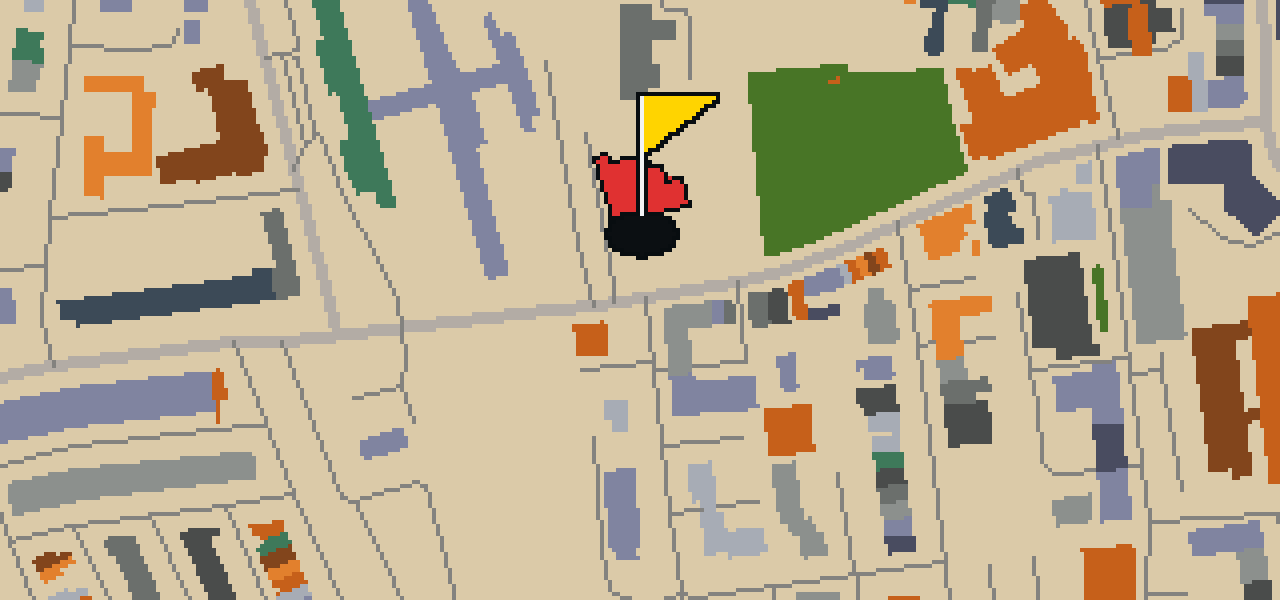
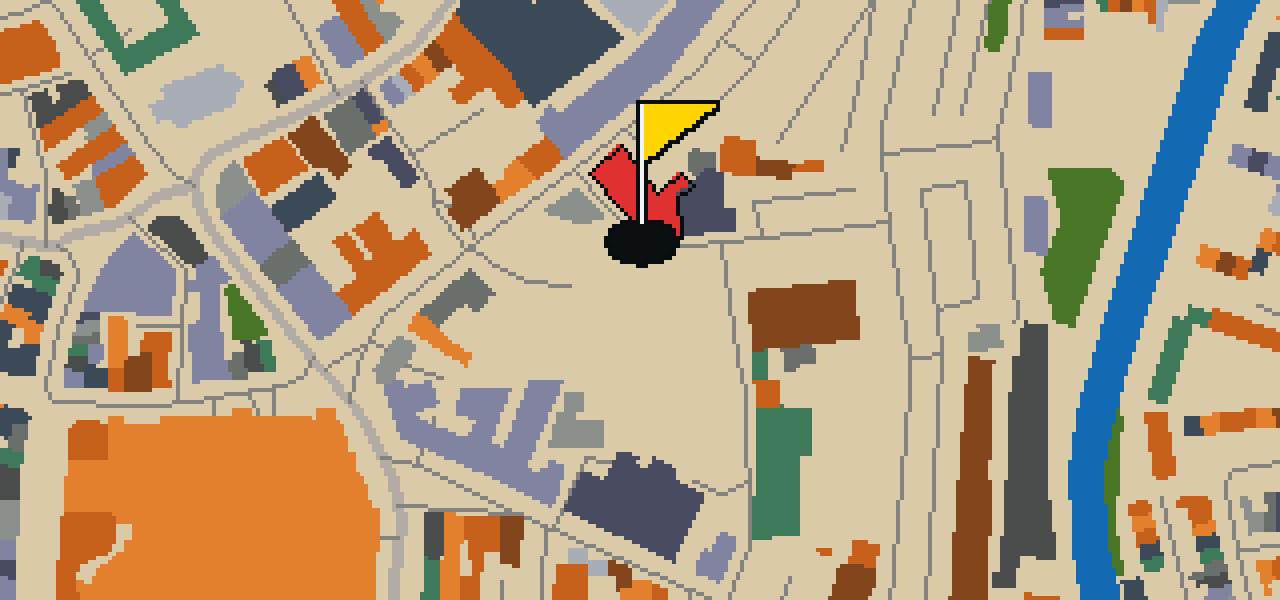
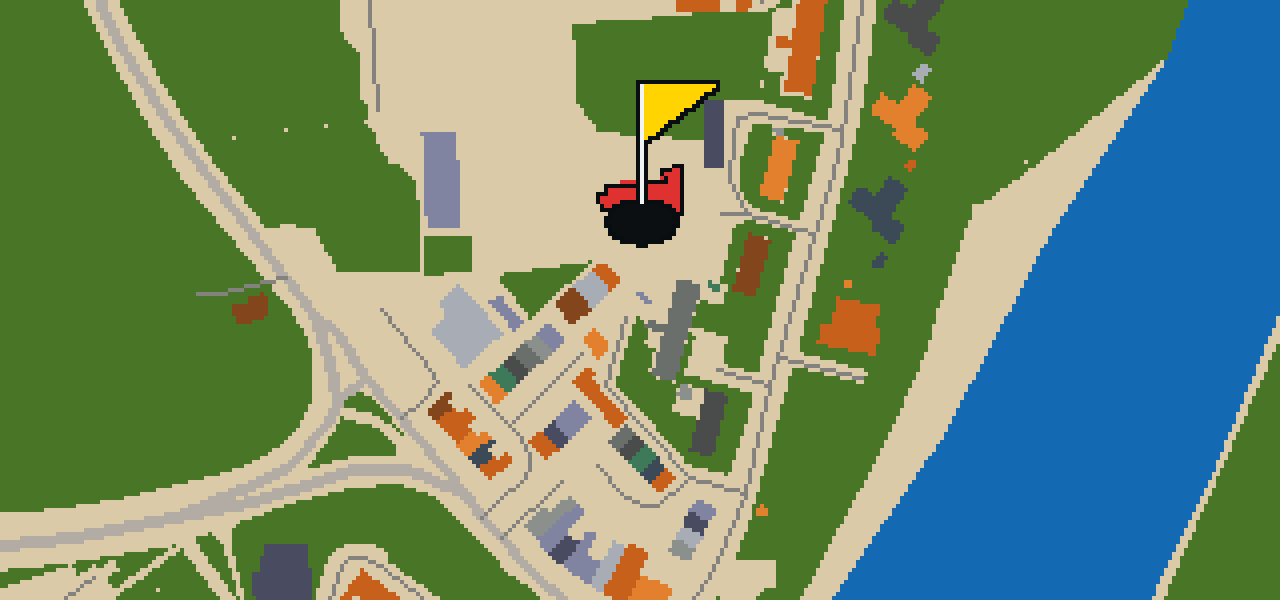
Lancaster is the setting for this round, played across the real city streets. The holes are built from actual attractions, including the imposing Lancaster Castle. Skip knows these pavements well and is the local guide. This quick 9-hole round covers 3.4 mi with a par of 28, using 6 portals to bridge the gaps between the landmarks.

Trouble loading? Open the game in its own tab.

HOW IT WORKS

01

Pick a city

The course is drawn on the real street grid, so the map you play is the map you walk.

02

Putt to the pin

Drag to aim, release to swing. Buildings bounce and water costs you a stroke.

03

Sightsee between strokes

Every hole ends at an attraction. Sink the putt, read the story, walk to the next tee.

THE LANCASTER ROUND - STOP BY STOP

HOLE 1 - PAR 3

Lancaster Castle

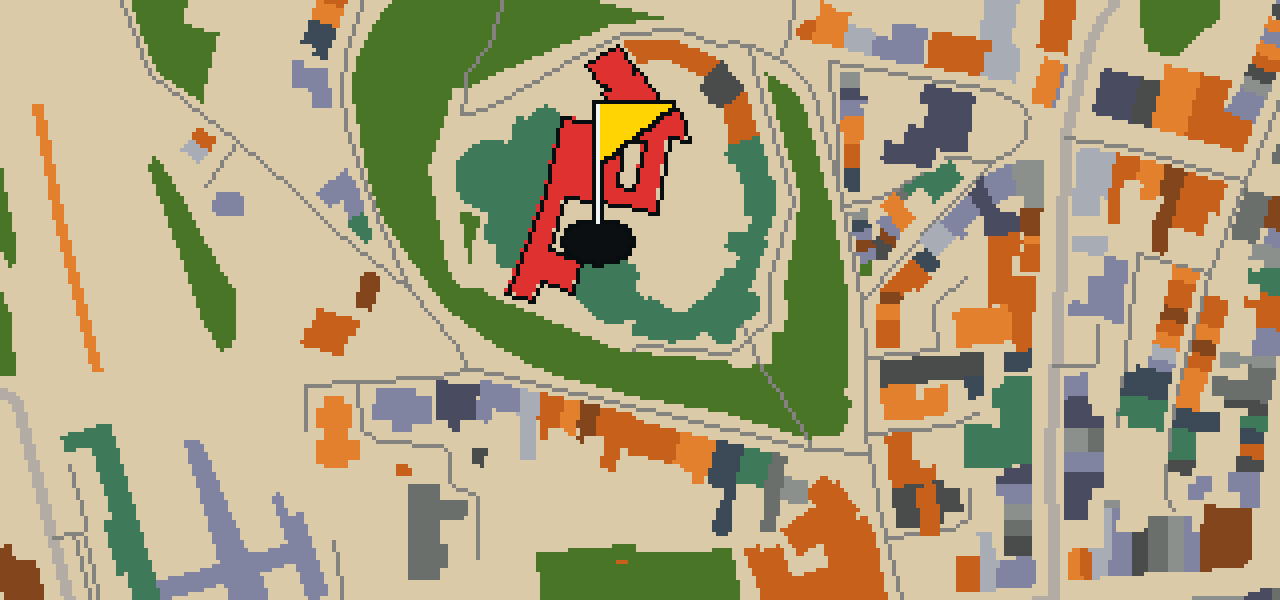
Let me show you Lancaster Castle, a site in Lancaster that was most likely founded between 1092 and 1094 on the site of a Roman fort. It is a Grade I listed building that has seen many changes over the centuries. After its inception in 1093, the castle became a place of confinement, first used as a prison in 1196. Throughout its history, it has functioned as a debtors' prison and a defunct prison. The structure also survived periods of conflict, as the Scots invaded England and damaged the castle in 1322 and 1389. It is a heavy piece of history to walk past, and I always think it looks particularly imposing against the skyline. You can see how the royal control established in 1164 helped shape the Honour of Lancaster.

Wikidata · Wikipedia

HOLE 2 - PAR 3

Lancaster Maritime Museum

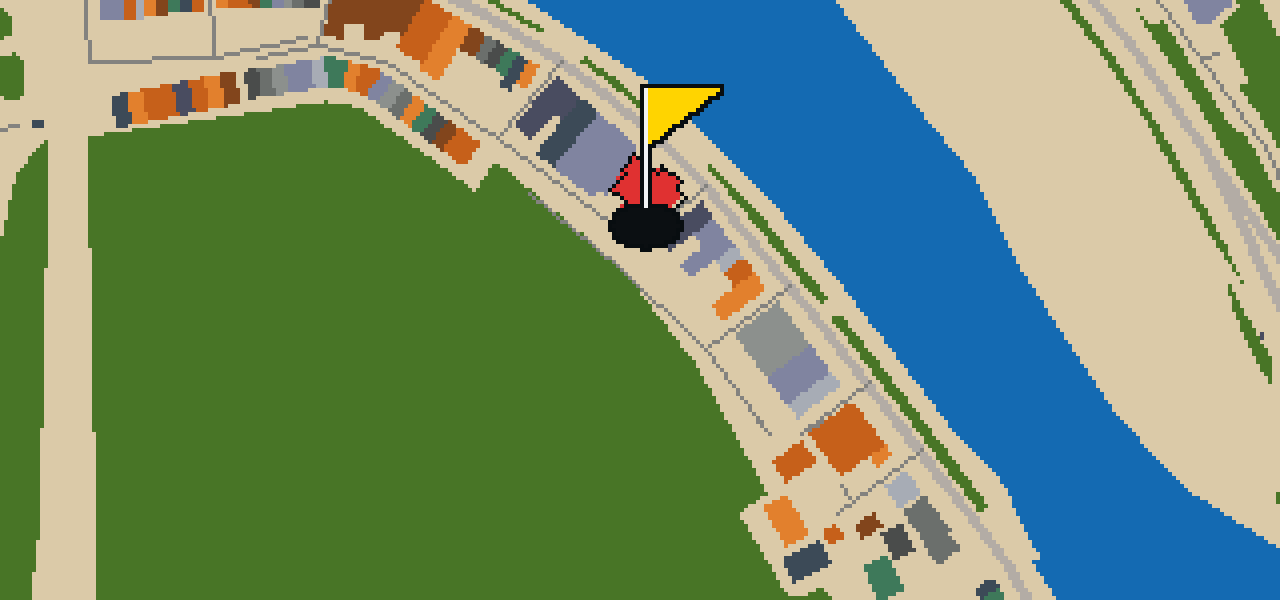
You might expect to find a quiet art gallery or a town hall here, but instead, you have found the Lancaster Maritime Museum. It is a maritime museum that focuses on the nautical history of the area. As a local authority museum, it is managed by the city's government to preserve these specific records for the public. Whether you are a history buff or just passing through, it is a great spot to learn about the ships and sailors that defined the region's relationship with the sea. I usually see plenty of tourists wandering around the exhibits, though I personally prefer the view from the rooftops where the wind is better. It is a useful stop for anyone wanting to understand how the water shaped the town's identity over the years.

Wikidata

HOLE 3 - PAR 3

Lancaster City Museum

Let me show you the Lancaster City Museum. This local museum had its inception in 1783, making it a long-standing fixture of the community. Since those early days, the museum has found its home in the former Lancaster Town Hall building in Market Square. You can pick out the architectural details of the structure, as it is a Grade II* listed building. It is located in Lancaster, Lancashire, England, and operates as a local authority museum. I've noticed that the building's position in the square makes it a great landmark for getting your bearings in the city center. Whether you are interested in the local history or just the building itself, it is a central part of the town's identity that remains accessible to everyone visiting the heart of the city.

Wikidata · Wikipedia

HOLE 4 - PAR 4

Lancaster Cathedral

Lancaster Cathedral is a Roman Catholic cathedral in Lancashire, England. The site began as a mission church in 1798, though the present church was built on a different site between 1857 and 1859. Designed by E. G. Paley in the Gothic Revival style, the building is a Grade II* listed site. Over the years, the structure has seen several additions and changes. A baptistry was added by Austin and Paley in 1901, and the east end was reordered in 1995 by Francis Roberts. While it is now a cathedral, it functioned as a Roman Catholic parish church until 1924. You can also find it referred to as The Cathedral Church of St Peter or Saint Peter's Cathedral.

Wikidata · Wikipedia

HOLE 5 - PAR 3

Ashton Memorial

Construction on the Ashton Memorial began in 1907 and finished in 1909. Designed by architect John Belcher, the building is a folly created in the Edwardian architecture style. It is located in Williamson Park in Lancaster, Lancashire, England. Since its completion, the structure has been recognized for its significance and is now a Grade I listed building. I find the view from the hill quite something, though I usually spend my time watching the tourists from the ledge. You can pick out the intricate details of Belcher's design as you approach the site, making it a standout landmark for anyone visiting the park. It is a striking example of the era's ambition, standing tall over the surrounding landscape for all to see.

Wikidata · Wikipedia

HOLE 6 - PAR 3

Christchurch

Christchurch is a church building located on Wyresdale Road in Lancaster, Lancashire, England. It is an active Anglican parish church that had its inception in 1889. The building is designed in the Gothic Revival style and is recognized as a Grade II listed building. In terms of its ecclesiastical organization, Christchurch is situated within the diocese of Blackburn. It also falls under the jurisdiction of the archdeaconry of Lancaster and the deanery of Lancaster and Morecambe. This site provides a clear example of late nineteenth-century religious architecture in the region, maintaining its role as a place of worship for the local community while preserving the specific aesthetic details associated with the Gothic Revival movement.

Wikidata · Wikipedia

HOLE 7 - PAR 3

St Thomas

St Thomas is a chapel located in Lancaster. This building is constructed in the Gothic Revival style and is recognized as a Grade II* listed building. The site is also known as the Ripley School Chapel and is part of the Ripley St Thomas Church of England Academy. For those visiting the area or passing through, you can find the chapel located on Ashton Road in Lancashire, England. The architecture and its status as a listed building make it a point of interest within the local community. Whether you are interested in the Gothic Revival style or the history of the academy, the chapel remains a distinct presence on Ashton Road, providing a clear example of the region's ecclesiastical buildings and their preservation in the city of Lancaster.

Wikidata · Wikipedia

HOLE 8 - PAR 3

Lancaster Quaker Meeting House

The Friends Meeting House is a Quaker meeting house located in Lancaster, Lancashire, England. Built in 1708, this site is an active Friends meeting house where the community still gathers today. If you look closely at the structure, you are seeing a Grade II* listed building, which recognizes its architectural and historical importance to the area. I have noticed that the simplicity of the building matches the traditions of the people who use it. It is a calm spot to visit while you are exploring the city, providing a quiet contrast to the busier streets nearby. Whether you are interested in the history of the Friends or just appreciate old English architecture, this building is a notable stop on your walk through Lancaster.

Wikidata · Wikipedia

HOLE 9 - PAR 3

Grand Theatre

Let me show you the Grand Theatre here in Lancaster. It is a theatre building and movie theater that holds a special place in the history of the performing arts, as it is the third oldest theatre in Britain. You can pick out the architectural details of this Grade II listed building as you pass by the facade. Its inception was in 1782, and it has remained a focal point for entertainment in the city for centuries. I always find the atmosphere around the entrance quite welcoming, though I personally prefer the view of the street from the roof. Whether you are interested in the heritage of the stage or just exploring the town, this site is a must-see for any visitor wanting to understand the cultural roots of the area.

Wikidata · Wikipedia

STOP 10

Church of Saint Luke

You will find the Church of Saint Luke in the suburb of Skerton in Lancaster, Lancashire, England. This church building is a Grade II listed structure and remains an active Anglican church for the community. It was built in 1833 to serve as the parish church of Skerton. At the time of its construction, Skerton was a township in the hundred of Lonsdale. The church has remained a constant presence in the neighborhood through various administrative changes over the last two centuries. While it has served the local population since the early nineteenth century, the suburb of Skerton itself did not officially become part of the City of Lancaster until 1974.

Wikidata · Wikipedia

OTHER COURSES

9 HOLES - PAR 30

Wrekin

9 stops

Wrekin is the setting for this round, where the map is the real city and the ball rolls across its actual streets. The holes are built from real attractions like the Coalport China Museum. I know every nook of this place from a bird's eye view. It is a quick nine-hole round with a par of 30, covering a walk of 4.1 mi.

9 HOLES - PAR 26

Luton

9 stops

This is Luton. The map follows the real city and the round is played on its actual streets, using attractions like Wardown Park Museum as the basis for the holes. Skip knows these pavements well. It is a quick round of 9 holes with a par of 26, covering a 3.4 mi walk with 4 portals to bridge the gaps.

9 HOLES - PAR 29

Stoke-on-Trent

9 stops

Stoke-on-Trent is the setting for this round, with the ball rolling across the real city streets. The course is built from actual attractions, starting with a shot at Vale Park. This quick 9-hole round covers 3.7 mi and uses 2 portals to bridge the gaps. Skip is the local guide for these roads, provided a few crumbs are involved.

9 HOLES - PAR 28

Wolverhampton

9 stops

Banking a ball off the brickwork of the Black Country Living Museum feels different than anywhere else. This round takes place on the real streets of Wolverhampton, where the map is the city itself and the local attractions form the holes. Skip knows every crack in the pavement here. It is a quick round of 9 holes with a par of 28, covering 3.7 mi and using 6 portals to bridge the gaps.

9 HOLES - PAR 25

Kingston upon Hull

9 stops

This is Kingston upon Hull, where the map is the real city and the round is played on its actual streets. The holes are built from real attractions, including the Hull Minster. I know these roads well and am the local guide. It is a quick round of 9 holes with a par of 25, covering a 3 mi walk and using 2 portals.

FAQ

Is it free to play?

Yes. Every course runs in the browser with no account and no install.

Do I need to be in the city?

No. The full round plays from anywhere. Walking the real route is a nice way to see the city, but it is not required.

Are the maps real?

Yes. The geometry comes from OpenStreetMap data, rendered chunky on purpose. Streets, water and parks sit where they really are.