
DURHAM - 9 HOLES - FREE

DURHAM
CITY MAP MINIGOLF

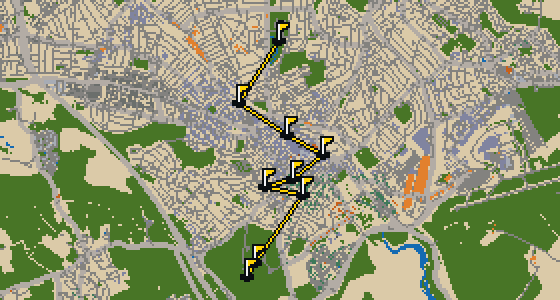
Durham - 9 stops - par 25

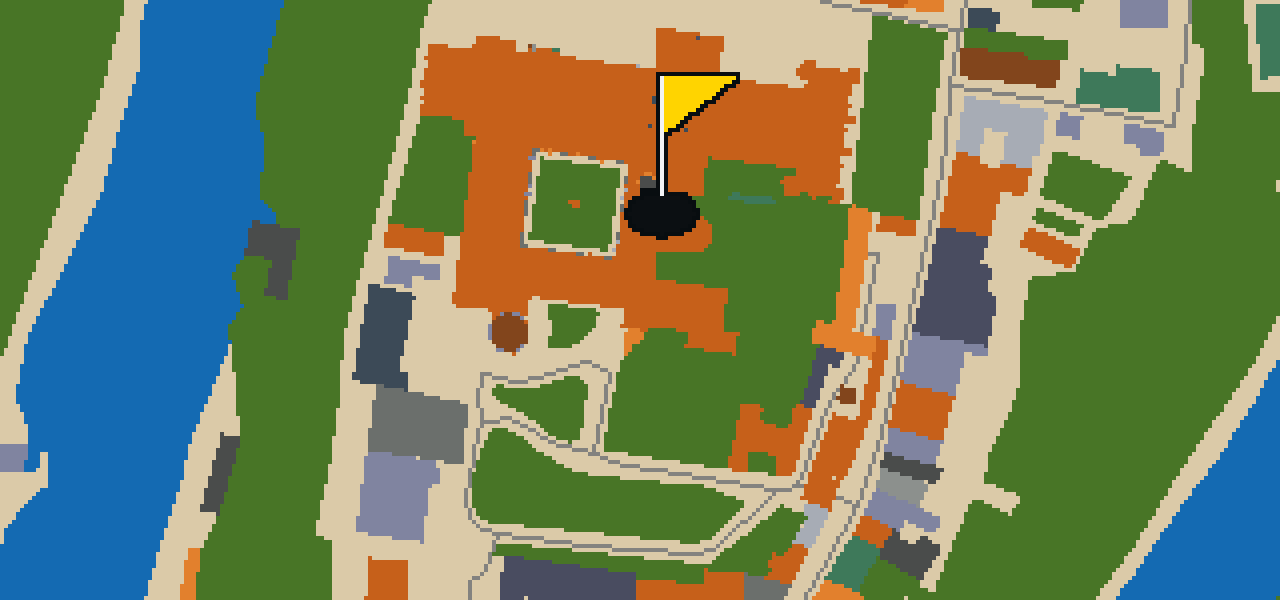
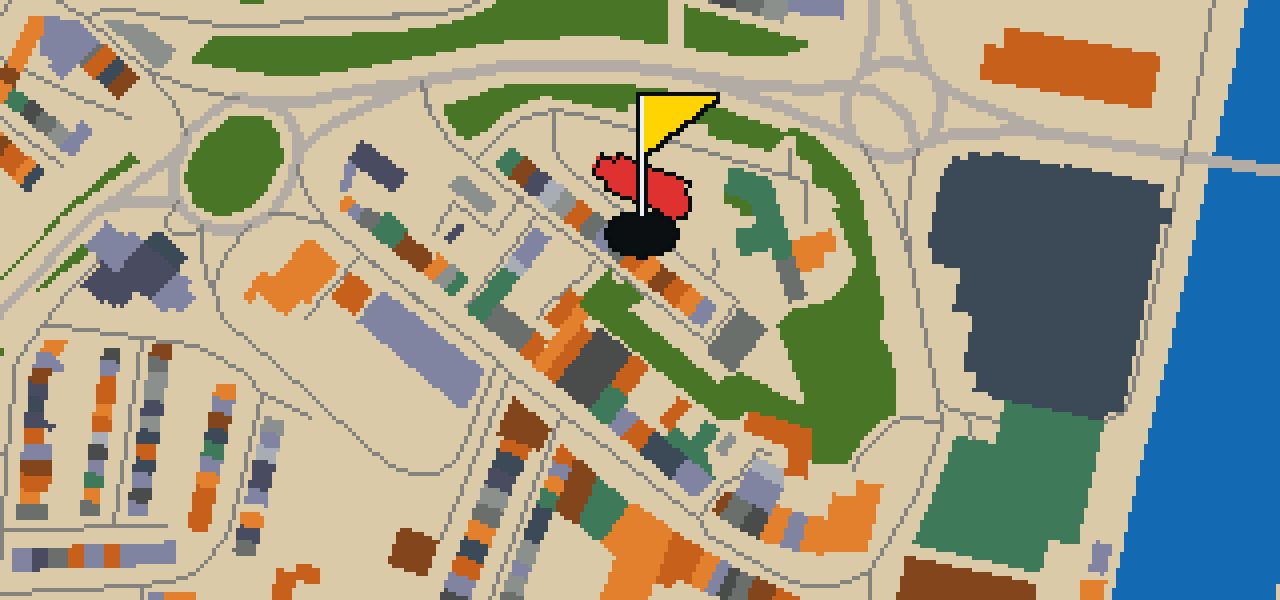
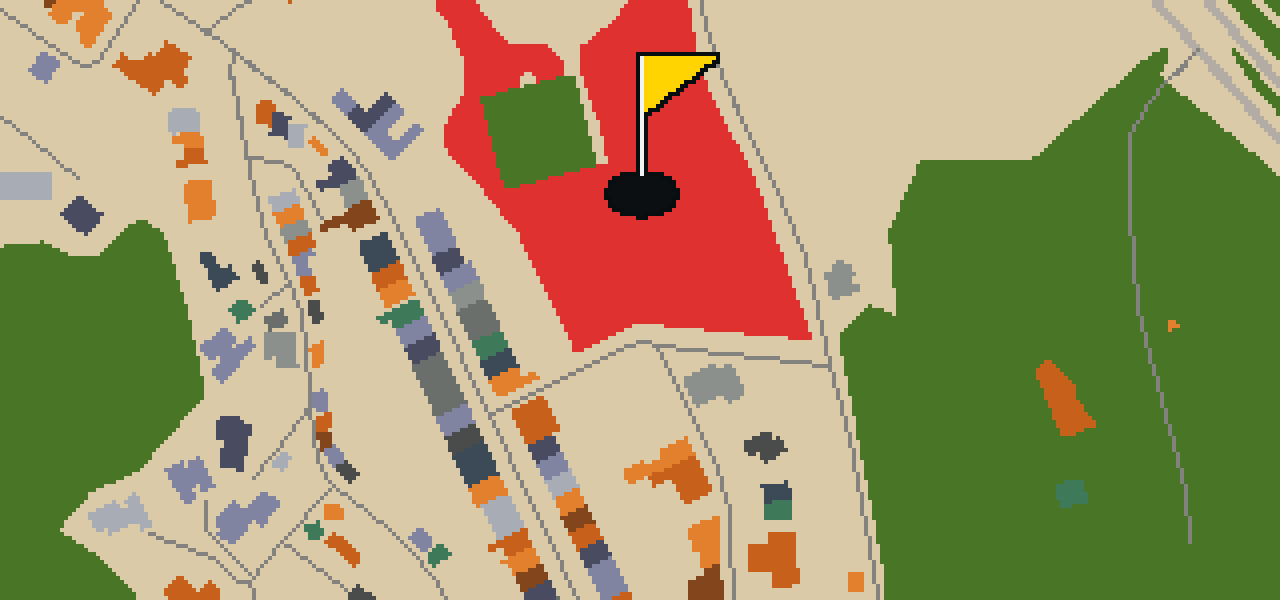
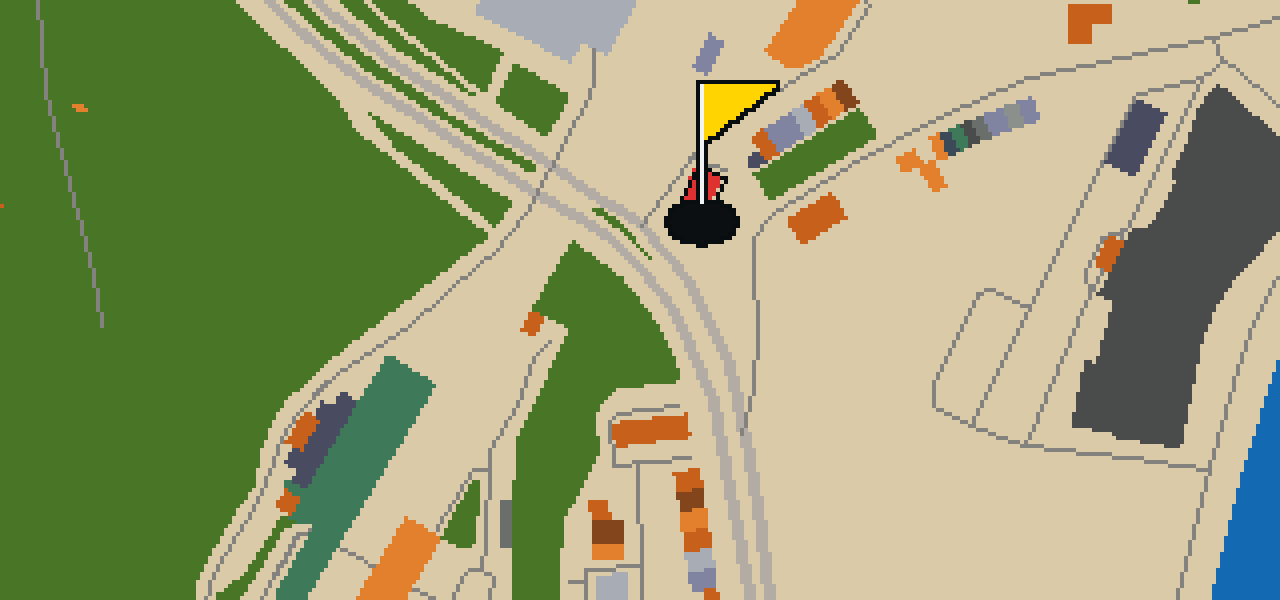
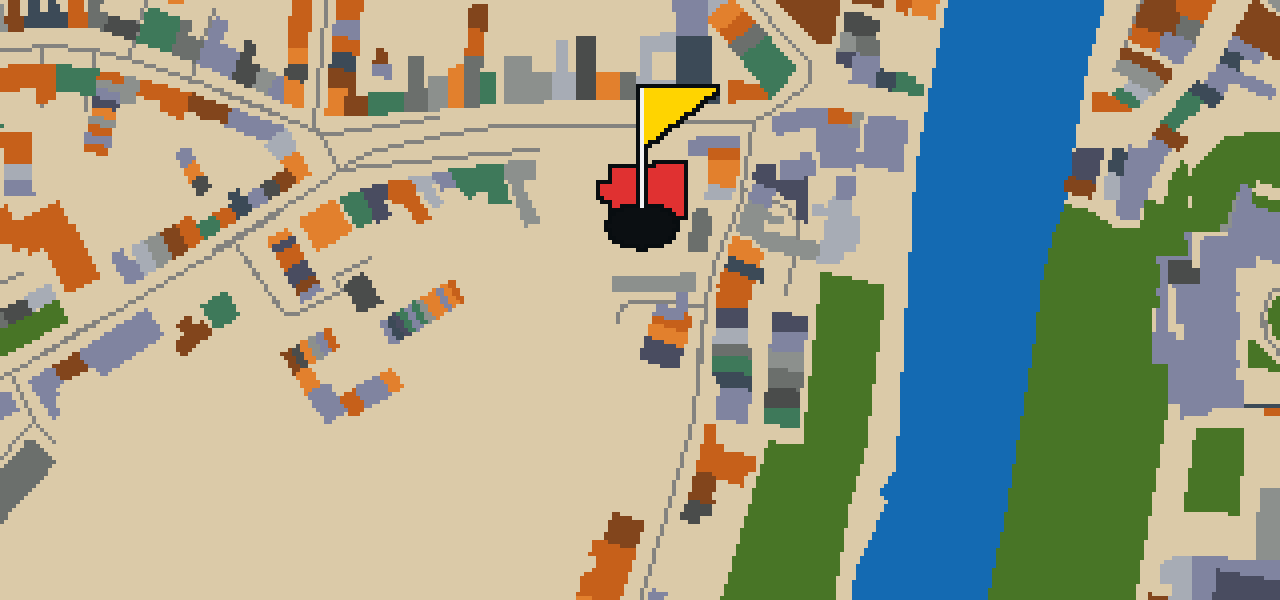
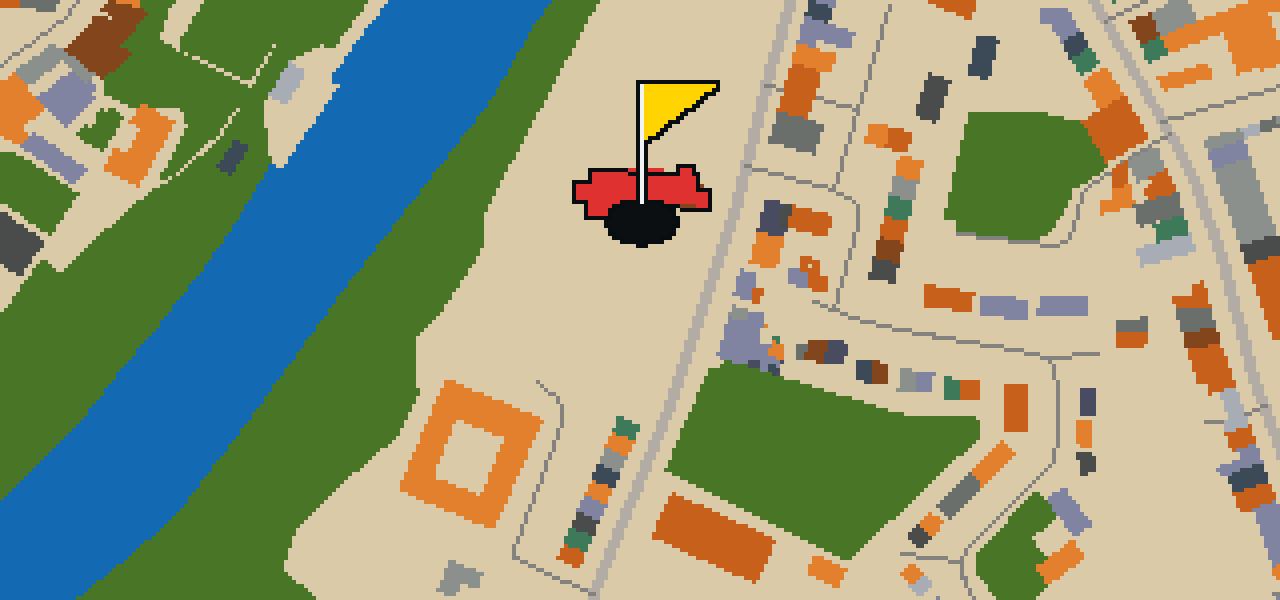
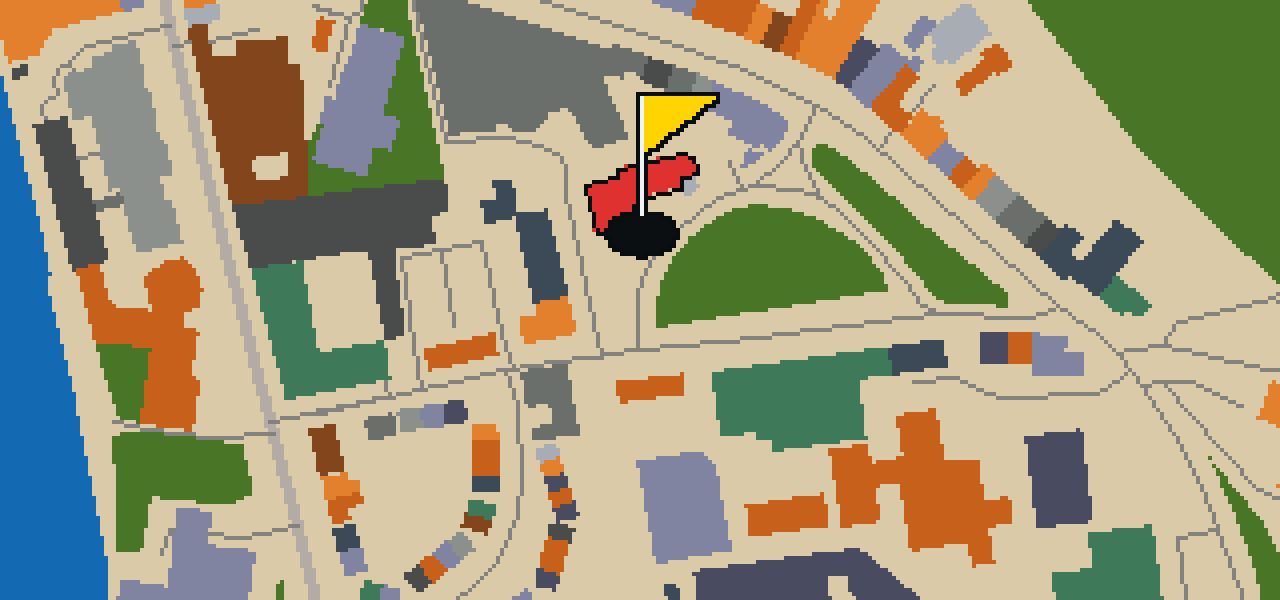
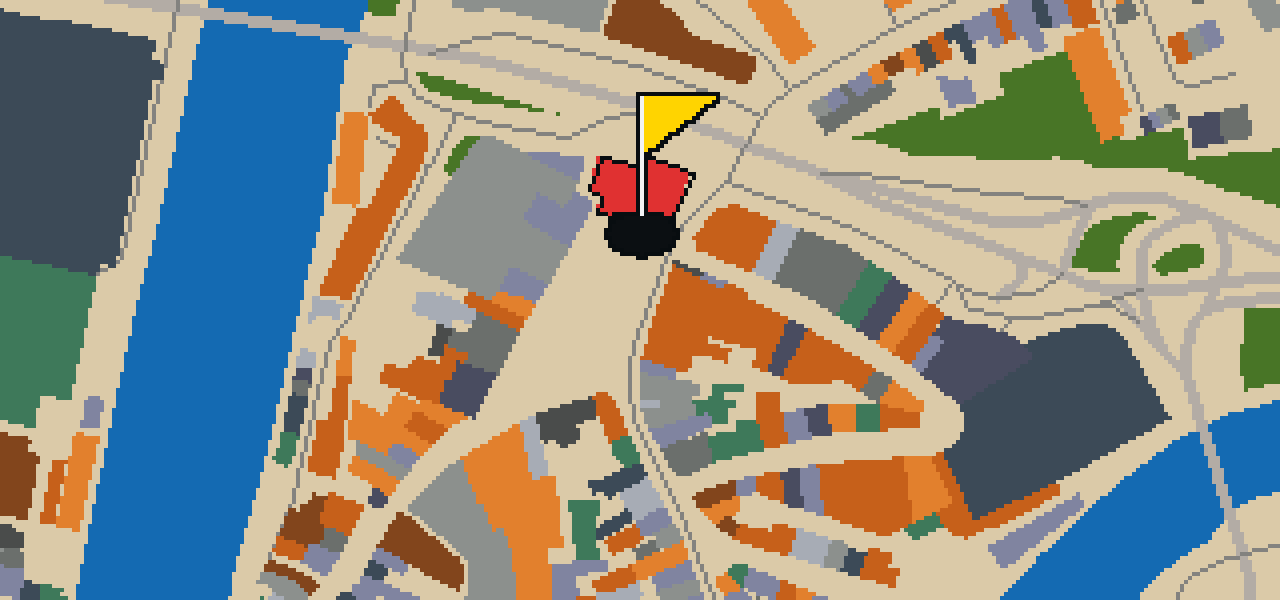
This is Durham. The map follows the real city layout and the round is played on its actual streets, using landmarks like Durham Castle as the basis for the holes. Skip is a local guide who knows every nook of these pavements. It is a quick round of 9 holes with a par of 25, covering a walk of 2.9 mi.

Trouble loading? Open the game in its own tab.

HOW IT WORKS

01

Pick a city

The course is drawn on the real street grid, so the map you play is the map you walk.

02

Putt to the pin

Drag to aim, release to swing. Buildings bounce and water costs you a stroke.

03

Sightsee between strokes

Every hole ends at an attraction. Sink the putt, read the story, walk to the next tee.

THE DURHAM ROUND - STOP BY STOP

HOLE 1 - PAR 3

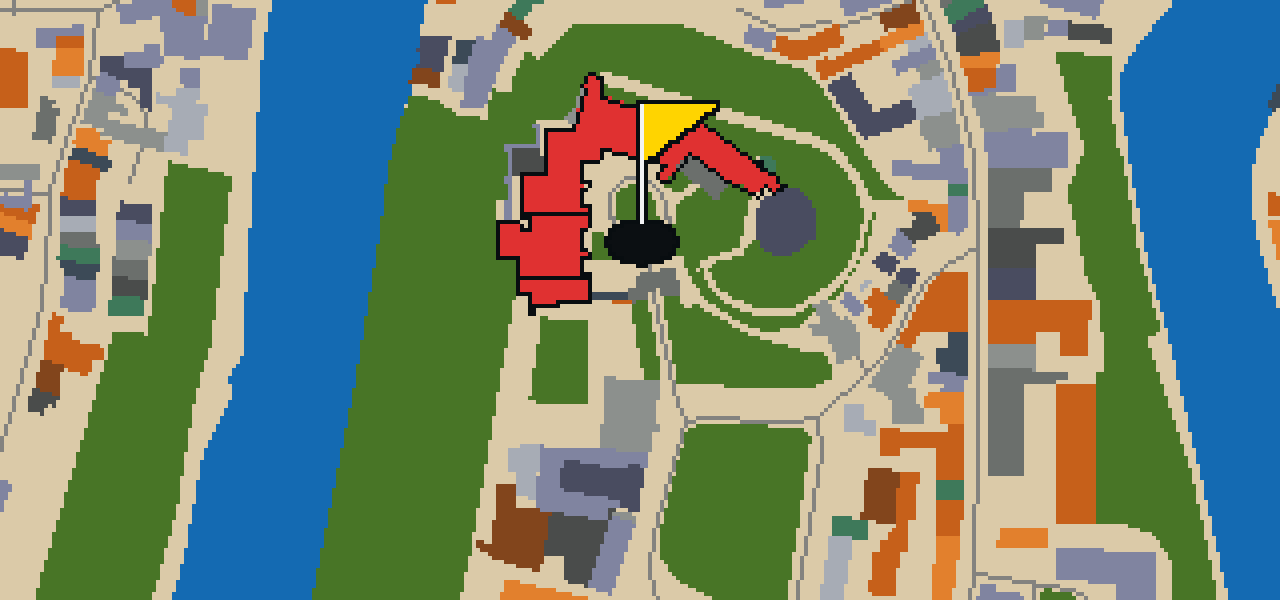
Durham Castle

Durham Castle is a castle and university museum located in the city of Durham. This Grade I listed building is a prime example of the Norman architecture style. While it is a historic site, it remains a place of active learning for the local community. University College, Durham has occupied the castle since 1837, and the building is still home to over 100 students. I've noticed the students move through these halls with a certain poise, perhaps because they live inside a piece of history. Whether you are interested in the university's presence or the ancient stonework, there is plenty to see here. It is a rare spot where the academic world and the medieval world exist in the same space, providing a unique atmosphere for anyone visiting the city.

Wikidata · Wikipedia

HOLE 2 - PAR 3

Tithe Barn

Let me show you the Tithe Barn. This architectural structure is a Grade II* listed building. When you look at the materials used in the construction, you can get a better sense of how these spaces functioned in the past and what they were used for. I have noticed that the scale of the building often surprises people who are not expecting to find it on their route. It is the kind of place where the exterior tells a story about the city's older layout. Whether you are a history enthusiast or just passing through on your way to other sights, the building remains a prominent feature of the local environment. You can pick out the specific details of the stonework and the overall form that earned it its listed status, making it a worthwhile stop for any visitor to the area.

Wikidata

HOLE 3 - PAR 3

Durham Cathedral

Durham Cathedral is an Anglican cathedral. Its inception was in 1093, and it was built in the Norman architecture style. The building reaches a height of 22 meters and contains the shrines of the Anglo-Saxon saints Cuthbert and Bede. It is the seat of the Bishop of Durham and is part of a UNESCO World Heritage Site. In 2024, the cathedral received 393,090 visitors. This Grade I listed building is a significant site for visitors and worshippers alike. You can see the influence of the Norman style in the structure as you walk through the grounds. The presence of the shrines for Cuthbert and Bede makes this a central location for historical and religious study in the region.

Wikidata · Wikipedia

HOLE 4 - PAR 3

St Godric's

St Godric's is a church building located within the city of Durham. This site is a Grade II listed building, a designation that indicates the structure is of special interest, warranting every effort to preserve it. When you visit, you can observe the architectural details that contributed to its listing status. The building remains a part of the local landscape, providing a point of historical reference for those passing through the area. As a Grade II listed building, it is protected by law to ensure that its character and integrity are maintained for future generations to see. Whether you are interested in the city's religious history or its protected architecture, this church building is a notable stop on your journey through the streets of Durham.

Wikidata

HOLE 5 - PAR 2

Obelisk

Located within the city, the Obelisk is a landmark that you can pick out as you move through the streets. It is a Grade II listed building, which means it is recognized for its special architectural or historical interest. As a guide, I can tell you that the structure is an obelisk. It is a simple, striking point of reference in the local area that visitors often notice while exploring the surroundings of Durham. I usually find the area around it to be a great spot for people-watching, as the monument draws the eye of everyone passing by. Whether you are following the course or just wandering, this listed building is a reliable marker for your position in the city. It is one of those steady fixtures that helps you get your bearings while you are out and about.

Wikidata

HOLE 6 - PAR 3

Fram Well Head

Let me show you the Fram Well Head. This site is a building located here in Durham. When you look at it, you can pick out the architectural details that make it a Grade II listed building. It is a small but distinct part of the local streetscape that visitors often notice while moving through the city. I find it is one of those spots where you can really appreciate the specific heritage of the area's construction. Since it holds a Grade II listing, the building is protected and recognized for its special interest. It is a simple example of the city's built history, providing a tangible link to the past for anyone walking by.

Wikidata

HOLE 7 - PAR 3

St Margaret of Antioch

St Margaret of Antioch is a church building located on Crossgate in the city of Durham. When you look at the structure, you can see that substantial parts of the building date from the 12th century. Because of its historical and architectural importance, it is a Grade I listed building. While it is a site of great age, it is not merely a monument; it is an active parish church that continues to serve its congregation. This landmark is situated in the North-East of England, providing a point of continuity in the city's layout. Whether you are interested in the ancient stonework or the ongoing life of the parish, this building offers a direct link to the city's long history.

Wikidata · Wikipedia

HOLE 8 - PAR 2

St Oswald's Church

St Oswald's Church is a church building situated in Durham, County Durham. This site is a Church of England parish church that dates in part from the 12th century, providing a tangible link to the medieval history of the area. The building is also officially designated as a Grade II* listed building, which recognizes its particular architectural and historical importance to the region. For those visiting the city, the church stands as a significant example of a parish church that has remained an active part of the community for centuries. Whether you are interested in the history of the Church of England or the specific heritage of County Durham, this building provides a direct connection to the city's enduring past through its ancient walls and designated status.

Wikidata · Wikipedia

HOLE 9 - PAR 3

St Cuthbert's Catholic Church

The English Gothic architecture style defines the exterior of St Cuthbert's Catholic Church. This Grade II listed building is a Roman Catholic parish church in Durham, England, and is part of the Elvet Green Conservation Area. Beyond its role as a place of worship, the church is the home of the Catholic Society and the Durham University Catholic Chaplaincy. Between 2012 and 2016, the chaplaincy and the parish were entrusted to the Dominican Order. The church is named for St Cuthbert of Lindisfarne, who was a 7th century bishop, healer and patron of Northern England. Visitors can observe how the building fits into the surrounding conservation area while recognizing its importance as a center for both the local parish and the university community.

Wikidata · Wikipedia

STOP 10

St Nicholas Church

This is not the cathedral that dominates the skyline, but rather St Nicholas Church, a Church of England parish church located in Durham. It is a Grade II listed building that was started in 1858. You can pick out the specific design choices made by its architect, James Pigott Pritchett, as you look at the structure. Within the broader organization of the church, this specific parish is part of the open evangelical tradition of the Church of England. It remains a significant point of worship and local history within County Durham, England, offering a different scale and atmosphere than the larger monuments nearby. The building serves as a focal point for its congregation and a testament to the mid-nineteenth century ecclesiastical architecture of the region.

Wikidata · Wikipedia

OTHER COURSES

9 HOLES - PAR 30

Wrekin

9 stops

Wrekin is the setting for this round, where the map is the real city and the ball rolls across its actual streets. The holes are built from real attractions like the Coalport China Museum. I know every nook of this place from a bird's eye view. It is a quick nine-hole round with a par of 30, covering a walk of 4.1 mi.

9 HOLES - PAR 26

Luton

9 stops

This is Luton. The map follows the real city and the round is played on its actual streets, using attractions like Wardown Park Museum as the basis for the holes. Skip knows these pavements well. It is a quick round of 9 holes with a par of 26, covering a 3.4 mi walk with 4 portals to bridge the gaps.

9 HOLES - PAR 29

Stoke-on-Trent

9 stops

Stoke-on-Trent is the setting for this round, with the ball rolling across the real city streets. The course is built from actual attractions, starting with a shot at Vale Park. This quick 9-hole round covers 3.7 mi and uses 2 portals to bridge the gaps. Skip is the local guide for these roads, provided a few crumbs are involved.

9 HOLES - PAR 28

Wolverhampton

9 stops

Banking a ball off the brickwork of the Black Country Living Museum feels different than anywhere else. This round takes place on the real streets of Wolverhampton, where the map is the city itself and the local attractions form the holes. Skip knows every crack in the pavement here. It is a quick round of 9 holes with a par of 28, covering 3.7 mi and using 6 portals to bridge the gaps.

9 HOLES - PAR 25

Kingston upon Hull

9 stops

This is Kingston upon Hull, where the map is the real city and the round is played on its actual streets. The holes are built from real attractions, including the Hull Minster. I know these roads well and am the local guide. It is a quick round of 9 holes with a par of 25, covering a 3 mi walk and using 2 portals.

FAQ

Is it free to play?

Yes. Every course runs in the browser with no account and no install.

Do I need to be in the city?

No. The full round plays from anywhere. Walking the real route is a nice way to see the city, but it is not required.

Are the maps real?

Yes. The geometry comes from OpenStreetMap data, rendered chunky on purpose. Streets, water and parks sit where they really are.