THE CHESTER WALLS ROUND - STOP BY STOP

The Watergate

Chester Castle
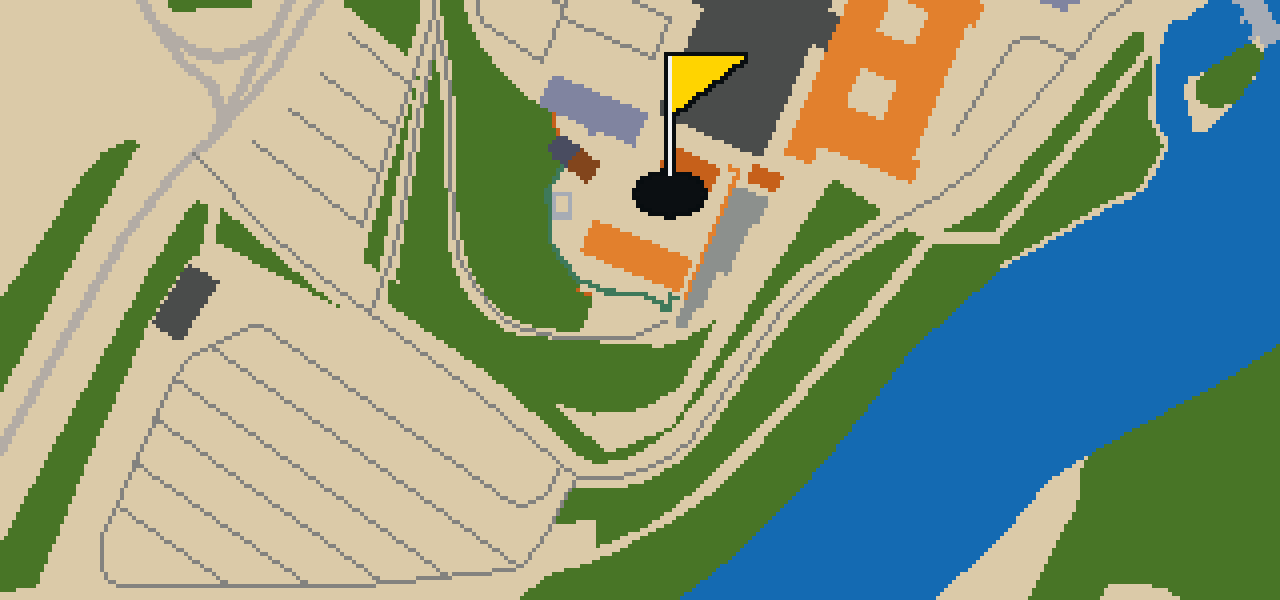
Chester Castle in Cheshire, England, is a castle that began in 1069. You can see the Norman architecture style in its design. The site also features Neoclassical buildings designed by Thomas Harrison, which were built between 1788 and 1813. These later additions serve a variety of purposes today, as parts of the buildings are used by the Crown Court while other areas are used as a military museum. From a roofline view, the contrast between the early Norman roots and the later Neoclassical work is quite clear to see. It is a place where the city's legal and military history remains active in the same space, blending different eras of construction. I find the mix of styles makes for a very interesting walk around the grounds for any visitor.
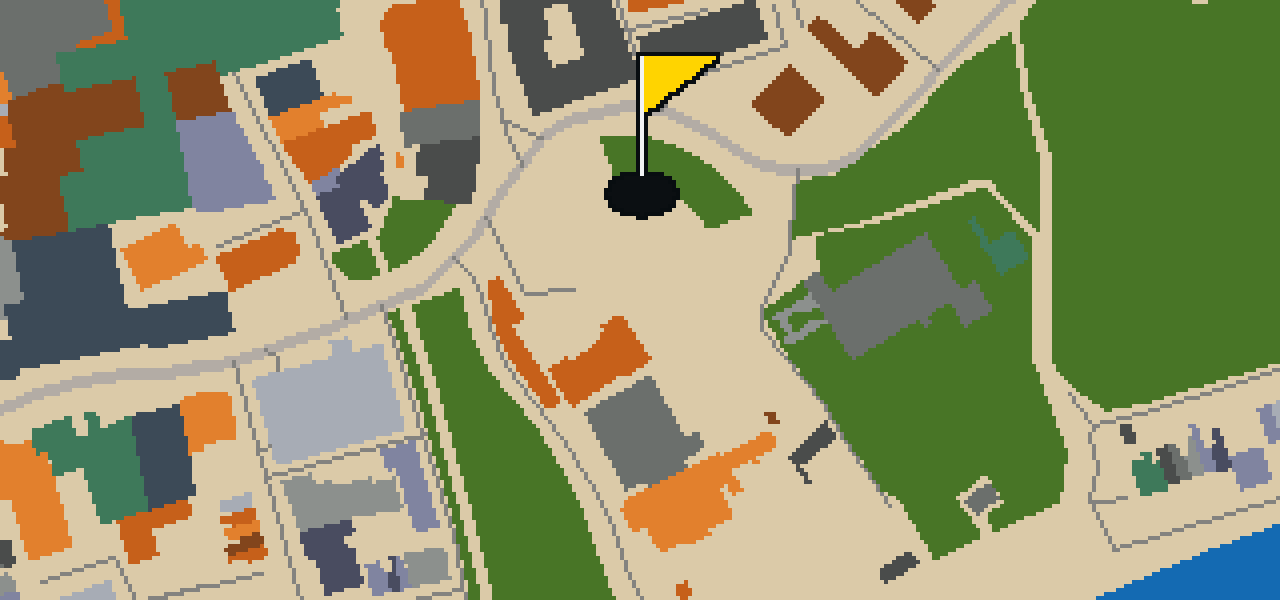
Roman Amphitheatre
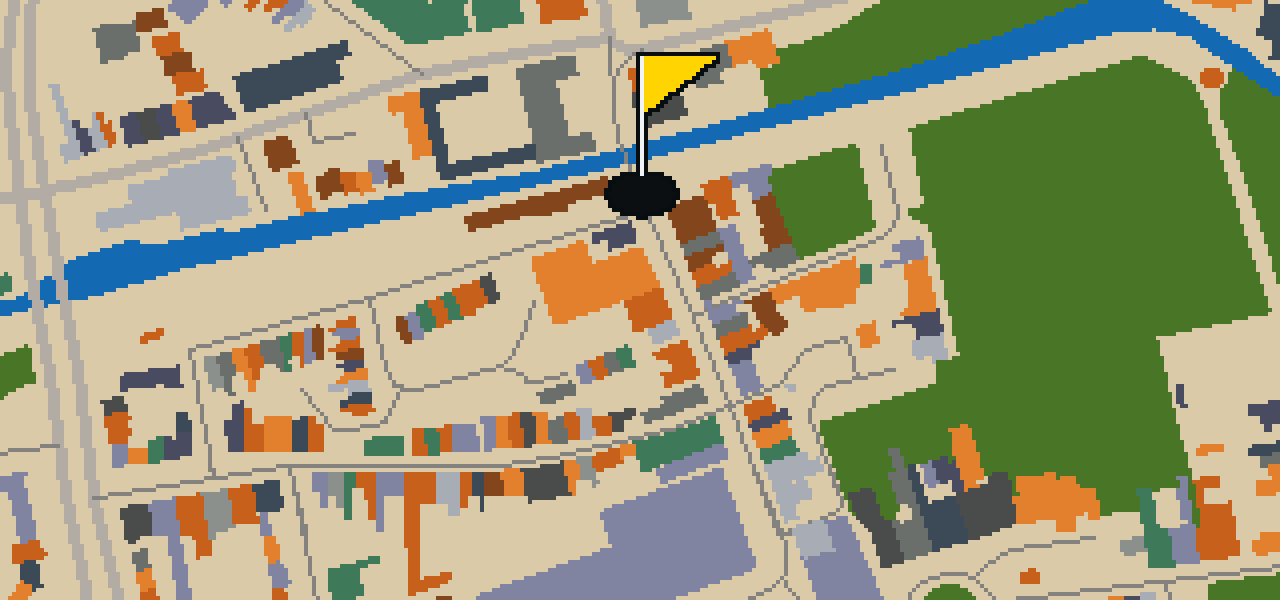
Northgate
Look closely at the arch bridge that spans Northgate Street. This structure is Northgate, a gate located in Chester, Cheshire, England. It carries the city walls footpath over the street below, allowing pedestrians to cross while remaining on the historic fortifications. Thomas Harrison is the architect of this specific gate. Because of its historical and architectural importance, Northgate is a Grade I listed building. I often see people pausing here to look at the view of the street from the walls. It is a sturdy piece of the city's perimeter that remains a functional part of the walking route today. Whether you are walking the walls or the road, the scale of the masonry is something you can't miss. It is a fine example of how the city's defenses were adapted over time to accommodate the flow of traffic on the ground.
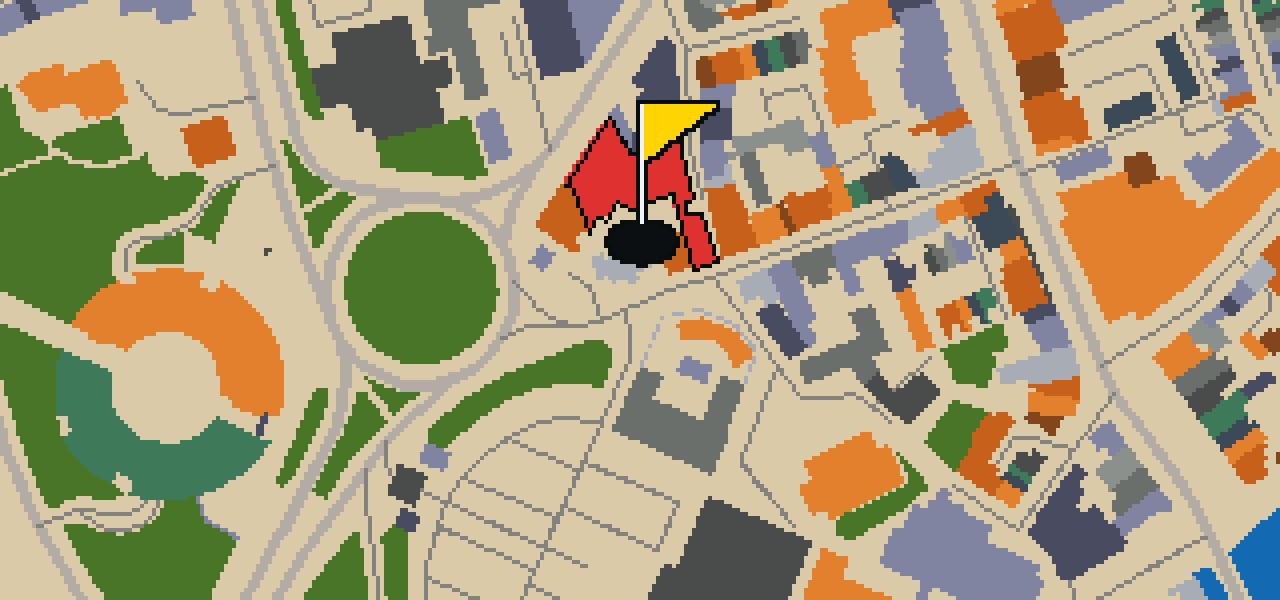

Grosvenor Museum
You might expect a simple gallery, but the Grosvenor Museum is a natural history museum, historic house museum, local museum, and local authority museum. Its full title is The Grosvenor Museum of Natural History and Archaeology, with Schools of Science and Art, for Chester, Cheshire and North Wales. Located in Chester, Cheshire, in the United Kingdom, the building is Grade II listed. Inside, you can find a room arranged as a Victorian parlour alongside archaeological items from the Roman period, paintings, and musical instruments. Major refurbishments took place between 1989 and 1999 to keep the space in good shape. From my favorite roof perches, I can see how the site has evolved since it opened in 1886 and was extended in 1894. It is a great spot to see how the local area has changed over the centuries.