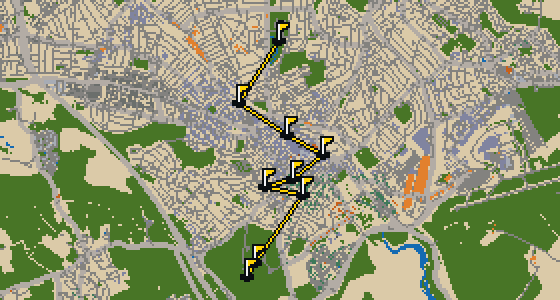
THE CHELTENHAM ROUND - STOP BY STOP

Everyman
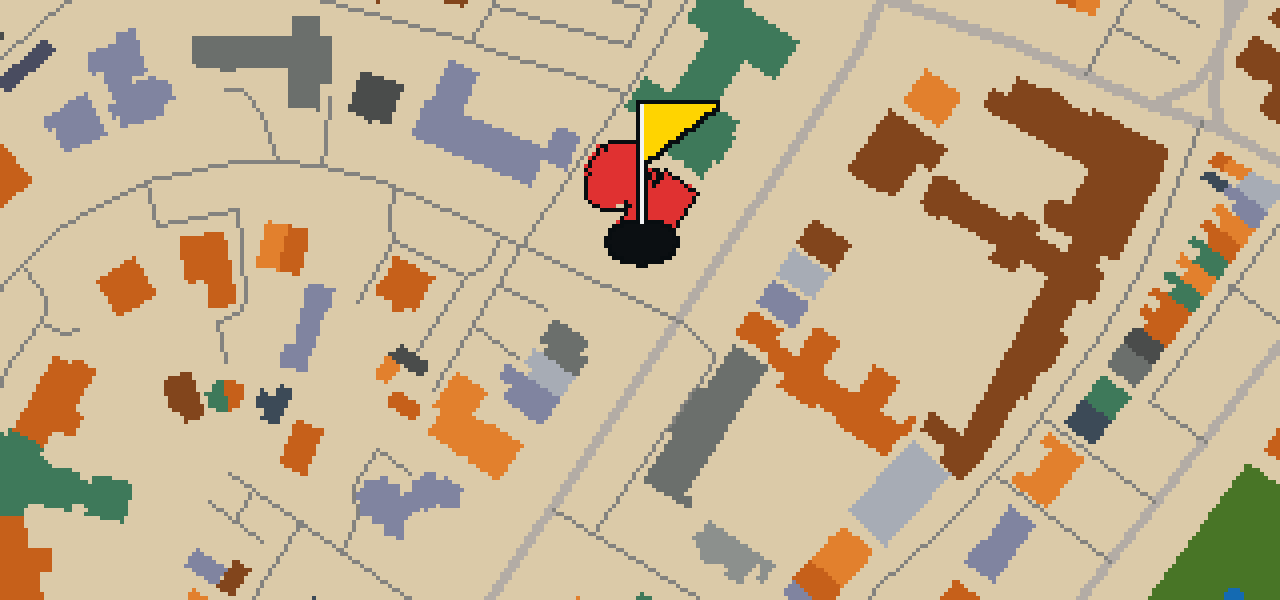
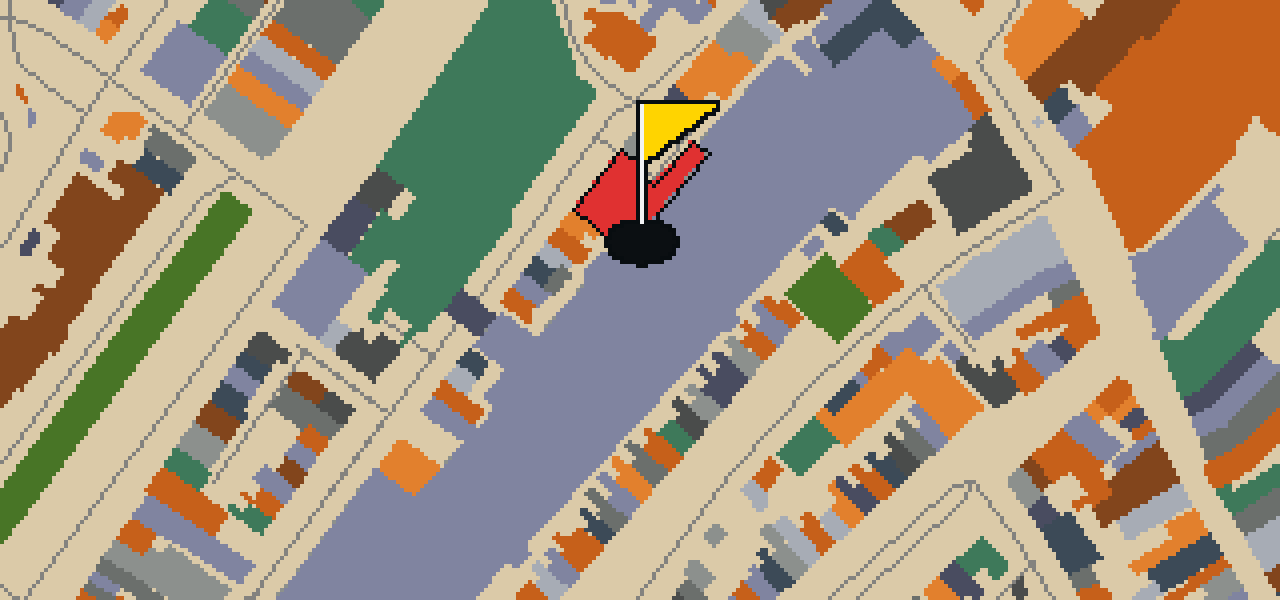
You can find Everyman on Regent Street in Cheltenham. This theatre building was started in 1891 and was designed by architect Frank Matcham. It is a Grade II listed building, meaning it is recognized for its special architectural interest. Inside, the venue offers two distinct spaces for performances. The main auditorium is the larger of the two, containing 718 seats for the audience. For smaller productions, the building contains a 60-seat Studio Theatre. This smaller space was originally named the Ralph Richardson Studio after Ralph Richardson. I've noticed the street traffic makes for a lively approach to the front doors, though the building itself remains a steady landmark of the area. Whether you are here for a large show or an intimate play, the structure provides a classic atmosphere for the arts in the heart of the city.

Park Gallery

Cheltenham Synagogue
The Cheltenham Synagogue is a Grade II* listed building designed in the Neoclassical architecture style. Located on Synagogue Lane in St James's Square of Cheltenham, Gloucestershire, England, in the United Kingdom, this site functions as an Orthodox Jewish congregation and synagogue. The congregation itself was formed in 1820, and the synagogue's inception followed in 1837. Those who gather here for worship do so in the Ashkenazi rite. It is a place of faith and heritage, where the architecture of the building reflects its historical significance within the community. Visitors to the area can identify the building by its distinct Neoclassical features, which mark its presence in the square. The site continues to serve the needs of the Orthodox Jewish congregation that has been established in the town for over two centuries.
The Paragon Gallery
St Philip & St James
Located in the parish of Leckhampton in south Cheltenham, Gloucestershire, St Philip & St James is a church building. It is a Grade II* listed building that serves as a focal point for the local community. As part of the Anglican Diocese of Gloucester, the church maintains a present congregational roll of over 200 people. It has been a centre for worship for more than 150 years. Visitors to this area of the city can observe the building's protected status and its role as a place of faith. The parish of Leckhampton provides a distinct setting for this historic site, which continues to welcome its members for regular services and community gatherings in the heart of south Cheltenham.
King William IV
You will first notice the figure of King William IV standing here in the heart of town. This is a statue that captures the regal presence of the monarch for all to see. Beyond its visual appeal as a piece of public art, it holds a specific official status. The statue is a Grade II listed building, meaning it is protected and recognized for its special architectural or historic interest. I always find it interesting how these stone figures keep a steady eye on the bustle of the modern streets around them, never blinking while the crowds pass by. It is a small but significant piece of the city's character that adds a touch of royal history to your walk through the center of Cheltenham.
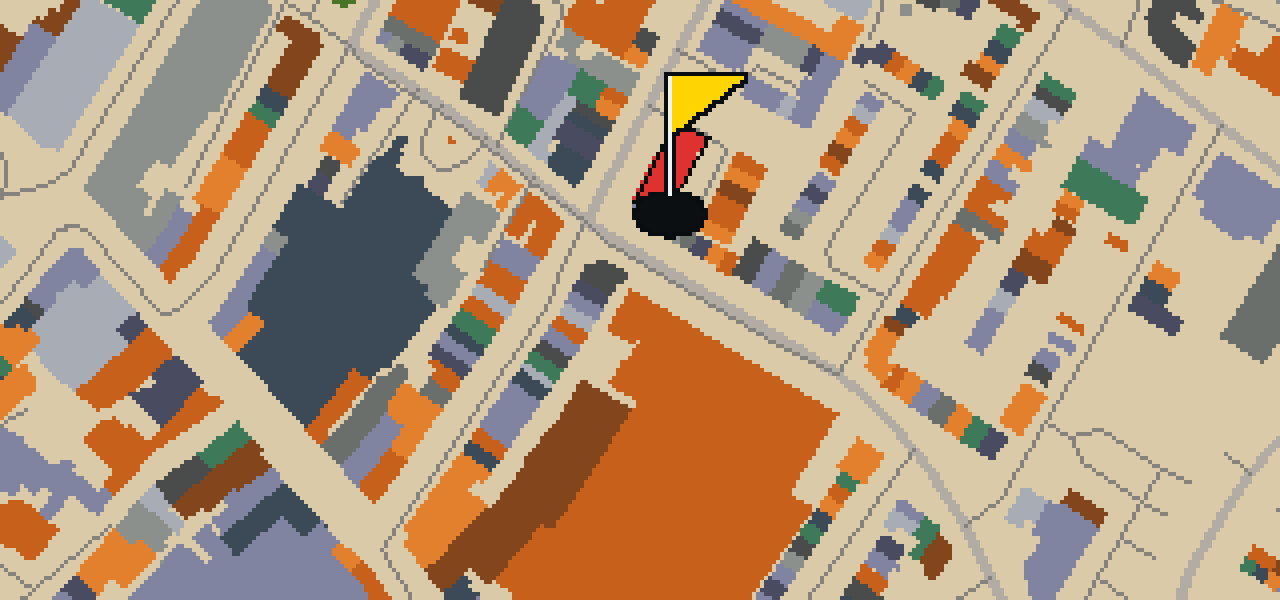
Art Union
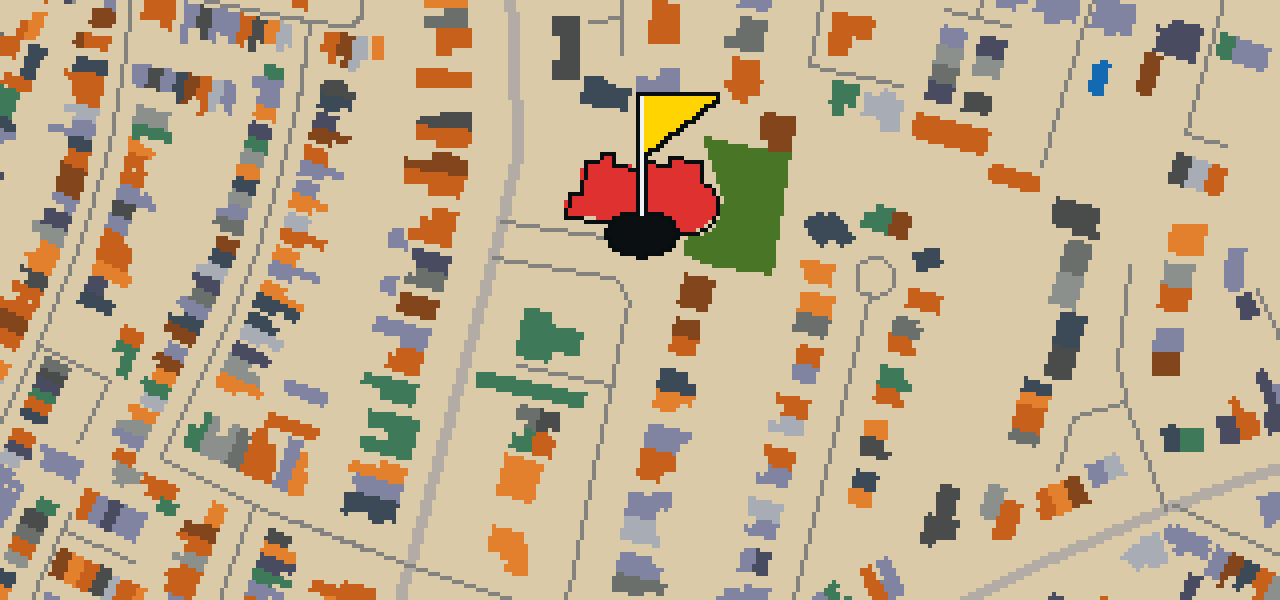

All Saints
All Saints is a church building in Cheltenham that was started in 1865. This site was designed by the architect John Middleton and has served the community as a parish church in the Church of England. Over time, the building has gained significant recognition for its architecture and historical value, resulting in its current status as a Grade I listed building. You can pick out the specific details of Middleton's work as you walk around the exterior, which help explain why the structure is held in such high regard today. The building remains a central point of interest in Cheltenham, providing a direct link to the mid-nineteenth century through its preserved design and continued use as a place of worship for the local parish.
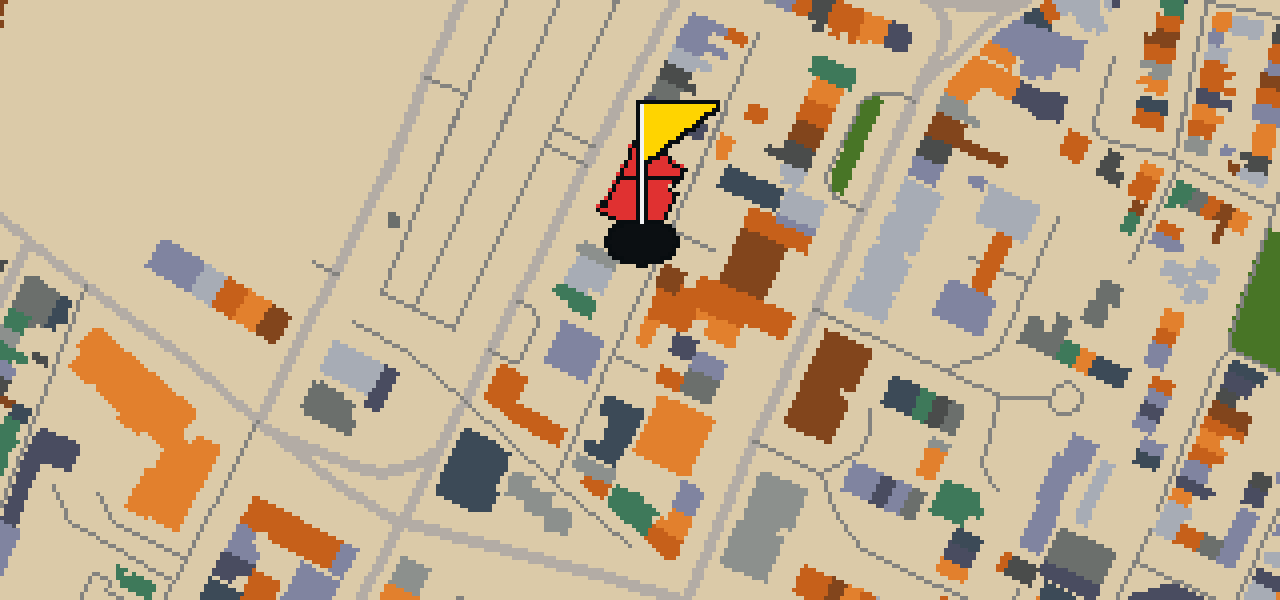
Trinity
The Grade II* listing of this building marks its architectural significance within the town. Trinity is an Anglican church building located in Cheltenham, Gloucestershire, England. Beyond its physical structure, the community here operates as an Evangelical and charismatic church. It is a place of worship that maintains these specific traditions while remaining a prominent fixture of the local streetscape. Visitors can observe the exterior of this listed building as it stands in the heart of Cheltenham. The combination of its Anglican roots and its identity as both an Evangelical and charismatic church makes it a distinct site for those exploring the religious history and current practices of Gloucestershire, England.