
CANTERBURY - 9 HOLES - FREE

CANTERBURY
CITY MAP MINIGOLF

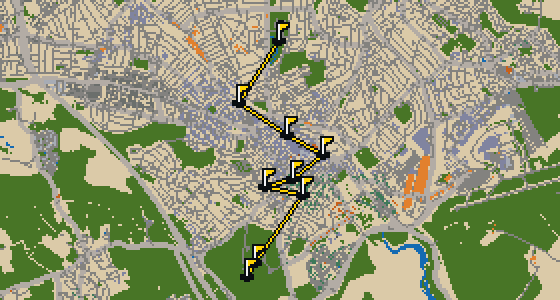
Canterbury - 9 stops - par 26

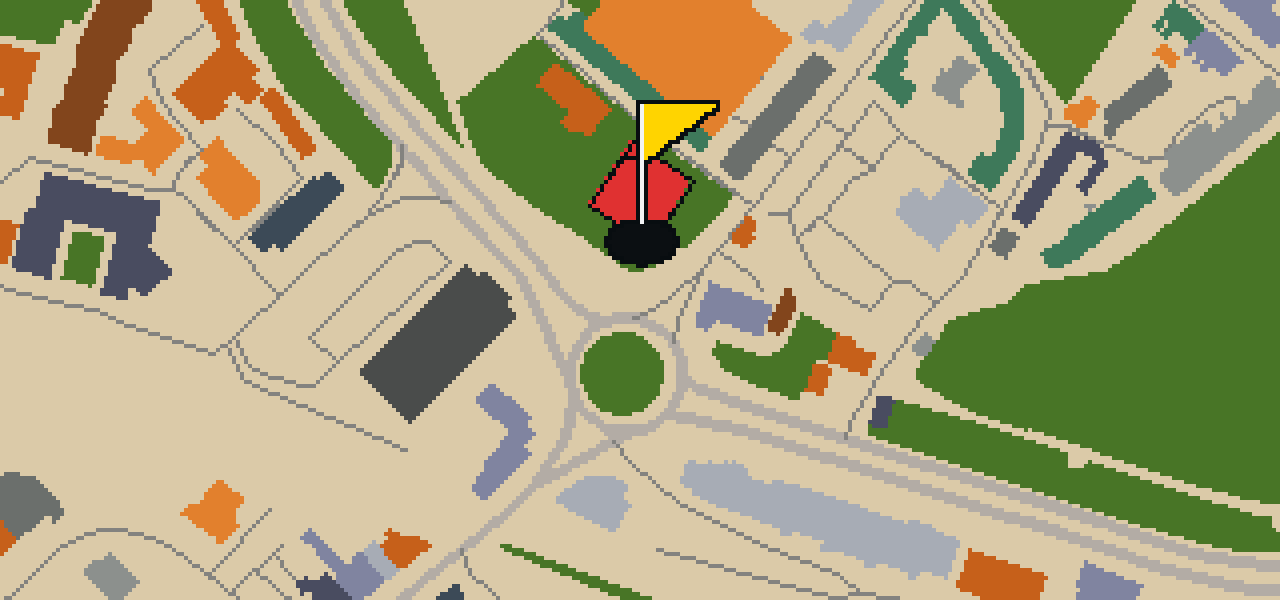
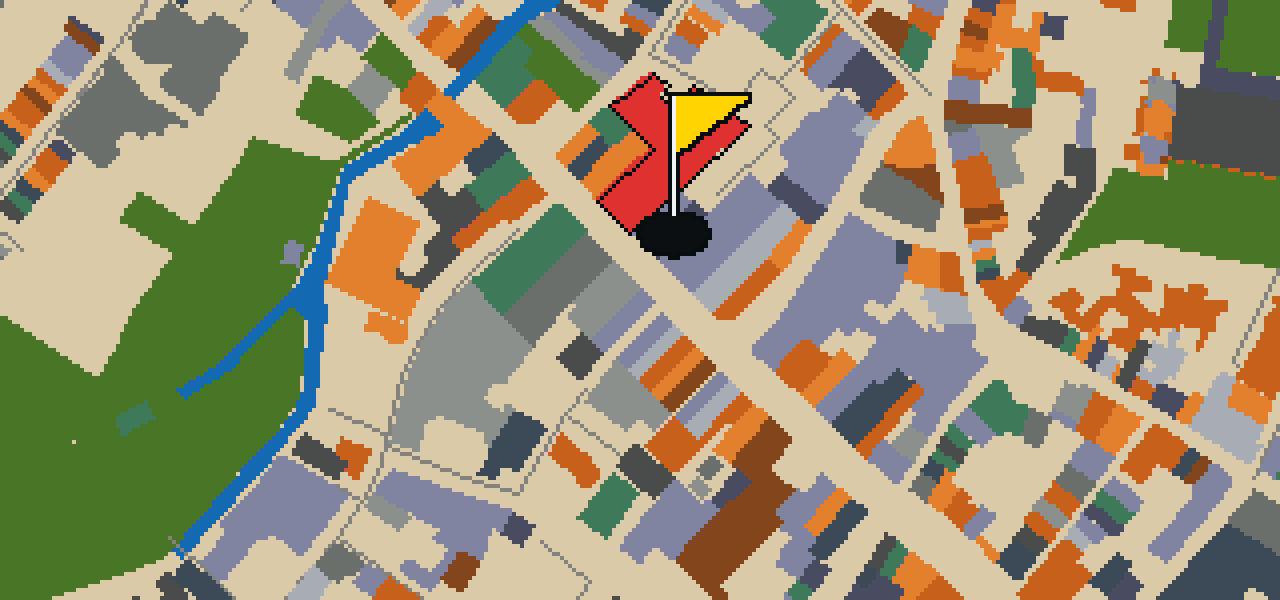
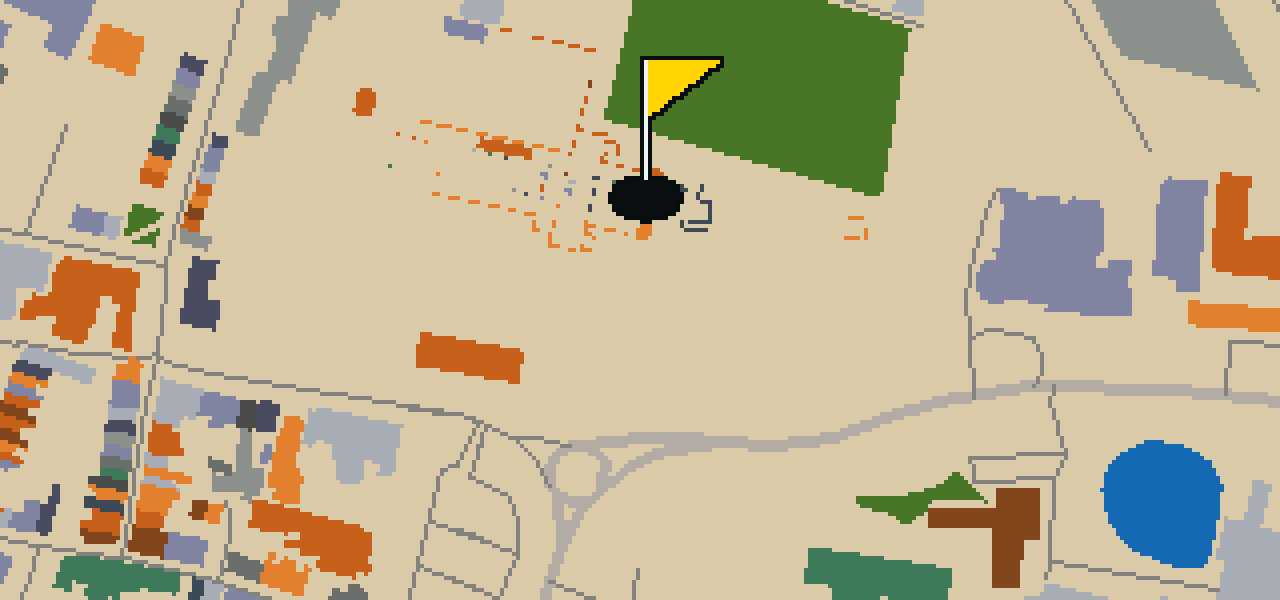
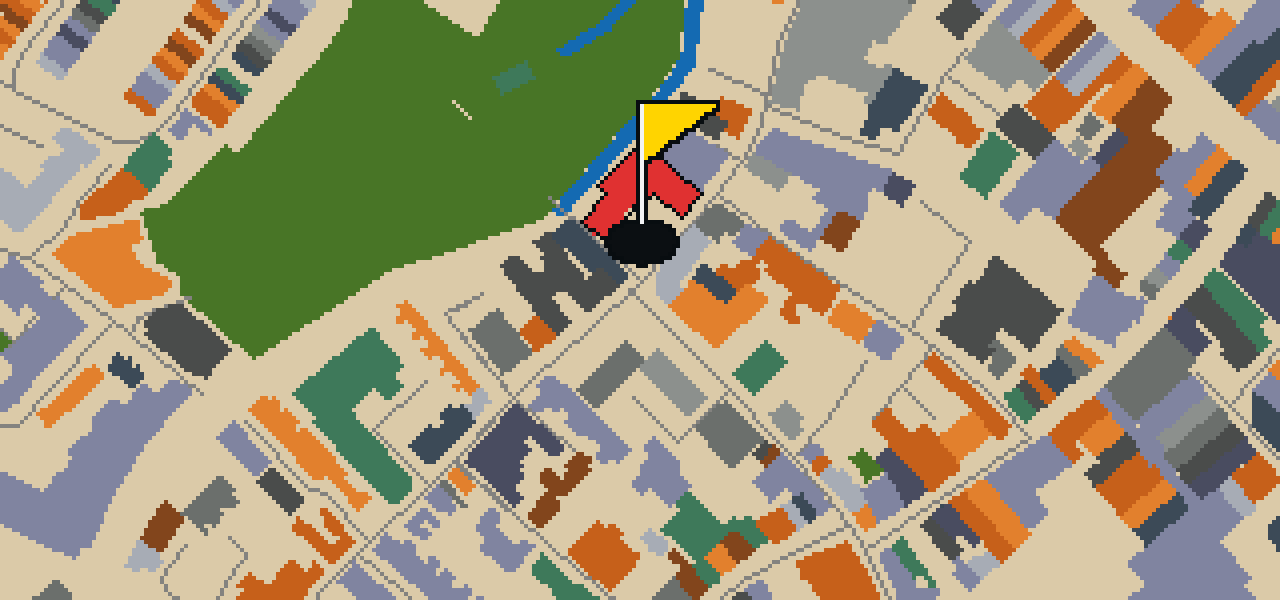
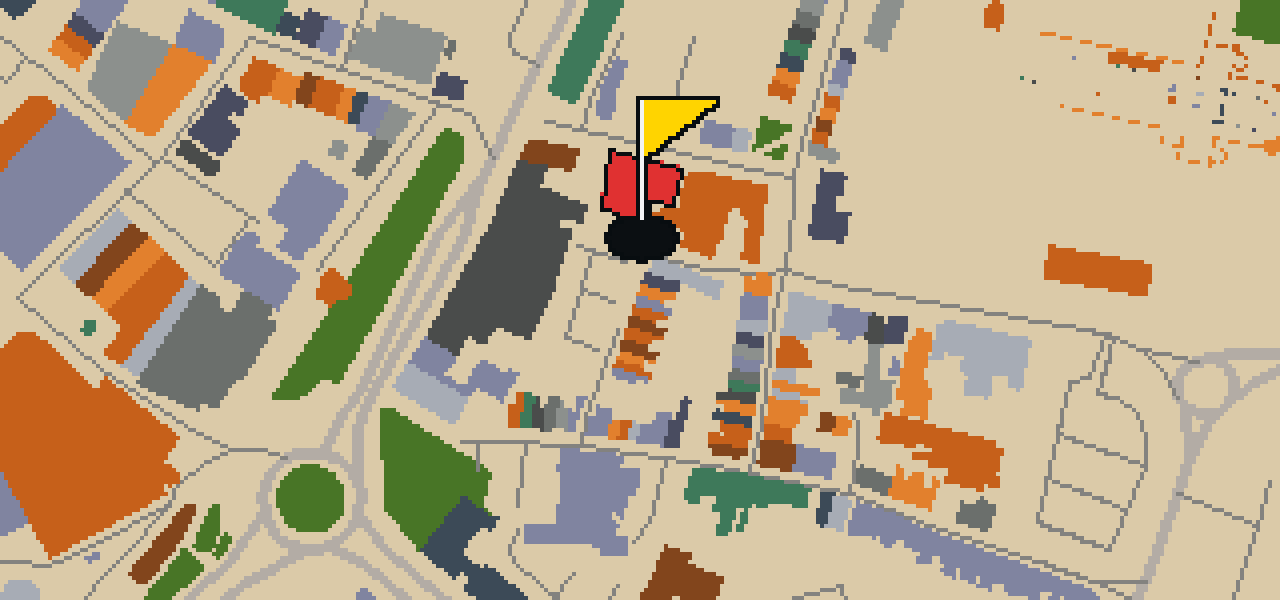
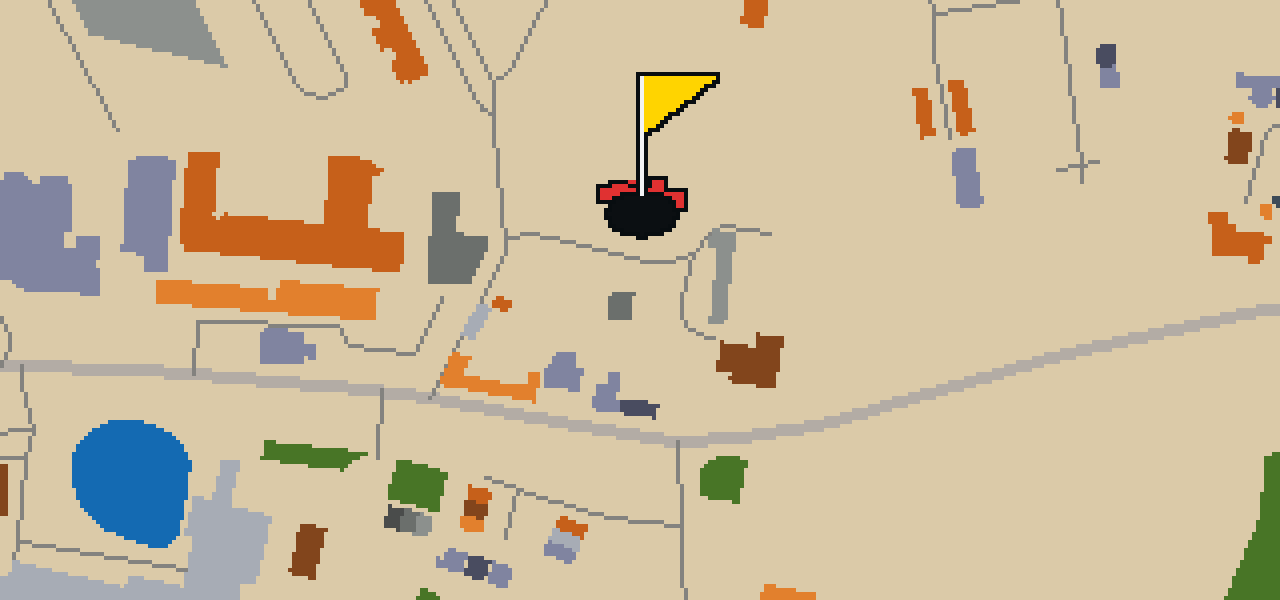
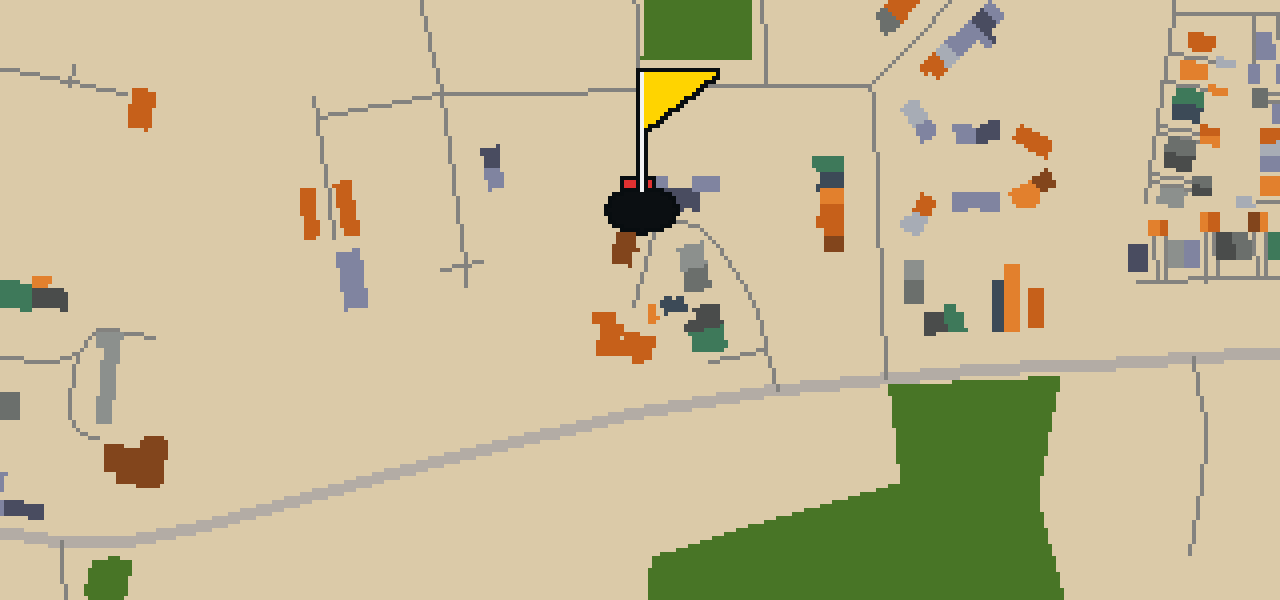
Canterbury is the setting for this quick 9-hole round, played across the real streets of the city. The holes are built from actual attractions, like Saint Martin's Church, and the ball travels 3.1 mi via 8 portals. Skip knows every cobblestone and alleyway here, including the specific spots where the best crumbs usually land.

Trouble loading? Open the game in its own tab.

HOW IT WORKS

01

Pick a city

The course is drawn on the real street grid, so the map you play is the map you walk.

02

Putt to the pin

Drag to aim, release to swing. Buildings bounce and water costs you a stroke.

03

Sightsee between strokes

Every hole ends at an attraction. Sink the putt, read the story, walk to the next tee.

THE CANTERBURY ROUND - STOP BY STOP

HOLE 1 - PAR 3

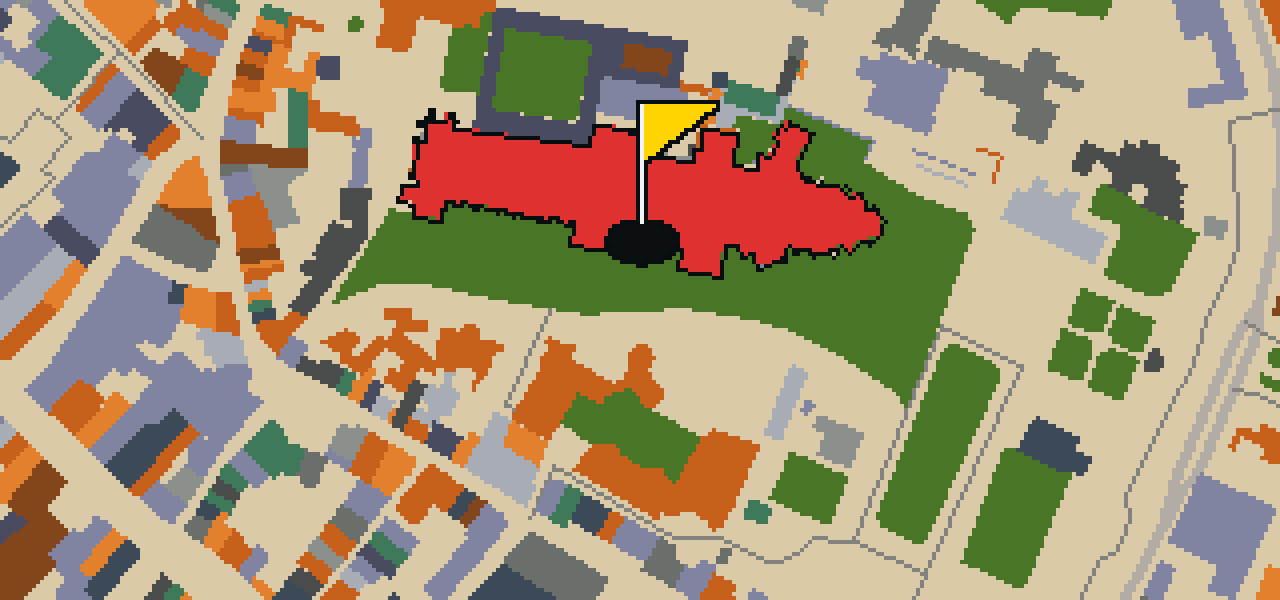
Canterbury Cathedral

Canterbury Cathedral is an Anglican cathedral. Its inception was in 597, and the structure now reaches a height of 72 meters. As you look at the building, you can see the influence of several styles, including Romanesque architecture, English Gothic architecture, Norman architecture, and Gothic art. William of Sens and William the Englishman are architects of the cathedral. It is a Grade I listed building and is part of a UNESCO World Heritage Site. The formal title of the building is the Cathedral and Metropolitical Church of Christ, Canterbury. These details combine to make it a significant site for visitors to the city, reflecting a long history of construction and design through the centuries.
Wikidata · Wikipedia

HOLE 2 - PAR 3

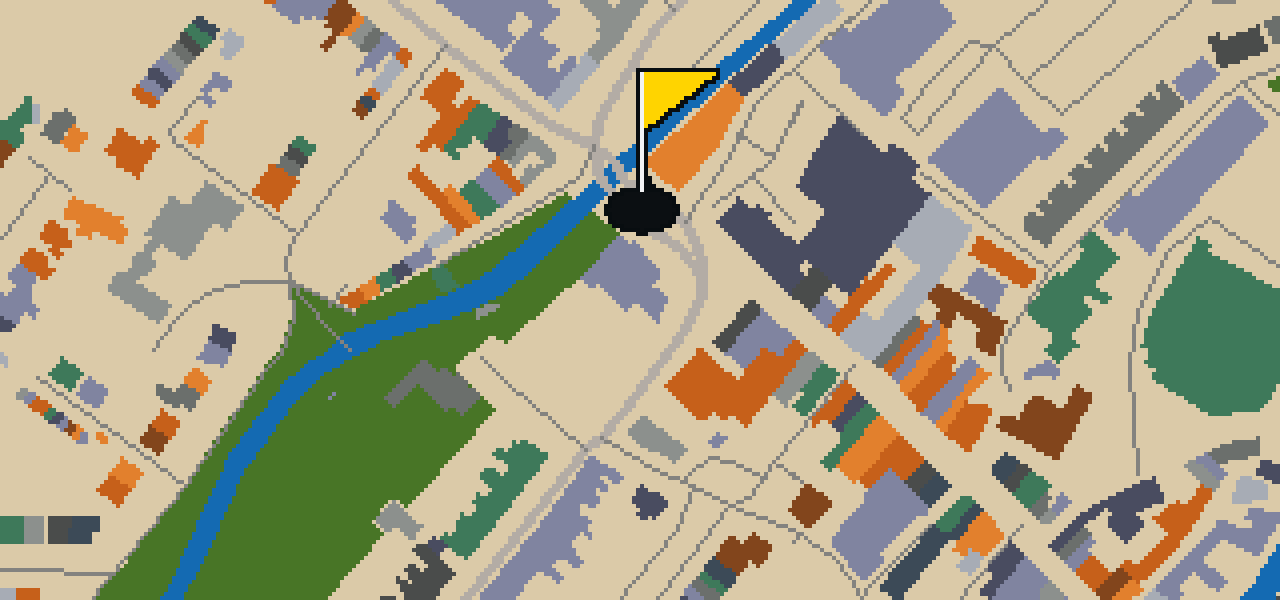
Westgate Towers

You will first notice the massive scale of the Westgate, a medieval gatehouse built of Kentish ragstone around 1379. It stands 60 feet high and is the largest surviving city gate in England. While Canterbury once had seven medieval gates, this is the last survivor. Today, the building is a scheduled monument and a Grade I listed building. If you have time to step inside, it houses the West Gate Towers Museum. I find the stone textures here are great for a quick grip if you're landing nearby. It is a heavy piece of history that still guards the entrance to the city center, making it a landmark you cannot miss as you navigate the streets of Kent.

Wikidata · Wikipedia

HOLE 4 - PAR 3

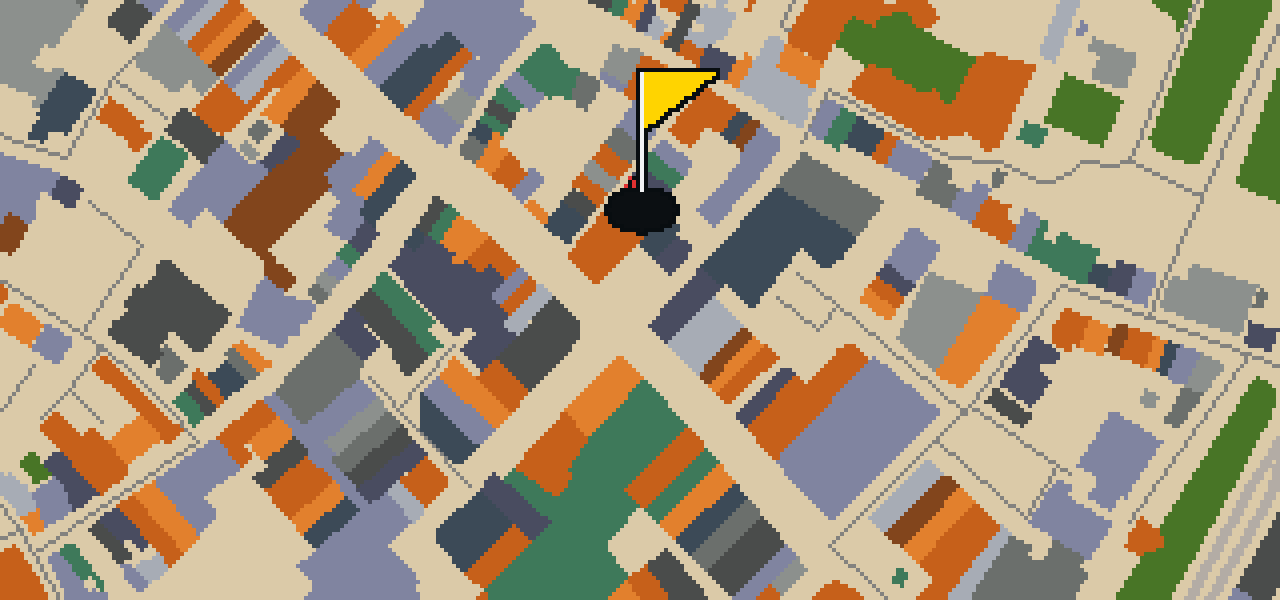
Canterbury Castle

Canterbury Castle is a ruined Norman castle located in Canterbury, Kent, England. It is a Grade I listed building and a scheduled monument that provides a glimpse into the city's medieval past. If you are arriving by transit, the castle is a five-minute walk from the main bus station around City Wall and Canterbury East Station. I usually find the walk over quite pleasant, though I spend more time eyeing the crumbs on the pavement than the masonry. It was started in 1135, making it one of the older landmarks you will encounter on your way through the city. Take a moment to look at the weathered stone and the layout of the ruins to get a feel for how this fortress once looked when it was first established.

Wikidata · Wikipedia

HOLE 5 - PAR 3

The Beaney House of Art and Knowledge

The Beaney House of Art and Knowledge is a museum located in Canterbury. Founded in 1899, it serves as the central museum, library and art gallery of Canterbury, Kent, England. You can pick out the Tudor Revival architecture style of the structure, which is a Grade II listed building. While the building, museum and art gallery are owned and managed by Canterbury City Council, the library authority is Kent County Council. I've noticed that the combination of these different roles makes it a real hub for the city. Whether you are visiting for the art or the books, the building itself is worth a look. It is a great spot to spend an afternoon if you want to see how the city preserves its local history and art.

Wikidata · Wikipedia

HOLE 6 - PAR 3

Saint Augustine's Abbey

Located in Canterbury, Kent, Saint Augustine's Abbey consists of monastery ruins. It was a Benedictine monastery founded in 598. You can see the influence of Gothic architecture in the remaining structures. The site is a Grade I listed building, a scheduled monument, and part of a UNESCO World Heritage Site. The abbey functioned as a monastery until its dissolution in 1538, after which it underwent dismantlement until 1848. These grounds provide a direct link to the early religious history of England, allowing you to observe the scale of the former complex. The combination of its scheduled monument status and its place within a UNESCO World Heritage Site ensures that the ruins are preserved for visitors to study the architectural transitions and the eventual decline of the monastic system in this region.

Wikidata · Wikipedia

HOLE 7 - PAR 3

The Marlowe Kit

The Marlowe Kit is a local museum housed in the 12th-century Poor Priests' Hospital on Stour Street in Canterbury, South East England. It operates as an exhibition, creative space, and escape room. The site has a layered history; it was previously the Canterbury Heritage Museum, which closed in 2018 before re-opening as The Marlowe Kit. When the building served as the Canterbury Heritage Museum, it was home to a gallery dedicated to Rupert the Bear and exhibited the Canterbury Cross. I've noticed the building's old stone walls make for a great bank shot if you're aiming for the hole. Whether you are here for the art or the puzzles, the architecture of the hospital provides a unique backdrop for the creative activities happening inside today.

Wikidata · Wikipedia

HOLE 8 - PAR 3

St Paul

St Paul is a church building. It is a place of worship and is also a Grade II* listed building. This official designation recognizes the structure's architectural and historical importance to the city of Canterbury. When visiting, you can observe the physical materials and design of the building, which are protected under its listed status. As a church building, it continues to function as a spiritual center for the community. The Grade II* listing ensures that the building is preserved for future generations to appreciate. Whether you are interested in local history or ecclesiastical architecture, this site provides a clear example of the city's heritage. It is one of the designated landmarks that define the character of the surrounding area, blending its role as a house of faith with its status as a protected historical asset.

Wikidata

HOLE 9 - PAR 2

Saint Martin's Church

Located in Canterbury, Saint Martin's Church is a Church of England parish church. The building is designed in the Anglo-Saxon architecture style and is a Grade I listed building. Because of its historical importance, the church is part of a UNESCO World Heritage Site. Visitors can observe the distinct structural elements of its early design, which make it a significant example of early religious architecture in England. It remains a place of worship and a point of interest for those exploring the city's oldest structures. You can see how the building has preserved its form over centuries, making it a unique stop for anyone interested in the architectural origins of the region.

Wikidata · Wikipedia

OTHER COURSES

9 HOLES - PAR 30

Wrekin

9 stops

Wrekin is the setting for this round, where the map is the real city and the ball rolls across its actual streets. The holes are built from real attractions like the Coalport China Museum. I know every nook of this place from a bird's eye view. It is a quick nine-hole round with a par of 30, covering a walk of 4.1 mi.

9 HOLES - PAR 26

Luton

9 stops

This is Luton. The map follows the real city and the round is played on its actual streets, using attractions like Wardown Park Museum as the basis for the holes. Skip knows these pavements well. It is a quick round of 9 holes with a par of 26, covering a 3.4 mi walk with 4 portals to bridge the gaps.

9 HOLES - PAR 29

Stoke-on-Trent

9 stops

Stoke-on-Trent is the setting for this round, with the ball rolling across the real city streets. The course is built from actual attractions, starting with a shot at Vale Park. This quick 9-hole round covers 3.7 mi and uses 2 portals to bridge the gaps. Skip is the local guide for these roads, provided a few crumbs are involved.

9 HOLES - PAR 28

Wolverhampton

9 stops

Banking a ball off the brickwork of the Black Country Living Museum feels different than anywhere else. This round takes place on the real streets of Wolverhampton, where the map is the city itself and the local attractions form the holes. Skip knows every crack in the pavement here. It is a quick round of 9 holes with a par of 28, covering 3.7 mi and using 6 portals to bridge the gaps.

9 HOLES - PAR 25

Kingston upon Hull

9 stops

This is Kingston upon Hull, where the map is the real city and the round is played on its actual streets. The holes are built from real attractions, including the Hull Minster. I know these roads well and am the local guide. It is a quick round of 9 holes with a par of 25, covering a 3 mi walk and using 2 portals.

FAQ

Is it free to play?

Yes. Every course runs in the browser with no account and no install.

Do I need to be in the city?

No. The full round plays from anywhere. Walking the real route is a nice way to see the city, but it is not required.

Are the maps real?

Yes. The geometry comes from OpenStreetMap data, rendered chunky on purpose. Streets, water and parks sit where they really are.