
HAMILTON - 9 HOLES - FREE

HAMILTON
CITY MAP MINIGOLF

Hamilton - 9 stops - par 27

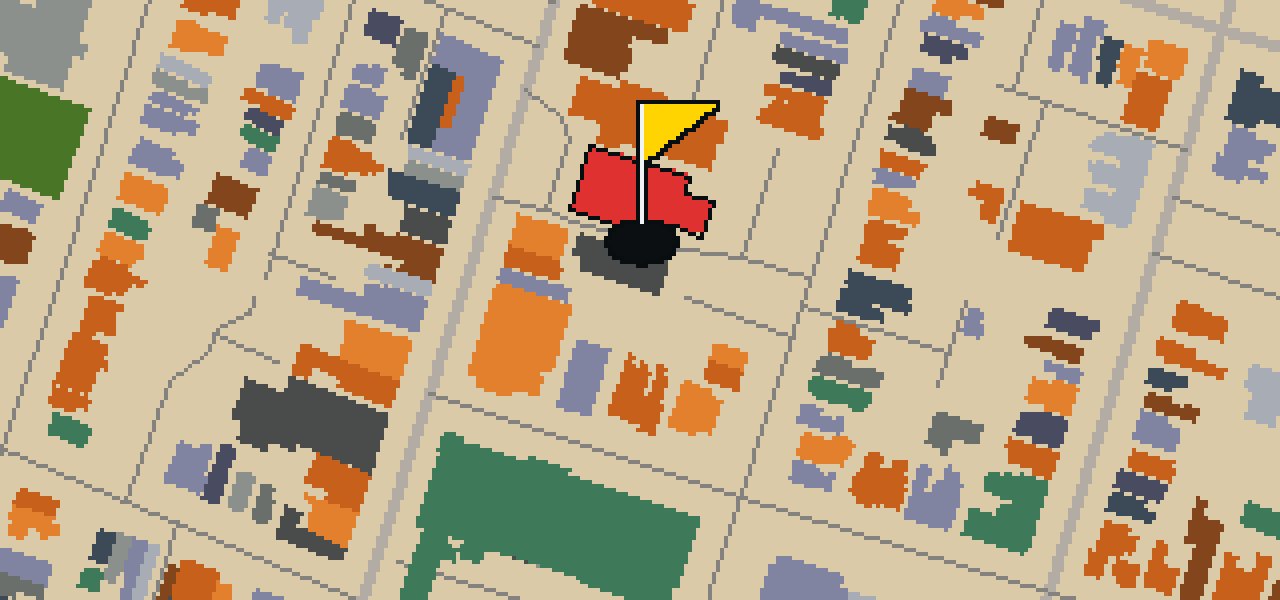
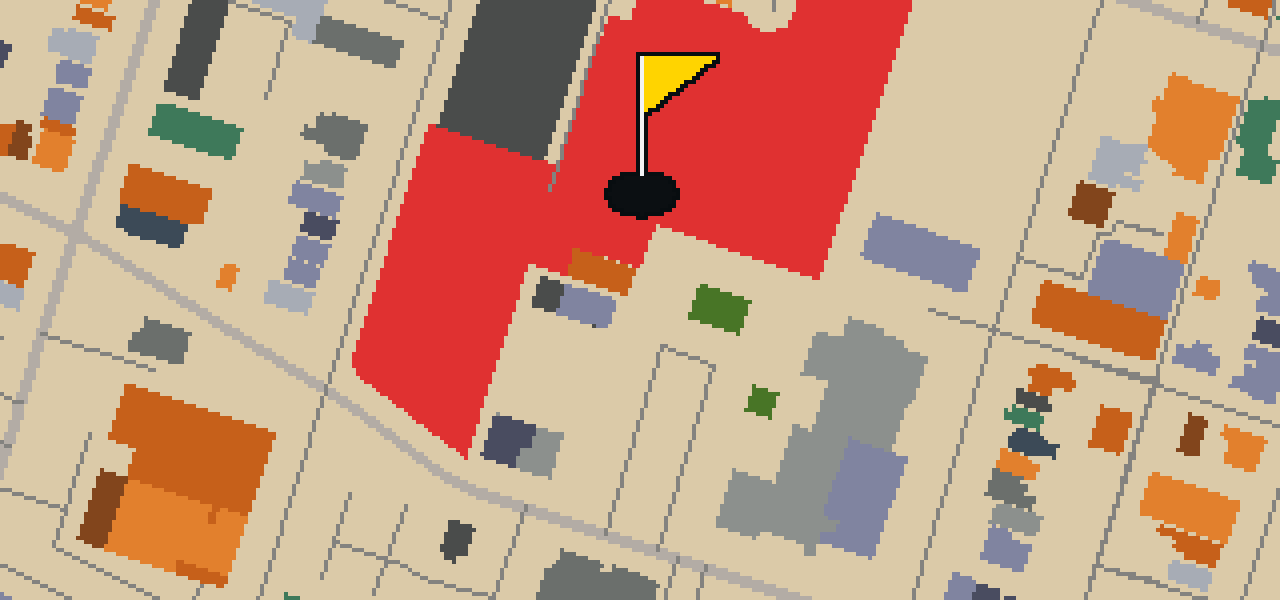
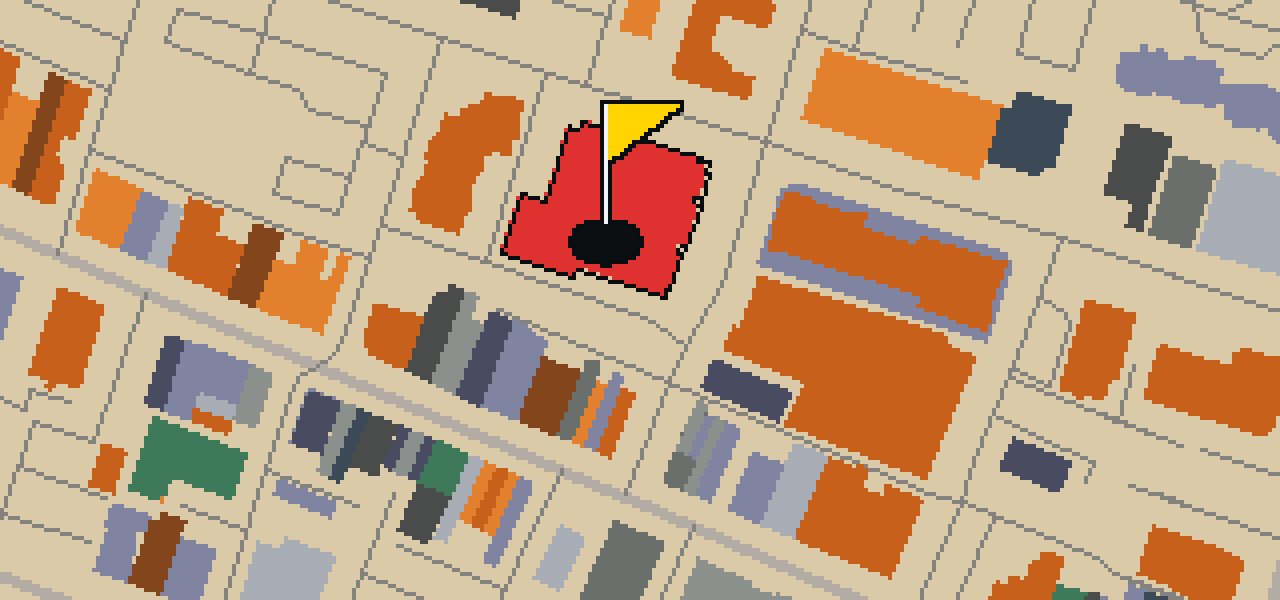
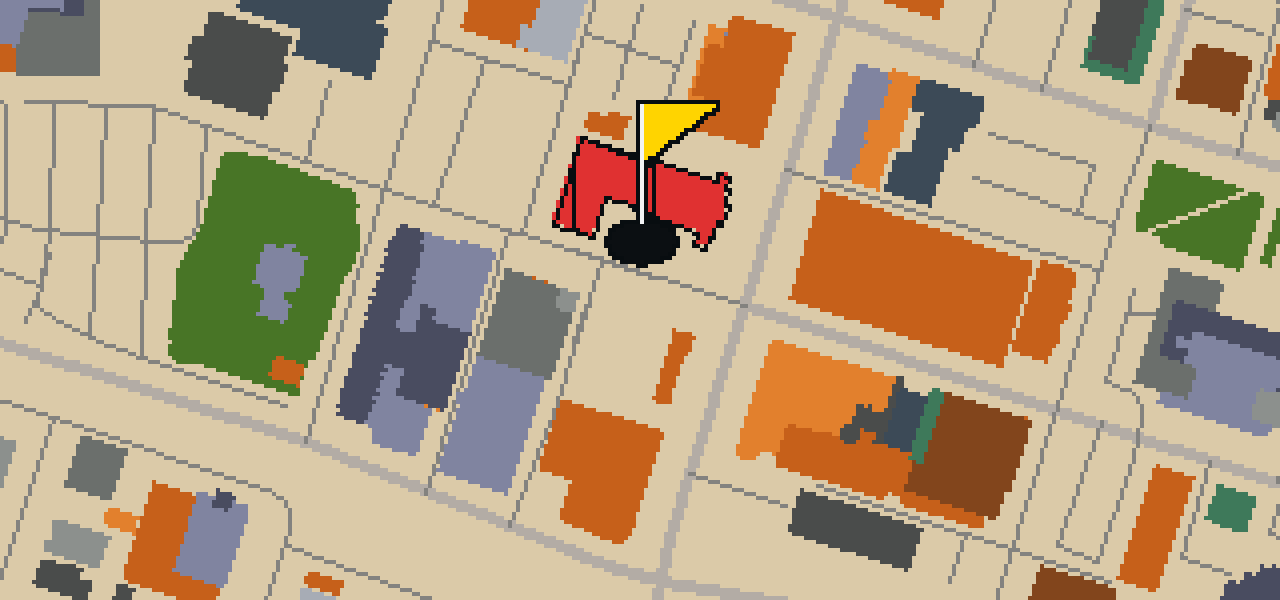
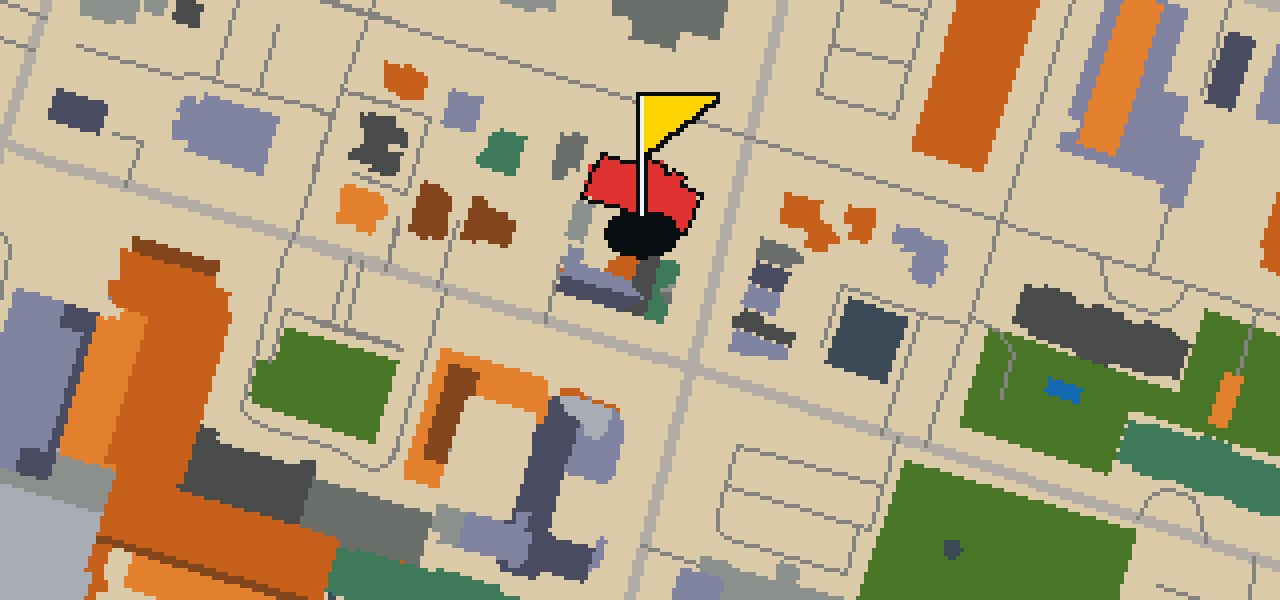
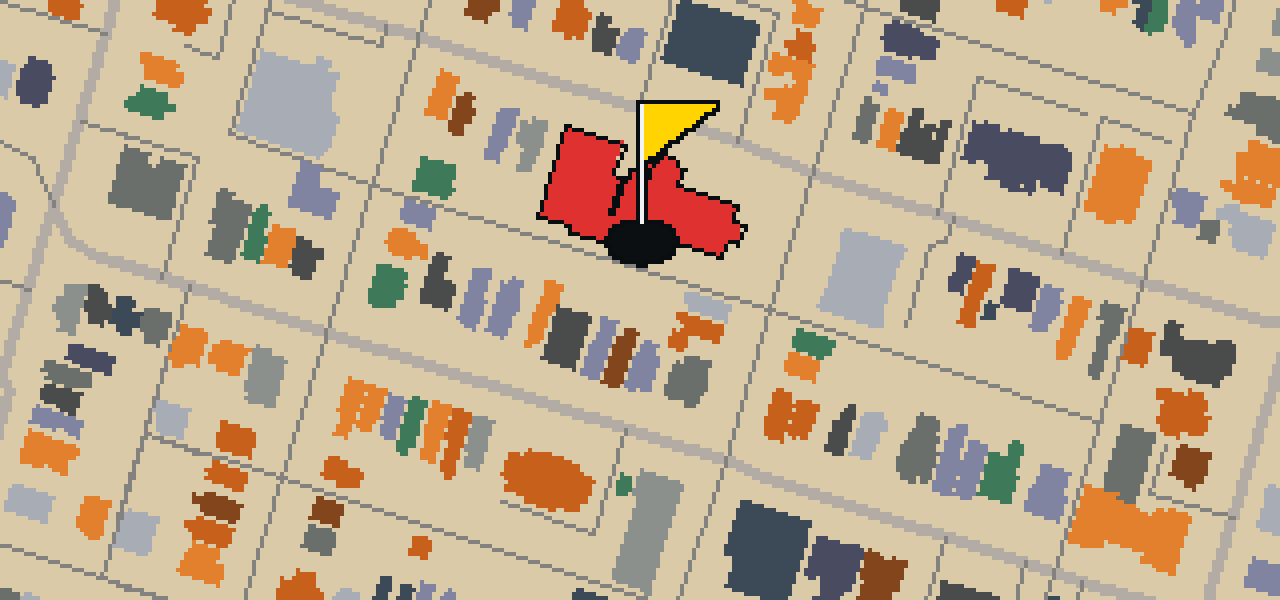
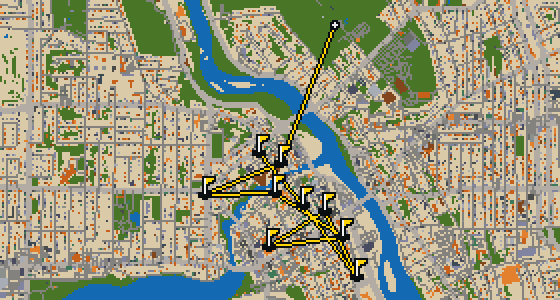
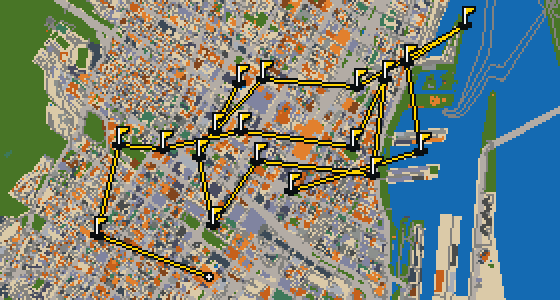
This is Hamilton. The map is the real city and the round is played on its real streets, using attractions like the Art Gallery of Hamilton as the holes. Skip is a local guide who knows the place. It is a quick round of 9 holes with a par of 27, covering a 5.6 km walk that uses 4 portals to move the ball.

Trouble loading? Open the game in its own tab.

HOW IT WORKS

01

Pick a city

The course is drawn on the real street grid, so the map you play is the map you walk.

02

Putt to the pin

Drag to aim, release to swing. Buildings bounce and water costs you a stroke.

03

Sightsee between strokes

Every hole ends at an attraction. Sink the putt, read the story, walk to the next tee.

THE HAMILTON ROUND - STOP BY STOP

HOLE 1 - PAR 3

Art Gallery of Hamilton

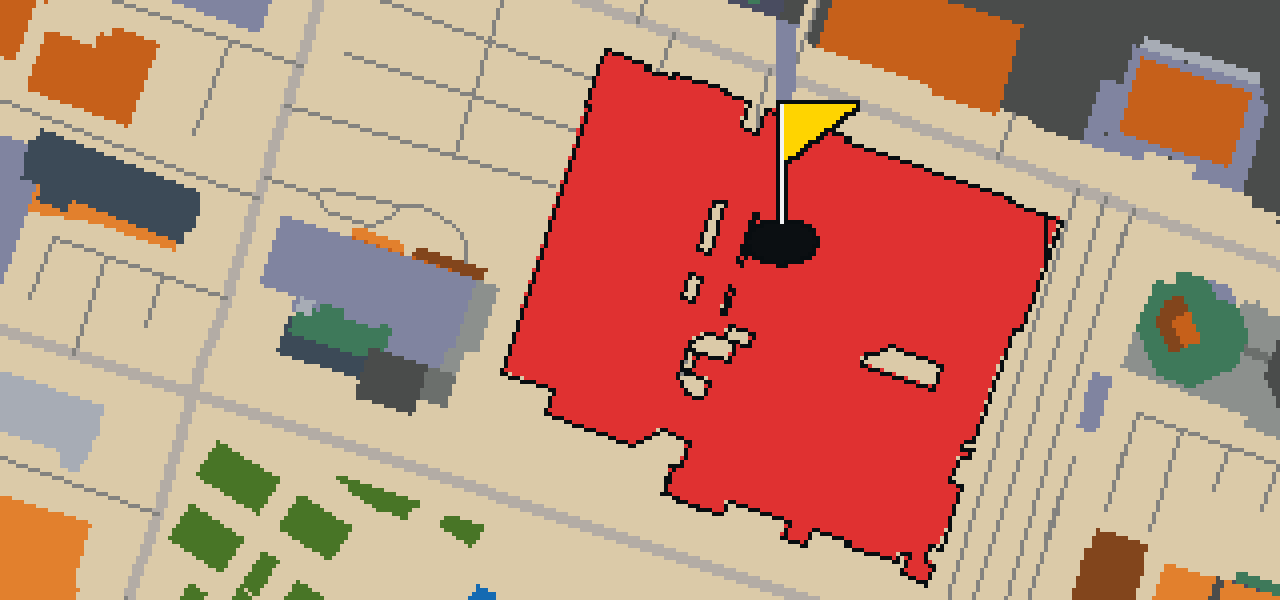
Let me show you the Art Gallery of Hamilton. This art museum had its inception in 1914, making it the oldest art museum in southwestern Ontario. Since those early days, it has expanded to become the largest art museum in the region. You can find it in downtown Hamilton on King Street West. The museum occupies a building designed by Trevor P. Garwood-Jones that covers 7,000 square metres. Whether you are visiting for the first time or are a regular in the city, it is a significant stop in the downtown core. I find that the scale of the building makes it easy to spot from the street, and it is a great place to spend a few hours away from the sidewalk. It is a landmark that truly defines the local art scene.

Wikidata · Wikipedia

HOLE 2 - PAR 2

St. Mary's Pro-Cathedral

Wikidata

HOLE 3 - PAR 3

Christ's Church Anglican Cathedral

The English Gothic architecture style defines the exterior of Christ's Church Cathedral. This building is a designated heritage property located at 252 James Street North. Designed by architect Henry Langley, the structure was built between 1852 and 1873. It is a cathedral of the Anglican Diocese of Niagara and opened its doors in 1876. The history of the site goes back further than the current stone walls, as the parish was originally established in 1835. Visitors can observe the specific design choices made by Langley and the heritage status of the property. The site remains a significant point of interest on James Street North, reflecting the architectural and religious history of the region through its designated status and its role within the Anglican Diocese of Niagara.

Wikidata · Wikipedia

HOLE 4 - PAR 2

Beasley Park

Look for the green spaces of Beasley Park tucked into the Lower City of Hamilton, Ontario. This park is named after Richard Beasley, who lived from 1761 to 1842. He was a man of many roles, acting as a soldier, political figure, farmer, and businessman in Upper Canada. It is a nice spot to pause and think about the early days of the city, as Richard Beasley was one of Hamilton's first settlers. He originally came to Canada from New York in 1777. I've noticed the wind can be quite spirited here, which is great for a bird like me but might make your golf ball veer a bit. It's a welcoming piece of nature that connects the modern streets to the history of the people who first built this community.

Wikidata · Wikipedia

HOLE 5 - PAR 3

Theatre Aquarius

Let me show you Theatre Aquarius. This place is a performance hall, which makes it a great spot for anyone interested in the arts. When you visit, you can see various live stage productions. I find it's a great place to spend an evening in the city.

Wikidata

HOLE 6 - PAR 3

St Paul's Church

This is not a modern construction, but a church building known as St Paul's Church. It is designed in the English Gothic architecture style and was created by architect William Thomas. The inception of the building took place from 1854 to 1857. Because of its significance, the site is a national historic site of Canada and a designated heritage property under part IV. It also has an Ontario Heritage Trust easement. The congregation that calls this space home, St Paul's Presbyterian Church, Hamilton, is a congregation of the Presbyterian Church in Canada. Visitors can observe the specific details of the English Gothic style that William Thomas implemented during the mid-nineteenth century to create this landmark in the city of Hamilton.

Wikidata · Wikipedia

HOLE 7 - PAR 4

Church of the Ascension

The Church of the Ascension is a church building designed in the Gothic Revival style. This site is a significant part of the local architecture and was started in 1851. The design involved the work of architects Frederick William Cumberland and Thomas Ridout, who helped shape the look of the building. Because of its historical and architectural value, it is officially recognized as a designated heritage property under part IV. To further ensure its preservation and protection, the property also has an Ontario Heritage Trust easement. Whether you are interested in the ecclesiastical history of the area or the specific details of the Gothic Revival movement, this building provides a clear example of those influences in Hamilton.

Wikidata

HOLE 8 - PAR 3

Central Presbyterian Church

This is not a modern construction or a simple neighborhood chapel. Central Presbyterian Church is a church building located in the downtown area of Hamilton, Ontario, Canada. It is a listed heritage property designed by the architect John M. Lyle. You can see that the building is constructed in the Beaux-Arts style, which distinguishes it from other structures in the area. The church is situated at the corner of Charlton and Caroline Street South. Beyond its architectural presence, it is a Presbyterian Church in Canada congregation. It is a place of worship and a significant local landmark that retains the specific design elements intended by Lyle when the project was first envisioned for the city center.

Wikidata · Wikipedia

HOLE 9 - PAR 4

Hamilton AAA Grounds

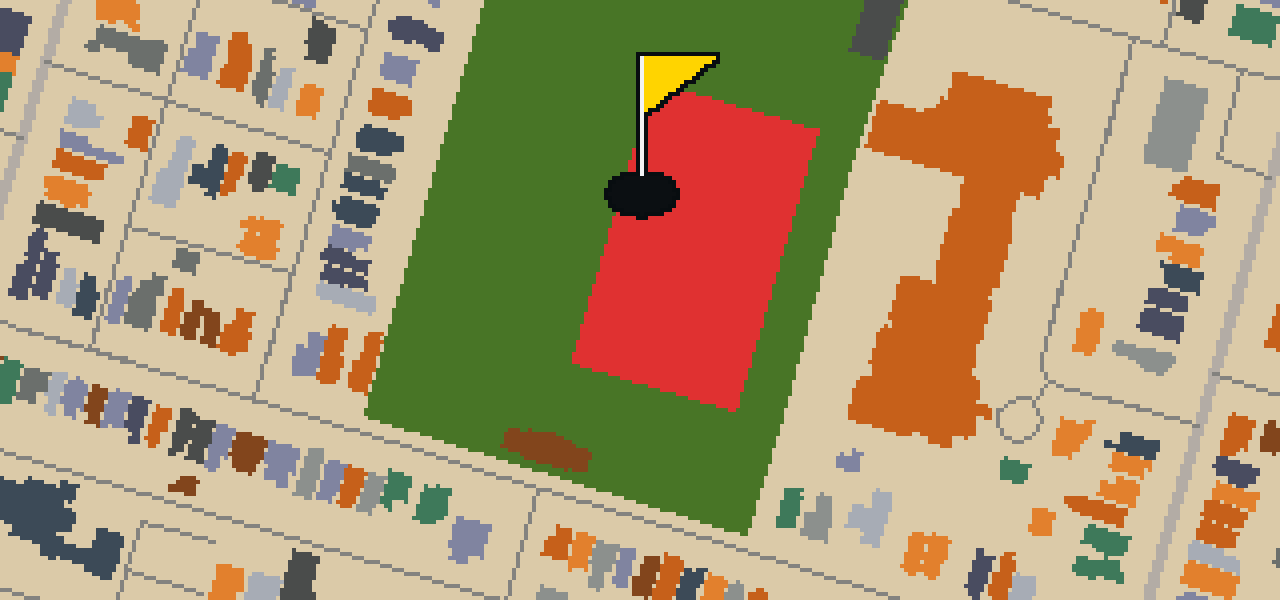
Let me show you the Hamilton AAA Grounds. This sports venue is a park located on the north side of Charlton Avenue West, between Locke Street South and Queen Street South in Hamilton, Ontario, Canada. It has a long history of hosting local athletics and community events. Specifically, the park served as home to the Hamilton Tigers from 1872 to 1949. Additionally, prior to 1949, the grounds hosted home games for McMaster Marauders football. It is a great spot to imagine the cheering crowds that once gathered here for the big game. I usually see people enjoying the open space today, though the ghosts of old football seasons still linger in the grass. You can feel the weight of those years just by walking across the turf where so many athletes once played their hearts out.

Wikidata · Wikipedia

STOP 10

TD Coliseum

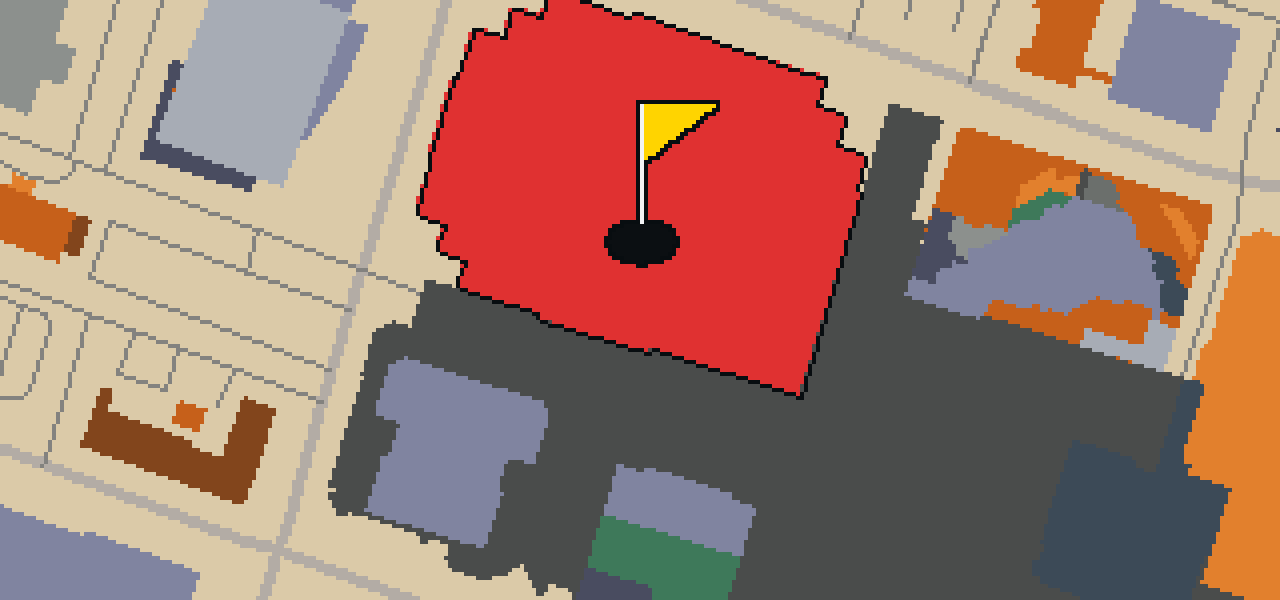
You might expect this part of the city to be all quiet offices, but you have found the TD Coliseum. It is a sports and entertainment arena located at the corner of Bay Street North and York Boulevard in Hamilton, Ontario, Canada. While it primarily operates as a concert venue today, it has a capacity of up to 18,000 people. I have seen plenty of crowds flock here for big shows, and the energy is always high. It is a massive space that handles everything from loud music to athletic competition. Whether you are visiting for the arts or the sports, it is one of the most prominent landmarks in the area. Just be sure to keep an eye on your surroundings when the crowds arrive, as the bustle around the entrance can be quite intense.

Wikidata · Wikipedia

OTHER COURSES

9 HOLES - PAR 28

Sherbrooke

9 stops

This is Sherbrooke. The map is the real city and the round is played on its real streets, using local attractions like Parc Victoria as the holes. Skip knows these streets by heart. It is a quick 9-hole round with a par of 28, covering a 5.6 km walk that uses 2 portals.

9 HOLES - PAR 27

Kelowna

9 stops

This is Kelowna. The map is the real city and the round is played on its real streets, with the holes built from attractions like the Rotary Centre for the Arts. Skip knows these blocks well. It is a quick round of 9 holes with a par of 27, covering a walk of 5.5 km.

9 HOLES - PAR 30

Regina

9 stops

Banking a ball off the stone facades of St. Paul's Cathedral requires a soft touch. This round takes place on the real streets of Regina, where the city map is the course and local attractions form the holes. It is a quick 9-hole round covering 6.5 km, with a couple of portals to speed things along. Skip knows every curb and crack in the pavement here.

9 HOLES - PAR 27

Burnaby

9 stops

This is a quick nine-hole round through Burnaby. The map is the real city and the ball rolls along its actual streets, banking off building facades toward holes built from real attractions like The Columbia. Six portals help bridge the gaps across the 5.3 km walk. Skip is a local guide who knows these sidewalks well, even the crumbs hidden in the corners.

18 HOLES - PAR 57

Longueuil

18 stops

Longueuil is the setting for this round, with the map following the real city and the ball rolling across its actual streets. The holes are built from real attractions, starting at the Centre Bell. Skip knows every crack in the pavement here. It is a full round of 18 holes with a par of 57, covering a walk of 11.4 km. The ball uses 126 portals to bridge the gaps between the landmarks.

FAQ

Is it free to play?

Yes. Every course runs in the browser with no account and no install.

Do I need to be in the city?

No. The full round plays from anywhere. Walking the real route is a nice way to see the city, but it is not required.

Are the maps real?

Yes. The geometry comes from OpenStreetMap data, rendered chunky on purpose. Streets, water and parks sit where they really are.