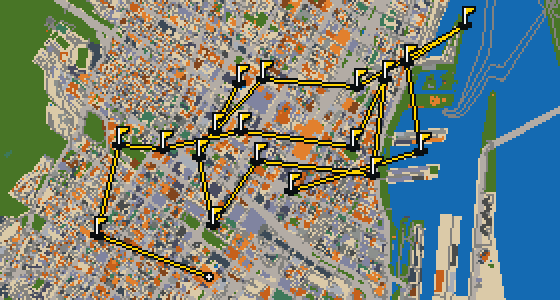
THE GATINEAU ROUND - STOP BY STOP
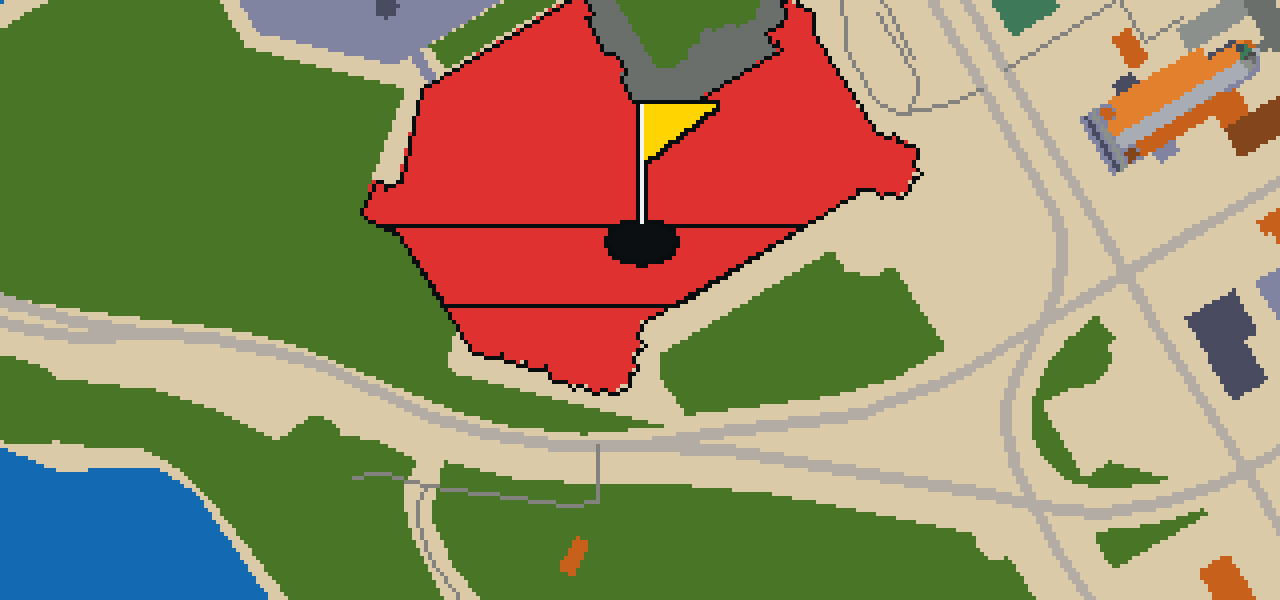



Parliament Hill
The National Capital Commission is responsible for maintaining the nine-hectare area of the grounds at Parliament Hill. This site is a building complex located on the southern bank of the Ottawa River in downtown Ottawa, Ontario. It houses the Parliament of Canada and is a national historic site of Canada. You can pick out a suite of Gothic revival buildings across the area, which attracts approximately three million visitors each year. I've noticed that the scale of the grounds makes for a great stroll between the landmarks.
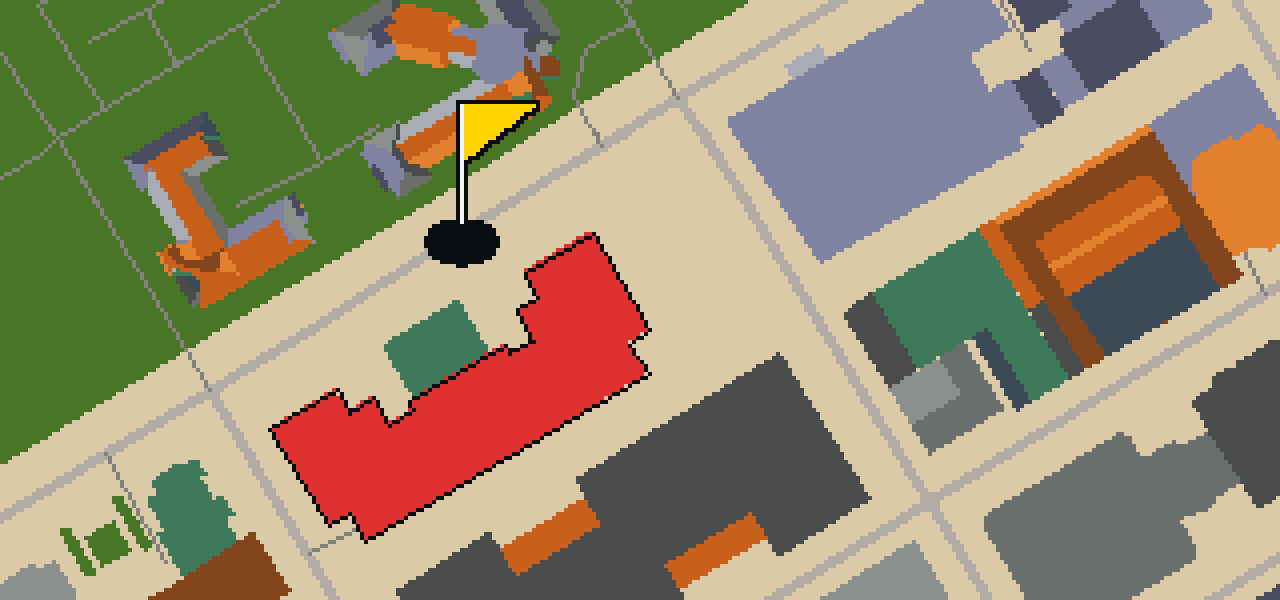
Bank of Canada Museum
Let me show you the Bank of Canada Museum, which you can find in Gatineau. This museum is a great stop for anyone interested in how money works. It was formerly known as the Currency Museum and had its inception in 1980. I've found that it is a steady spot for visitors to learn about the financial side of the country. It is a focused space that explains the role of the central bank in a way that is easy to follow.
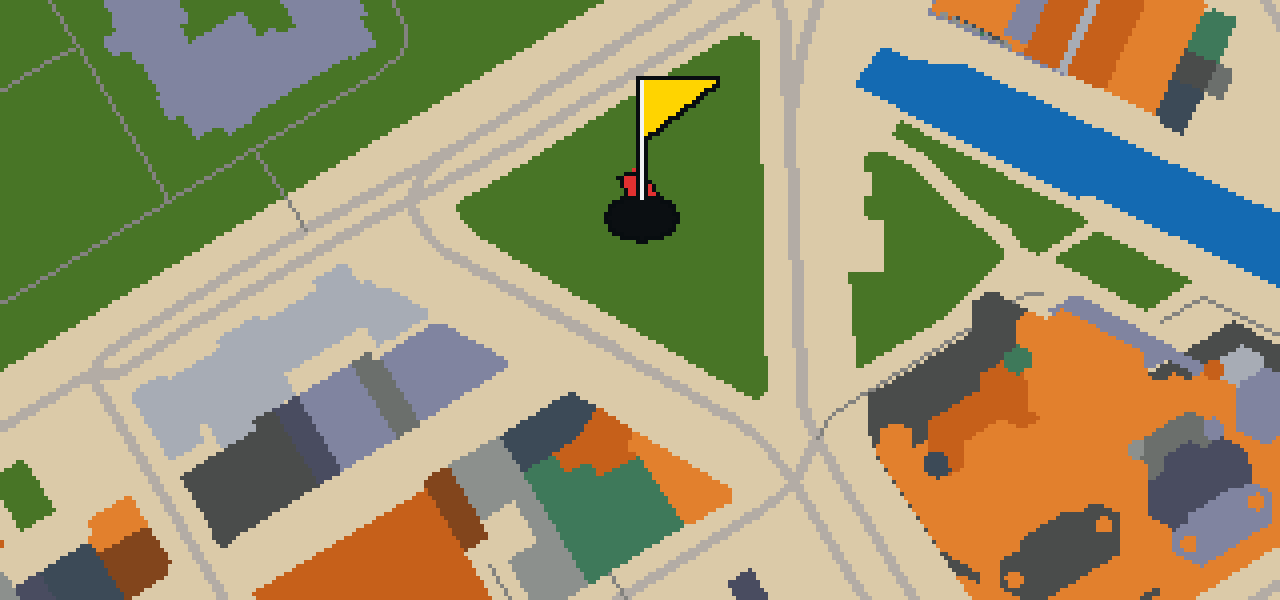

National War Memorial
Located in the heart of the city, the National War Memorial is a granite memorial arch with accreted bronze sculptures. Designed by Vernon March, the work is titled The Response. This site has been rededicated several times to expand its scope. In 1982, it was rededicated to include those killed in the Second World War and Korean War. A further rededication in 2014 added the dead from the Second Boer War and War in Afghanistan, as well as all Canadians killed in all conflicts past and future.

Canadian Museum of Nature
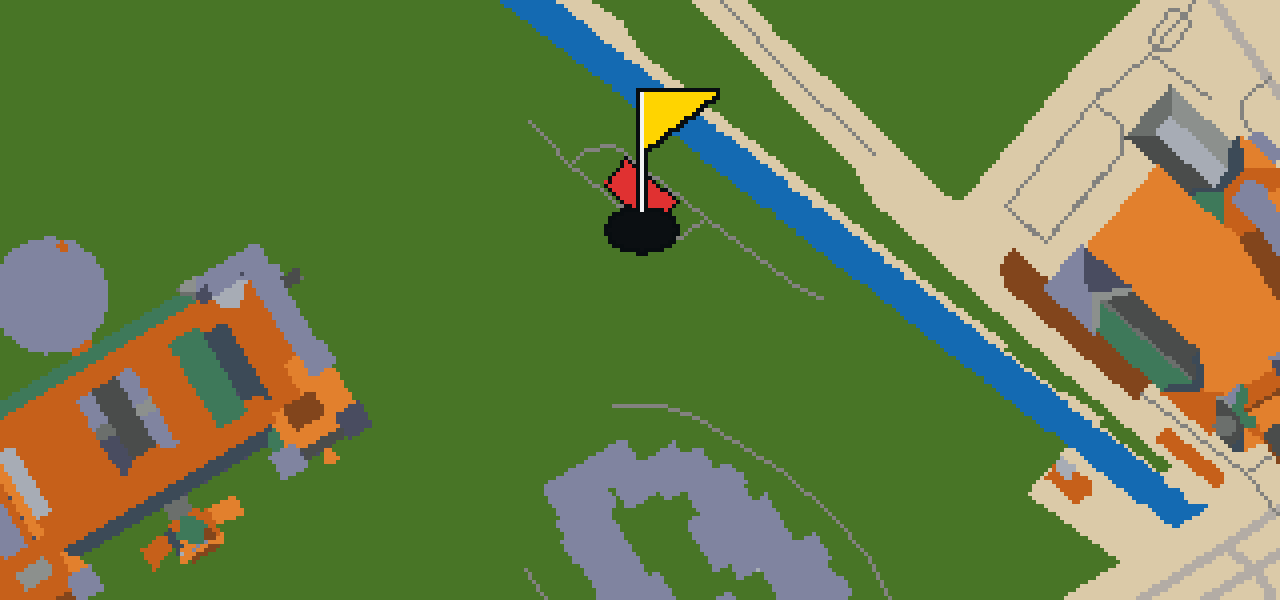
Let me show you the Canadian Museum of Nature. While the museum's administrative offices and scientific centres are at the Natural Heritage Campus in Gatineau, Quebec, you will find the exhibitions and public programs in the Victoria Memorial Museum Building. That structure is located in Ottawa, Ontario, and covers 18,910 square metres. This natural history museum had its inception in 1912. I've noticed that the scale of the building makes it a great landmark for getting your bearings in the area.
Royal Canadian Mint
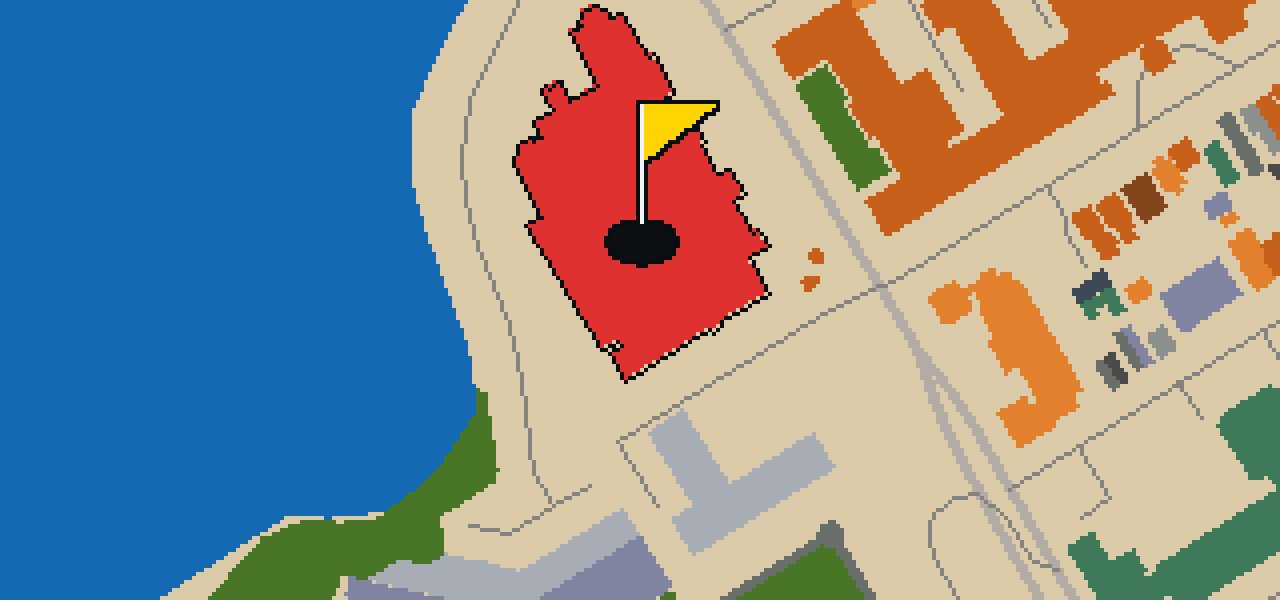
You might think you're looking at a financial institution, but this is the Royal Canadian Mint. It is a building of public administration and a classified federal heritage building of Canada. If you look closely at the exterior, you can pick out the Tudor Revival architecture style alongside the Beaux-Arts design. David Ewart served as the architect for the project, which was started in 1908. It is also recognized as a national historic site of Canada. I've always found the mix of those two architectural styles quite striking from the air.
Musée canadien de l'histoire
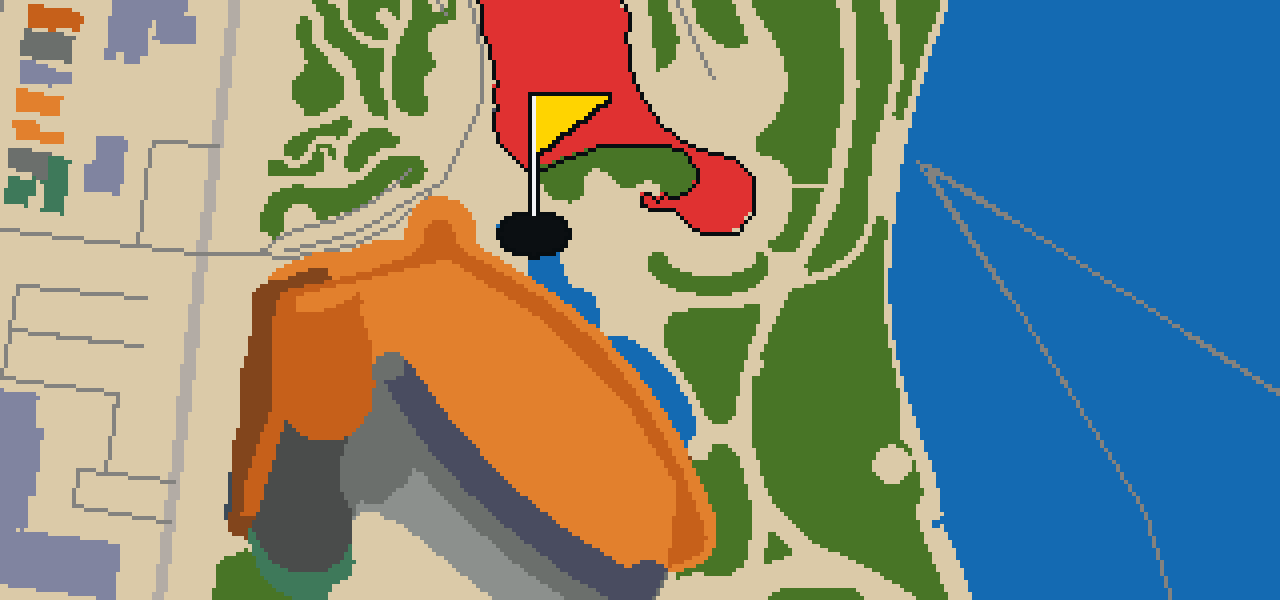
You will first notice the sweeping curves of the Musée canadien de l'histoire. This national museum in Gatineau features Art Nouveau architecture and was designed by Douglas Cardinal. Inside the 75,000-square-metre building, you can explore collections focused on anthropology, Canadian history, cultural studies, and ethnology. The museum's inception was in 1856, and it now welcomes 1,300,000 annual visitors. I find the scale of the place quite impressive, even from the air, and it is one of the most distinctive silhouettes in the city.
St. Andrew's Presbyterian Church
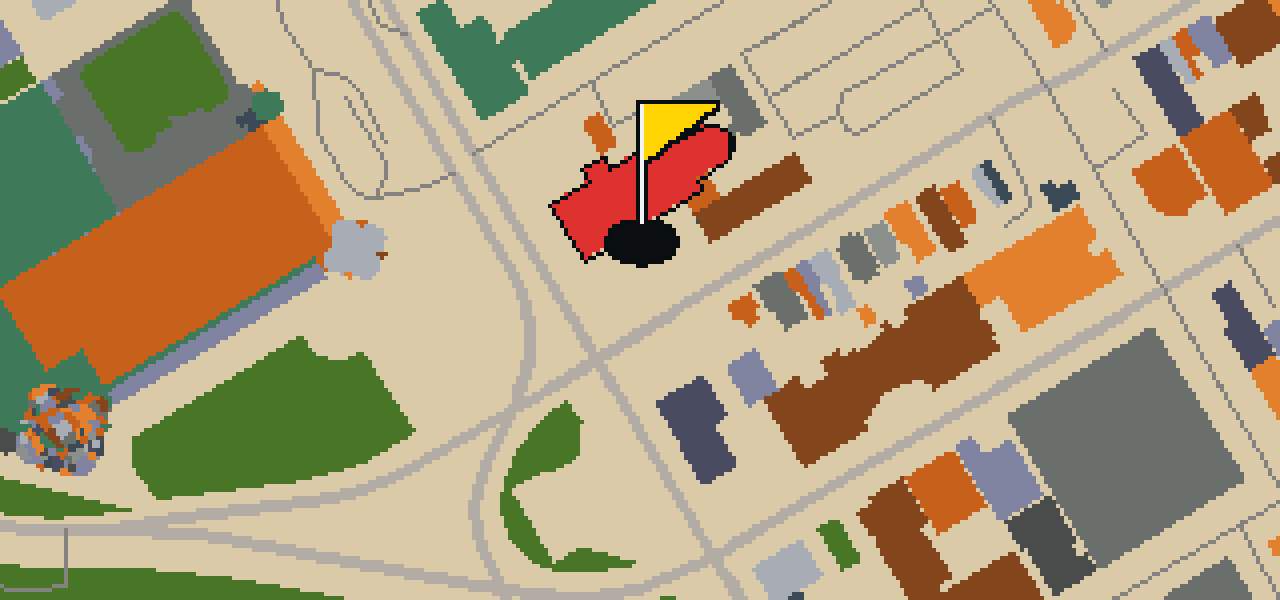
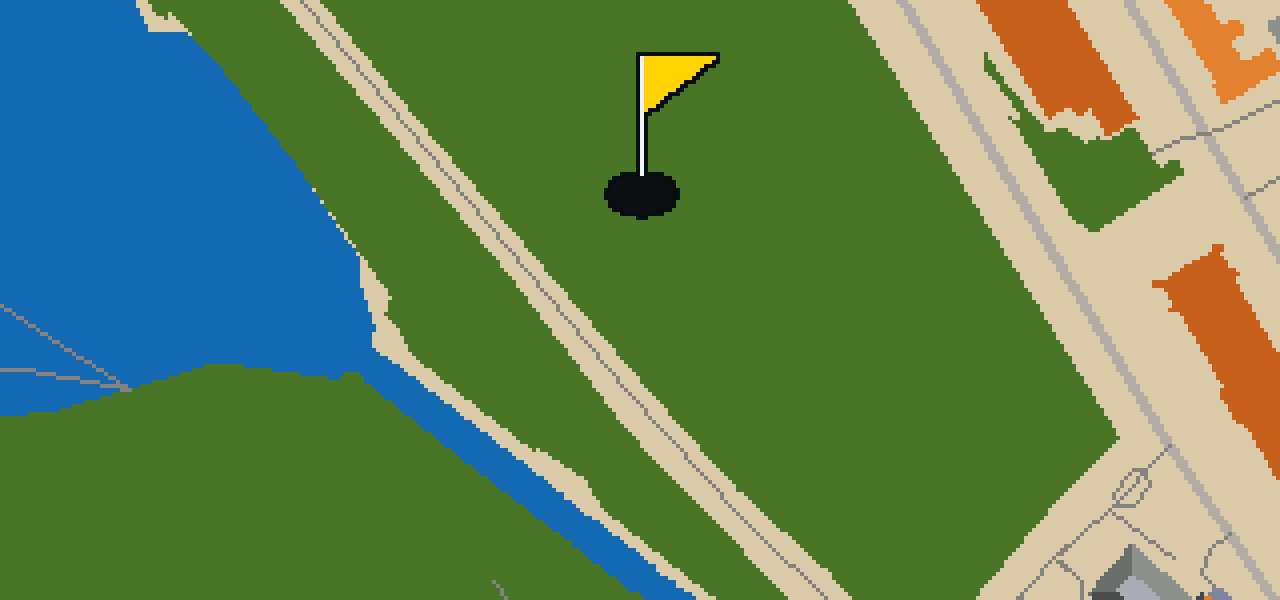
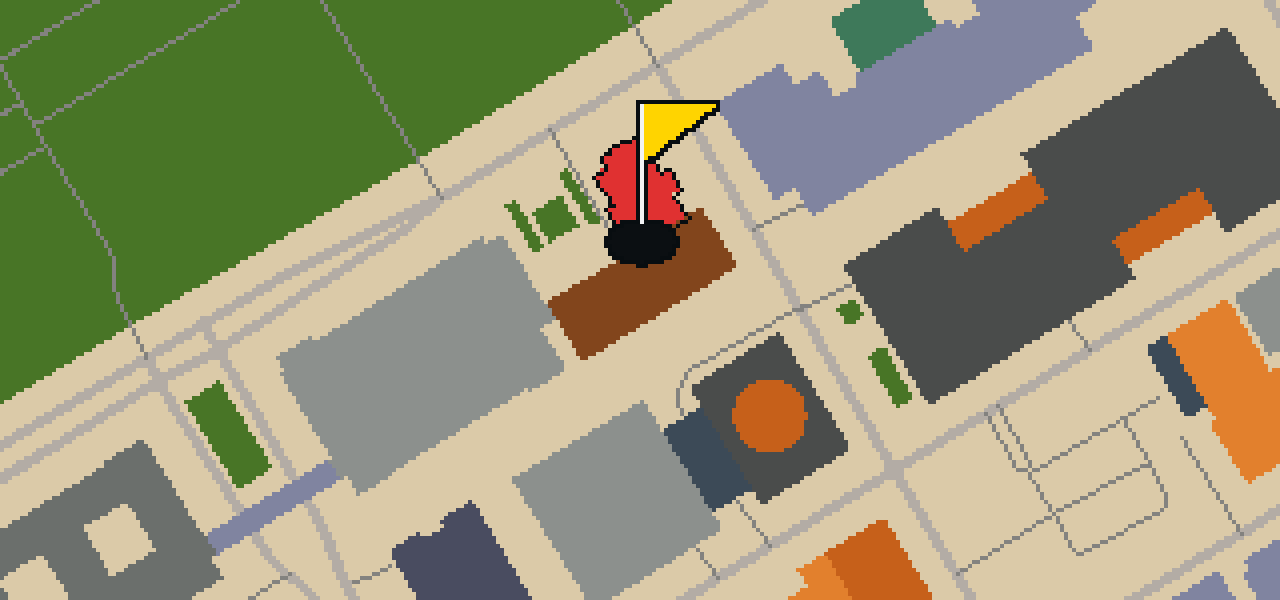
You can pick out the Gothic Revival style of St. Andrew's Presbyterian Church as you approach. This church building was designed by architect William Tutin Thomas, with its inception occurring from 1872 to 1874. Beyond its visual appeal, the site is a designated heritage property under part IV. It is also the oldest Presbyterian church in Ottawa, Ontario, Canada, making it a significant point of interest for those exploring the history of the area. Let me show you the details of this structure as you move through the city.

Ottawa Chinatown Arch
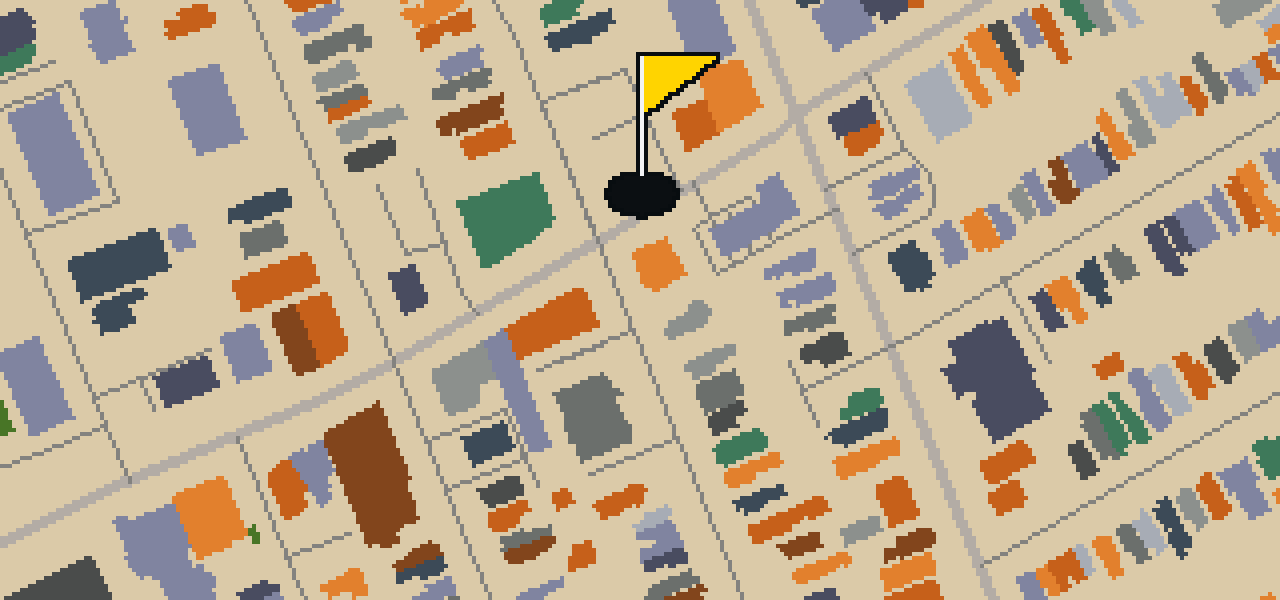
The Ottawa Chinatown Arch marks the start of a neighborhood located along Somerset Street west of downtown Ottawa. This area runs from Bay Street in the east to Preston Street in the west, with signs for Chinatown continuing along Somerset until that point. While the official district ends there, you can find Chinese and Asian restaurants located farther west than Preston Street. I've found that the area is a great spot for a stroll, provided you don't mind a few of us pigeons tagging along for the crumbs.
Christ Church Cathedral
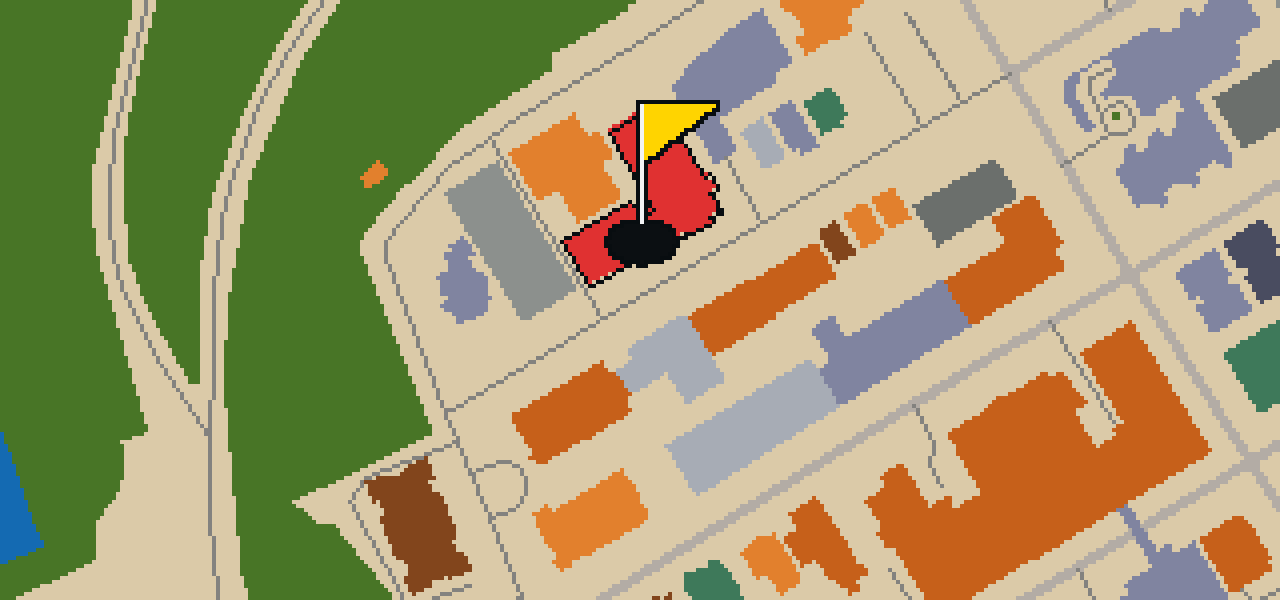
This is not a secular monument, but Christ Church Cathedral. It is the Anglican cathedral in Ottawa, Ontario, Canada. The building is a designated heritage property and was constructed in the Gothic Revival style. Work on the cathedral started in 1872 and finished in 1873. You can find it located at 414 Sparks Street. When you visit, take a moment to look at the specific details of the Gothic Revival architecture that define the exterior of this historical site.

Chaudière Falls
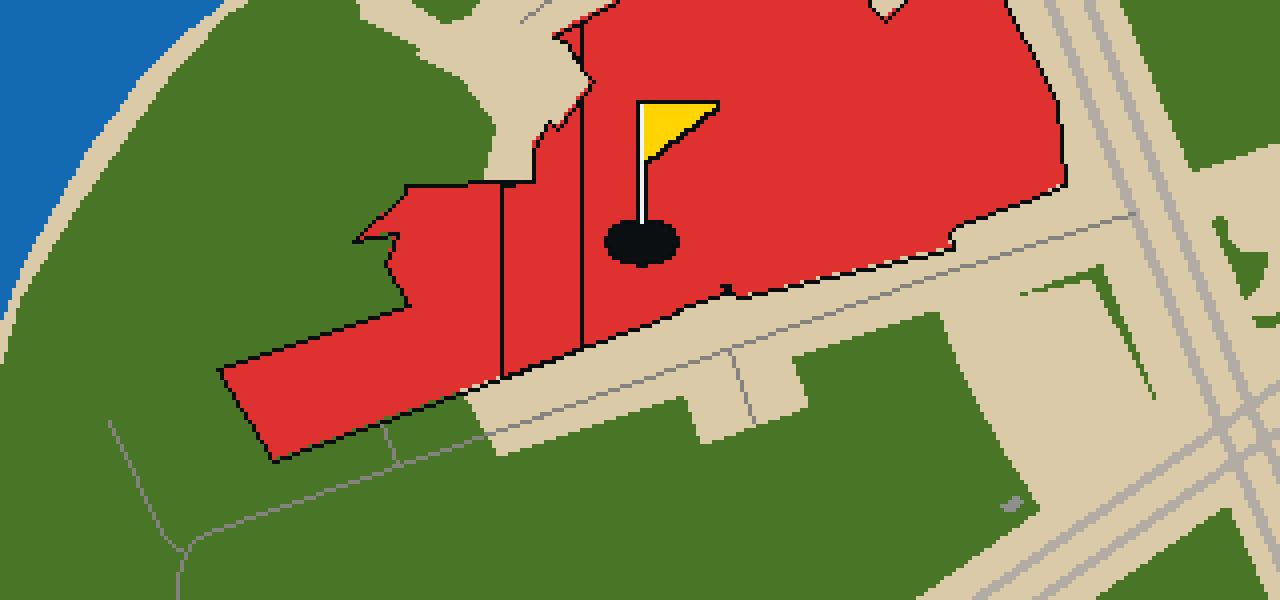
Let me show you Chaudière Falls, a waterfall located in the centre of the Ottawa-Gatineau metropolitan area. You can see how the area around the falls was heavily industrialized especially in the 19th century. One interesting detail is Philemon Island, which became an island when the timber slide was built in 1829. It is a powerful spot where the water drops 15 metres across a width of about 60 metres. I've seen plenty of crumbs dropped by tourists watching the current here.