
EDMONTON - 9 HOLES - FREE

EDMONTON
CITY MAP MINIGOLF

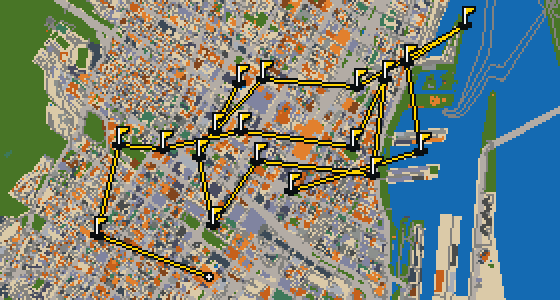
Edmonton - 9 stops - par 27

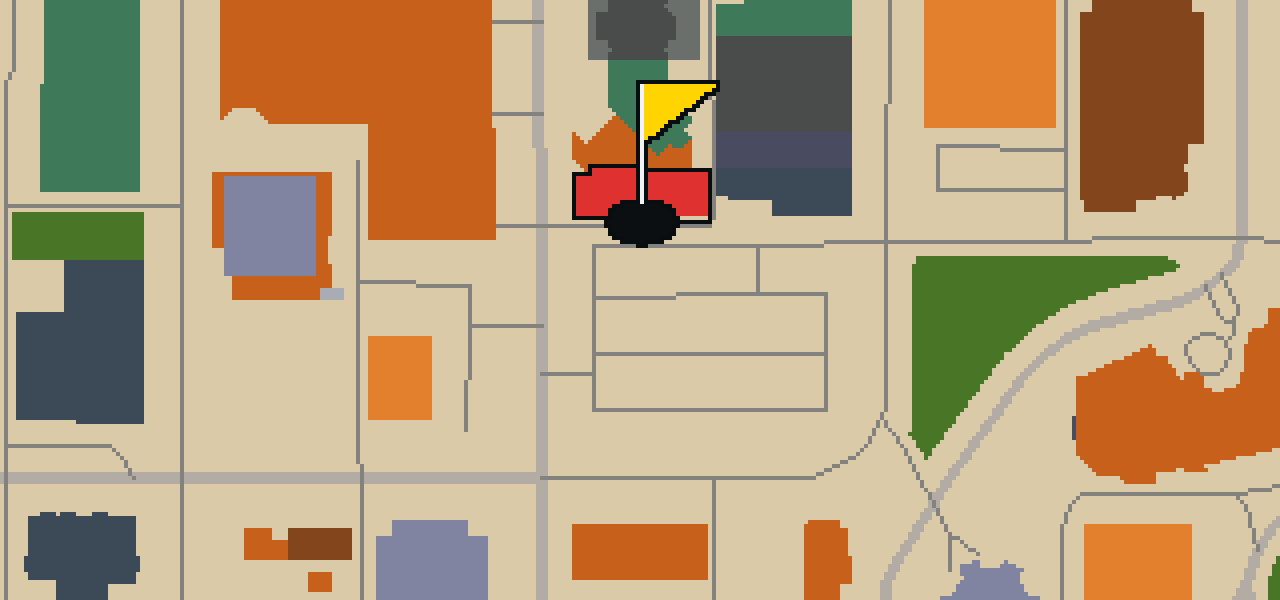
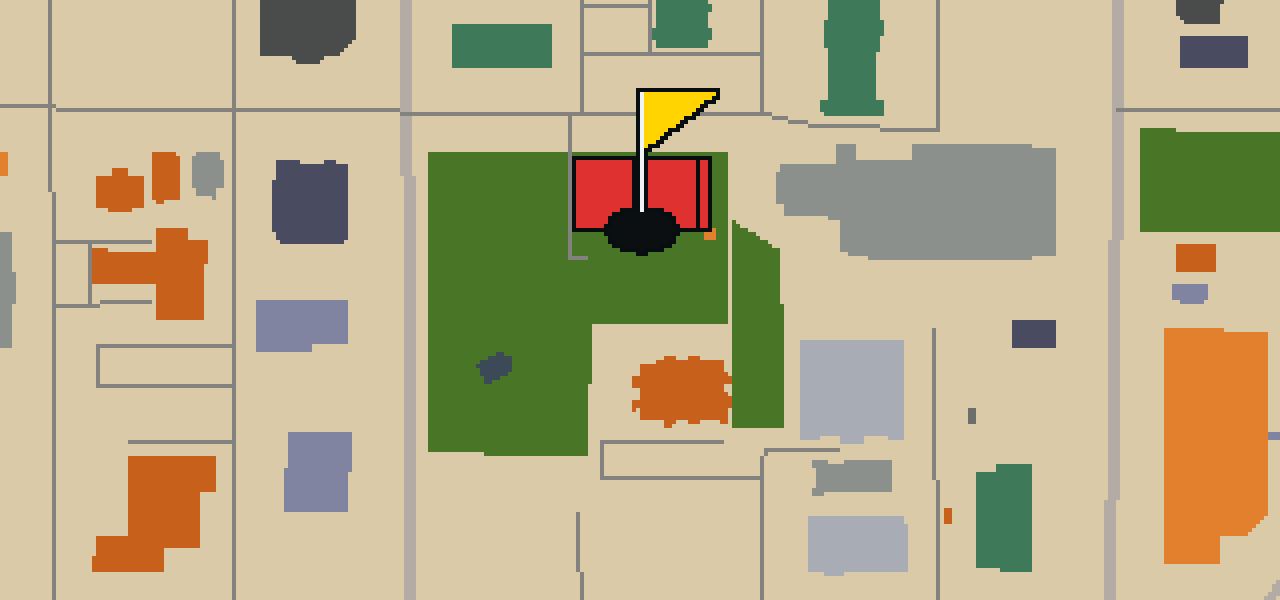
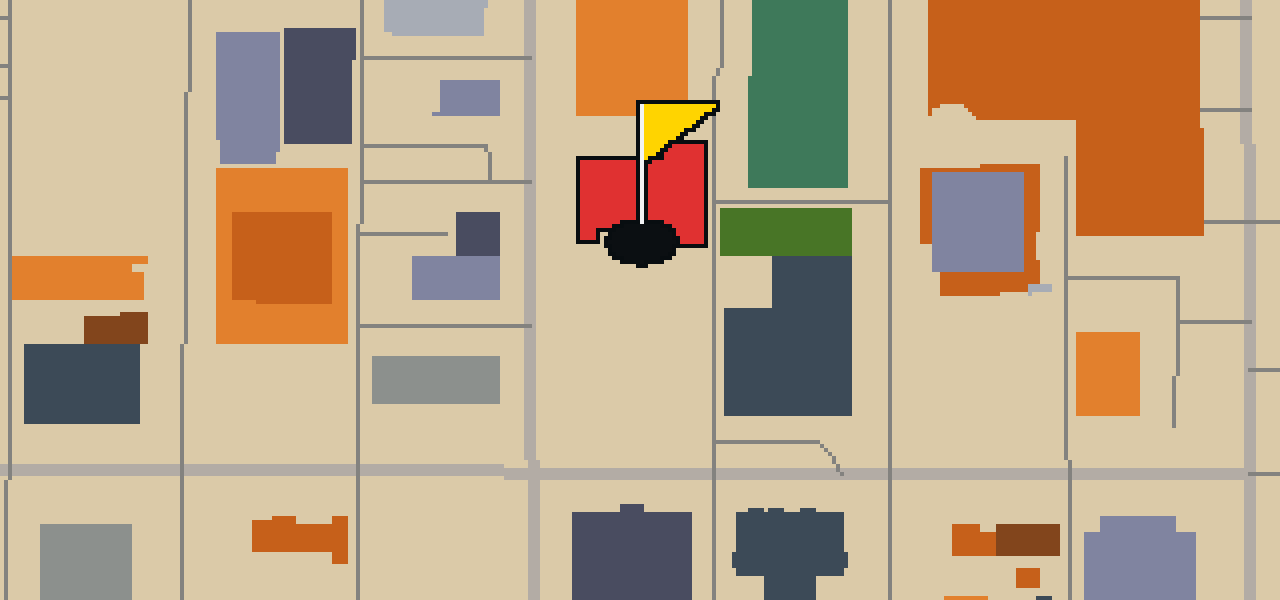
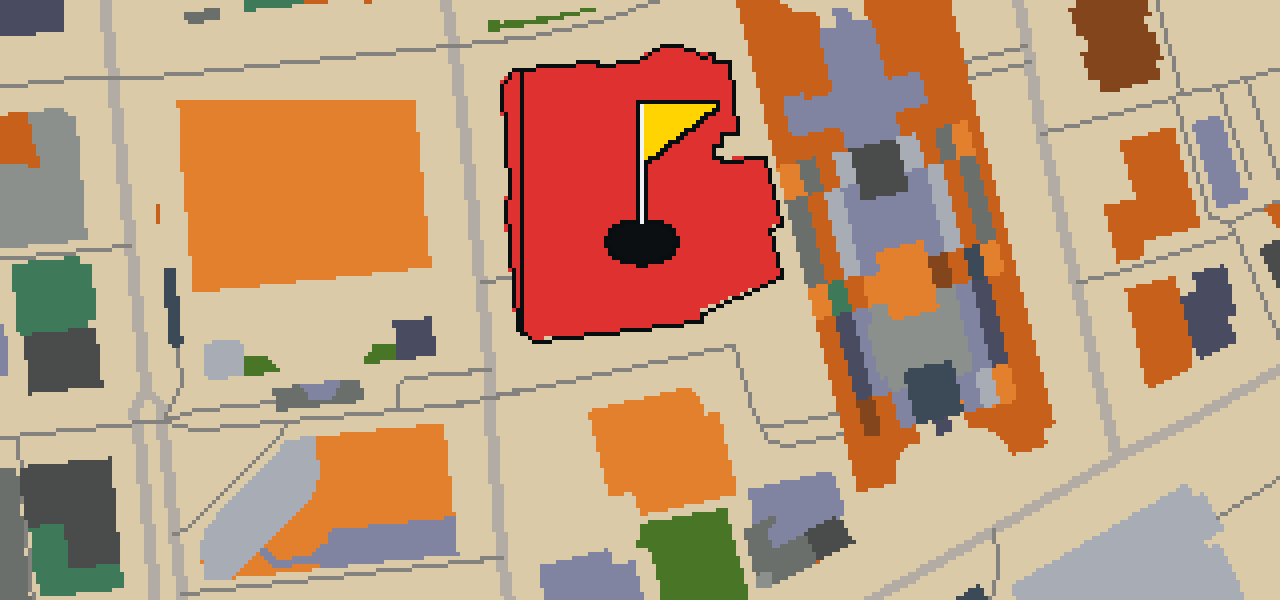
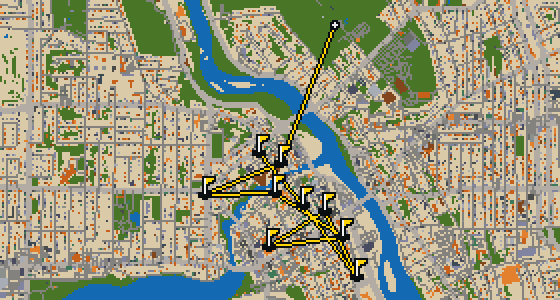
Edmonton looks different from a bird's eye view, but the ball stays grounded on the real streets. This quick round of 9 holes uses actual city attractions, like the Royal Alberta Museum, as the targets. Skip knows these blocks better than any map. The walk covers 5.8 km and uses 2 portals to skip across the city.

Trouble loading? Open the game in its own tab.

HOW IT WORKS

01

Pick a city

The course is drawn on the real street grid, so the map you play is the map you walk.

02

Putt to the pin

Drag to aim, release to swing. Buildings bounce and water costs you a stroke.

03

Sightsee between strokes

Every hole ends at an attraction. Sink the putt, read the story, walk to the next tee.

THE EDMONTON ROUND - STOP BY STOP

HOLE 1 - PAR 3

Commonwealth Stadium

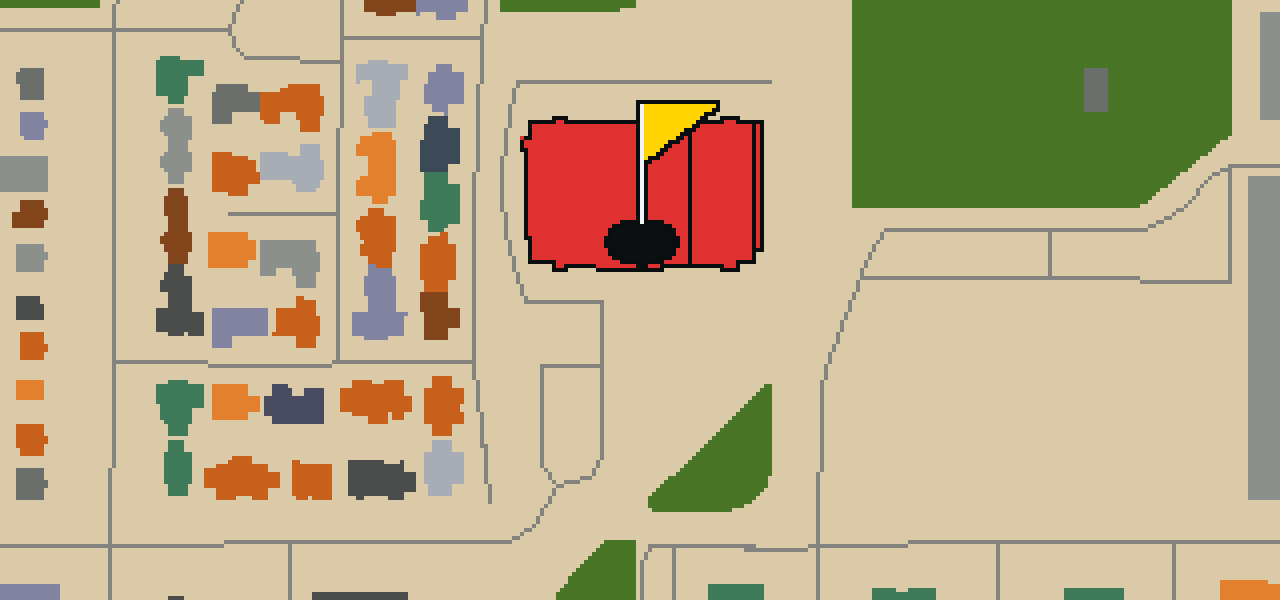
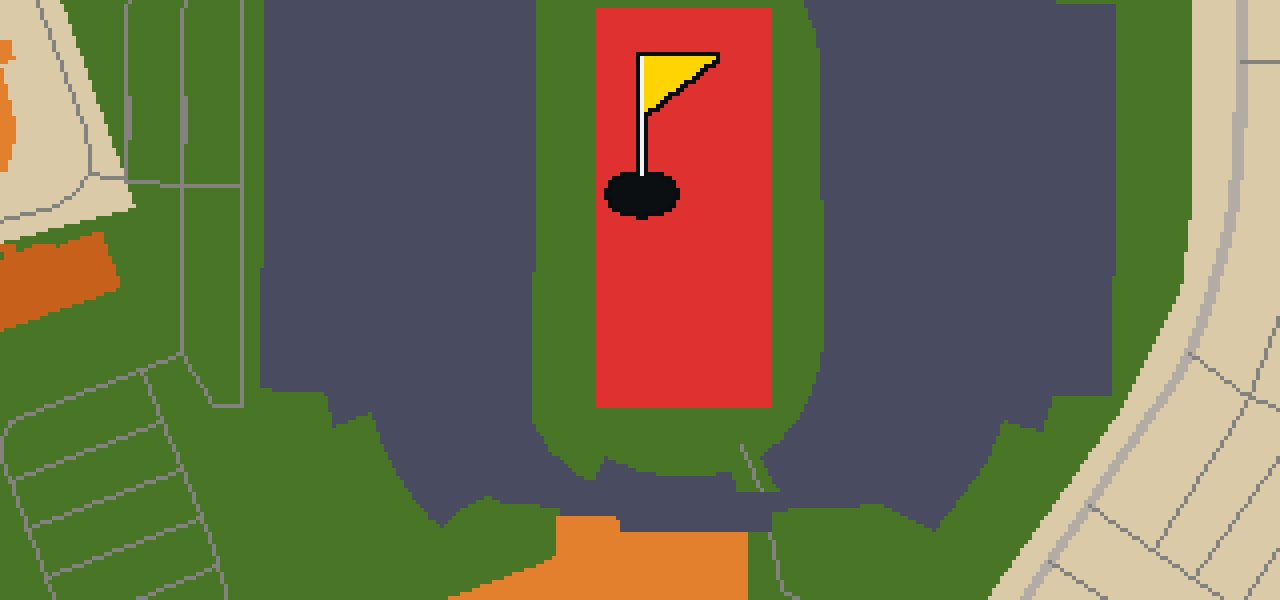
You will first notice the massive scale of Commonwealth Stadium, an open-air venue located in the McCauley neighbourhood of Edmonton. It is an all-seater stadium with a seating capacity of 56,302, making it the largest stadium in Canada. While it had its inception in 1978, it remains a central hub for major events in the city. The stadium is primarily used as the home field of the Edmonton Elks of the Canadian Football League, but it is a multi-purpose space. You can find it hosting soccer, rugby union, athletics, and concerts throughout the year. I've seen plenty of crowds flock here, and the energy is always high when the stands are full. It is a sight to behold when the lights are on and the crowd is roaring.

Wikidata · Wikipedia

HOLE 2 - PAR 4

Ukrainian Canadian Archive and Museum of Alberta

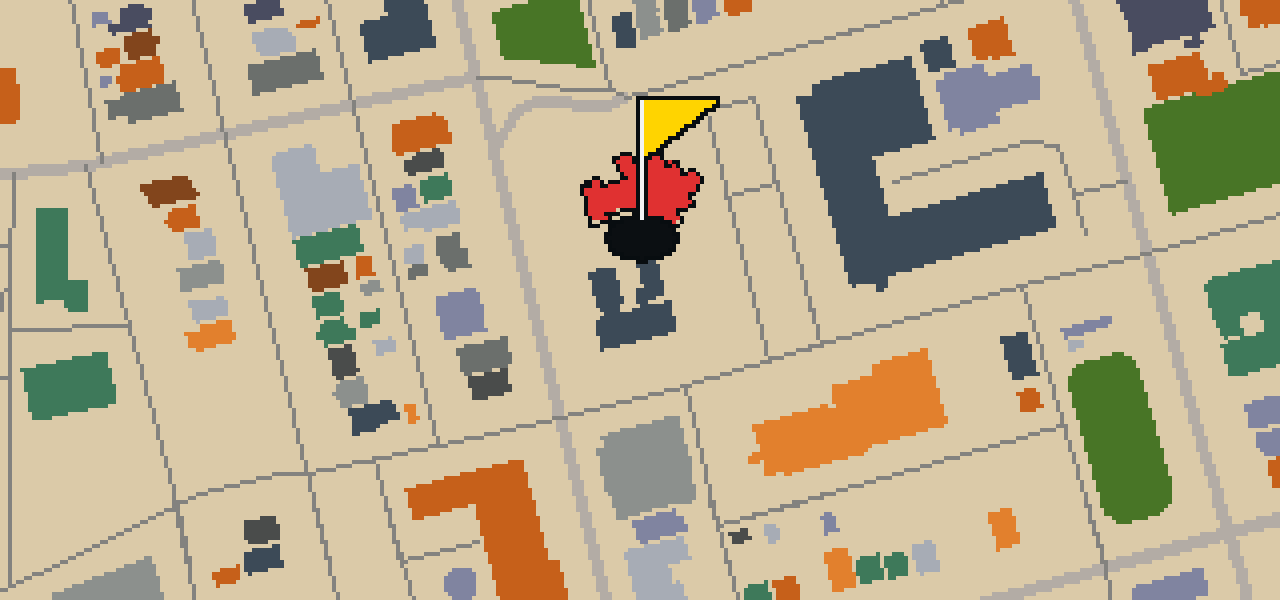
You might expect a standard gallery, but the Ukrainian Canadian Archive and Museum of Alberta is a museum with a much broader vision. Founded in 1972, it is working toward a facility that houses collection storage areas alongside educational, meeting, and special programming areas. To make this happen, the museum bought the old Lodge Hotel and the Brighton Block located at 9670 Jasper Avenue. I've noticed that these acquisitions set the stage for a comprehensive hub featuring exhibition galleries, an archive, and a library resource area. Whether you are interested in the history of the community or the architecture of the buildings themselves, it is a site that shows how a cultural institution grows within the city of Edmonton.

Wikidata · Wikipedia

HOLE 3 - PAR 3

Prince of Wales Armouries

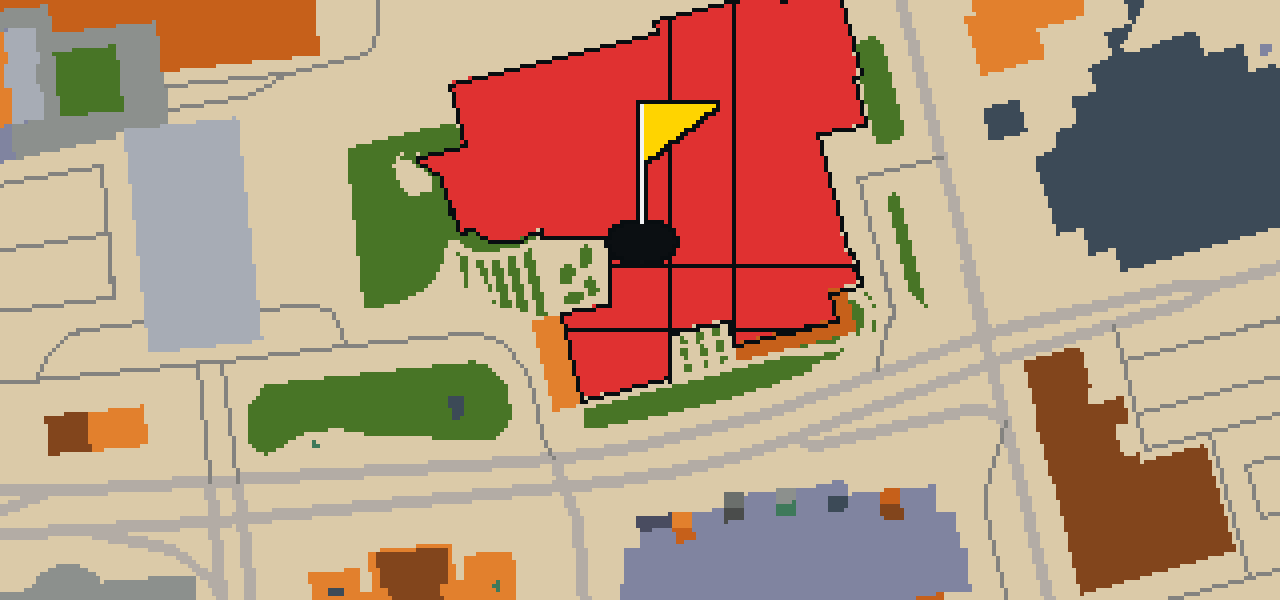
Look closely at the sturdy walls of the Prince of Wales Armouries. This building is a drill hall that holds a place in the city's history. Because of its significance, it is recognized as both a provincial historic resource and a municipal historic resource. Whether you are interested in local heritage or just passing through the neighborhood, it is a notable stop in Edmonton. I have seen a few crumbs dropped near the entrance, so it is a popular spot for more than just history buffs. It is the kind of place where you can really feel the weight of the past just by standing in its shadow. Take a moment to look around at the surrounding area before you move on to the next part of your journey through the city.

Wikidata

HOLE 4 - PAR 4

Saint Josephat Ukrainian Catholic Cathedral

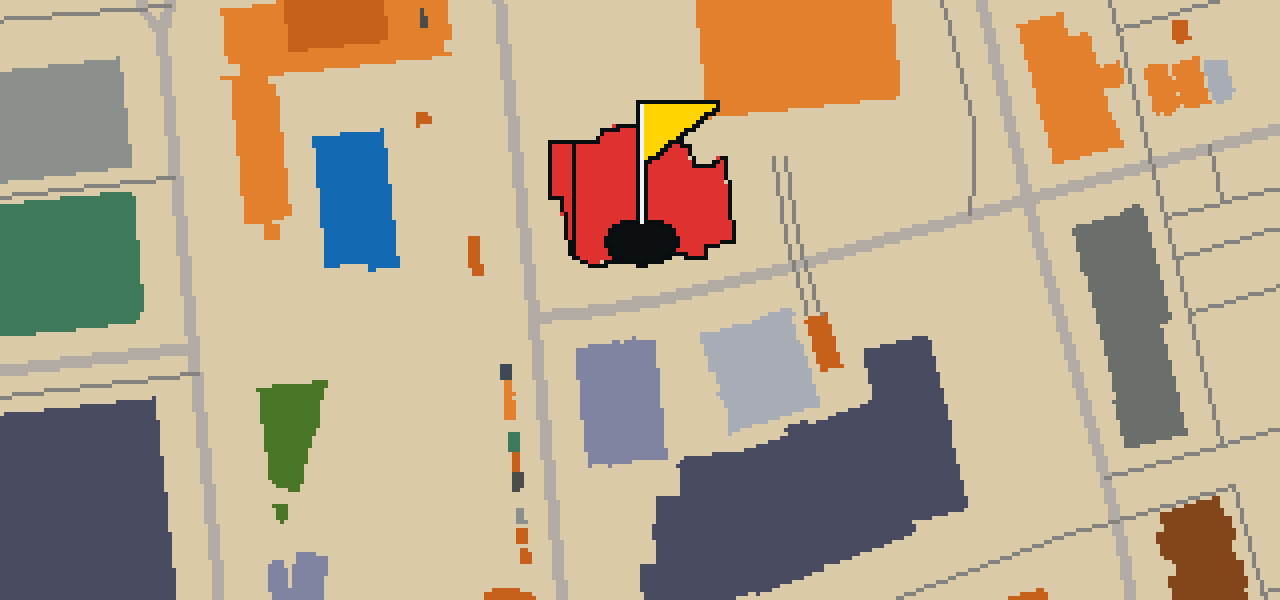
Seven domes define the skyline of the Saint Josephat Ukrainian Catholic Cathedral. This cathedral is located in the McCauley neighbourhood of Edmonton, Alberta, where it occupies 18 city lots. Built in the Byzantine Revival architecture style, the inception of the building was in 1946. It is recognized as both a municipal historic resource and a provincial historic resource. For those visiting the area, the cathedral is a prominent example of its specific architectural tradition and serves as a significant landmark within the McCauley community. The site remains an important center for the faith in the region, maintaining its architectural integrity and its role as a place of worship for the local community and visitors alike.

Wikidata · Wikipedia

HOLE 5 - PAR 2

Royal Alberta Museum

You might think this is just another city exhibit, but the Royal Alberta Museum is actually a massive center for human and natural history. It is the largest museum in western Canada, offering a huge amount of room to explore. The facility totals 38,900 square metres, with more than 7,600 square metres dedicated specifically to exhibition space. Located in Downtown Edmonton, the museum is easy to spot if you are heading north from City Hall. It is a great place to get your bearings in the city and learn about the region. I've seen plenty of tourists get lost in the galleries, but that is half the fun of a place this size.

Wikidata · Wikipedia

HOLE 6 - PAR 3

Art Gallery of Alberta

You can't miss the Art Gallery of Alberta when you visit Churchill Square in downtown Edmonton. The museum is an art museum that first began in 1924. While Donald G. Bittorf and B. James Wensley originally designed the building, the look you see today is thanks to architect Randall Stout. He redeveloped the site, and during that process, some portions of the original structure were demolished or built over. The final result is a museum that occupies 8,000 square metres of space. It is a great spot to take a break from the city streets and see some local creativity. I've seen a few other pigeons try to nest in those curves, but it's much better for looking at the art.

Wikidata · Wikipedia

HOLE 7 - PAR 2

All Saints Anglican Cathedral

All Saints Anglican Cathedral is an Anglican or Episcopal cathedral located in Edmonton. This Canadian cathedral is a site of significance for the local community and visitors alike. It serves as the episcopal seat of the Bishop of Edmonton, acting as the primary administrative and spiritual center for the region. The cathedral serves the Anglican Diocese of Edmonton, an organization that covers the area of central Alberta. When you visit, you can see how the cathedral functions as the heart of this diocese, providing a space for worship and leadership within the province. The building stands as a focal point for the Anglican faith in the city, maintaining its role as the seat of the bishop while welcoming all who enter its doors in Edmonton.

Wikidata · Wikipedia

HOLE 8 - PAR 2

Archives and Museum

Tucked into the city of Edmonton, Alberta, you will find the McKay Avenue School. This site is a former school that has been preserved as a historic site. It is officially recognized as a municipal historic resource as well as a provincial historic resource. If you step inside this school building, you can visit the Edmonton Public School Board's archives and museum. I've noticed that these kinds of old classrooms always have a very specific smell, even when they've been turned into museums. It is a great spot to see how the local education system has evolved over time while standing in a building that was once full of students.

Wikidata · Wikipedia

HOLE 9 - PAR 4

First Presbyterian Church

First Presbyterian Church is a church building located in the downtown core of Edmonton, Alberta, Canada. The congregation had its inception in 1912 and continued its presence in the city for many decades, eventually celebrating its 125th anniversary in November 2006. When you look at the structure, you can pick out the Gothic Revival architecture in Canada used for the building's style. This specific architectural approach gives the building its distinct appearance within the downtown landscape. Because of its historical importance to both the city and the province, the church is officially designated as a municipal historic resource and a provincial historic resource. These designations ensure that the site is recognized for its lasting value to the heritage of Alberta.

Wikidata · Wikipedia

STOP 10

Citadel Theatre

You can't miss the bold design of the Citadel Theatre sitting right in the downtown core of Edmonton on Churchill Square. It is a performing arts center and stands as the third largest regional theatre in Canada. If you look closely at the structure, you are seeing the work of architect Barton Myers. This nonprofit organization has been a part of the city since its inception in 1965. I usually see people gathering around the square before a show, which makes it a great spot to watch the local crowd. Whether you are here for the architecture or a play, it is a central piece of the downtown experience. It is one of those places that defines the skyline of the square for everyone visiting the area.

Wikidata · Wikipedia

OTHER COURSES

9 HOLES - PAR 28

Sherbrooke

9 stops

This is Sherbrooke. The map is the real city and the round is played on its real streets, using local attractions like Parc Victoria as the holes. Skip knows these streets by heart. It is a quick 9-hole round with a par of 28, covering a 5.6 km walk that uses 2 portals.

9 HOLES - PAR 27

Kelowna

9 stops

This is Kelowna. The map is the real city and the round is played on its real streets, with the holes built from attractions like the Rotary Centre for the Arts. Skip knows these blocks well. It is a quick round of 9 holes with a par of 27, covering a walk of 5.5 km.

9 HOLES - PAR 30

Regina

9 stops

Banking a ball off the stone facades of St. Paul's Cathedral requires a soft touch. This round takes place on the real streets of Regina, where the city map is the course and local attractions form the holes. It is a quick 9-hole round covering 6.5 km, with a couple of portals to speed things along. Skip knows every curb and crack in the pavement here.

9 HOLES - PAR 27

Burnaby

9 stops

This is a quick nine-hole round through Burnaby. The map is the real city and the ball rolls along its actual streets, banking off building facades toward holes built from real attractions like The Columbia. Six portals help bridge the gaps across the 5.3 km walk. Skip is a local guide who knows these sidewalks well, even the crumbs hidden in the corners.

18 HOLES - PAR 57

Longueuil

18 stops

Longueuil is the setting for this round, with the map following the real city and the ball rolling across its actual streets. The holes are built from real attractions, starting at the Centre Bell. Skip knows every crack in the pavement here. It is a full round of 18 holes with a par of 57, covering a walk of 11.4 km. The ball uses 126 portals to bridge the gaps between the landmarks.

FAQ

Is it free to play?

Yes. Every course runs in the browser with no account and no install.

Do I need to be in the city?

No. The full round plays from anywhere. Walking the real route is a nice way to see the city, but it is not required.

Are the maps real?

Yes. The geometry comes from OpenStreetMap data, rendered chunky on purpose. Streets, water and parks sit where they really are.