
BUENOS AIRES - 9 HOLES - FREE

BUENOS AIRES
CITY MAP MINIGOLF

Buenos Aires - 9 stops - par 27

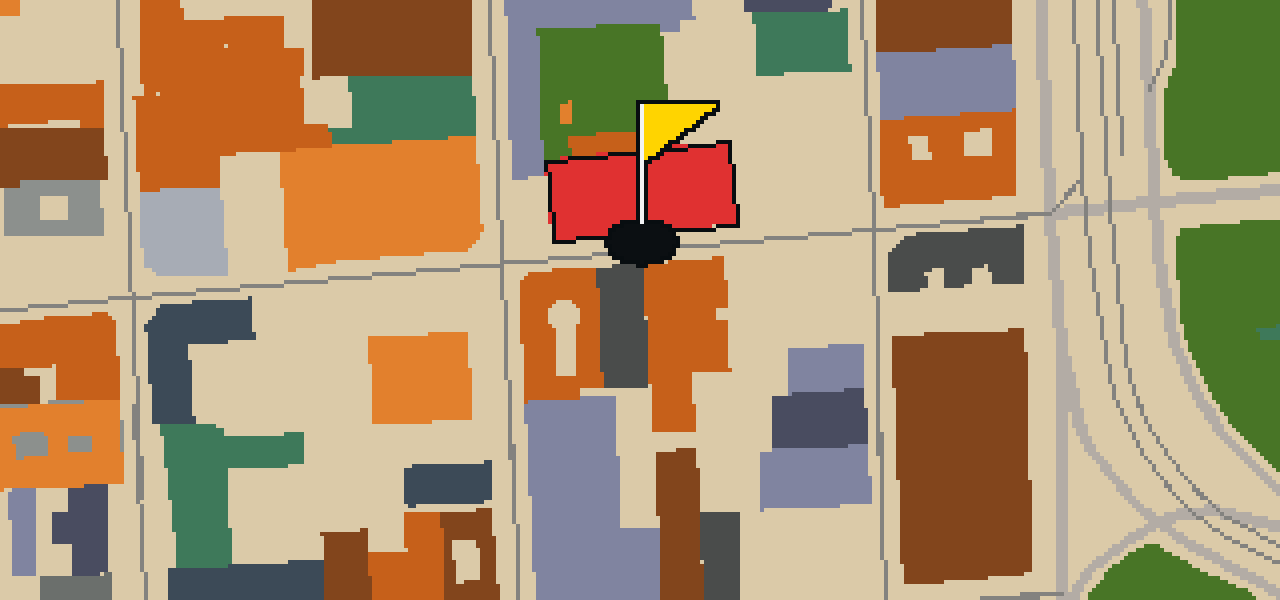
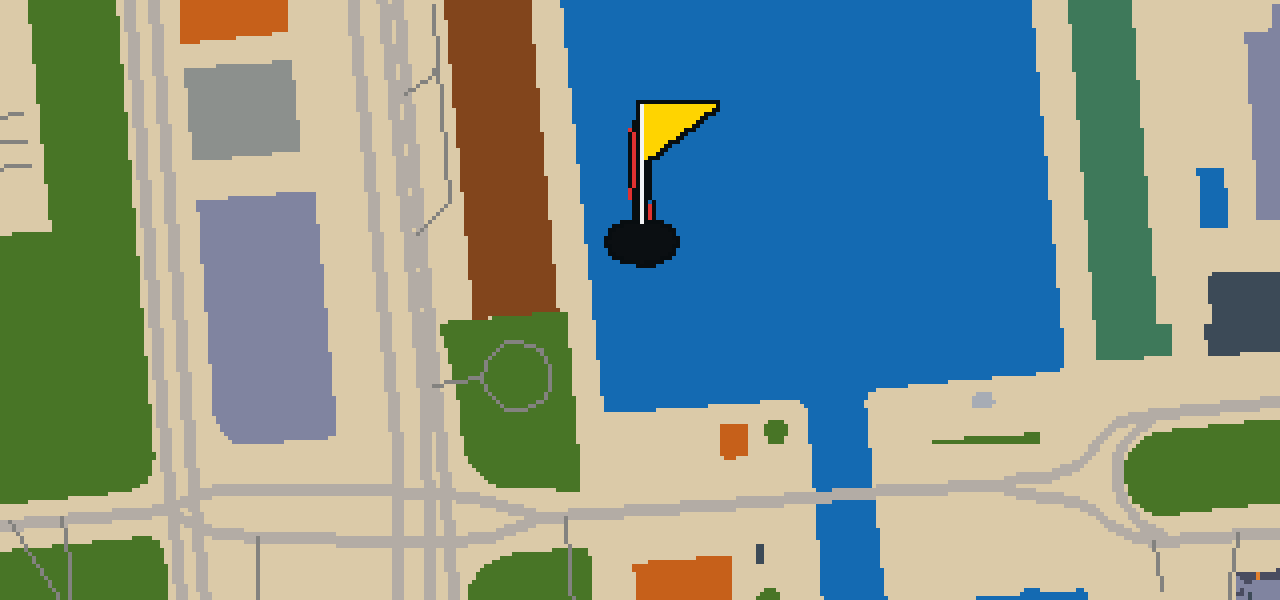
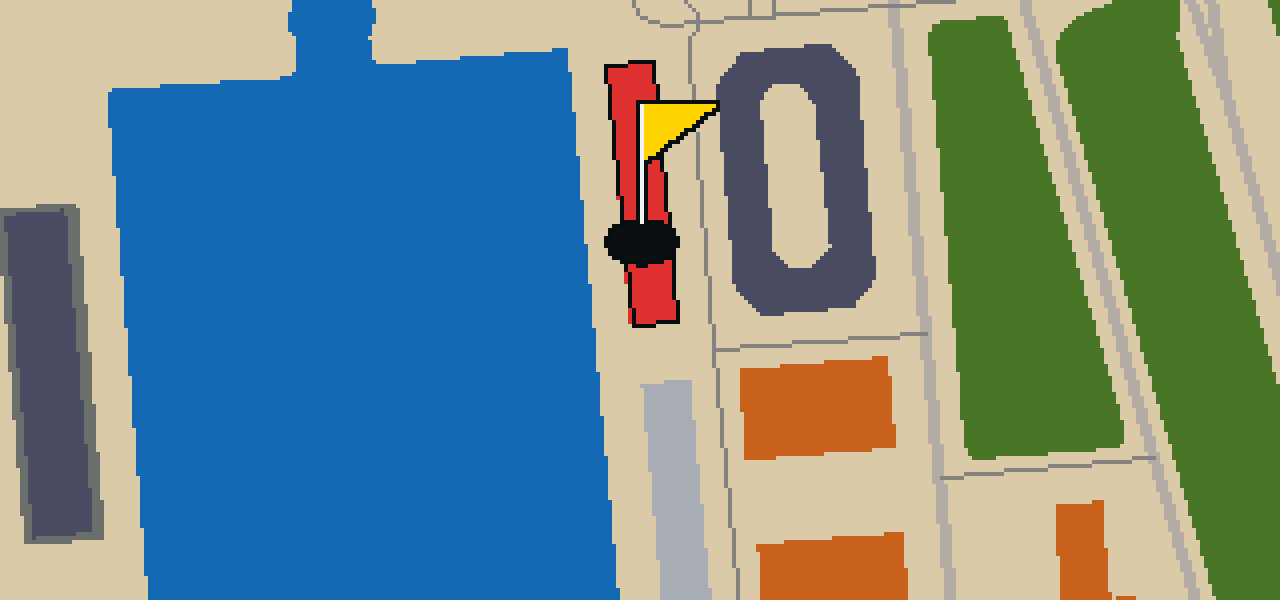
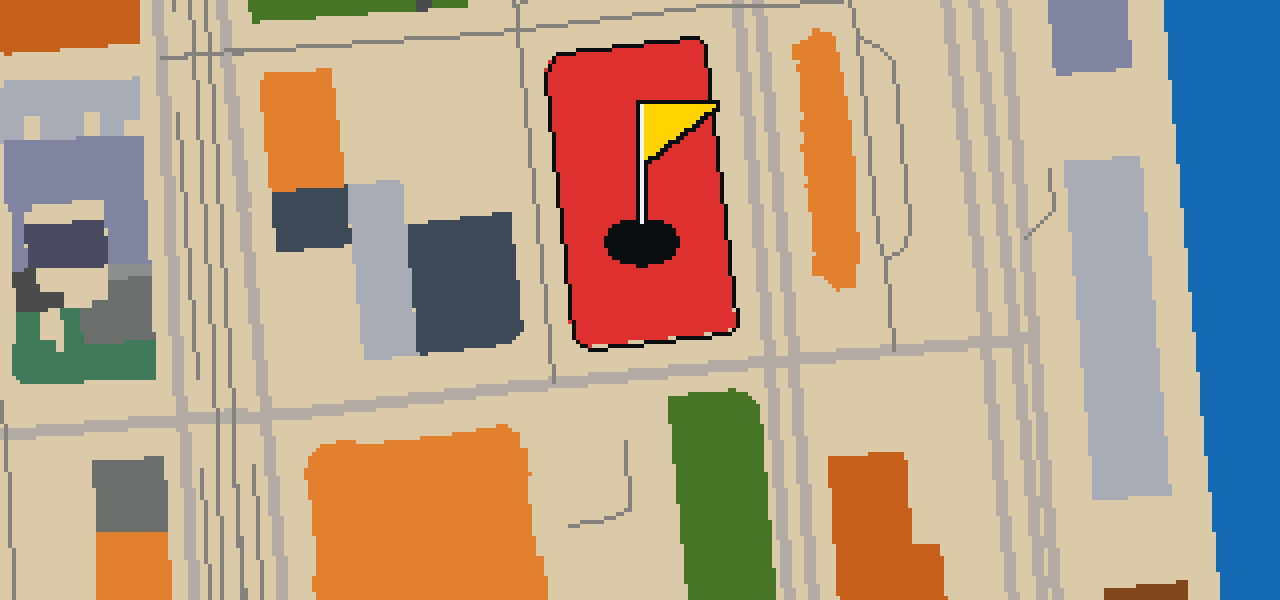
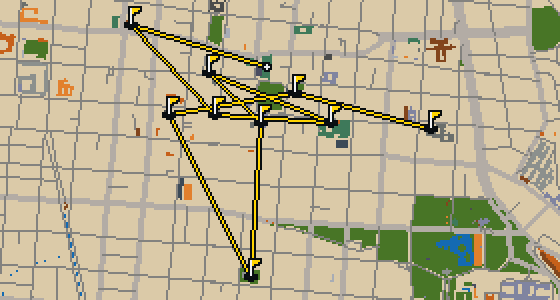
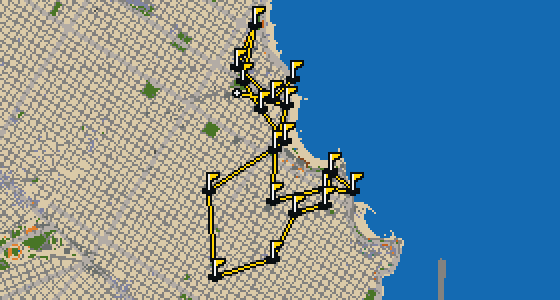
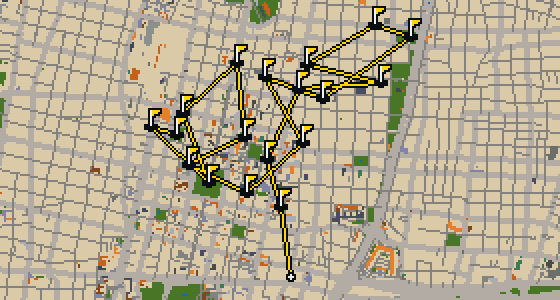
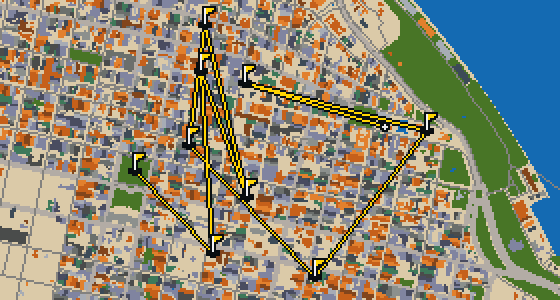
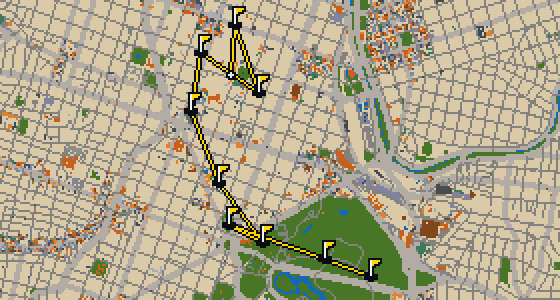
Buenos Aires is the setting for this round, played on the real streets of the city. The holes are built from actual attractions, like the Teatro Colón. Skip knows these sidewalks well and acts as the local guide. A quick 9-hole round covers 5.4 km, using 80 portals to move the ball across the map.

Trouble loading? Open the game in its own tab.

HOW IT WORKS

01

Pick a city

The course is drawn on the real street grid, so the map you play is the map you walk.

02

Putt to the pin

Drag to aim, release to swing. Buildings bounce and water costs you a stroke.

03

Sightsee between strokes

Every hole ends at an attraction. Sink the putt, read the story, walk to the next tee.

THE BUENOS AIRES ROUND - STOP BY STOP

HOLE 1 - PAR 2

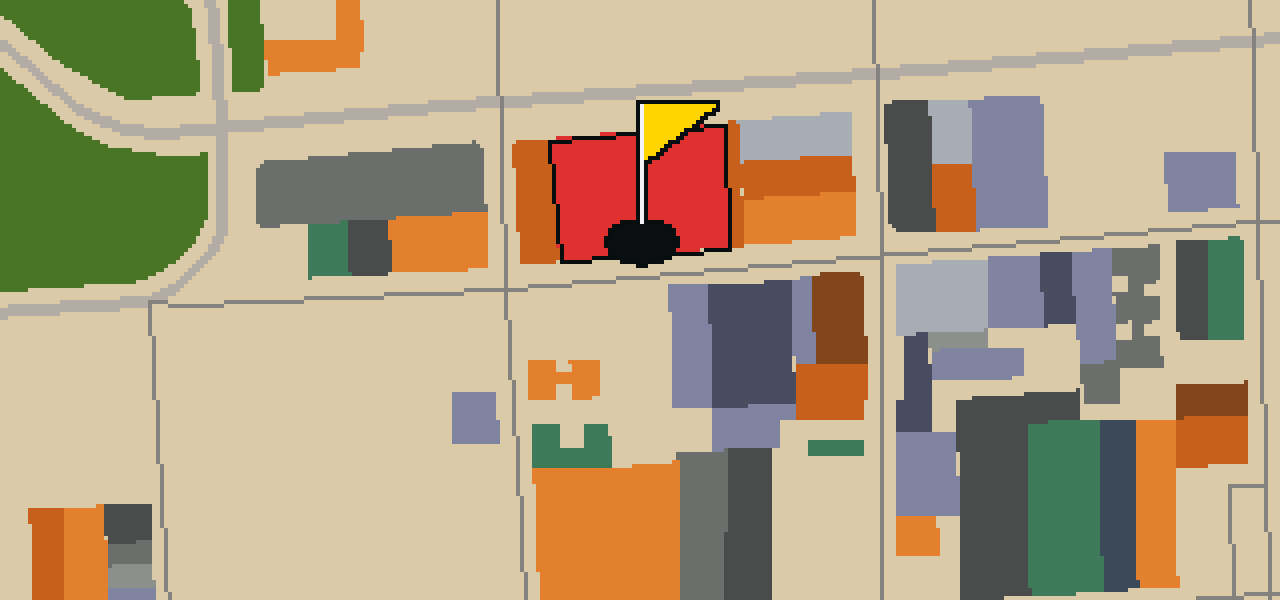
Teatro Colón

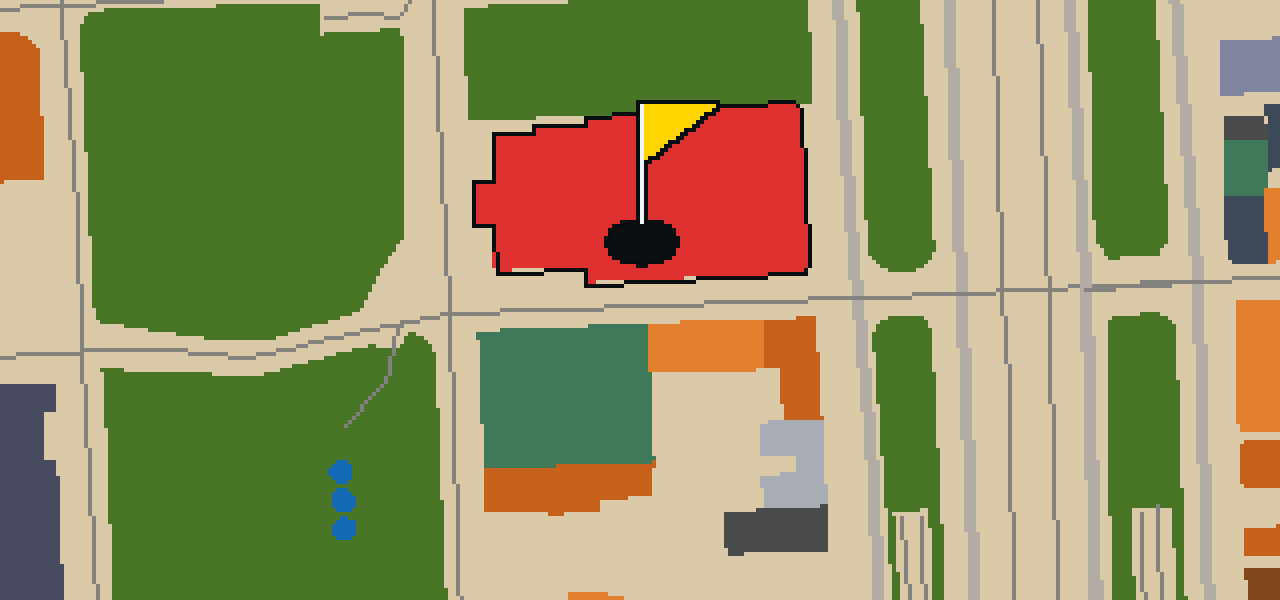
Look at the eclectic architecture style of the facade before stepping inside the Teatro Colón. This opera house in Buenos Aires is a National Historical Monument of Argentina. Its inception was in 1908, and the building was designed by architects Luca Pierotti, Francesco Tamburini, and Vittorio Meano. I've seen many fancy buildings from the air, but this one is particularly grand. It is widely recognized for its quality, with National Geographic considering it one of the ten best opera houses in the world. Whether you are here for the music or the history, the scale of the place is something you can pick out immediately. It is a landmark that defines the city's cultural heart and offers a glimpse into the artistic ambitions of the early twentieth century.

Wikidata · Wikipedia

HOLE 2 - PAR 3

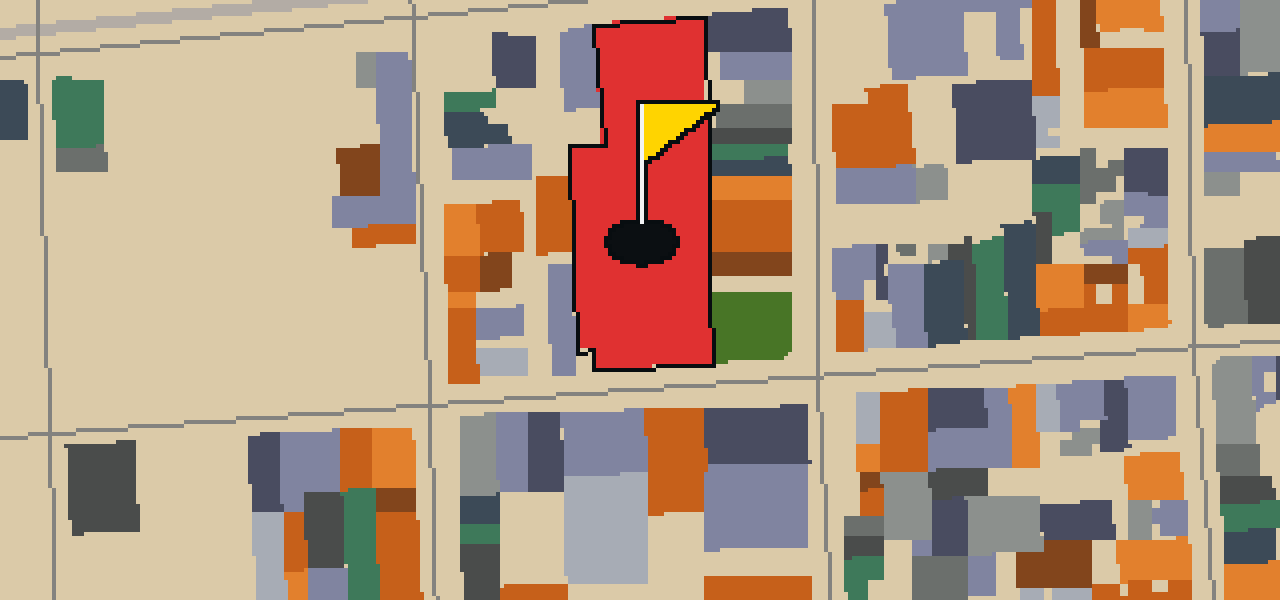
Obelisco

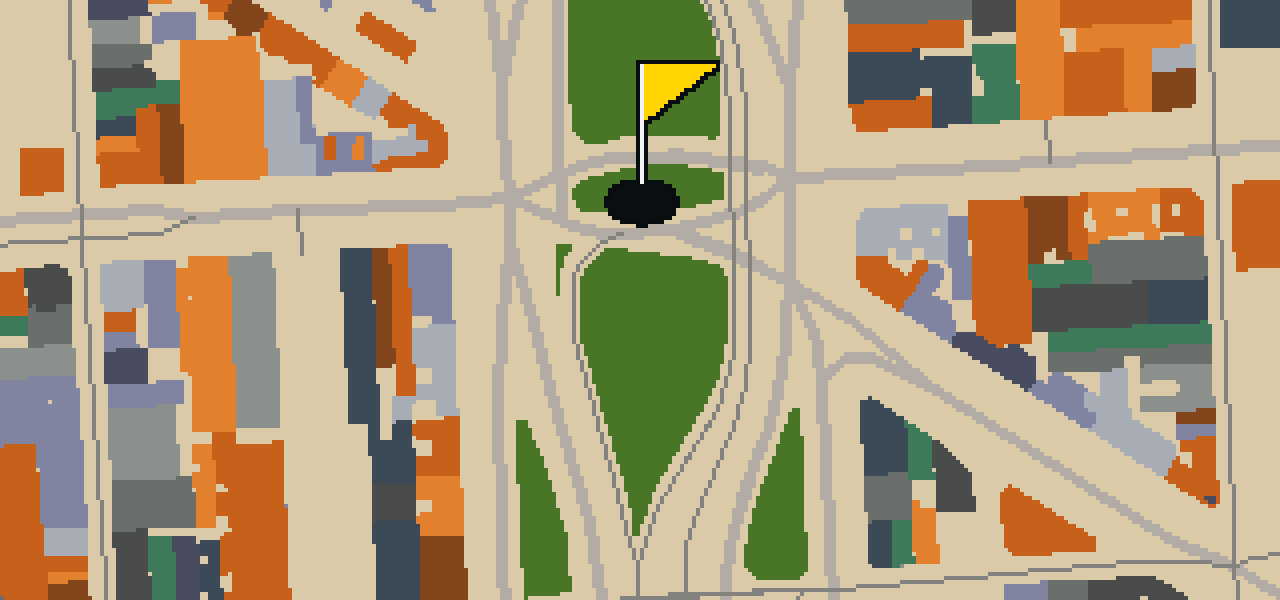
Alberto Prebisch was the architect of the Obelisco, a national historic monument that stands in the Plaza de la República. This obelisk is a reinforced concrete structure that reaches a height of 67.5 meters. Work on the monument was started in 1936, and it was also erected in 1936. You can pick out the clean lines of the concrete against the city skyline as you approach the center of the city. I have seen a few fellow pigeons try to perch on the very top, but it is a long way up for any of us. It is a striking sight that dominates the view of the wide avenues surrounding the plaza, making it a useful point of reference for any visitor trying to find their bearings in the neighborhood.

Wikidata · Wikipedia

HOLE 3 - PAR 3

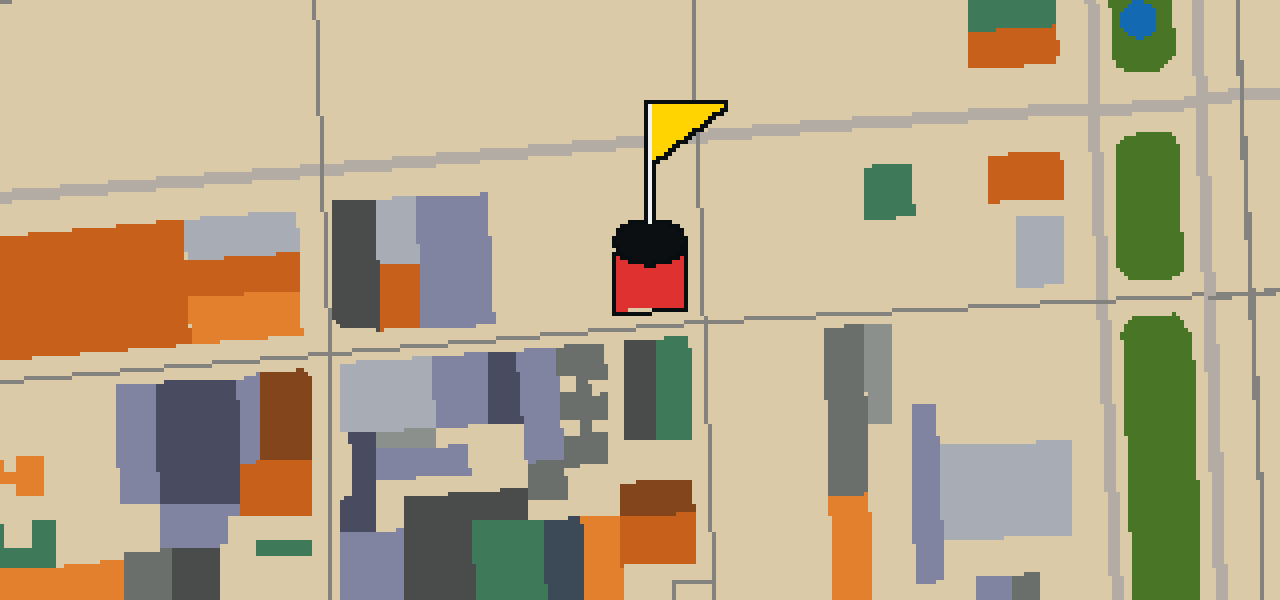
Palacio Barolo

You might expect a palace to be a sprawling estate, but Palacio Barolo is actually a skyscraper. Located at 1370 Avenida de Mayo in the Monserrat neighborhood, this tower block was designed by architect Mario Palanti. You can pick out the distinct Art Nouveau architecture style as you approach the building. Standing at a height of 100 meters, it is a National Historical Monument of Argentina. For a long time, it was the tallest building in Buenos Aires, a record it kept until the construction of the Kavanagh Building in 1936. I've seen plenty of impressive ledges in this city, but the details on this one are something else. It is a wonderful spot to stop and admire the local craftsmanship.

Wikidata · Wikipedia

HOLE 4 - PAR 3

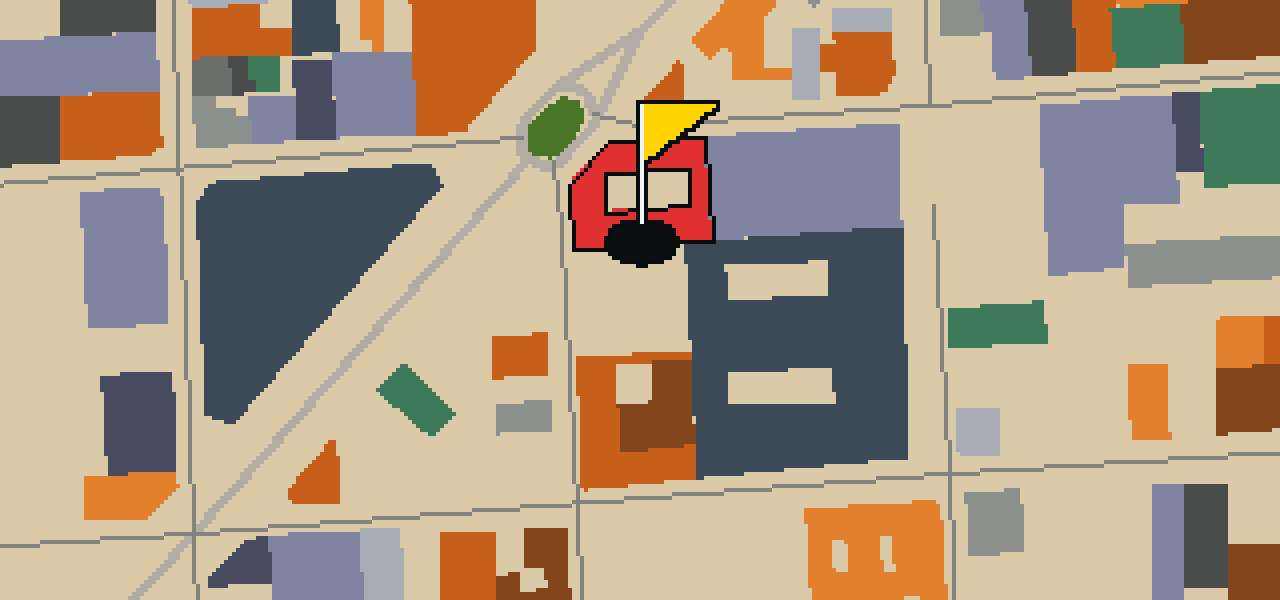
Centro Cultural General San Martín

Mario Roberto Álvarez is the architect of the Centro Cultural General San Martín. This site is both an art museum and a cultural center, providing a space for creativity and exhibition in the heart of the city. You can find it located near Corrientes Avenue in Buenos Aires, Argentina. The center had its inception in 1970, establishing itself as a permanent fixture for the arts. I've noticed that the scale of the building makes it a great landmark for getting your bearings while walking through the neighborhood. Whether you are interested in the architectural vision of Álvarez or the rotating exhibits inside, it is a place that anchors the surrounding area. It is one of those spots where the building itself is just as interesting as the art hanging on the walls inside the galleries.

Wikidata · Wikipedia

HOLE 5 - PAR 4

Teatro Avenida

The Teatro Avenida is a theatre building located in Buenos Aires, Argentina. It is part of the Cultural Heritage of Buenos Aires, making it a significant stop for anyone interested in the city's architectural and artistic history. The building's inception was in 1908, and it continues to function as a venue for the performing arts. Whether you are a fan of the stage or just wandering the neighborhood, the facade is a great example of the local style. I've noticed that the area around here always has a certain energy, which makes it a great spot to pause and look around before you move on to the next landmark. It is the kind of place where the city's history feels present in every stone of the exterior.

Wikidata · Wikipedia

HOLE 6 - PAR 3

Manzana de las Luces

Let me show you Manzana de las Luces, a museum located in Buenos Aires. This site is a historical landmark situated in the Monserrat neighbourhood, and it is officially recognized as a Place or National Historic Site. It preserves a significant piece of the city's past for visitors to explore today. I often see people pausing here to take in the atmosphere of one of the older sections of the city. Whether you are here for the history or just passing through the neighbourhood, it is a spot that anchors the surrounding streets with its longstanding presence. It is the kind of place where you can feel the weight of the years just by looking at the walls. I find it is one of the best spots to get a sense of how this part of Buenos Aires has evolved over time.

Wikidata · Wikipedia

HOLE 7 - PAR 3

Basílica Nuestra Señora de La Merced

The eclectic architecture style of the facade defines the first impression of Basílica Nuestra Señora de La Merced. This church building is located in the neighborhood of San Nicolas in Buenos Aires. Its inception was in 1900, and it was designed by the architect Giovanni Andrea Bianchi. As an Argentine Catholic church, it holds a significant place in the local community. You can find the building situated on Calle Reconquista at the corner of Tte. Gen. Juan Domingo Perón Street. This site remains a point of interest for those visiting the San Nicolas area, offering a look at the specific design choices made by Bianchi at the turn of the century. The building stands as a representative of the religious history and architectural variety found within the streets of the city.

Wikidata · Wikipedia

HOLE 8 - PAR 3

Buque Museo Corbeta A.R.A. Uruguay

You can't miss the ARA Uruguay berthed at Puerto Madero. It is a floating museum ship that catches the eye with its rigging, which follows a barque sailplan. The vessel has a long history with the Argentine navy, having been commissioned in 1874 and later decommissioned in 1926. It is a rare sight to see such a well-preserved piece of maritime history right in the city. I always think it's a bit fancy that the steel hull is wrapped in teak, which helps it stand out against the modern docks. Whether you are a fan of naval architecture or just taking a stroll by the water, this ship is a centerpiece of the waterfront that connects the city to its nautical past.

Wikidata · Wikipedia

HOLE 9 - PAR 3

Colección de Arte 'Amalia Lacroze de Fortabat'

Let me show you this spot in Buenos Aires. Here you will find the Colección de Arte 'Amalia Lacroze de Fortabat', an art museum that was founded in 2008. When you look at the structure, you can pick out the specific design choices of Rafael Viñoly, who is the architect of the museum. It is a great place to stop and see some art while you are exploring the city, and the building itself is as much of a draw as the works it contains. I find the modern lines of the architecture quite striking from the air, especially as they contrast with the surrounding urban environment. Whether you are a fan of fine art or simply enjoy seeing how modern buildings fit into an old city, this museum is a destination worth your time.

Wikidata · Wikipedia

STOP 10

Stadium Luna Park

The corner of Avenida Corrientes and Avenida Bouchard in the San Nicolás neighborhood is where you will find Stadium Luna Park. This indoor arena is a National Historical Monument of Argentina and is also recognized as a Cultural Heritage of Buenos Aires. Jorge Kálnay served as the architect for the site, which was started in 1932. While it began as a sports venue, the arena was expanded in the 1950s to host concerts and stage shows, turning it into the multi-purpose arena it is today. I've seen plenty of crowds gather here, and the energy is always high. Whether you are interested in the architecture or the history of local entertainment, it is a landmark that defines this part of the city.

Wikidata · Wikipedia

OTHER COURSES

9 HOLES - PAR 26

Salta

9 stops

This is Salta, where the map is the actual city and the round is played on its real streets. The holes are built from real attractions, ending at the Convento San Bernardo. Skip is a local guide who knows the place. A quick 9-hole round covers 4.9 km with a par of 26, using 6 portals to move between districts.

18 HOLES - PAR 53

Mar del Plata

18 stops

The round ends at the Teatro Mar Del Plata, where the final hole drops. This course uses the real streets of Mar del Plata as the map, turning the actual city into a playground. Local attractions provide the structure for each hole. Skip knows every curb and cobblestone here. This full round of 18 holes covers 11.4 km with a par of 53, using 4 portals to bridge the gaps between the landmarks.

18 HOLES - PAR 52

Mendoza

18 stops

Banking a ball off the facades of the Basílica de San Francisco requires a steady wing and a soft touch. This round takes place in Mendoza, using the real city map and its actual streets as the course. The holes are built directly from the city's real attractions. A full 18-hole round covers 9.5 km, with 14 portals to keep the ball moving. Skip knows these sidewalks better than anyone.

9 HOLES - PAR 27

Rosario

9 stops

The ball rolls through the heart of Rosario on a map of the actual city. A quick 9-hole round follows the real streets for 5.4 km, using 14 portals to bridge the gaps. The holes are built from local attractions, including the Monumento Histórico Nacional a la Bandera. Skip knows these sidewalks well, even the spots where the best crumbs land.

9 HOLES - PAR 24

Córdoba

9 stops

Banking a ball off the stone facades of Córdoba requires a steady wing. This round uses the real city as a map, with the ball rolling across actual streets and attractions like the Catedral de Córdoba as the holes. Skip knows these sidewalks well. A quick nine-hole round covers 4.6 km, using two portals to bridge the gaps.

FAQ

Is it free to play?

Yes. Every course runs in the browser with no account and no install.

Do I need to be in the city?

No. The full round plays from anywhere. Walking the real route is a nice way to see the city, but it is not required.

Are the maps real?

Yes. The geometry comes from OpenStreetMap data, rendered chunky on purpose. Streets, water and parks sit where they really are.