
ISTANBUL - 18 HOLES - FREE

ISTANBUL
CITY MAP MINIGOLF

Istanbul - 18 stops - par 53

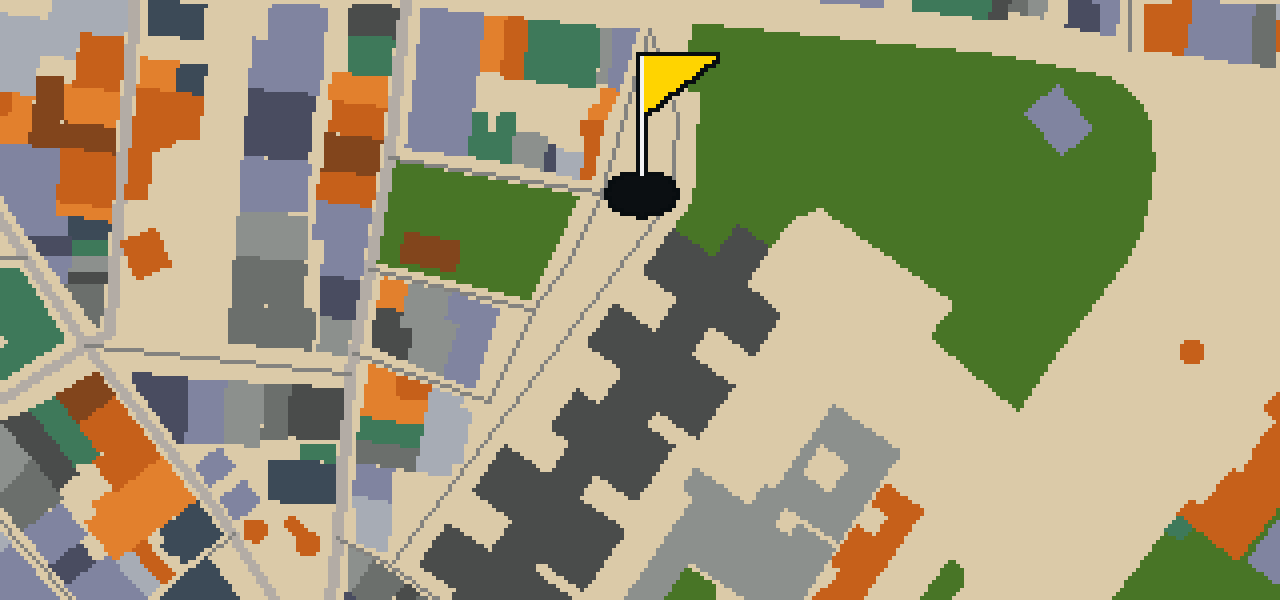
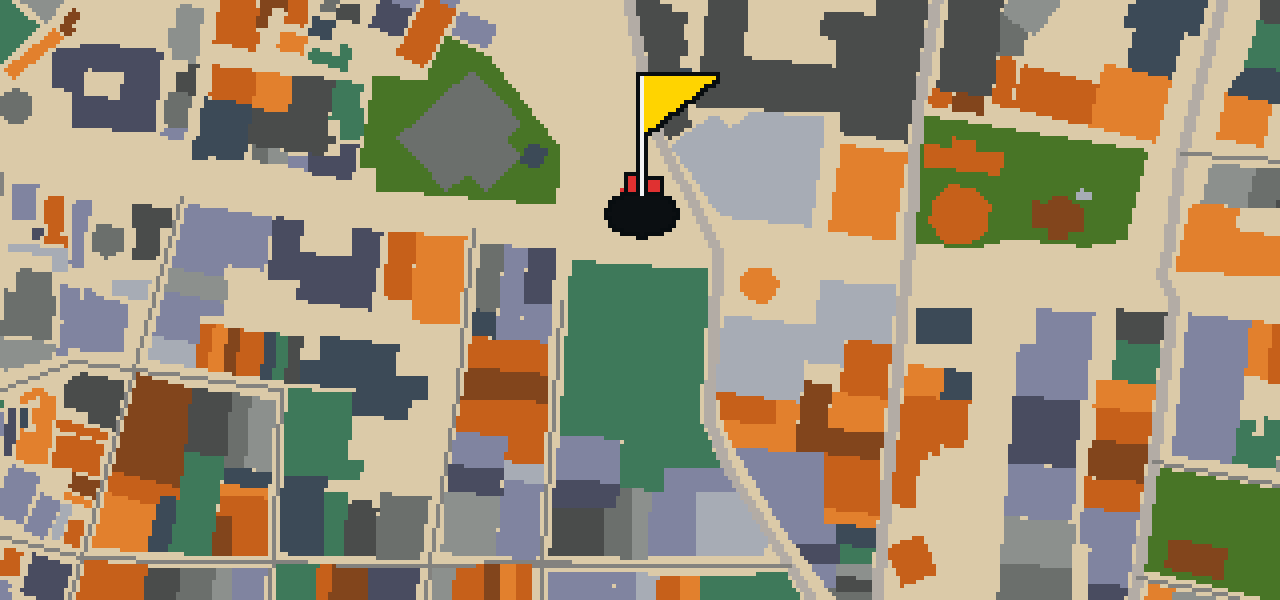
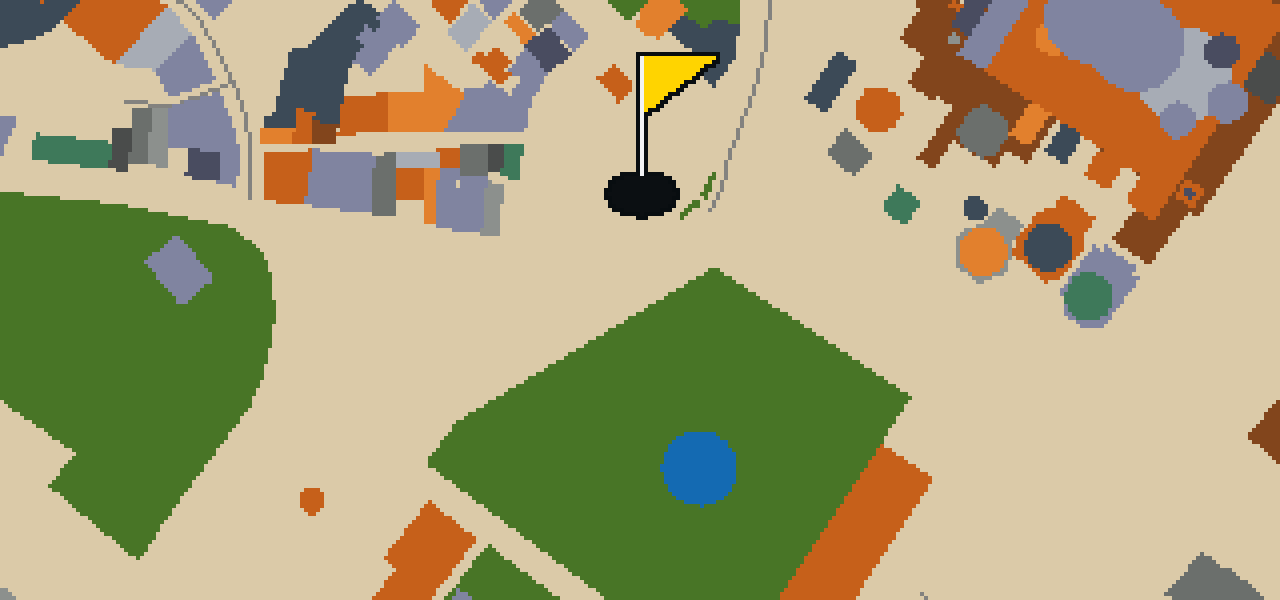
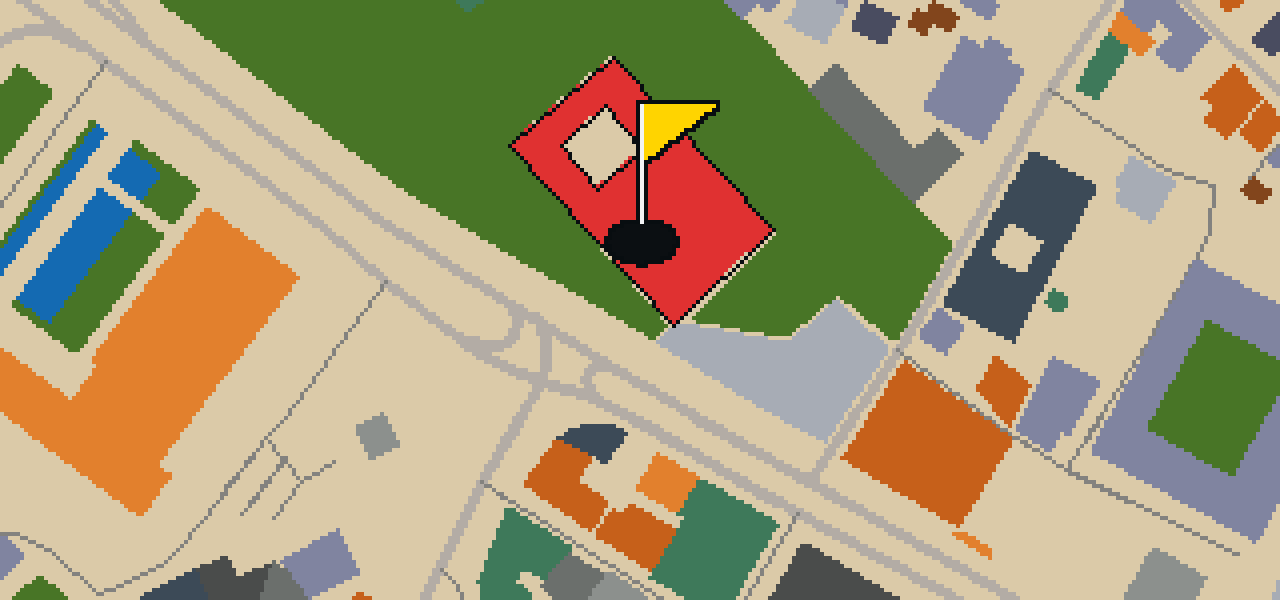
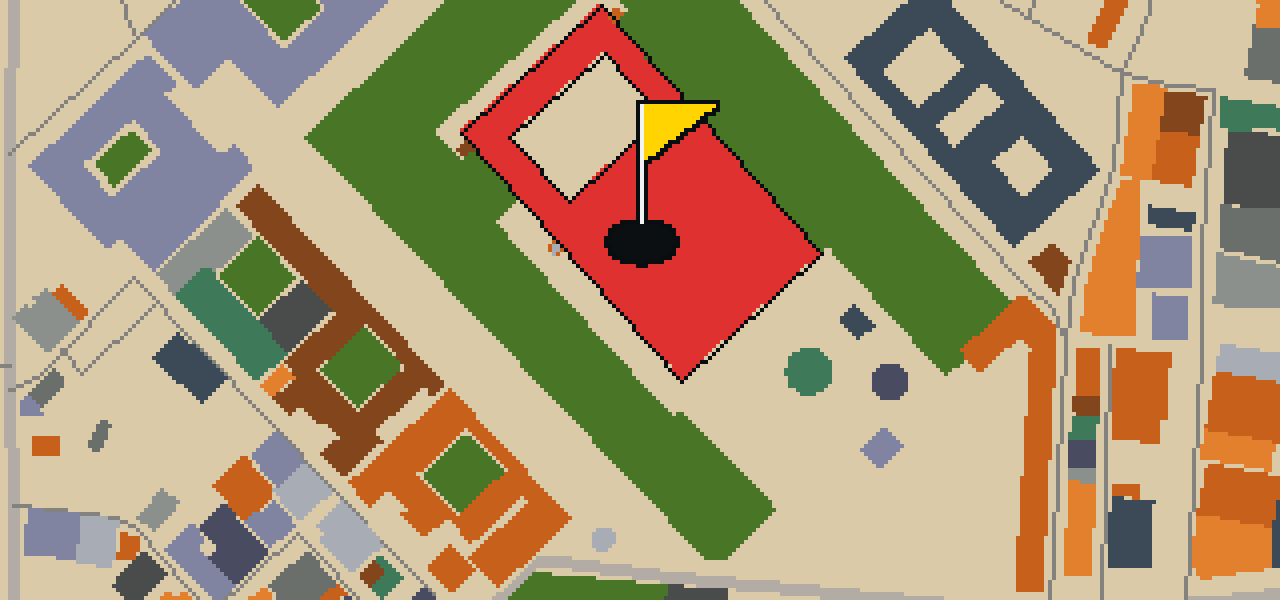
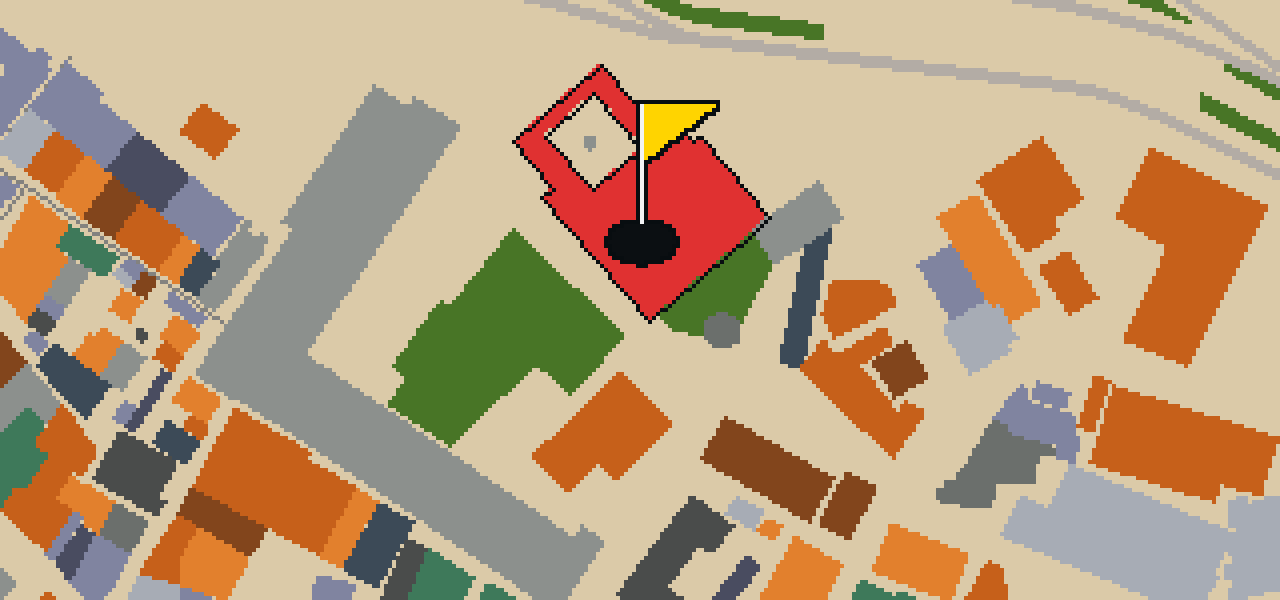
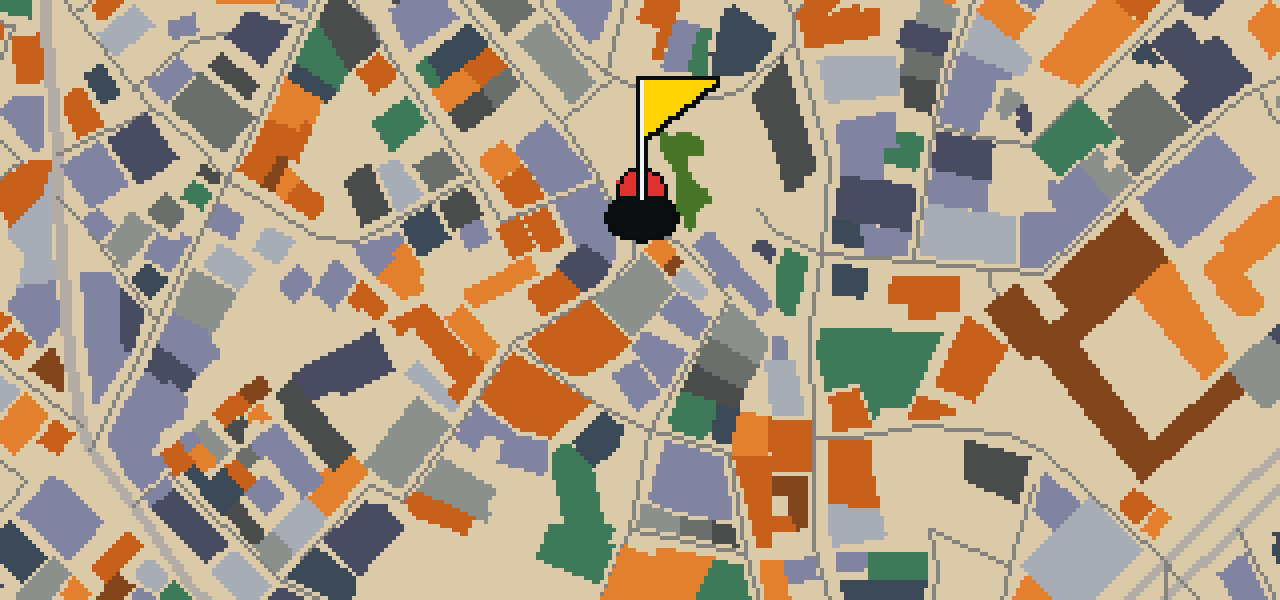
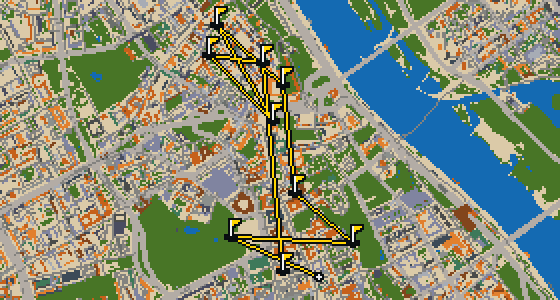
From a perch on the eaves, Istanbul looks like a giant puzzle of stone and tile. The map is the real city and the round is played on its actual streets, where landmarks like the Galata Kulesi are the holes. This full round of 18 holes and par 53 covers a 10.6 km walk, with 54 portals to move the ball across the districts. Skip knows every alleyway here and is the local guide.

Trouble loading? Open the game in its own tab.

HOW IT WORKS

01

Pick a city

The course is drawn on the real street grid, so the map you play is the map you walk.

02

Putt to the pin

Drag to aim, release to swing. Buildings bounce and water costs you a stroke.

03

Sightsee between strokes

Every hole ends at an attraction. Sink the putt, read the story, walk to the next tee.

THE ISTANBUL ROUND - STOP BY STOP

HOLE 1 - PAR 3

Ayasofya

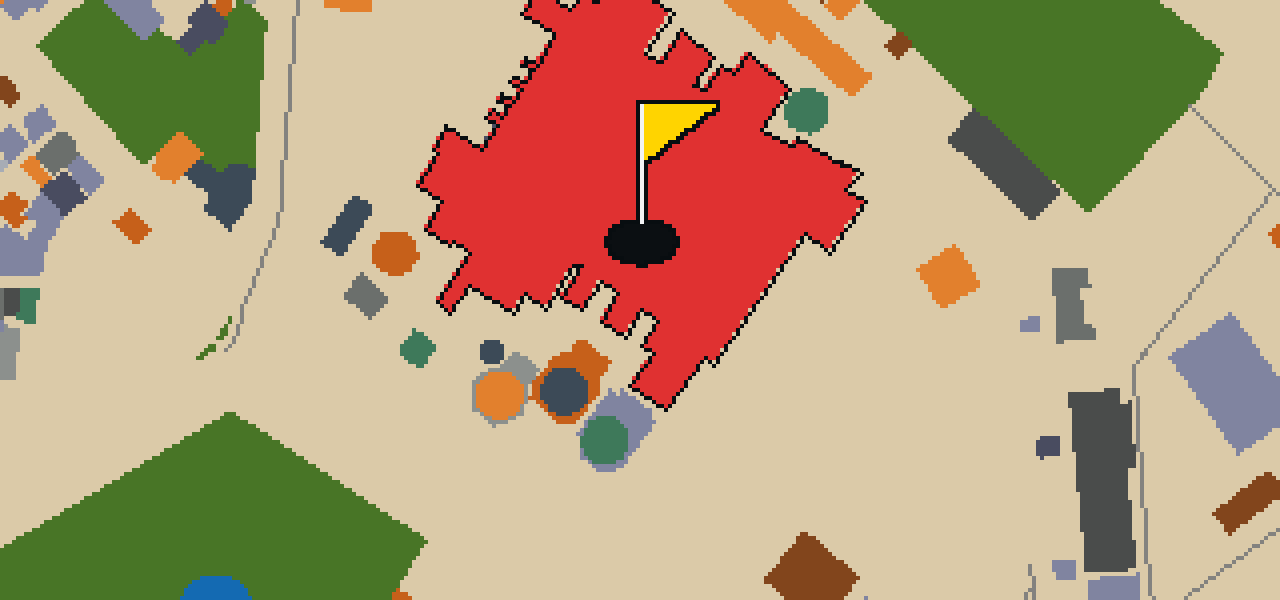
Ayasofya is located in Istanbul and was completed in AD 537. The building was designed by architects Anthemius of Tralles and Isidore of Miletus, and it remains part of a UNESCO World Heritage Site. Throughout its history, it has held several different roles. It served as a church from 360 to 1453. In more recent times, the building was a museum from 1935 to 2020. Most recently, in 2020, Ayasofya was redesignated as a mosque. You can see the influence of its various eras in the architecture of the site.
Wikidata · Wikipedia

HOLE 2 - PAR 2

Topkapı Sarayı

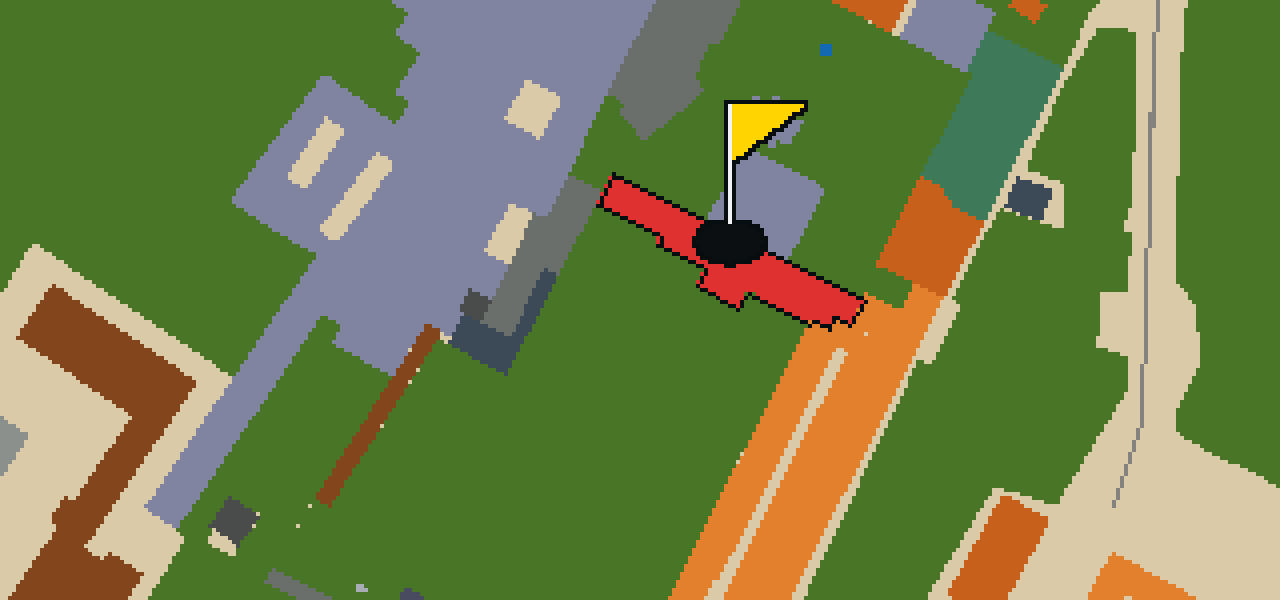
This isn't just a museum, though it is one today. Topkapı Sarayı is a palace and a building or structure under construction located in the east of the Fatih district of Istanbul. Mehmed II was the architect of this site, which began in 1475 and features the Ottoman architecture style. It is a popular destination that sees 1,932,726 annual visitors. I've noticed that the crowds here are almost as constant as the history. You can explore its halls as both a museum and a library.

Wikidata · Wikipedia

HOLE 3 - PAR 3

Aya İrini Kilisesi

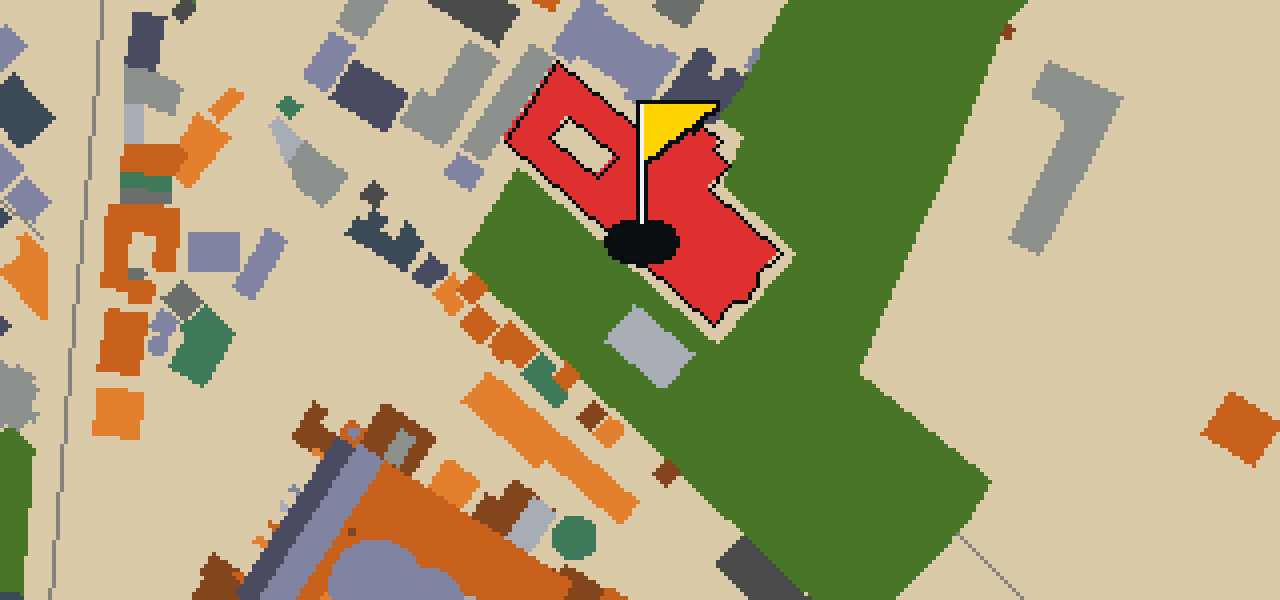
Aya İrini Kilisesi is the oldest known church structure in Istanbul. Built in the Byzantine architecture style, this former Eastern Orthodox church is located in the outer courtyard of Topkapı Palace. It is one of only two Byzantine churches still standing in the city today that were never converted into mosques. Over time, the building served different purposes, including use as an arsenal for storing weapons until the 19th century. Today, the site operates as a museum and concert hall, allowing visitors to experience its unique history and architecture.

Wikidata · Wikipedia

HOLE 4 - PAR 3

Binbirdirek Sarnıcı

Look past the surface to find a man-made subterranean reservoir. Binbirdirek Sarnıcı is an ancient Roman cistern built in the Byzantine architecture style. It is situated in the Sultanahmet district between the Forum of Constantine and the Hippodrome of Constantinople. I think the atmosphere down there is just wonderful. This site is the second largest cistern in Istanbul after the Basilica Cistern, making it a significant piece of the city's underground history for any visitor to explore. You can find the entrance at İmran Öktem Sokak 4.

Wikidata · Wikipedia

HOLE 5 - PAR 2

Kapalı Çarşı

Let me show you Kapalı Çarşı, a bazaar and market hall started in 1455. It is designed in both Ottoman and Islamic architecture styles. The Grand Bazaar is a massive destination, attracting between 250,000 and 400,000 visitors daily. In 2014, it was listed No.1 among the world's most-visited tourist attractions with 91,250,000 annual visitors. I usually find the crowds a bit much, but the scale of the place is impressive. You can spend hours getting lost in the alleys and still not see every single corner of this historic site.

Wikidata · Wikipedia

HOLE 6 - PAR 3

Çemberlitaş Sütunu

You will find this spot midway along the Mese odos, which was the main thoroughfare of the ancient city. Here stands the Çemberlitaş Sütunu, a victory column that once occupied the centre of the Forum of Constantine. This site sat on the second-highest of the seven hills of Nova Roma. Known also as the Column of Constantine, it commemorates the dedication of Constantinople by Roman emperor Constantine the Great on 11 May 330 AD. The column was completed around 328 AD and is the oldest Constantinian monument to survive in Istanbul. It is a sturdy piece of history that has seen the city change around it.

Wikidata · Wikipedia

HOLE 7 - PAR 3

Milyon Taşı

The Milion was the zero-mile marker for the Roman Empire upon the re-founding of the city as Constantinople in 330 AD. It survived both the sack of Constantinople in 1204 and the Ottoman conquest in 1453. While the structure vanished by the start of the 16th century, it left a lasting mark on the city's layout. I can show you where it stood; partial fragments of the Milion were discovered under houses in this area during excavations in the 1960s.

Wikidata · Wikipedia

HOLE 8 - PAR 3

Topkapi Sarayı

Let me show you Topkapi Sarayı, a palace and museum in the east of the Fatih district of Istanbul. Mehmed II was the architect of this site, which began in 1475. Built in the Ottoman architecture style, the palace was the main residence of the sultans of the Ottoman Empire. It served as the empire's administrative center from the 1460s until the completion of Dolmabahçe Palace in 1853. Today, it is a museum and library that welcomes 1,932,726 annual visitors. It is still considered a building or structure under construction. I've seen plenty of tourists wandering these grounds, and it's easy to see why.

Wikidata · Wikipedia

HOLE 9 - PAR 3

Gotlar Sütunu

You might mistake this for a simple pillar, but it is actually the Column of the Goths. This Roman victory column stands in Gülhane Park in Istanbul, Turkey. It is a piece of history that dates back to the third or fourth century A.D. When you walk past it, you can see the weathered stone of a monument once built to commemorate a military triumph. I've noticed that people often walk right past it while heading to the tulips, but it is a great spot to stop and think about the Roman era.

Wikidata · Wikipedia

HOLE 10 - PAR 3

İstanbul Arkeoloji Müzeleri

Founded in 1869, İstanbul Arkeoloji Müzeleri is a national archaeological museum. This site is actually a group of three archaeological museums located in the Eminönü quarter of Istanbul, Turkey. You can find them positioned near Topkapı Palace and Gülhane Park. They house over one million objects and attract 382,148 annual visitors. I always think it is a great spot to spend an afternoon since there is so much to see in one place, and the collection is simply massive. It is a wonderful way to experience the history of the region without leaving the neighborhood.

Wikidata · Wikipedia

HOLE 11 - PAR 3

Sultanahmet Camii

The height of Sultanahmet Camii is 64 meters. This historic building is a mosque designed by the architect Sedefkar Mehmed Ağa. Its inception was in 1609, and it is built in the Ottoman architecture style. You can see how the structure reflects this specific tradition in its design and overall form. Because of its global significance, the mosque is part of a UNESCO World Heritage Site. It remains one of the most prominent examples of its style, standing as a primary landmark for anyone visiting the area.

Wikidata · Wikipedia

HOLE 12 - PAR 3

Küçük Ayasofya Camii

Küçük Ayasofya Camii had its inception from 526 to 536. Isidore of Miletus was the architect of this building, which is designed in the Byzantine architecture style. Over time, the site became a mosque and a külliye, adding elements of Ottoman architecture to the structure. Today, it is recognized as a cultural property requiring protection. It remains a church building and mosque that demonstrates the city's architectural transitions. You can see how these two distinct styles coexist within one single structure, making it an important site for those interested in the history of the city.

Wikidata · Wikipedia

HOLE 13 - PAR 2

Türk ve İslam Eserleri Müzesi

Located in Sultanahmet Square in the Fatih district, the Turkish and Islamic Arts Museum is an example of Ottoman architecture. The museum first opened in 1914 and later moved into the palace of Pargalı Ibrahim Pasha in 1983. Inside, you can pick out a collection of Islamic calligraphy, tiles, and rugs. The museum also features ethnographic displays on various cultures in Turkey, with a particular focus on nomad groups. I've always found the palace walls a great place to keep an eye on the square.

Wikidata · Wikipedia

HOLE 14 - PAR 4

Sokullu Şehit Mehmed Paşa Camii

The Ottoman architecture style defines the structure of Sokullu Şehit Mehmed Paşa Camii. This historic building is a congregational mosque and a külliye located in the Kadırga neighborhood in Fatih district, Istanbul, Turkey. It was designed by Mimar Sinan and is officially recognized as a cultural property requiring protection. This site provides an example of the architectural standards of the period, combining a place of worship with the broader functions of a külliye. You can observe the specific design choices made by Sinan throughout the complex.

Wikidata · Wikipedia

HOLE 15 - PAR 3

Beyazıt Camii

The Ottoman architecture style is evident in the design of Beyazıt Camii. Located in Beyazıt Square in Istanbul, Turkey, this mosque is a historic building and a külliye. Construction of the site was started in 1506. It is an early 16th-century Ottoman imperial mosque designed by the architect Mimar Hayruddin. Visitors can see how the mosque functions as part of a larger complex, representing the imperial standards of the period. This structure remains a prominent part of the city's architectural heritage in the heart of the district.

Wikidata · Wikipedia

HOLE 16 - PAR 3

Şehzadebaşı Camii

Şehzadebaşı Camii is an architectural landmark in the district of Fatih, located on the third hill of Istanbul, Turkey. You will notice the Ottoman architecture style, which was executed by the architect Mimar Sinan. This congregational mosque was commissioned by Suleiman the Magnificent as a memorial to his son, Şehzade Mehmed, who died in 1543. The inception of the building was in 1548. Visitors can observe how the structure reflects the specific design choices of the era and the intent of its patron.

Wikidata · Wikipedia

HOLE 17 - PAR 3

Süleymaniye Camii

Süleymaniye Camii is a mosque and historic building located on the Third Hill of Istanbul, Turkey. Its inception was 1550, and an inscription specifies the inauguration date as 1557. Commissioned by Suleiman the Magnificent, the structure reaches a height of 53 meters. Mimar Sinan served as the architect, designing the building in the Ottoman architecture style. Since its completion, the mosque has maintained its place in the city's skyline and is now officially recognized as part of a UNESCO World Heritage Site.

Wikidata · Wikipedia

HOLE 18 - PAR 4

Yeni Camii

Yeni Camii is a historic building and mosque located in the Eminönü quarter of Istanbul, Turkey. Built in the Ottoman architecture style, the inception of the mosque was in 1597. Mimar Davud Ağa served as the architect for the project. This site is a külliye, which means it is a complex of buildings centered around the mosque. Following the original start of construction, the New Mosque was partially reconstructed and completed between 1660 and 1665. It remains a significant example of the architectural traditions of the era in the heart of the city.

Wikidata · Wikipedia

STOP 19

Galata Kulesi

You will first notice the massive stone presence of Galata Kulesi rising above the Beyoğlu district of Istanbul. This medieval Genoese tower is a museum and is officially the Galata Tower Museum. It was started in 1349 and was built in the Romanesque architecture style. At a height of 62.59 meters, it is one of the most prominent landmarks in the Galata part of the city. I find the height makes it a great landmark for getting my bearings when I am flying over the neighborhood.

Wikidata · Wikipedia

OTHER COURSES

18 HOLES - PAR 57

Zurich

18 stops

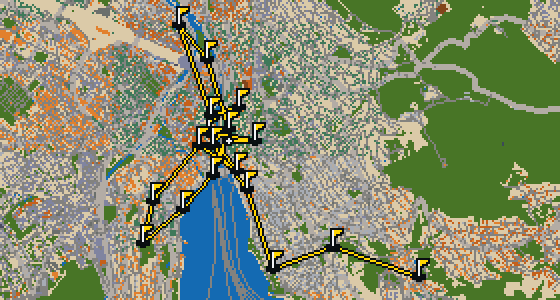
This is a full 18-hole round through Zürich. The map follows the real city, with the ball rolling across actual streets and banking off building facades. Real attractions like the Grossmünster are what the holes are built from. Skip knows every corner of this place, though a pigeon mostly cares about the crumbs. The walk covers 12.4 km and uses 70 portals to bridge the gaps between distant landmarks.

18 HOLES - PAR 52

Zagreb

18 stops

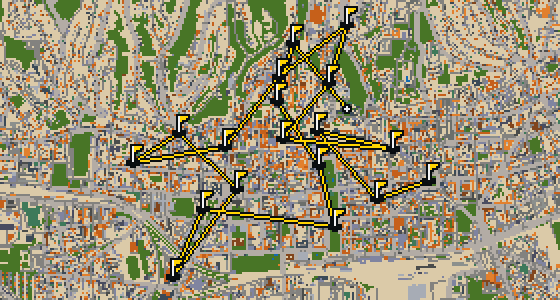
This is a full round of 18 holes through Zagreb. The map follows the real city, with the ball rolling across actual streets and banking off building facades. Real attractions like the bazilika Presvetog Srca Isusova form the holes. Skip knows these pavements well, even the bits where the crumbs are best. The walk covers 10.2 km and uses 40 portals to bridge the gaps between distant parts of the city.

18 HOLES - PAR 55

York

18 stops

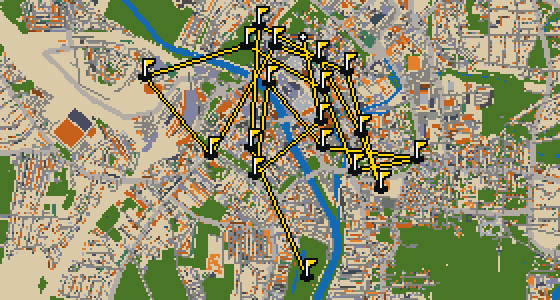
This is a full eighteen-hole round through York. The map is the real city and the ball rolls along its actual streets, banking off the stone of the York Minster. Real attractions provide the structure for every hole. Six portals help move the ball across the 6.9 mi walk. Skip is a local guide who knows these alleys and bars by heart, provided there are no crumbs to distract him.

18 HOLES - PAR 54

Wrocław

18 stops

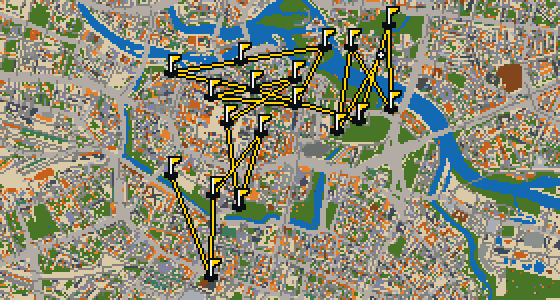
Wrocław is the setting for this round, where the map is the real city and the ball rolls across its actual streets. The holes are built from real attractions, starting at the Archikatedra Świętego Jana Chrzciciela. Skip is a local guide who knows the place and where the best crumbs are hidden. This full round of 18 holes has a par of 54 and covers a walk of 10.2 km, with 28 portals to help the ball skip across the map.

9 HOLES - PAR 26

Warsaw

9 stops

This is Warszawa, where the map is the real city and the round is played on its actual streets. The holes are built from real attractions, starting at Religijne Towarzystwo Przyjaciół w Polsce. This quick 9-hole round covers 4.9 km with a par of 26, using 78 portals to bridge the gaps. Skip knows these sidewalks well enough to find the best banks.

FAQ

Is it free to play?

Yes. Every course runs in the browser with no account and no install.

Do I need to be in the city?

No. The full round plays from anywhere. Walking the real route is a nice way to see the city, but it is not required.

Are the maps real?

Yes. The geometry comes from OpenStreetMap data, rendered chunky on purpose. Streets, water and parks sit where they really are.