
SINTRA - 9 HOLES - FREE

SINTRA
CITY MAP MINIGOLF

Sintra - 9 stops - par 27

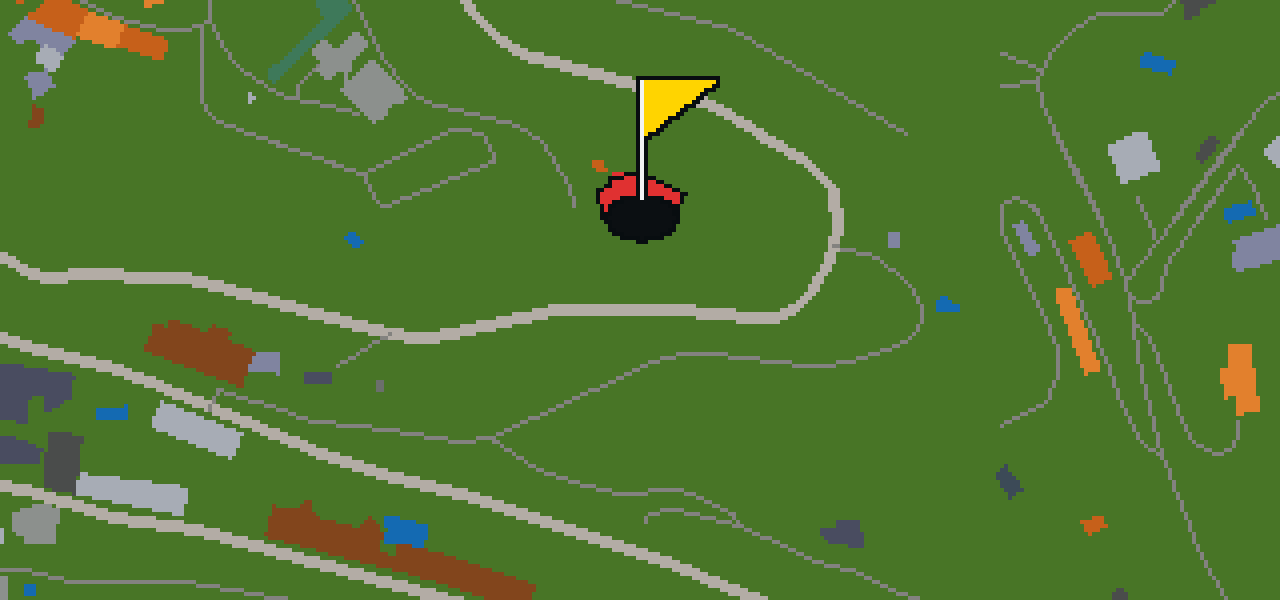
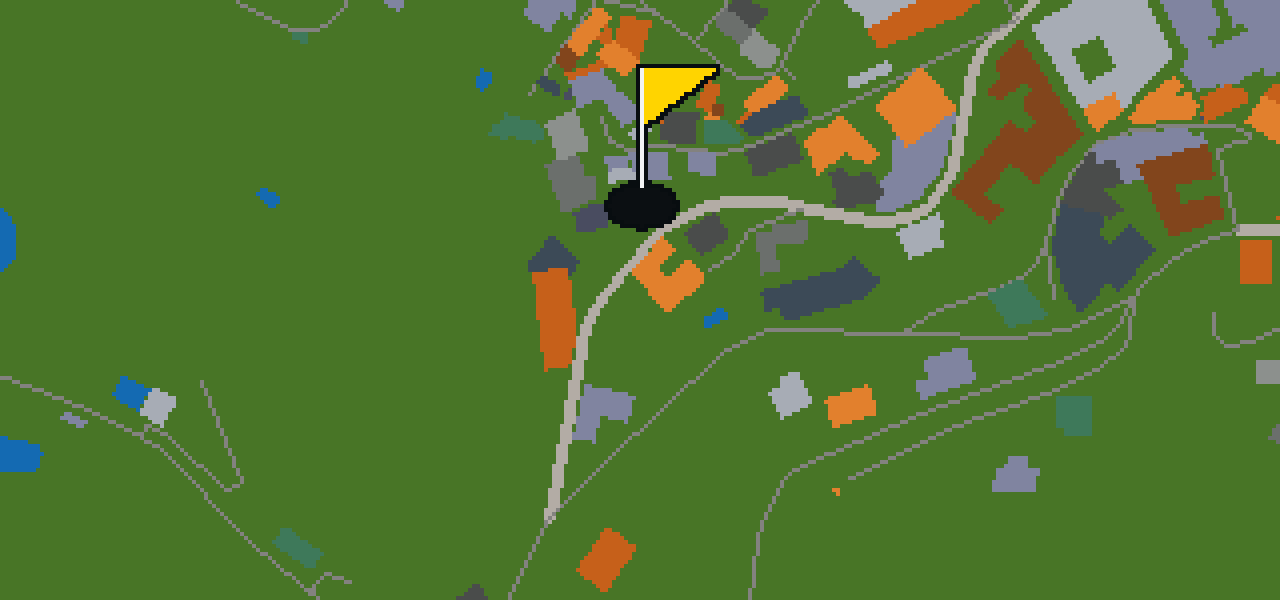
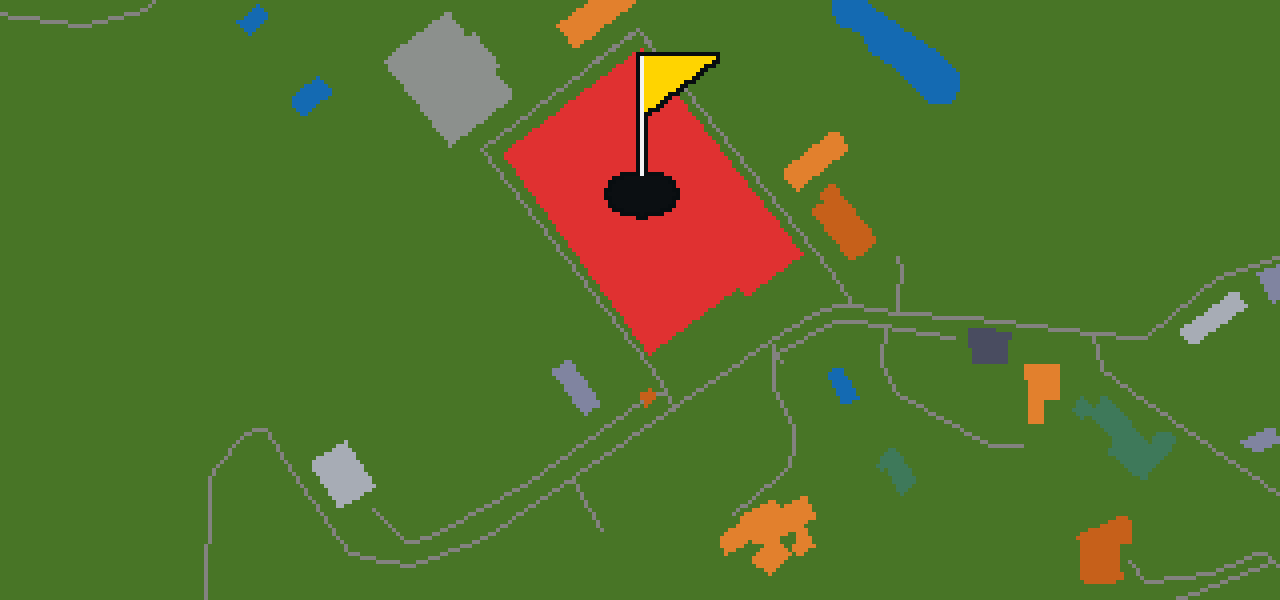
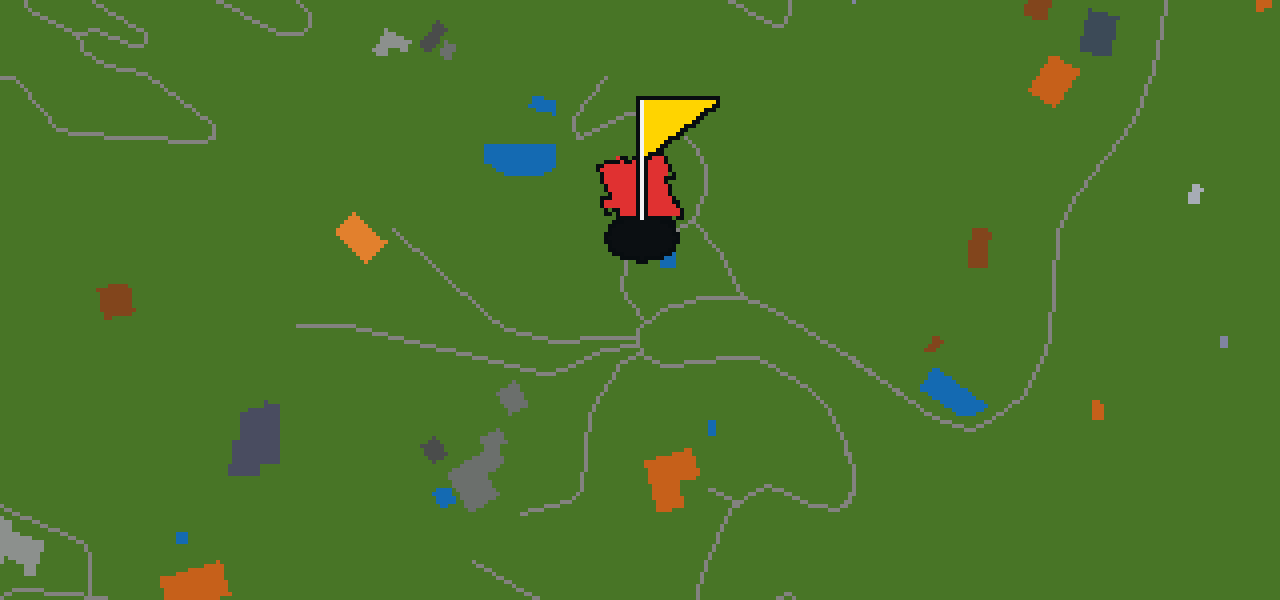
Sintra is the city, and the map is the real place where the round is played on its actual streets. Real attractions like the Igreja de Santa Maria are what the holes are built from. Skip is a local guide who knows these roads well. This quick round of 9 holes has a par of 27, covers a 4.8 km walk, and uses 4 portals.

Trouble loading? Open the game in its own tab.

HOW IT WORKS

01

Pick a city

The course is drawn on the real street grid, so the map you play is the map you walk.

02

Putt to the pin

Drag to aim, release to swing. Buildings bounce and water costs you a stroke.

03

Sightsee between strokes

Every hole ends at an attraction. Sink the putt, read the story, walk to the next tee.

THE SINTRA ROUND - STOP BY STOP

HOLE 1 - PAR 3

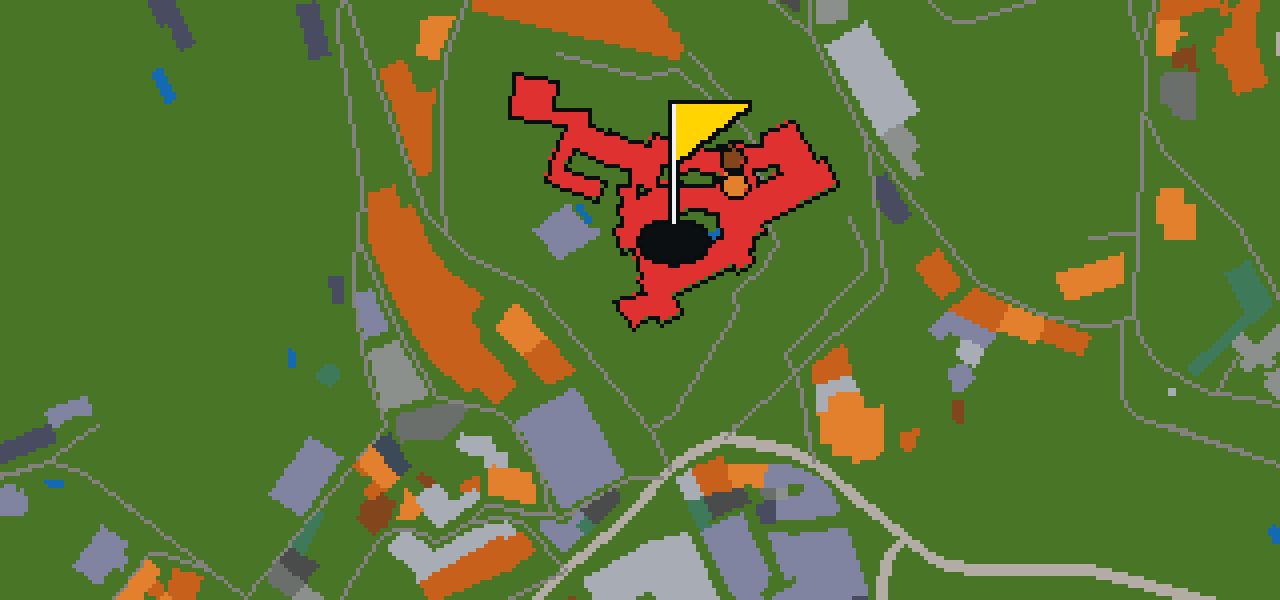
Palácio da Pena

The inception of Palácio da Pena was in 1838. Located in São Pedro de Penaferrim, in the municipality of Sintra, this palace was designed by the architect Wilhelm Ludwig von Eschwege. Since its start, it has gained significant recognition for its value and beauty. It is now known as a National Monument of Portugal and is listed as a UNESCO World Heritage Site. You can also find it listed as one of the Seven Wonders of Portugal. I always find the colors here quite striking against the skyline. Whether you are here for the history or the view, it is a landmark that defines the region. It is a wonderful spot to spend an afternoon exploring the architecture and the surrounding grounds of this historic site.

Wikidata · Wikipedia

HOLE 2 - PAR 3

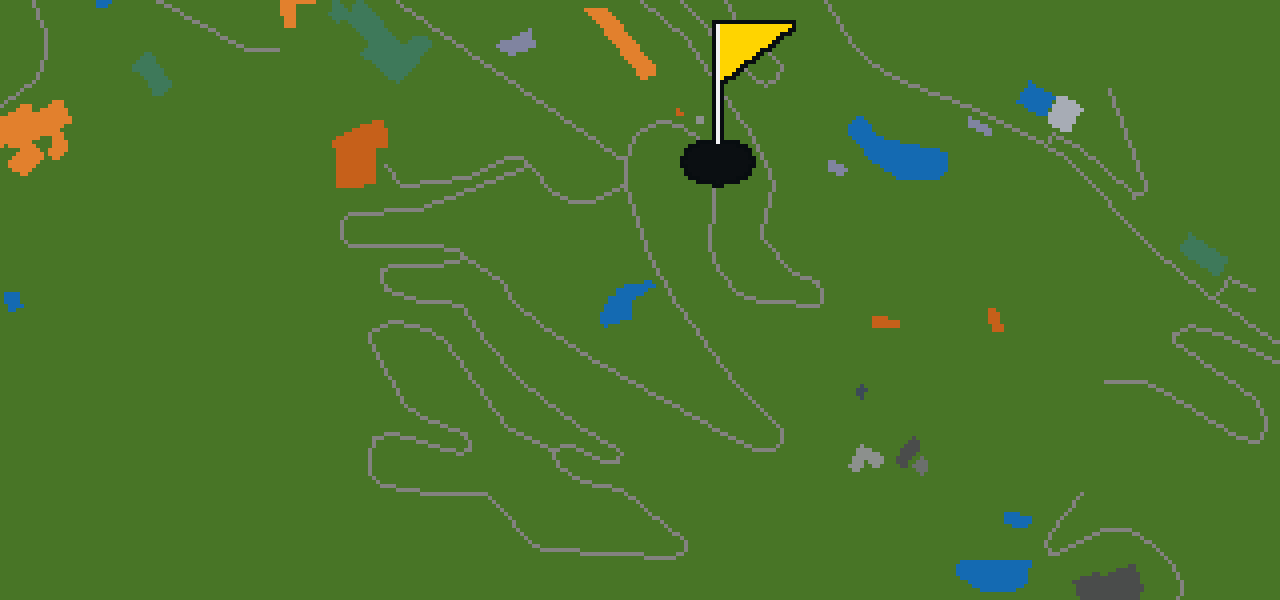
Castelo dos Mouros

Let me show you the Castle of the Moors, a hilltop medieval castle located in the municipality of Sintra. This site is about 25 km northwest of Lisbon in the central Portuguese civil parish of Santa Maria e São Miguel. The Moors built the castle in the 8th and 9th centuries to serve as a fortification. Later, Christian forces took the castle after the fall of Lisbon in 1147. Today, the site is recognized as a National Monument and is part of the Sintra Cultural Landscape, which is a UNESCO World Heritage Site. You can pick out the rugged stone structures that cling to the heights of the hill. I've noticed the wind usually picks up right as you reach the highest walls.

Wikidata · Wikipedia

HOLE 3 - PAR 3

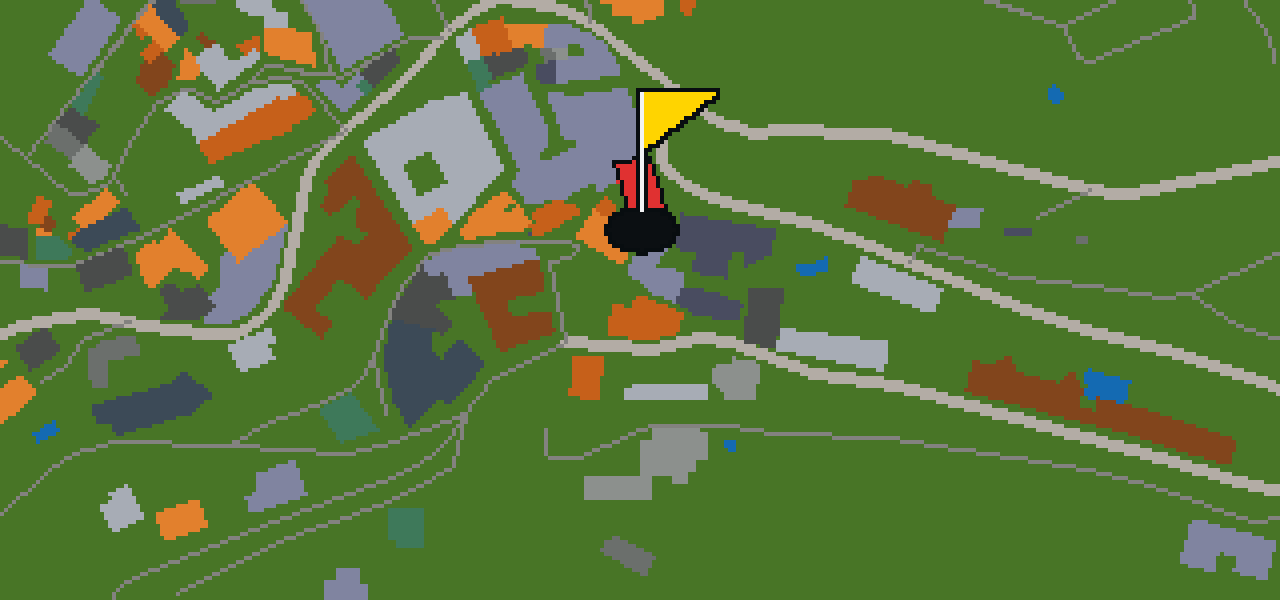
Museu Anjos Teixeira

You might expect another ornate palace in this part of Sintra, but you have found something different. The Museu Anjos Teixeira is a museum located within a dedicated building. It is a spot for those looking to step away from the larger crowds and see a different side of the town's cultural offerings. I can show you around this site, which had its inception in 1976. It provides a focused environment for visitors to appreciate the exhibits without the distractions of the more famous estates nearby. It is a quiet stop on your route through the city, offering a glimpse into a specific collection housed in a singular architectural space.

Wikidata

HOLE 4 - PAR 3

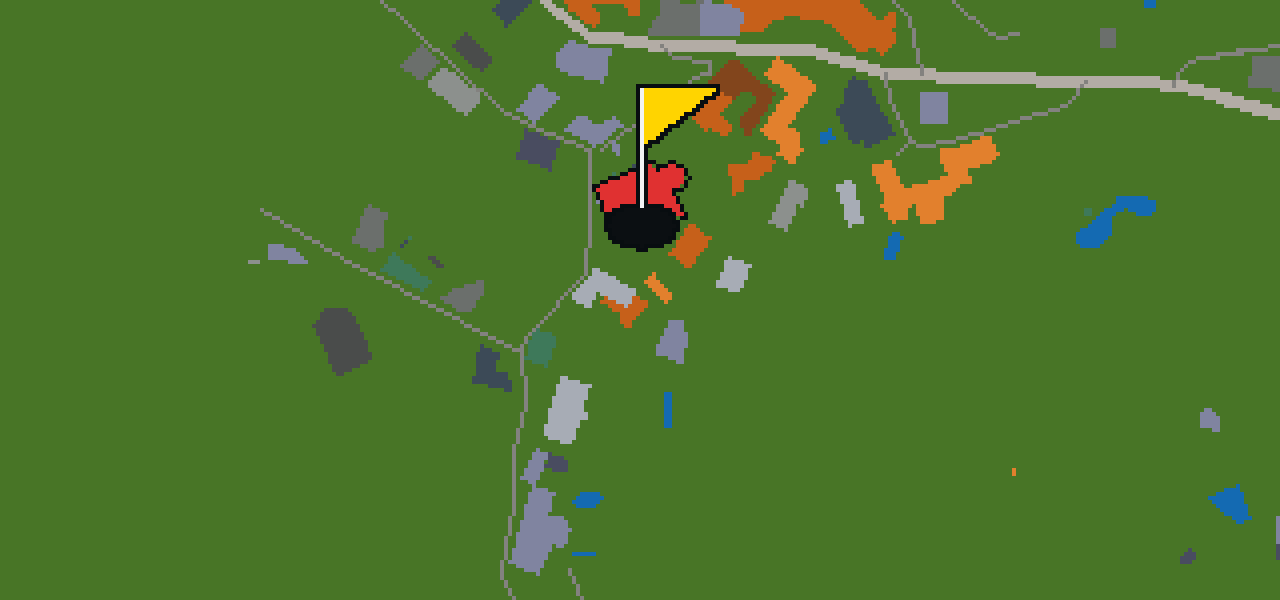
Museu Ferreira de Castro

Tucked into the town of Sintra, Portugal, you will find the Museu Ferreira de Castro. This museum is devoted to the life of José Maria Ferreira de Castro, who was a Portuguese journalist and writer. It is a great spot to stop and learn about his contributions to literature and news. The museum is run by the municipality of Sintra, and admission is free for all visitors. I've found that the lack of a ticket fee makes it a very easy addition to a day of exploring the city. Whether you are a fan of Portuguese letters or just looking for a quiet place to step inside, this site offers a focused look at a specific local legacy. It is one of those gems where you can simply walk in and discover the history of a writer without needing to plan a budget for the visit.

Wikidata · Wikipedia

HOLE 5 - PAR 3

Jardins de Seteais

Let me show you Jardins de Seteais, a garden that is also recognized as cultural heritage. This space is specifically categorized as Immovable Cultural Heritage of Public Interest, which tells you how the city values its preservation for future generations. Visitors can wander through the greenery and appreciate the historical weight of the grounds. I've found that the atmosphere here is quite different from the more crowded spots in town, making it a good place to slow your pace and breathe. Whether you are here to admire the plants or the official heritage status, it is a highlight of the local area. It is the kind of place where the layout speaks to its purpose as a sanctuary of culture and nature combined.

Wikidata

HOLE 6 - PAR 3

Palácio Biester

Palácio Biester is a house in Sintra, Portugal. Also known as Casa Biester or Chalet Biester, this large family building was designed primarily to be a summer home. It was designed by architects Luigi Manini and José Luís Monteiro. The property is surrounded by extensive exotic gardens, and the building itself overlooks the town. While it spent much of its history as a private residence, it has been open to visitors since 2022. I've seen a few fancy nests in my time, but the greenery around this place is something else. It is a great spot to see how the town looks from above while you take in the surrounding botanical variety.

Wikidata · Wikipedia

HOLE 7 - PAR 3

Palácio Nacional de Sintra

You will find the Palácio Nacional de Sintra right in the town of Sintra. This site is a National Monument of Portugal and currently operates as a historic house museum. When you look at the building, you can pick out a variety of architectural influences that define its look. The structure includes Moorish, Manueline, Gothic, and Mudéjar styles, making it a significant piece of cultural heritage in the Lisbon District of Portugal. I've always found the blend of these different styles to be one of the most interesting things about the place, as each era left its own mark on the walls. It is a great spot to see how different historical influences come together in one single building while you are exploring the area.

Wikidata · Wikipedia

HOLE 8 - PAR 3

Quinta da Regaleira

You might expect a typical palace, but Quinta da Regaleira is a sprawling estate that functions as a museum and park. Located in Sintra, this site was designed by the architect Luigi Manini. Its inception dates back to 1697, and you can pick out the distinct Gothic Revival and Neo-Manueline styles in the stonework. It is a place where architecture and nature blend together in a way that feels almost otherworldly. I've seen plenty of fancy gardens in my time, but the layout here is truly something else. Whether you are visiting for the history or the scenery, the estate offers a glimpse into a very specific vision of beauty and heritage. It is a great spot to wander if you have a few hours to spare.

Wikidata · Wikipedia

HOLE 9 - PAR 3

NewsMuseum

You will first notice a focus on the world of information at the NewsMuseum. This museum in Sintra, Portugal, is dedicated to news, media and communication. It was founded in 2016 and took inspiration from the Washington’s Newseum in the USA. The timing of its opening was very specific, as the museum was inaugurated in the first minutes of 25 April 2016. This inauguration event was attended by the President of the Portuguese Republic, Marcelo Rebelo de Sousa. It is a great spot to think about how we get our information while you are visiting the town. I find the displays here much more interesting than the usual news cycle, and it is a refreshing change of pace from the traditional palaces you will see around here.

Wikidata · Wikipedia

STOP 10

Igreja de Santa Maria

Located in Sintra, Portugal, Igreja de Santa Maria is a church that holds a place in the city's historical center. It is part of the Cultural Landscape of Sintra, which has been a World Heritage Site since 1995. The building is significant for representing the transition between Romanesque and Gothic styles of the mid-12th century. Visitors can observe the characteristics of Gothic architecture throughout the structure. It is officially recognized as a National Monument of Portugal. This status as a National Monument has been in place since 1922. The interior layout consists of three naves, which is a detail to notice when you enter the space. The church remains a key piece of the cultural heritage found within the region.

Wikidata · Wikipedia

OTHER COURSES

18 HOLES - PAR 55

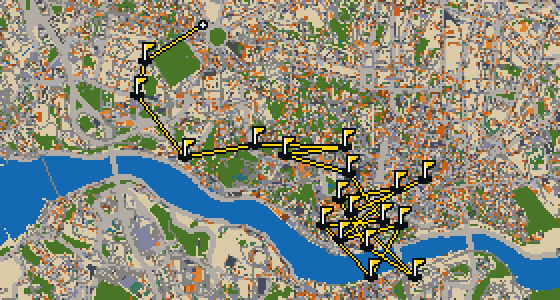
Porto

18 stops

This is Porto. The map is the real city and the round is played on its real streets, where attractions like the Casa da Música are the basis for the holes. Skip is a local guide who knows the place, including where to find the best crumbs. It is a full round of 18 holes with a par of 55. The walk covers 10.9 km and uses 46 portals to move across the map.

18 HOLES - PAR 52

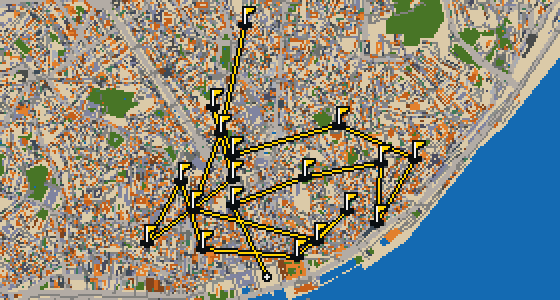
Lisbon

18 stops

This is Lisboa. The map is the real city and the round is played on its real streets, using actual attractions like the Praça do Comércio to build the holes. Skip is a local guide who knows every cobblestone and a few good crumbs. A full round of 18 holes covers 10.2 km with a par of 52. To keep the ball moving between distant districts, 48 portals provide a quick ride across the map.

9 HOLES - PAR 27

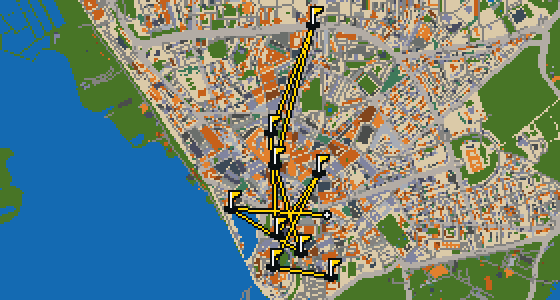
Faro

9 stops

Banking a ball off the white facades of Faro creates a clean, sharp game. The map is the real city and the round is played on its real streets, where attractions like the Igreja da Sé are the holes. Skip knows every cobblestone here. This quick round of 9 holes is a 5.1 km walk with a par of 27, using 2 portals to bridge the gaps.

9 HOLES - PAR 26

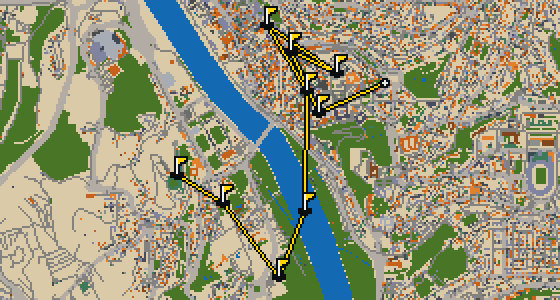
Coimbra

9 stops

This is a quick nine-hole round through Coimbra. The map is the real city and the ball rolls its actual streets, banking off the facades of attractions like the Universidade de Coimbra. Skip knows every corner of this place and is the local guide for a 4.8 km walk that uses 16 portals to bridge the gaps. A pigeon might find the elevation a bit much, but the landmarks make for great holes.

FAQ

Is it free to play?

Yes. Every course runs in the browser with no account and no install.

Do I need to be in the city?

No. The full round plays from anywhere. Walking the real route is a nice way to see the city, but it is not required.

Are the maps real?

Yes. The geometry comes from OpenStreetMap data, rendered chunky on purpose. Streets, water and parks sit where they really are.