
COPENHAGEN - 18 HOLES - FREE

COPENHAGEN
CITY MAP MINIGOLF

Copenhagen - 18 stops - par 53

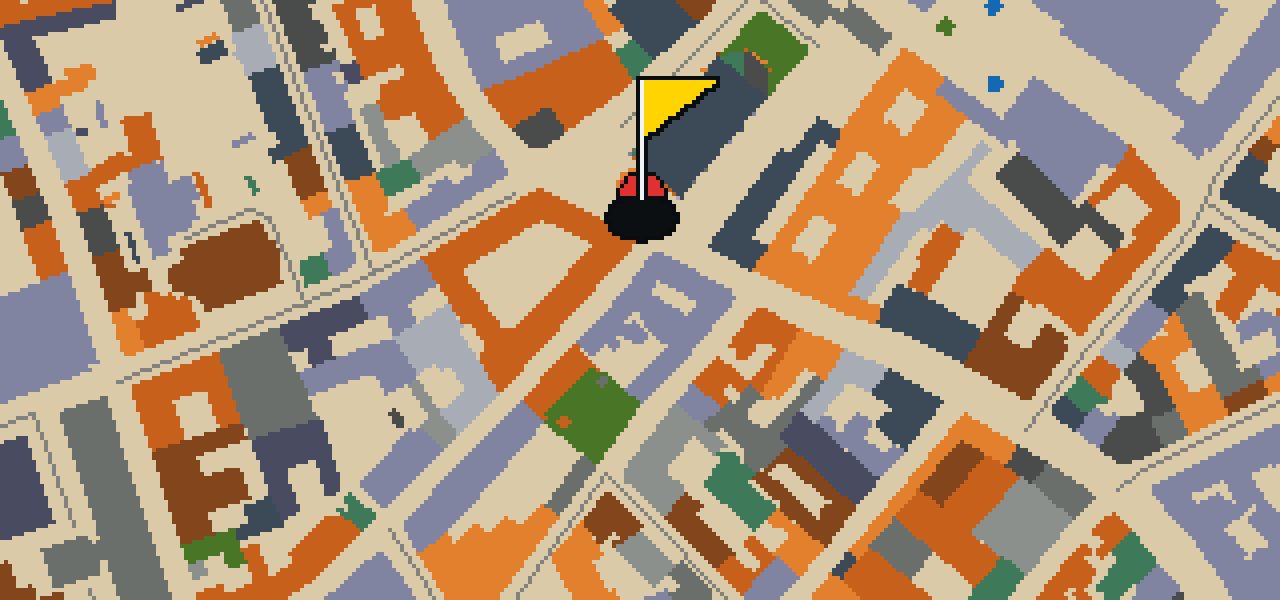
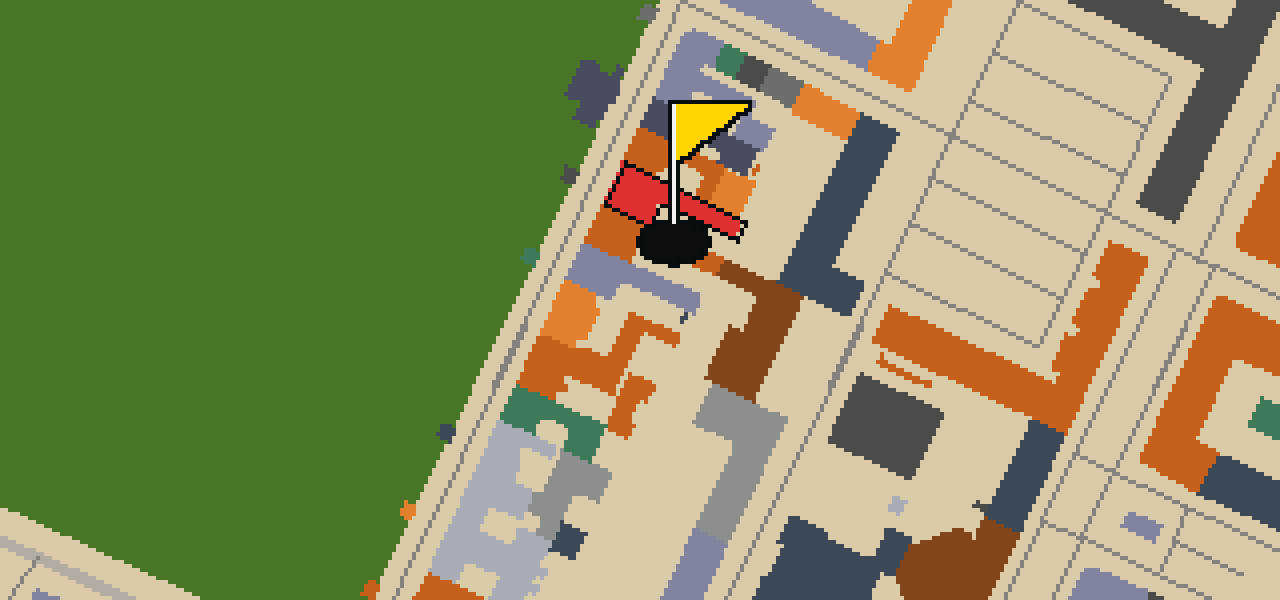
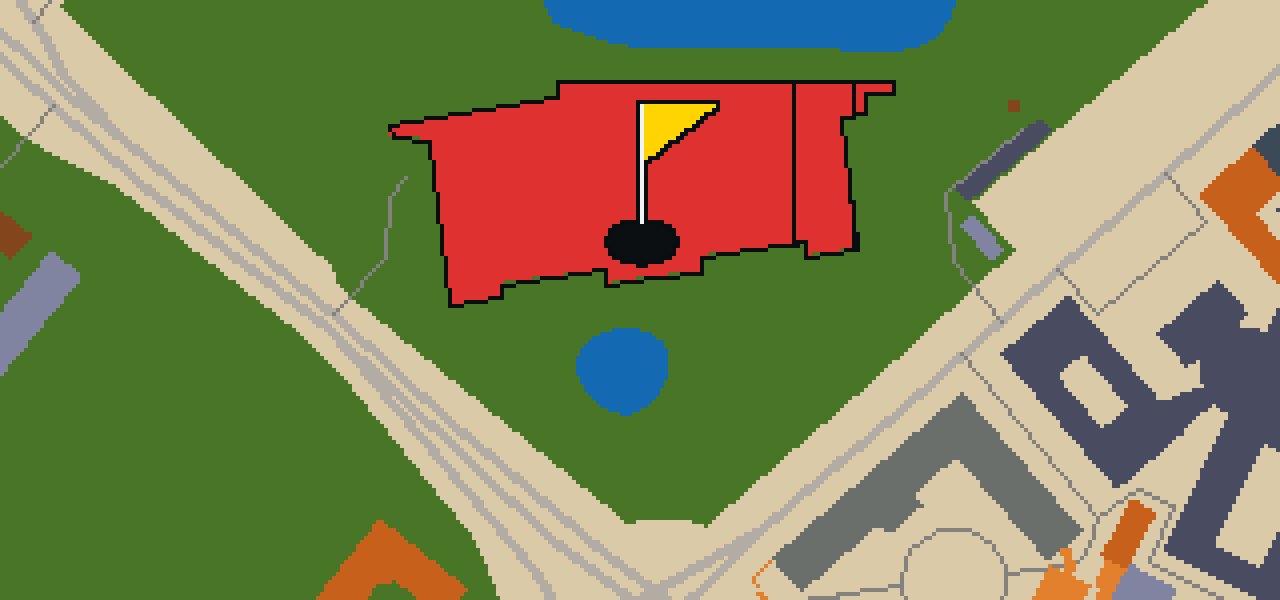
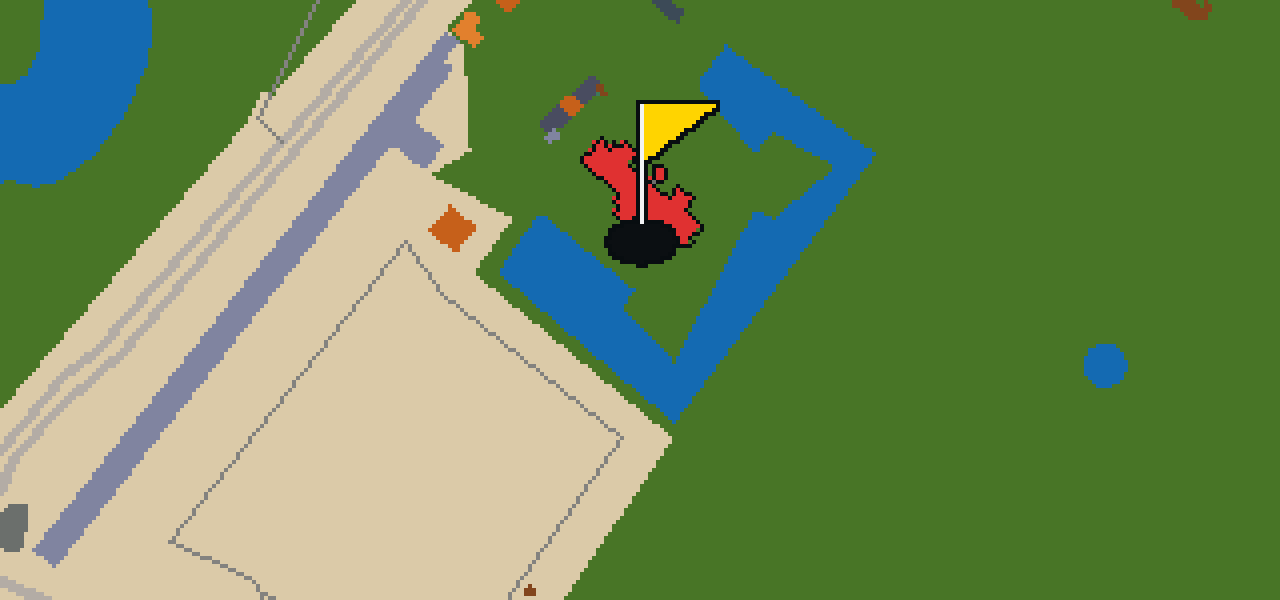
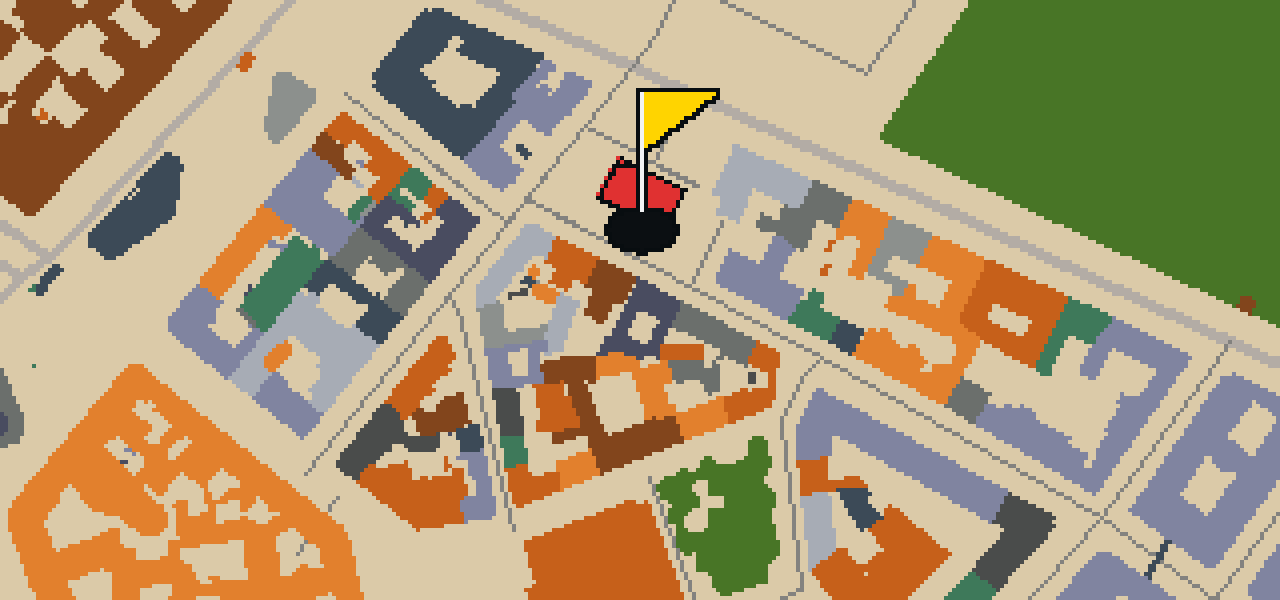
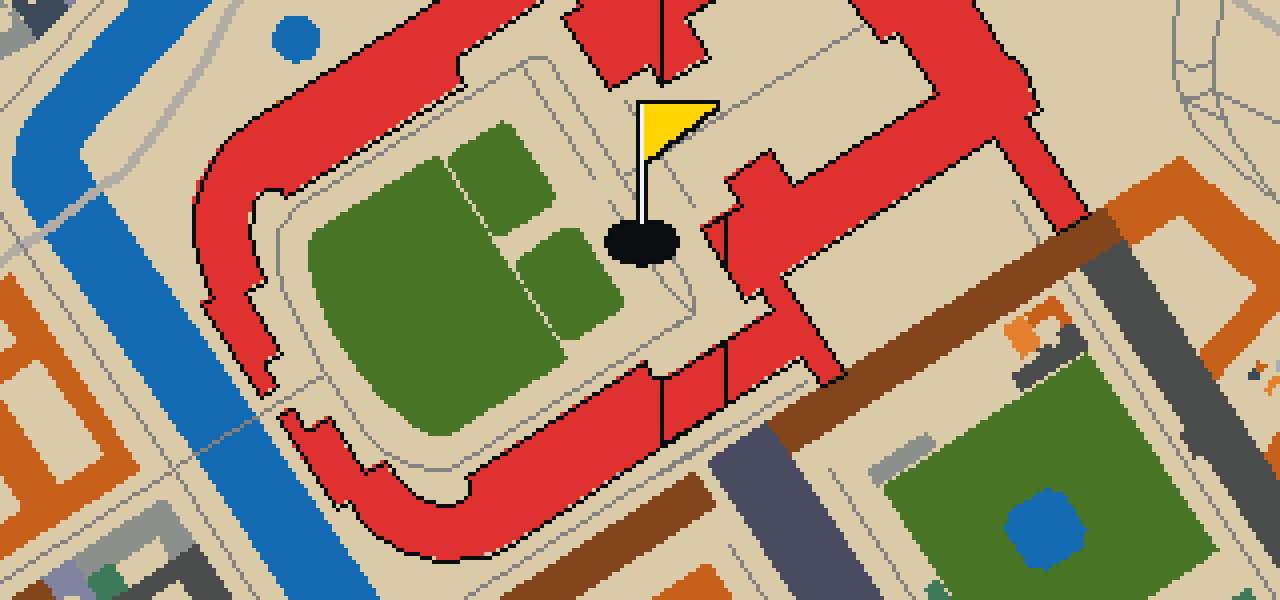
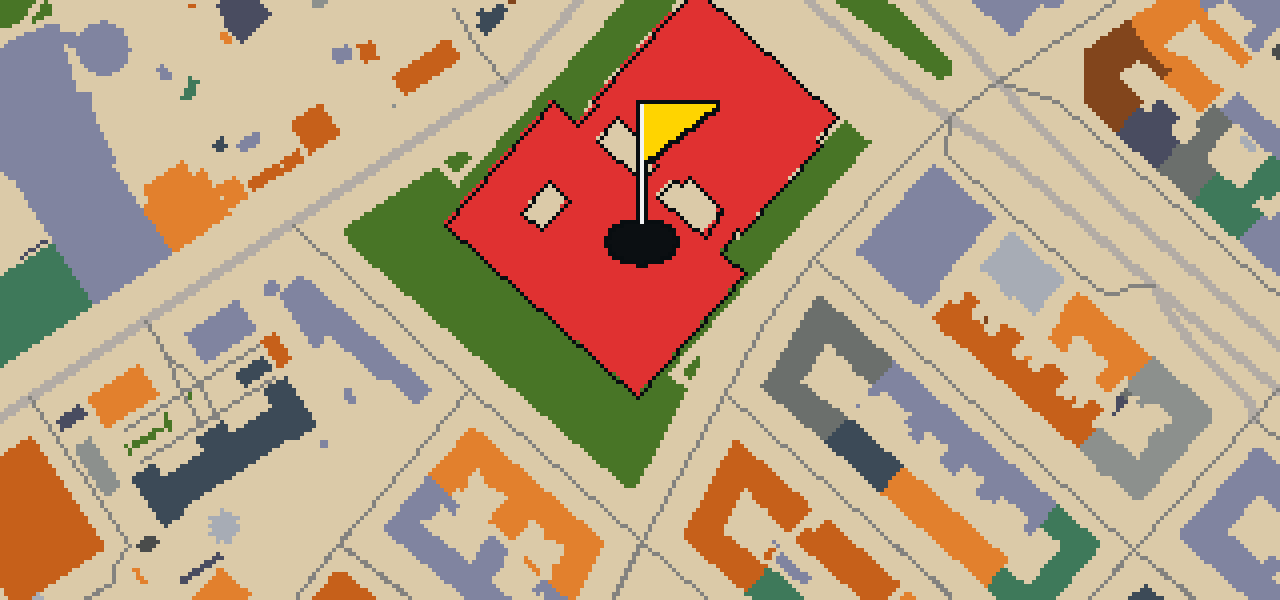
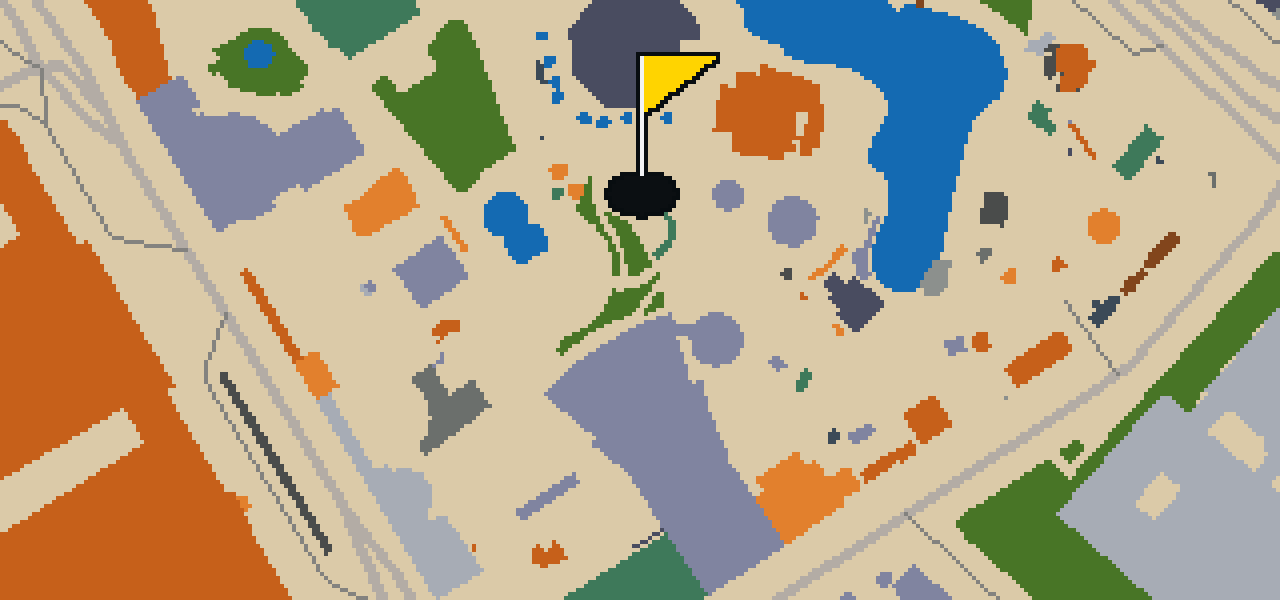
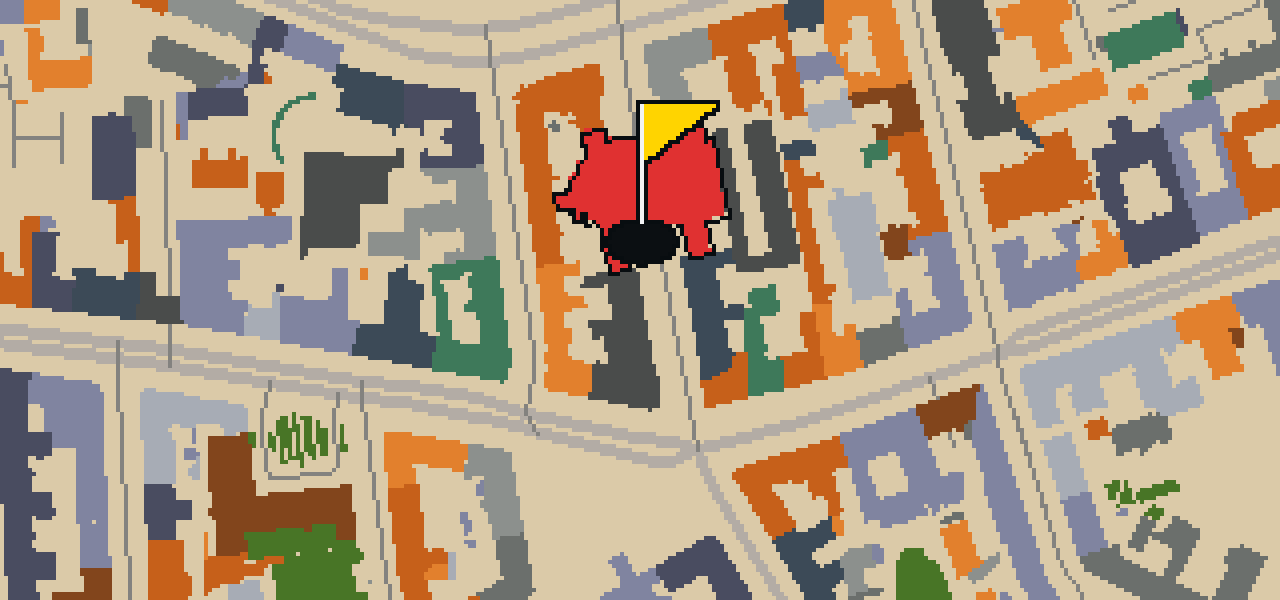
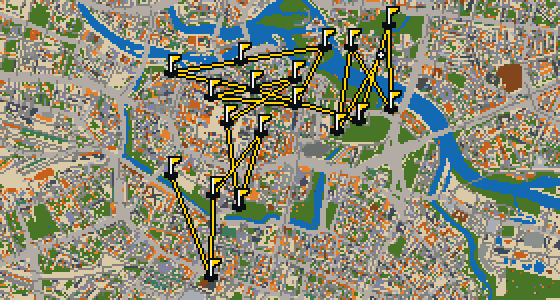
From a perch on the eaves, København looks like a grid of clean lines and salted air. The map is the real city, and the round is played on its actual streets, using attractions like Tivoli as the basis for the holes. This full round of 18 holes covers 10.6 km with a par of 53, using 54 portals to bridge the gaps. Skip knows every cobblestone here, even the ones where a stray crumb might be hiding.

Trouble loading? Open the game in its own tab.

HOW IT WORKS

01

Pick a city

The course is drawn on the real street grid, so the map you play is the map you walk.

02

Putt to the pin

Drag to aim, release to swing. Buildings bounce and water costs you a stroke.

03

Sightsee between strokes

Every hole ends at an attraction. Sink the putt, read the story, walk to the next tee.

THE COPENHAGEN ROUND - STOP BY STOP

HOLE 1 - PAR 2

Den lille Havfrue

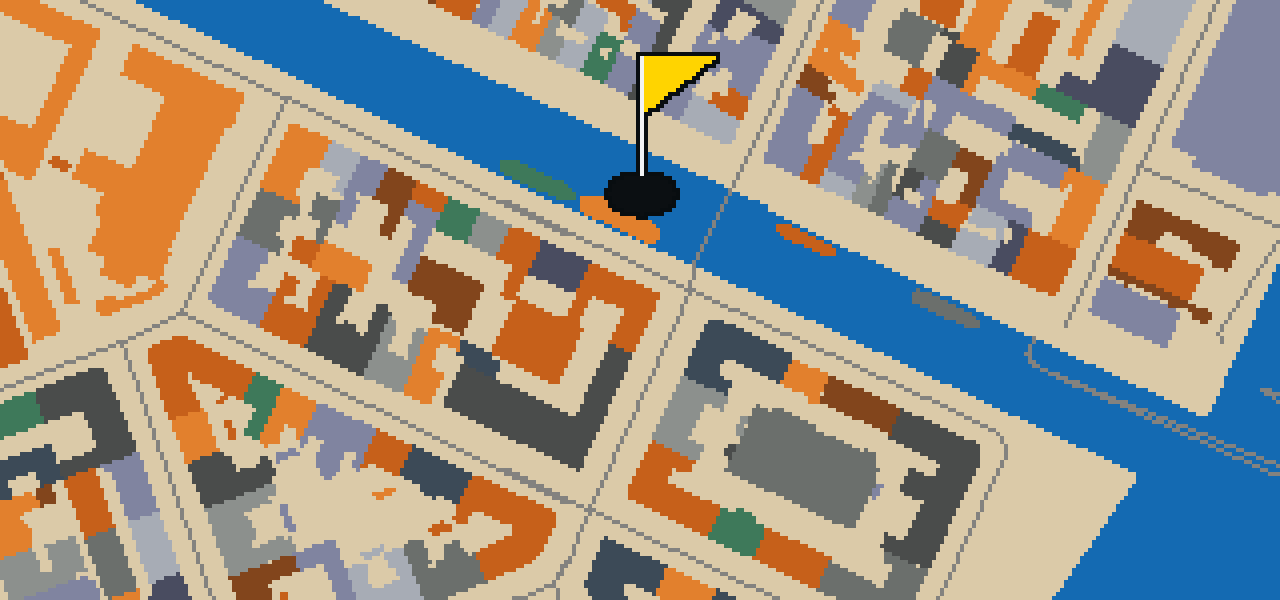
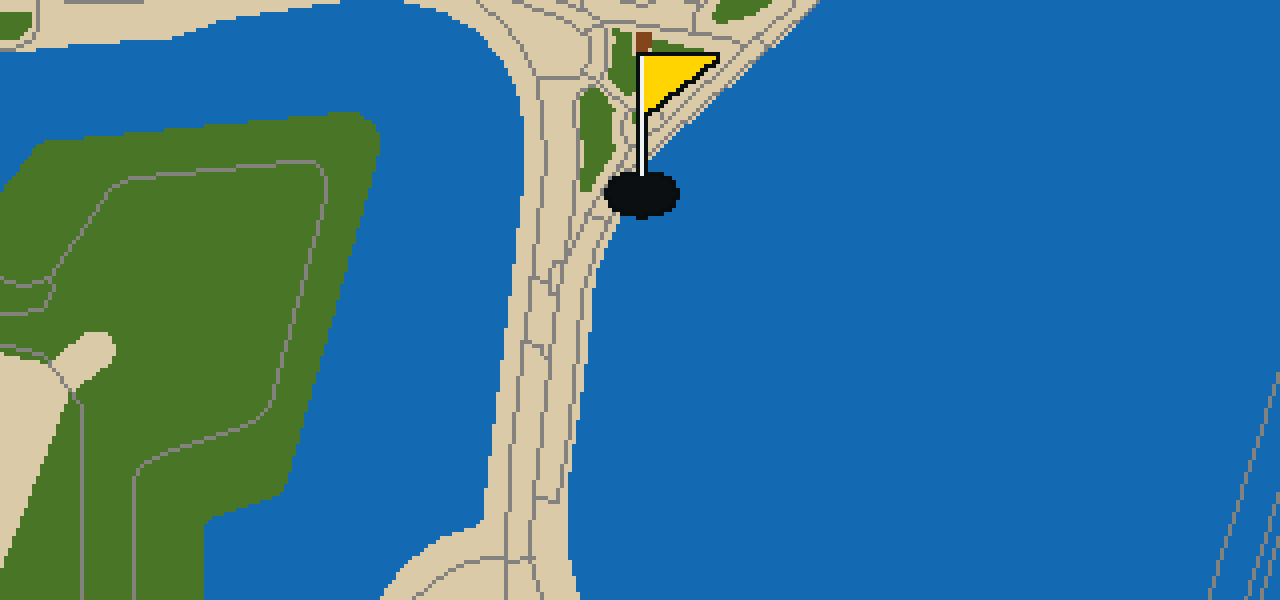
Let me show you Den lille Havfrue. This sculpture is displayed on a rock by the waterside at the Langelinie promenade in Copenhagen, Denmark. It is a bronze statue by Edvard Eriksen that was created in 1913. You can pick out the small scale of the figure, as the statue is 1.25 metres tall and weighs 175 kilograms. I have noticed it is a popular spot for a stroll along the water, where the bronze blends in with the coastal scenery. It is a small point of interest that draws many visitors to this specific part of the promenade.

Wikidata · Wikipedia

HOLE 2 - PAR 3

Kastellet

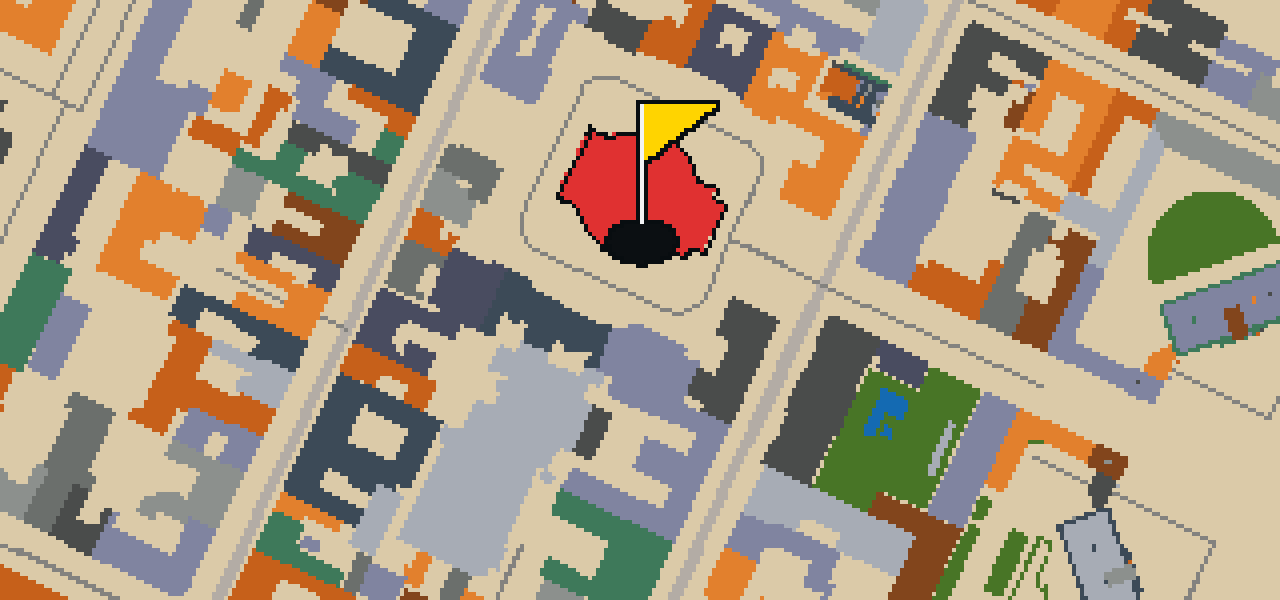
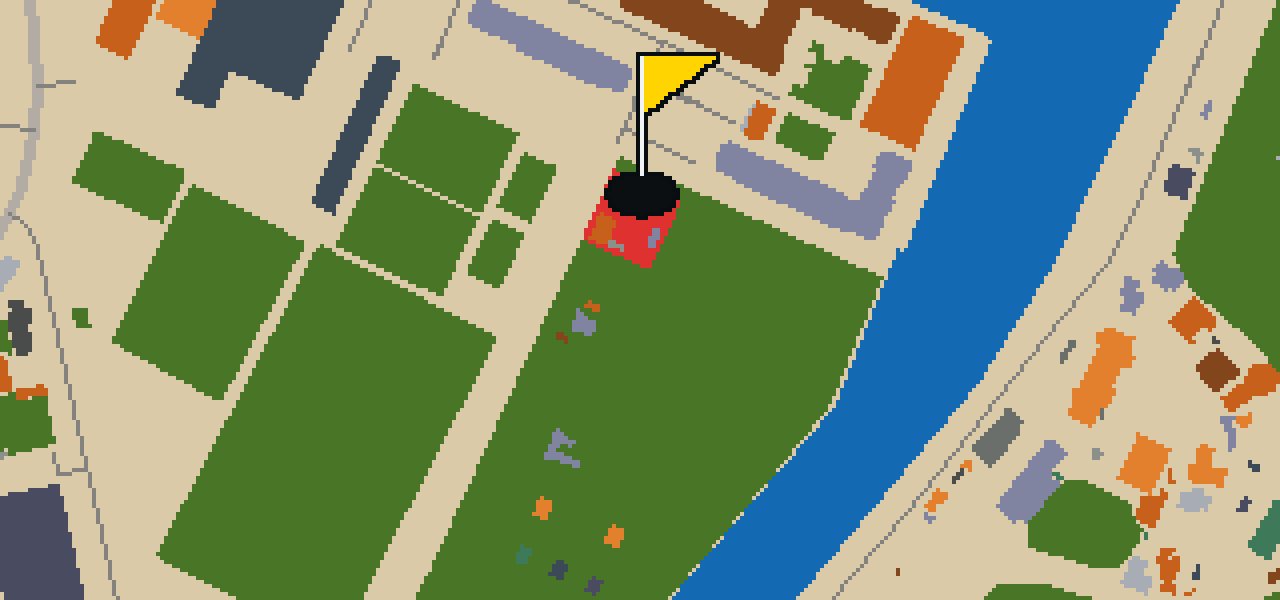
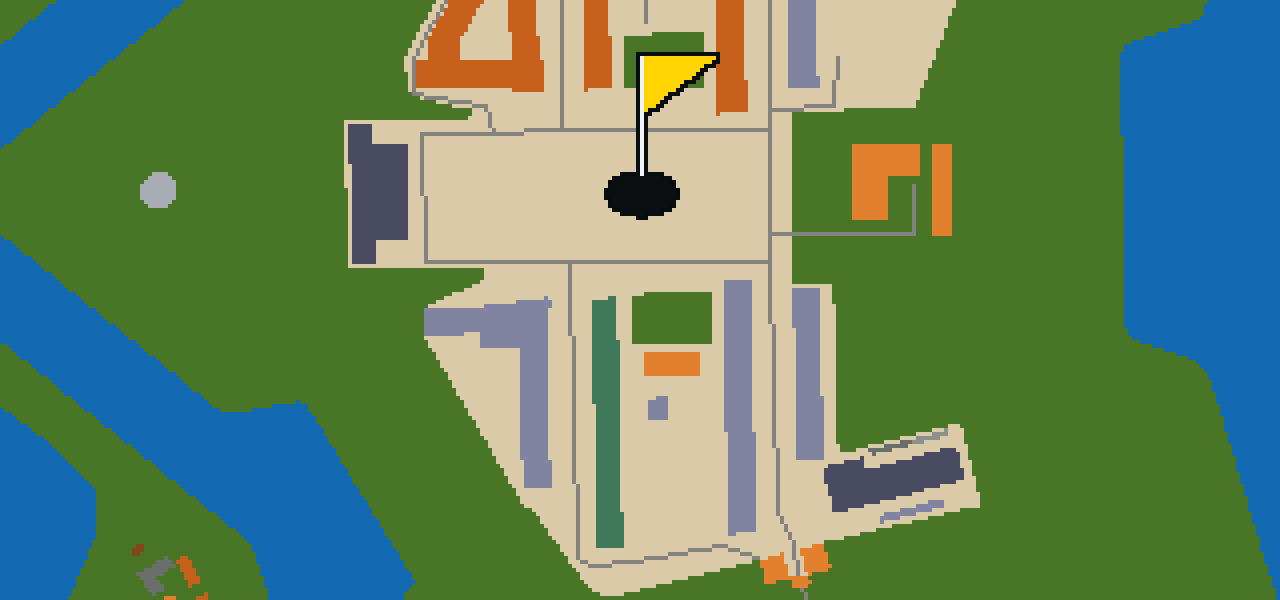
Let me show you Kastellet. This Copenhagen citadel was started in 1662 and is built in the Baroque style. You can pick out how it is constructed as a star fort, taking the form of a pentagon with bastions at its corners. It is a protected ancient monument in Denmark and is listed as a monument on the Kulturstyrelsen register. I usually find the geometric lines of the walls a great place to get my bearings, and the open layout makes it a wonderful spot for a stroll through the city's history.

Wikidata · Wikipedia

HOLE 3 - PAR 3

Marmorkirken

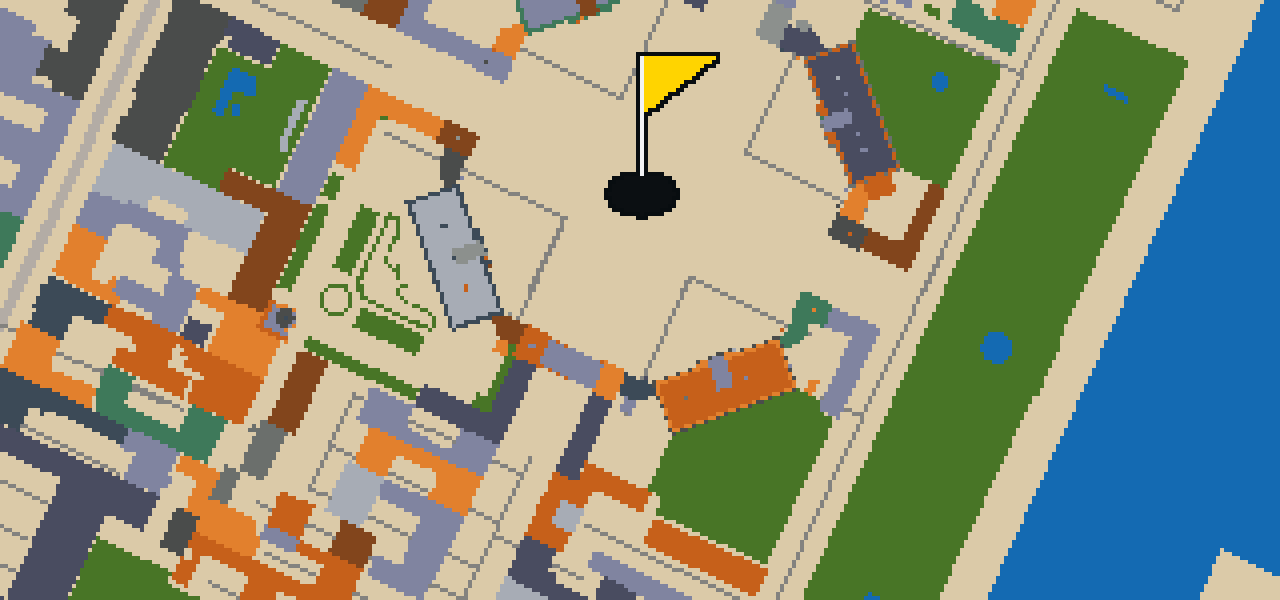
Located due west of Amalienborg Palace, Marmorkirken is a church building in Copenhagen. Also known as Frederik's Church, it is an Evangelical Lutheran church. The building's style includes baroque architecture and Rococo. Its inception was in 1749, and the project involved the work of architects Nicolai Eigtved and Ferdinand Meldahl. This site is a significant landmark for those visiting the area around the palace, offering a clear example of how these architectural styles were applied to a religious space in Denmark.

Wikidata · Wikipedia

HOLE 4 - PAR 3

Nyhavn

This isn't just a quiet street, but a vibrant 17th-century waterfront, canal and entertainment district in Copenhagen, Denmark. It is a historic district and tourist attraction lined by brightly coloured 17th and early 18th century townhouses, along with various bars, cafes and restaurants. The area stretches from Kongens Nytorv to the Inner Harbour just south of the Royal Playhouse, and the canal harbours many historical wooden ships. I've always found the colours of the buildings quite striking from the air.

Wikidata · Wikipedia

HOLE 5 - PAR 3

Amalienborg

Let me show you Amalienborg, a royal palace and museum building designed by Nicolai Eigtved. Built in the Rococo style, the complex consists of four identical Classical façades laid around an octagonal courtyard. You can pick out an equestrian statue of Frederick V at the centre. Today, this site is the official residence for the Danish royal family and is listed as a monument on the Kulturstyrelsen register. It is also a Tentative World Heritage Site. I've always found the symmetry of those four buildings quite satisfying to look at from above.

Wikidata · Wikipedia

HOLE 6 - PAR 3

Operaen

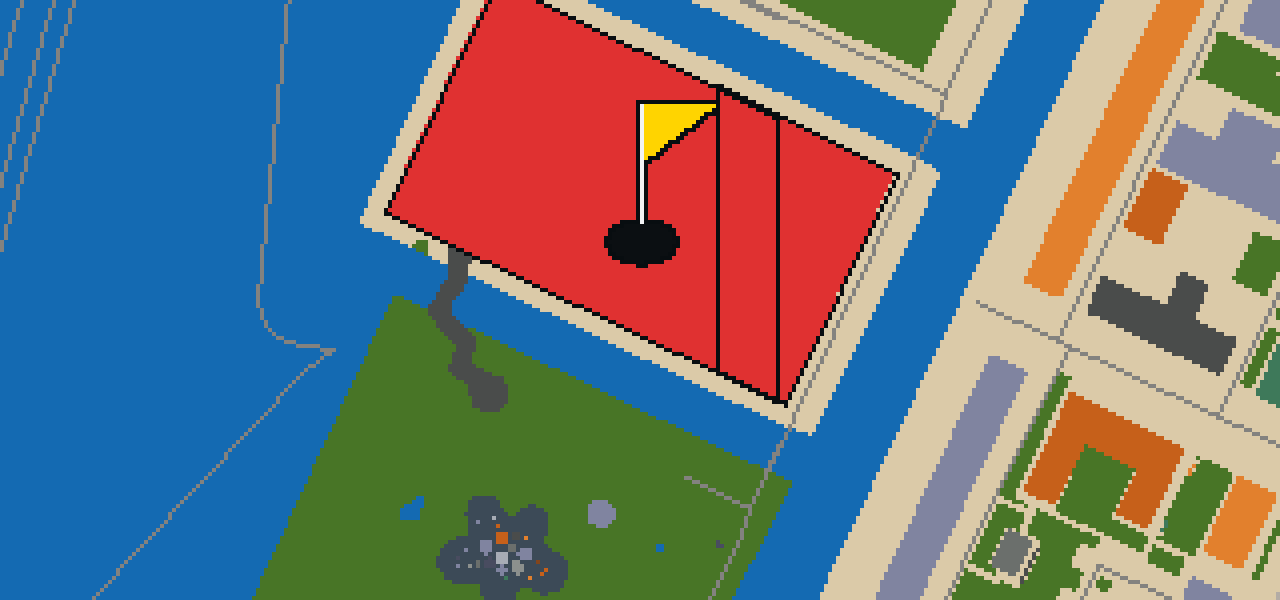
Let me show you Operaen, which is located on the island of Holmen in central Copenhagen. This building is the national opera house of Denmark and is designed in the neo-futurism style. Architect Henning Larsen is the person behind the design, and the opera house's inception was in 2005. It cost 2.5 billion DKK to build. I've found that the sleek lines of the building make it a great landmark to spot from the water, especially when you are gliding past the harbor toward the center of the city.

Wikidata · Wikipedia

HOLE 7 - PAR 4

Christiania

Let me show you Christiania, a neighborhood in Copenhagen's Christianshavn area. It is a shanty town, an intentional community, and a commune that also identifies as a micronation. The area began in 1971 as a squatted military base. While walking through, you can pick out Pusher Street, which was famous for its open illegal trade of cannabis until 2024. It is a place where the streets feel different from the rest of the city. I usually keep a close eye on the crumbs here, but the eclectic buildings are the real draw.

Wikidata · Wikipedia

HOLE 8 - PAR 3

Charlottenborg Slot

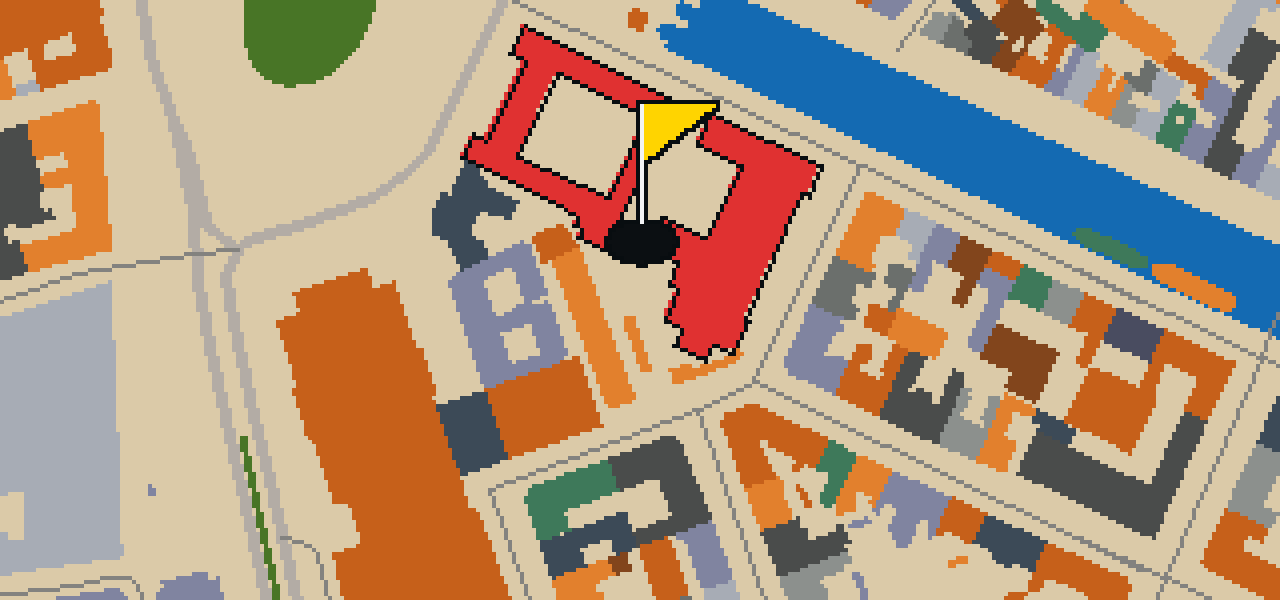
Charlottenborg Slot is a palace in the baroque architecture style, designed by architect Ewert Janssen and started in 1677. You can find it on the corner of Kongens Nytorv and Nyhavn in Copenhagen. While it began as a residence, it has served as the base of the Royal Danish Academy of Fine Arts since its foundation in 1754. Today, the building houses Danmarks Kunstbibliotek and Kunsthal Charlottenborg. I always find the area around this corner to be one of the best spots for people-watching.

Wikidata · Wikipedia

HOLE 9 - PAR 3

Børsen

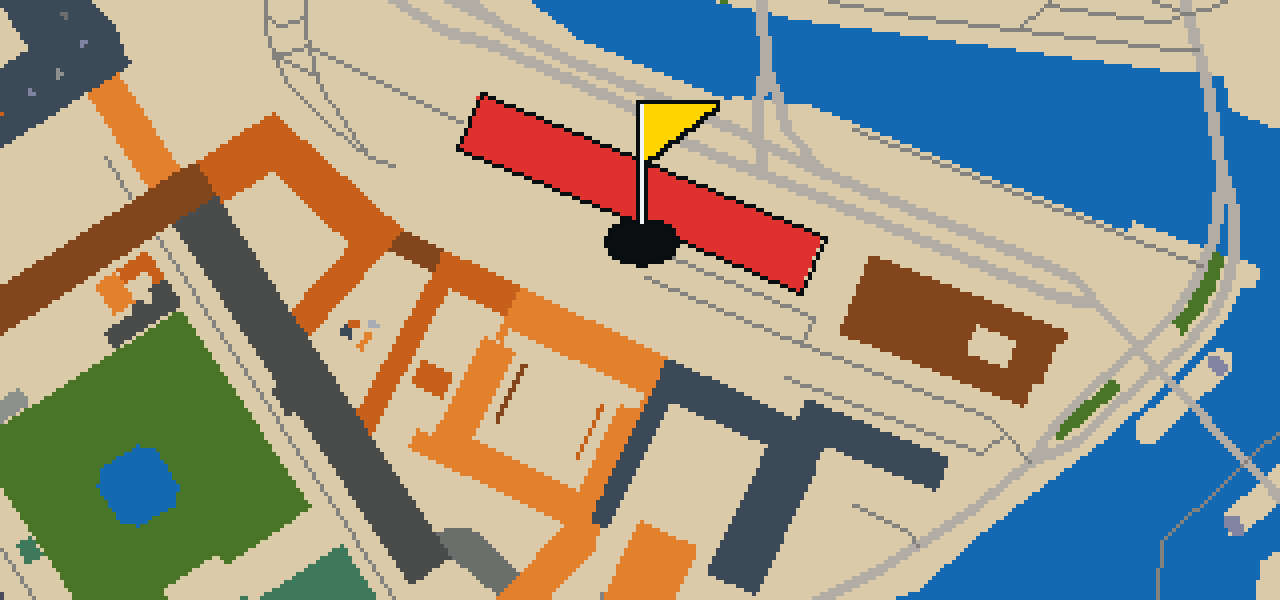
Børsen is an office building in Copenhagen. It is a monument on the Kulturstyrelsen register and was designed by architects Hans van Steenwinckel the Younger and Lorenz van Steenwinckel. Its inception was in 1640, and the building is designed in the Northern Renaissance style. Reaching a height of 56 meters, it is located on the island of Slotsholmen next to Christiansborg Palace. It functioned as a 17th-century commodity bourse and later as a stock exchange. I always think the height makes it a great landmark for spotting where you are in the city center.

Wikidata · Wikipedia

HOLE 10 - PAR 3

Nationalmuseet

Founded in 1849, the Nationalmuseet is a national museum and a museum of culture. You can find its main building in the center of Copenhagen, situated a short distance from Strøget. It is Denmark's largest museum of cultural history and attracts 1,157,731 annual visitors. I've noticed the crowds are always moving, but there is plenty of room for everyone to see how the museum sponsors SILA, the Greenland Research Center at the National Museum of Denmark. It is a great spot to see the breadth of the country's history in one place.

Wikidata · Wikipedia

HOLE 11 - PAR 3

Rundetårn

Hans van Steenwinckel the Younger was the architect behind Rundetårn. This baroque building began in 1642 and now serves as an observation tower, museum, and astronomical observatory. Instead of stairs, you can walk up a helical corridor that turns 7.5 times to reach the platform at the top. It is a popular spot that sees 580,000 annual visitors. I have seen plenty of tourists get a bit dizzy on those curves, but the view from the summit is always worth the effort.

Wikidata · Wikipedia

HOLE 12 - PAR 3

Davids Samling

Davids Samling is an art museum in Copenhagen, Denmark, built around the private collections of C. L. David. The museum building is located at Kronprinsessegade 30. C. N. David bought the building in 1810, and it was sold again in 1830. C. L. David later re-acquired the building in 1917. The architect of Davids Samling is Jørgen Henrich Rawert, and the institution was founded in 1948. I always find the street layout here a bit tricky to navigate, but the building itself is a steady landmark.

Wikidata · Wikipedia

HOLE 13 - PAR 2

SMK - Statens Museum for Kunst

Founded in 1896, SMK - Statens Museum for Kunst is a national gallery that has become a central part of the city. You can pick out the Renaissance Revival architecture style of the building, which was designed by architect Vilhelm Dahlerup. The National Gallery of Denmark is located in the centre of Copenhagen, making it an easy stop for anyone exploring the area. Since its opening, it has grown in popularity and now sees 424,710 annual visitors. I've noticed the crowds usually keep the energy high around the entrance.

Wikidata · Wikipedia

HOLE 14 - PAR 2

Rosenborg Slot

Located in Copenhagen, Denmark, Rosenborg Slot is a palace and a museum. It is a monument on the Kulturstyrelsen register and is built in the Renaissance architecture style. Work on the palace started in 1606, and it evolved into its present condition by the year 1624. Hans van Steenwinckel the Younger is an architect of the building, while Bertel Lange is associated with the structural planning of the castle. I always find the architecture here quite striking when I'm gliding over the gardens.

Wikidata · Wikipedia

HOLE 15 - PAR 4

Den Tyske Reformerte Kirke

Queen Charlotte Amalie instigated the creation of Den Tyske Reformerte Kirke. This church building is used by the reformed congregations in Copenhagen, Denmark. You can pick out the baroque architecture style as you find the building on Gothersgade, opposite Rosenborg Castle. The church was started and consecrated in 1689. While it is a lasting part of the city today, the building was damaged in the Copenhagen Fire of 1728. Following that event, the church was restored in 1730.

Wikidata · Wikipedia

HOLE 16 - PAR 3

Christiansborg Slot

Christiansborg Slot is a palace and a building of public administration. Designed by architect Elias David Häusser in the baroque architecture style, its inception was in 1740. You can find it located on the islet of Slotsholmen in central Copenhagen, Denmark. It is a significant hub of governance, as the building is the seat of the Danish Parliament, the Danish Prime Minister's Office, and the Supreme Court of Denmark. I've found the views from this part of the city to be quite something.

Wikidata · Wikipedia

HOLE 17 - PAR 2

Ny Carlsberg Glyptotek

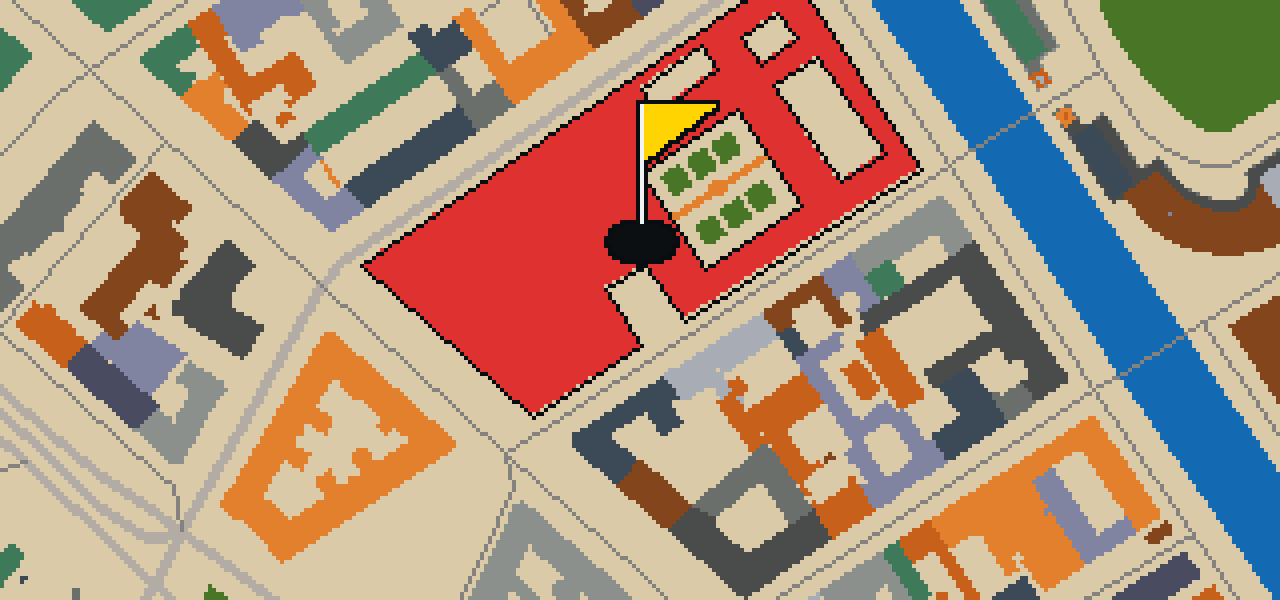
The Ny Carlsberg Glyptotek is an art museum in Copenhagen, Denmark. It is a glyptotheque that represents the private art collection of Carl Jacobsen, who lived from 1842 to 1914. Vilhelm Dahlerup was the architect of the building, which was founded in 1882. Today, the site is a monument on the Kulturstyrelsen register and attracts 514,608 annual visitors. I have noticed that the scale of the place makes it easy to lose track of time while you are admiring the exhibits. It is a wonderful spot to spend an afternoon away from the busy streets.

Wikidata · Wikipedia

HOLE 18 - PAR 4

Tivoli

Let me show you Tivoli, a pleasure garden and amusement park located in Copenhagen, Denmark. It opened on 15 August 1843, making it the second-oldest operating amusement park in the world. Whether you are here for the history or the rides, you can pick out the scale of its popularity by the 4,031,000 annual visitors who pass through the gates. I have found that the crowds make for some very interesting people-watching from the rooftops, where the view of the park is best. It is a wonderful place to spend an afternoon wandering through the greenery.

Wikidata · Wikipedia

STOP 19

Det Ny Teater

This theatre building is designed in the Art Nouveau architecture style. L.P. Gudme and Ludvig Andersen were architects for the project, which first opened in 1908. Located in Copenhagen, Denmark, it sits on the border between Vesterbro and Frederiksberg. You can pick out how the building spans a passage between Vesterbrogade and Gammel Kongevej, making it a prominent landmark for anyone navigating the area. I've always found the way the streets flow around the building to be quite interesting, especially since it bridges two distinct neighborhoods. It is a great spot to admire the specific architectural details of the era while you are out and about.

Wikidata · Wikipedia

OTHER COURSES

18 HOLES - PAR 57

Zurich

18 stops

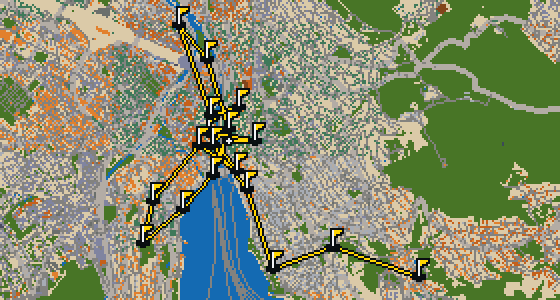
This is a full 18-hole round through Zürich. The map follows the real city, with the ball rolling across actual streets and banking off building facades. Real attractions like the Grossmünster are what the holes are built from. Skip knows every corner of this place, though a pigeon mostly cares about the crumbs. The walk covers 12.4 km and uses 70 portals to bridge the gaps between distant landmarks.

18 HOLES - PAR 52

Zagreb

18 stops

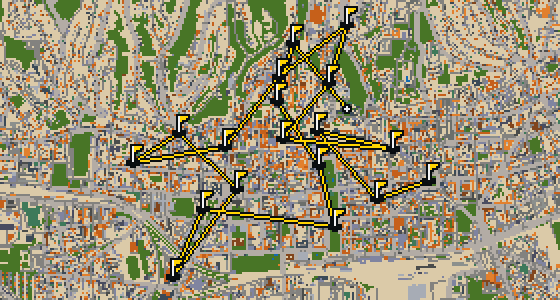
This is a full round of 18 holes through Zagreb. The map follows the real city, with the ball rolling across actual streets and banking off building facades. Real attractions like the bazilika Presvetog Srca Isusova form the holes. Skip knows these pavements well, even the bits where the crumbs are best. The walk covers 10.2 km and uses 40 portals to bridge the gaps between distant parts of the city.

18 HOLES - PAR 55

York

18 stops

This is a full eighteen-hole round through York. The map is the real city and the ball rolls along its actual streets, banking off the stone of the York Minster. Real attractions provide the structure for every hole. Six portals help move the ball across the 6.9 mi walk. Skip is a local guide who knows these alleys and bars by heart, provided there are no crumbs to distract him.

18 HOLES - PAR 54

Wrocław

18 stops

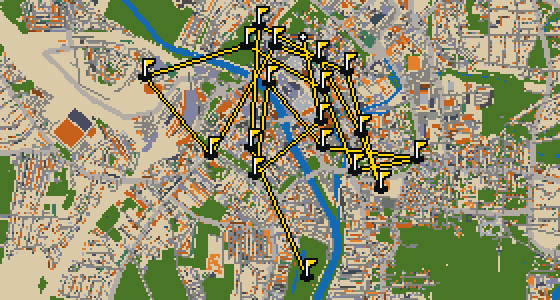
Wrocław is the setting for this round, where the map is the real city and the ball rolls across its actual streets. The holes are built from real attractions, starting at the Archikatedra Świętego Jana Chrzciciela. Skip is a local guide who knows the place and where the best crumbs are hidden. This full round of 18 holes has a par of 54 and covers a walk of 10.2 km, with 28 portals to help the ball skip across the map.

9 HOLES - PAR 26

Warsaw

9 stops

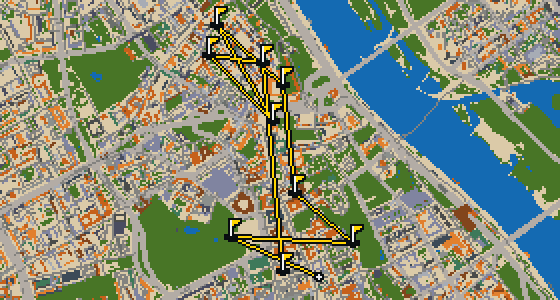
This is Warszawa, where the map is the real city and the round is played on its actual streets. The holes are built from real attractions, starting at Religijne Towarzystwo Przyjaciół w Polsce. This quick 9-hole round covers 4.9 km with a par of 26, using 78 portals to bridge the gaps. Skip knows these sidewalks well enough to find the best banks.

FAQ

Is it free to play?

Yes. Every course runs in the browser with no account and no install.

Do I need to be in the city?

No. The full round plays from anywhere. Walking the real route is a nice way to see the city, but it is not required.

Are the maps real?

Yes. The geometry comes from OpenStreetMap data, rendered chunky on purpose. Streets, water and parks sit where they really are.