
GENEVA - 18 HOLES - FREE

GENEVA
CITY MAP MINIGOLF

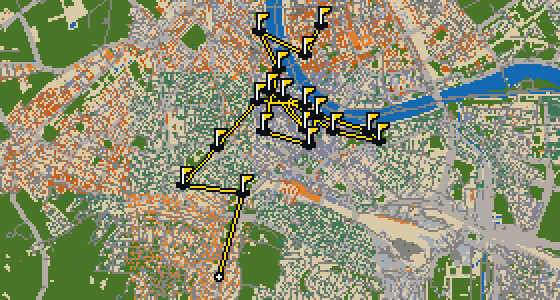
Geneva - 18 stops - par 58

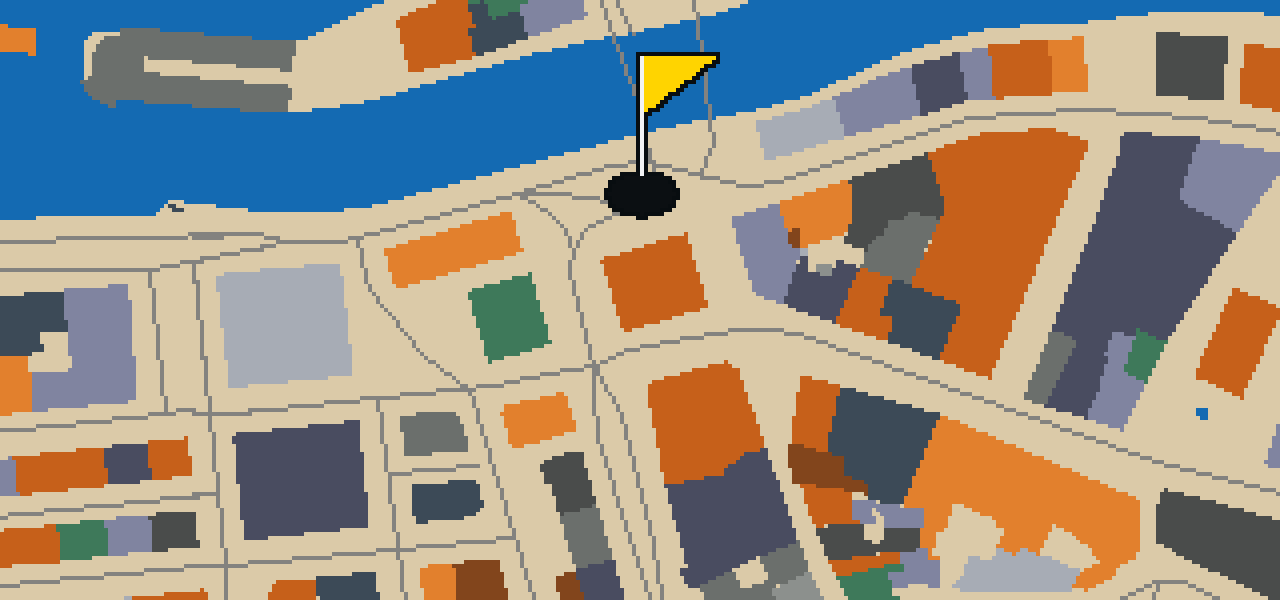
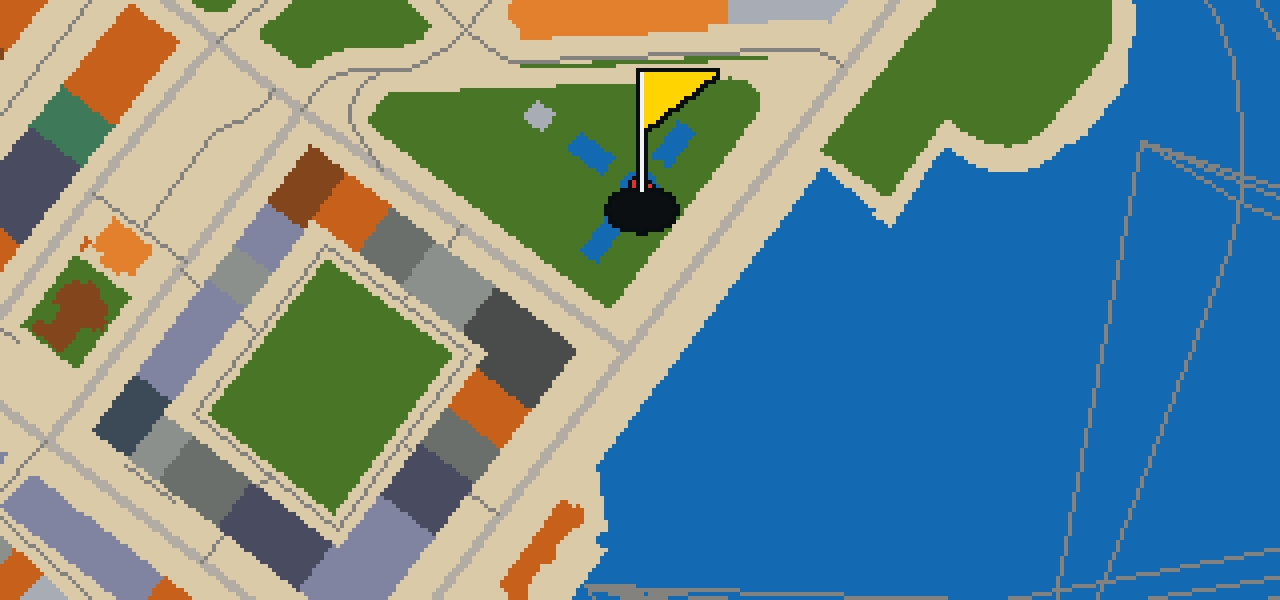
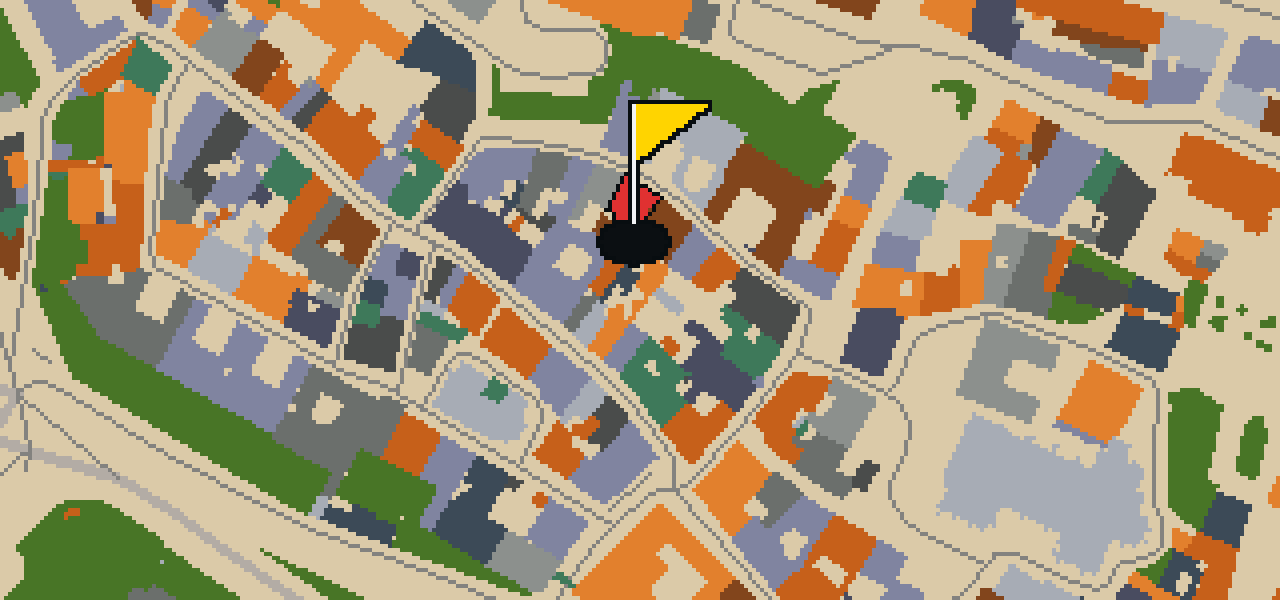
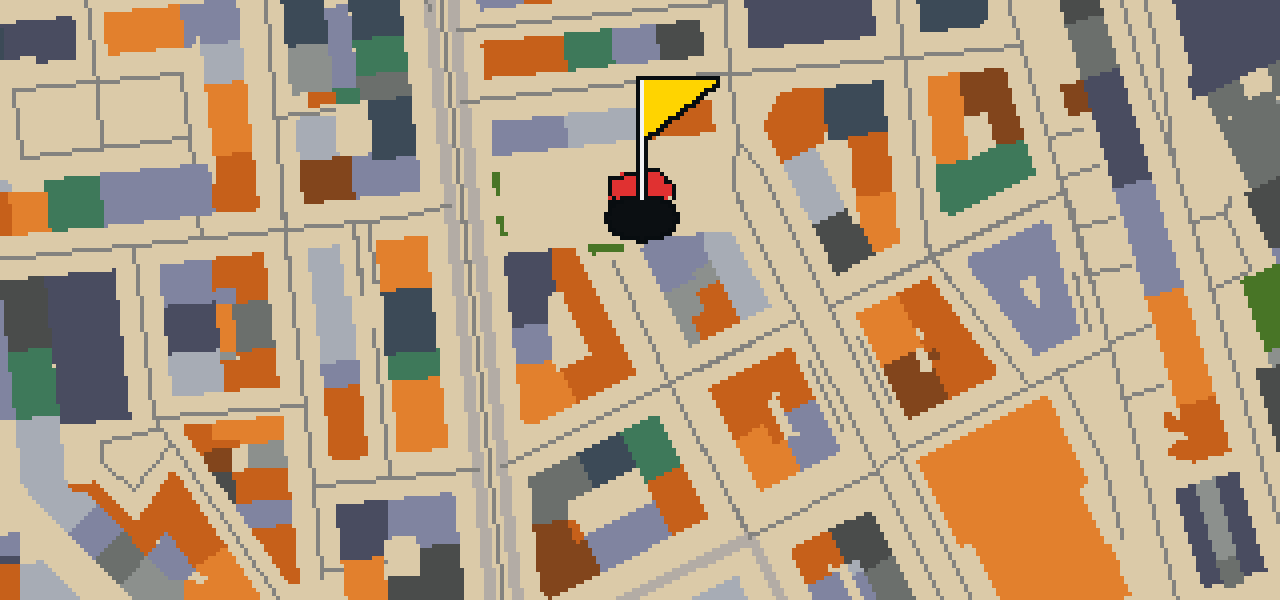
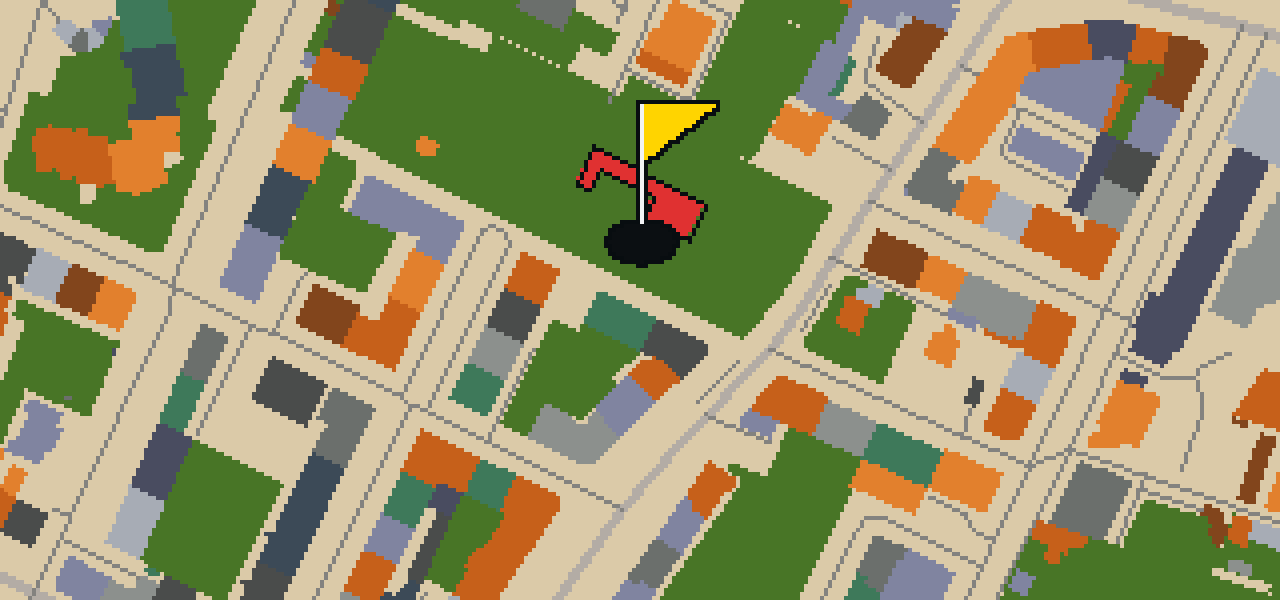
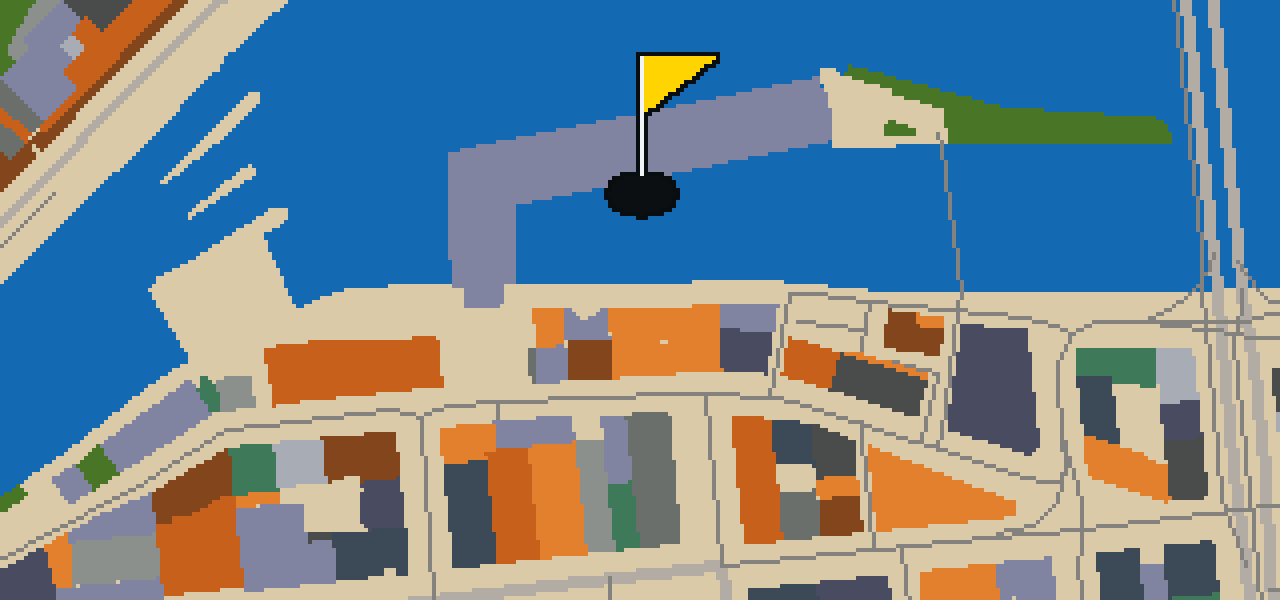
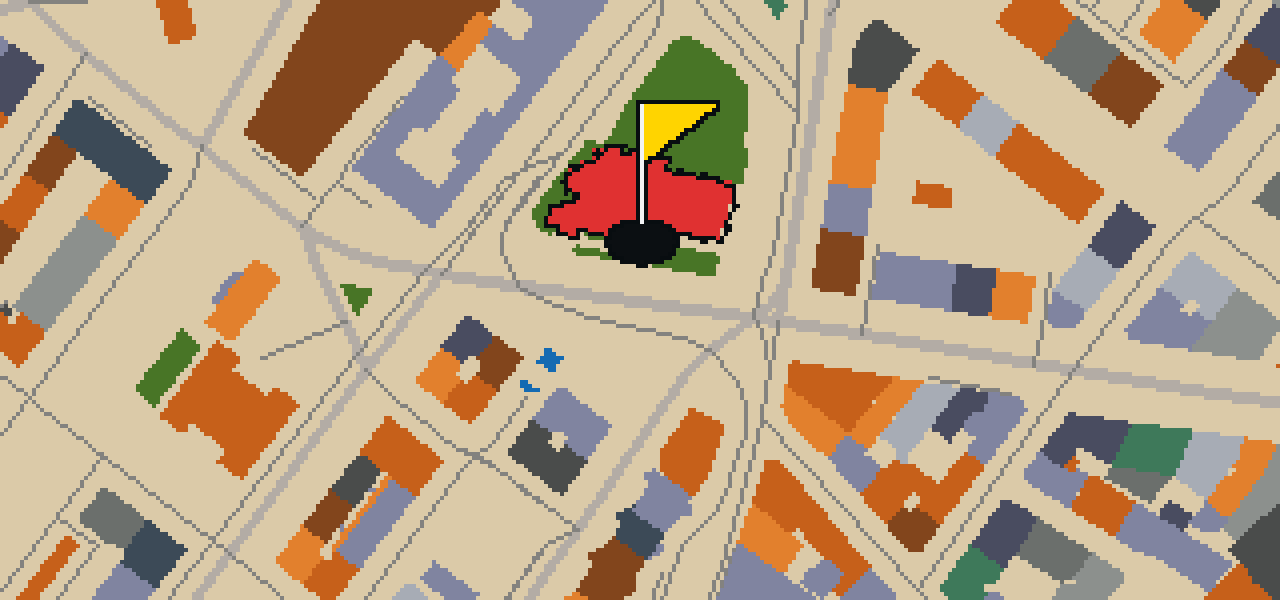
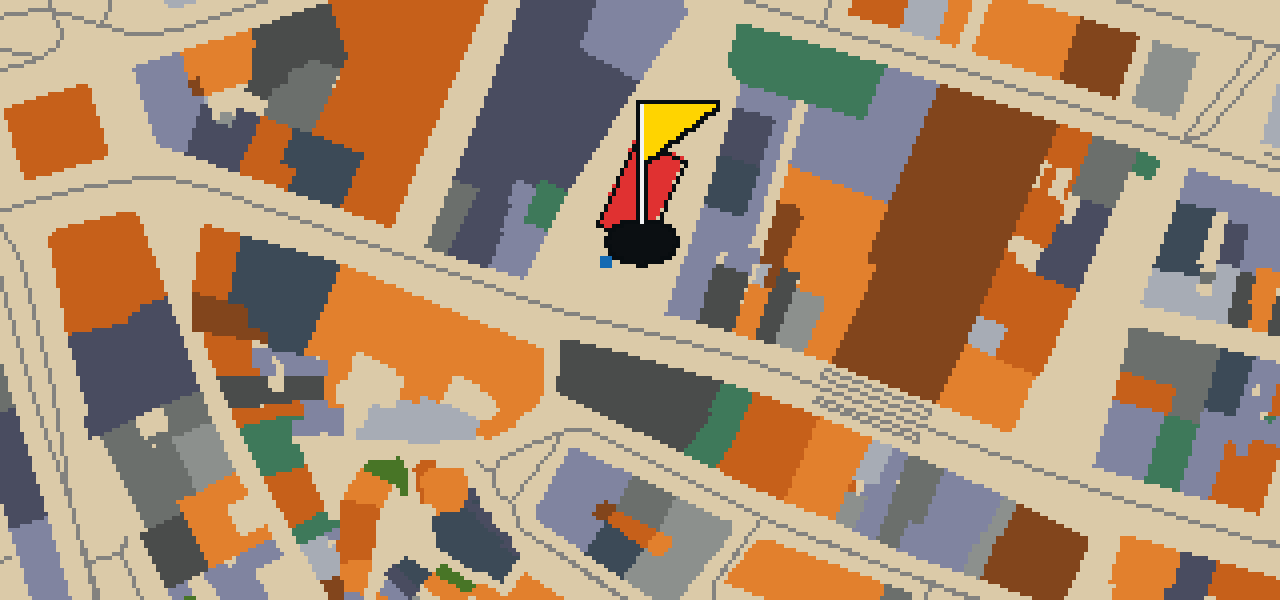
This is Genf. The map is the real city and the round is played on its real streets. The holes are built from real attractions, such as the Jet d'eau, and Skip is a local guide who knows the place. This full round of 18 holes covers 12.2 km with a par of 58. The ball uses 32 portals to move between the different districts, though Skip mostly prefers to fly. It is a long walk through the city, but the landmarks make for excellent targets.

Trouble loading? Open the game in its own tab.

HOW IT WORKS

01

Pick a city

The course is drawn on the real street grid, so the map you play is the map you walk.

02

Putt to the pin

Drag to aim, release to swing. Buildings bounce and water costs you a stroke.

03

Sightsee between strokes

Every hole ends at an attraction. Sink the putt, read the story, walk to the next tee.

THE GENEVA ROUND - STOP BY STOP

HOLE 1 - PAR 4

Stade de Genève

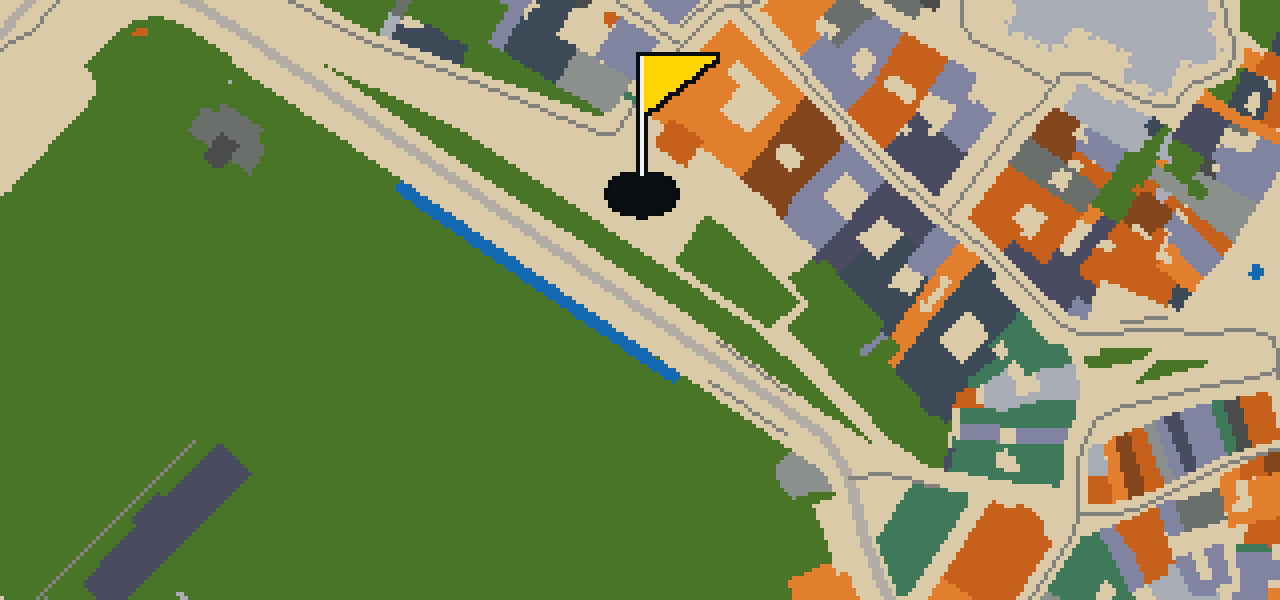
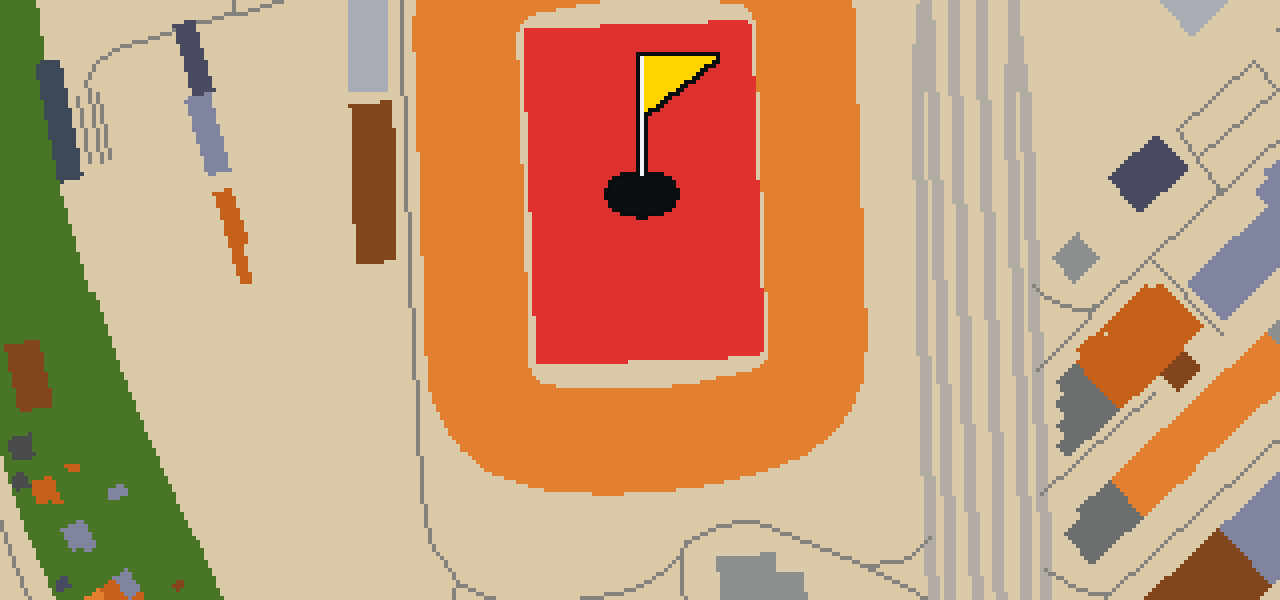
Look at the seating first; the Stade de Genève can hold 30,084 people. This stadium is located in Lancy, within the Canton of Geneva. It had its inception in 2003 and is also known as Stade de la Praille. Whether you are here for a match or just passing through the neighborhood, the scale of the facility is the first thing you will notice. I've seen plenty of crumbs dropped by excited fans in the stands here, which makes it a favorite spot for my friends and me to hang out during the big games.

Wikidata · Wikipedia

HOLE 2 - PAR 4

Théâtre de Carouge

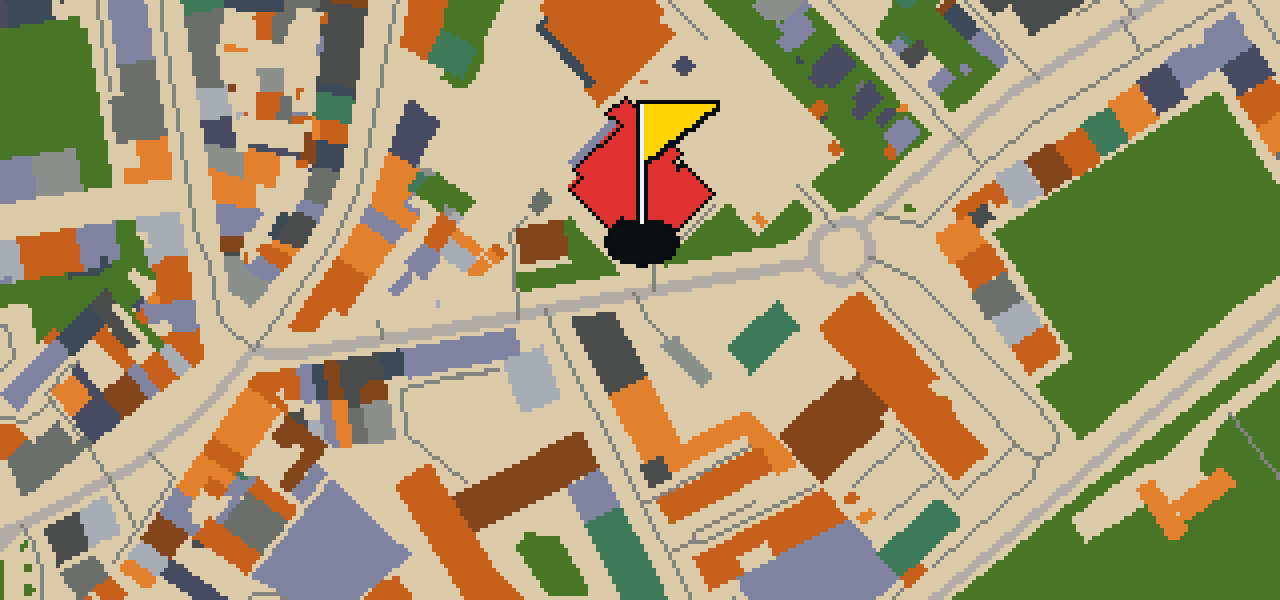
Look at the facade of this building to find the Théâtre de Carouge. This performing arts group is a staple of the local scene and has been active since its inception in 1958. Whether you are a fan of the stage or just passing through the neighborhood, it is a spot that defines the creative spirit of the area. I find the atmosphere here quite welcoming, though I usually prefer to watch the shows from a safe distance on the roof.

Wikidata

HOLE 3 - PAR 4

Tour de Champel

Let me show you the Tour de Champel, which is a tower designed in the Gothic Revival style. When you look at the structure, you can pick out the ornate details that are characteristic of this specific architectural movement. The tower reaches a total height of 17 meters, making it a visible marker for anyone walking through the area. It is a useful landmark for orienting yourself in the neighborhood. I personally think the height gives it a certain presence that draws the eye upward, even compared to the surrounding buildings.

Wikidata

HOLE 4 - PAR 3

Parc des Chaumettes

Let me show you Parc des Chaumettes. This place is an urban park, providing a spot for nature and relaxation for anyone visiting the city. It is a great place to take a break from the pavement. I've noticed the air always feels a bit fresher once you step inside.

Wikidata

HOLE 5 - PAR 3

Musée d'Art et d'Histoire

Founded in 1910, the Musée d'Art et d'Histoire is an art museum, history museum, and memory institution located in Geneva, Switzerland. It is recognized as a class A Swiss cultural property of national significance. The museum manages a massive collection comprising more than 650,000 objects and welcomes 110,415 annual visitors. I've noticed it is a great spot to get your bearings in the city, especially if you enjoy seeing how a single building can hold so many different eras of human creativity and record-keeping in one place.

Wikidata · Wikipedia

HOLE 6 - PAR 3

Horloge fleurie

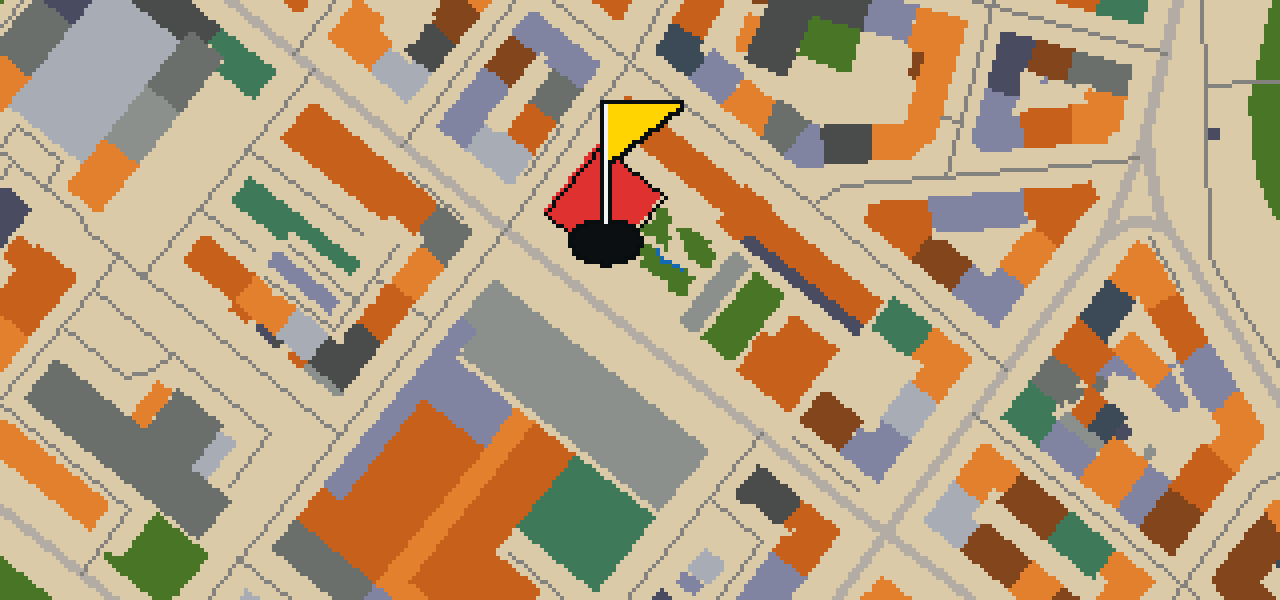
Let me show you the Horloge fleurie, a floral clock located in Geneva, Switzerland. This outdoor flower clock is a well-known site for visitors to the city and is a great spot to stop and admire the local botany. You can pick out the clock on the western side of Jardin Anglais park, where it blends into the surrounding scenery. I have noticed that the colors of the petals always make for a bright spot in the greenery, making it a favorite place for people to linger while they explore the park.

Wikidata · Wikipedia

HOLE 7 - PAR 3

Marronnier Officiel

The secretary of the Grand Council of Geneva keeps a close eye on the Marronnier Officiel. This remarkable horse chestnut tree is planted in Geneva, Switzerland, and serves a specific purpose for the community. Every year, the secretary observes the tree to find the first leaf. Once that first leaf opens, the event is recorded and announced publicly to everyone. This announcement is important because the opening of the first leaf indicates the beginning of the spring. I've noticed people always seem a bit brighter once that news hits the streets.

Wikidata · Wikipedia

HOLE 8 - PAR 3

Musée d'ethnographie

Let me show you the Musée d'ethnographie. This place is an ethnographic museum and a memory institution that was founded in 1901. It is one of the most important ethnographic museums in Switzerland, and you can pick out its status as a class A Swiss cultural property of national significance. It is a place dedicated to preserving history and culture for everyone to see. I always think the building looks like a great place to land for a midday nap, provided the guards aren't looking.

Wikidata · Wikipedia

HOLE 9 - PAR 3

Grand Théâtre de Genève

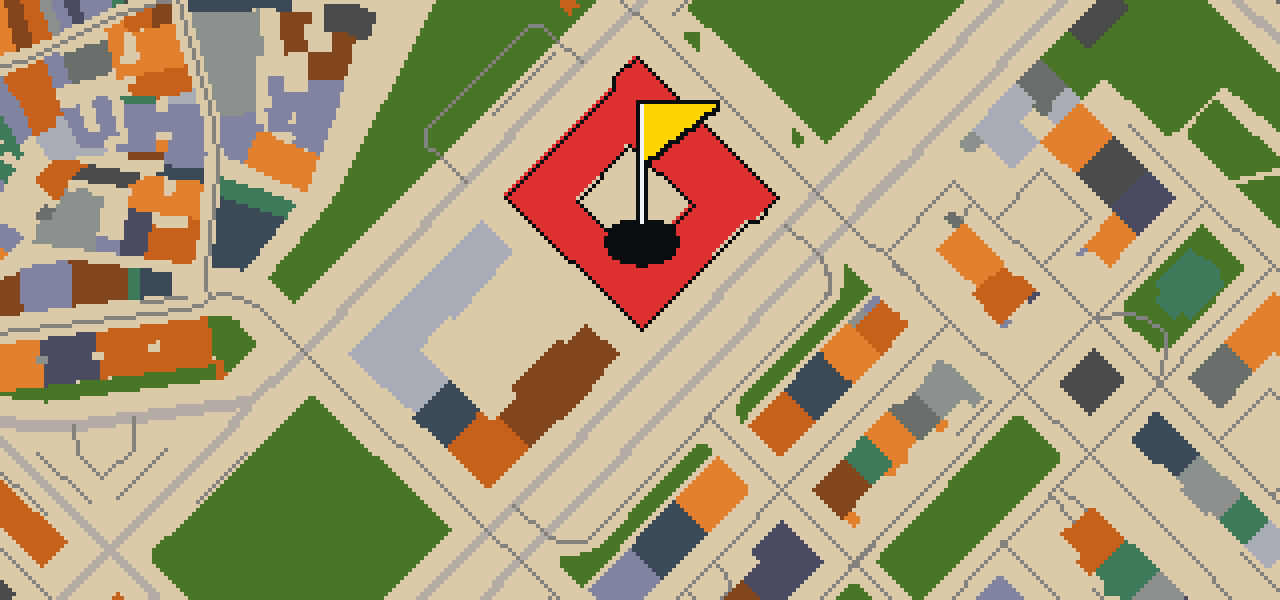
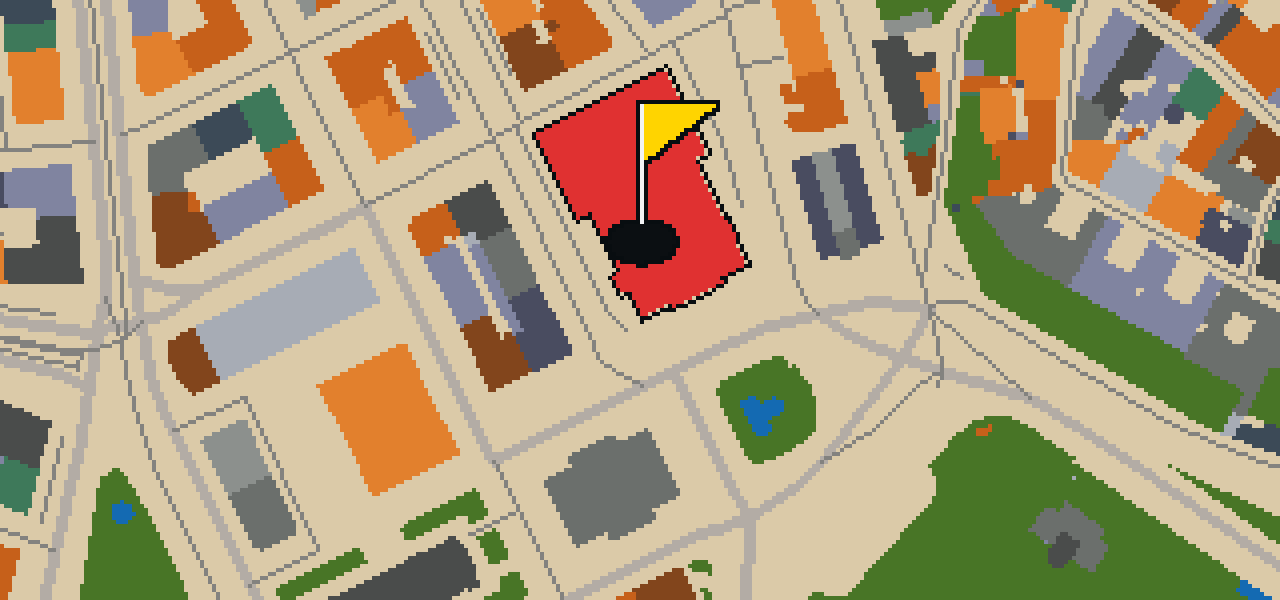
Emile Reverdin and Gaspard André were the architects behind the Grand Théâtre de Genève. This architectural structure is an opera house in Geneva, Switzerland, with an inception in 1879. You can pick out the Neoclassical architecture style of the building as you pass by, which gives the venue its distinct look. It is recognized as a class B Swiss cultural property of regional significance, marking it as a key site for the region. I find the facade makes for a very reliable bank shot for the ball, provided you hit it with enough speed to clear the curb.

Wikidata · Wikipedia

HOLE 10 - PAR 3

Cathédrale Saint-Pierre

Benedetto Alfieri is the architect of Cathédrale Saint-Pierre. This historic church in Geneva, Switzerland, is a cathedral that had its inception in 1150. The structure is recognized as a class A Swiss cultural property of national significance. Visitors can notice a blend of architectural styles, as the building features Romanesque, Gothic, and Neoclassical architecture. Beyond its status as a place of worship, it is also a cemetery. This combination of history and architecture makes it a central landmark for anyone visiting the city of Geneva.

Wikidata · Wikipedia

HOLE 11 - PAR 3

Place Bel-Air

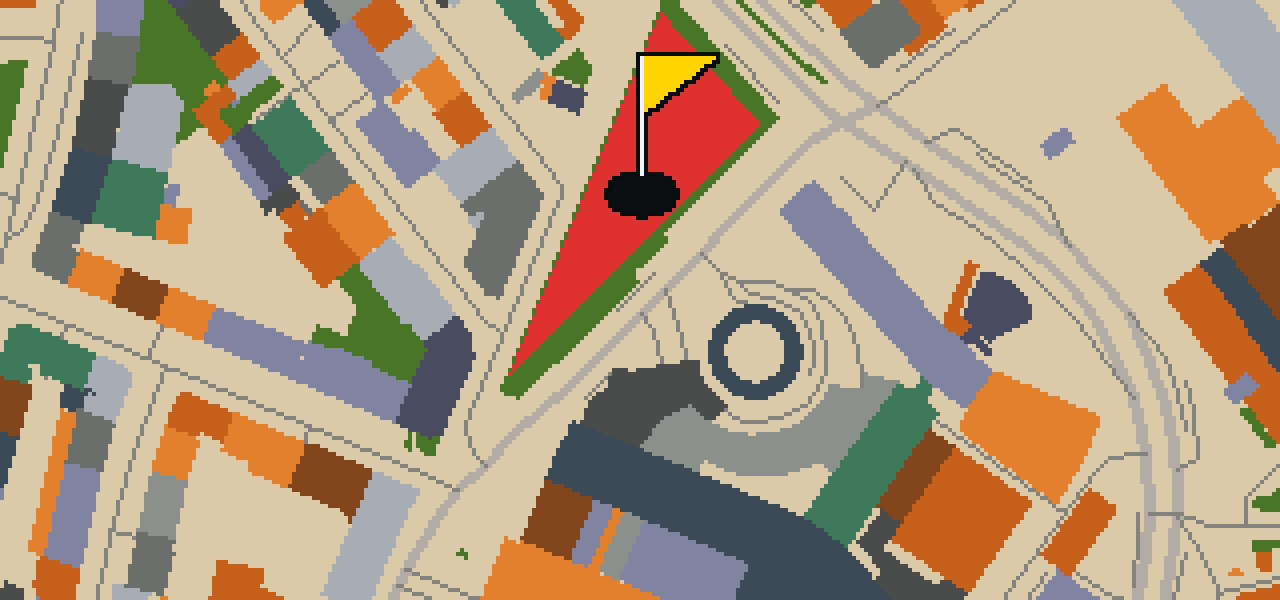
Located within the city, Place Bel-Air is a square. It is a place you can visit to see the local layout of the area. I find it is a great spot for watching the city move by.

Wikidata

HOLE 12 - PAR 3

Monument Brunswick

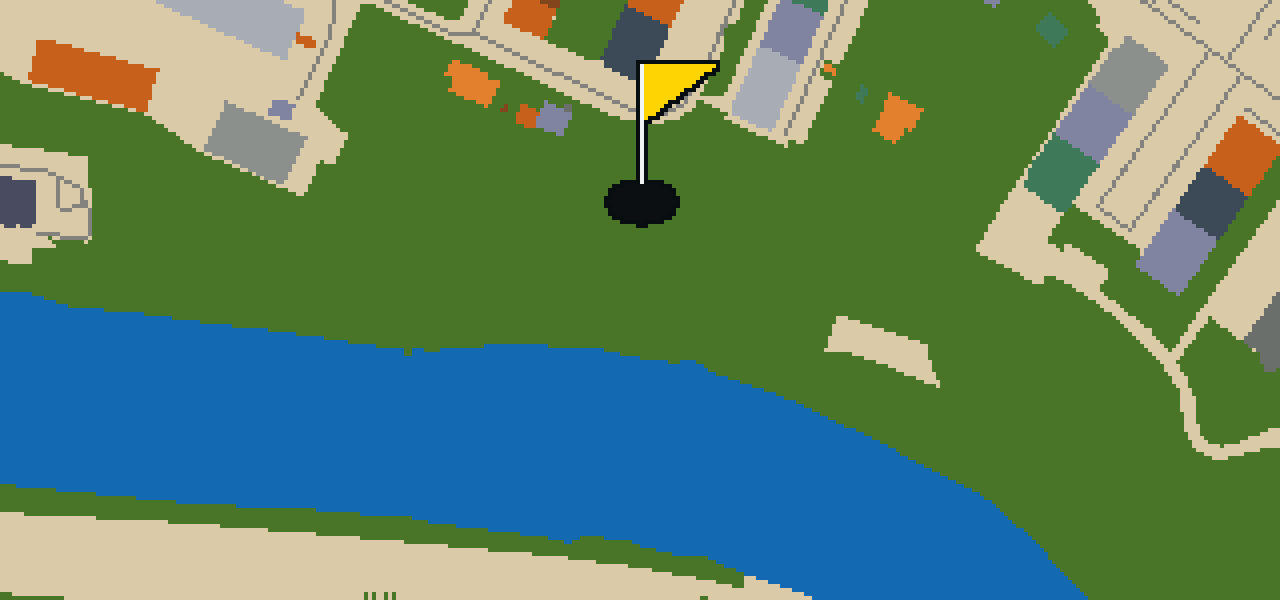
In the Jardin des Alpes in Geneva, Switzerland, you will find the Monument Brunswick. This site is both a monument and a mausoleum that commemorates the life of Charles II, Duke of Brunswick, who lived from 1804 to 1873. It is recognized as a class A Swiss cultural property of national significance. The design of the structure was specified to be a replica of the Scaliger Tombs in Verona, Italy. When you visit, you can see the influence of that Italian style reflected in the architecture of this Swiss landmark.

Wikidata · Wikipedia

HOLE 13 - PAR 4

Jet d'eau

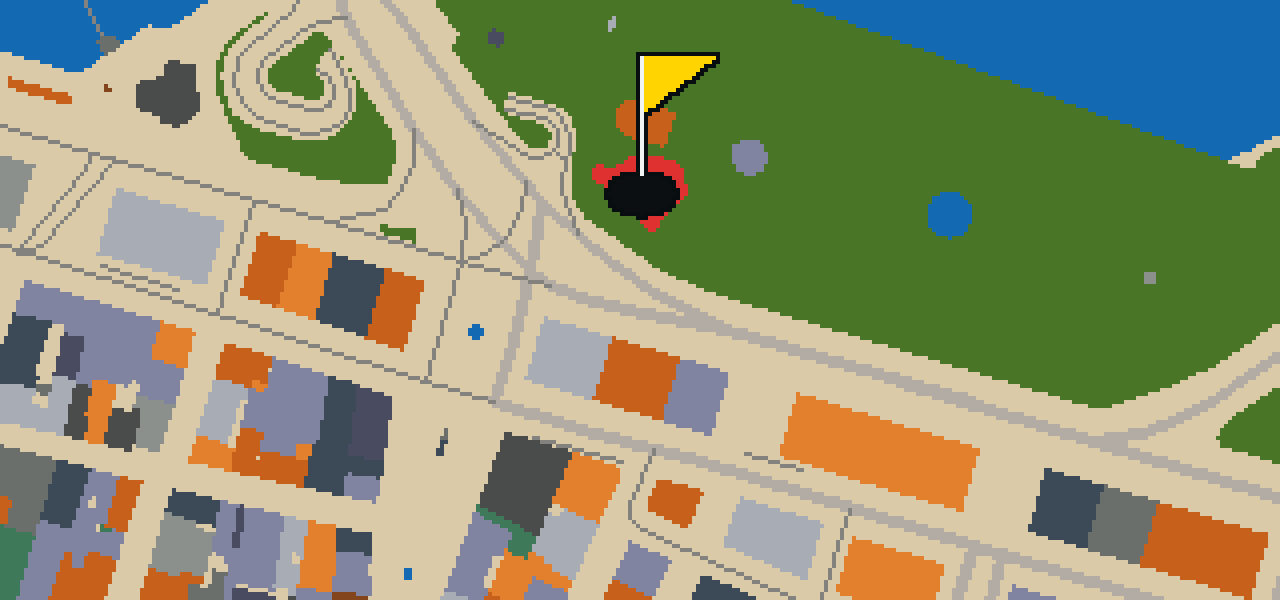
A column of water reaches 140 metres into the sky at the Jet d'Eau. This fountain is located in Geneva, Switzerland, right where Lake Geneva exits as the Rhône. It was started in 1891 and is now a class A Swiss cultural property of national significance. The scale of the water is so immense that you can pick it out from the air when flying over the city at an altitude of ten kilometres or 33,000 ft. I usually keep a safe distance from the spray.

Wikidata · Wikipedia

HOLE 14 - PAR 3

Musée Barbier-Mueller

You might expect a standard gallery, but the Musée Barbier-Mueller is actually an art museum, an ethnographic museum, and a memory institution. Located at 10 rue Jean-Calvin in Geneva, it was founded in 1977. The collection is vast, containing over 7,000 pieces. Josef Müller began gathering these works in 1907. It is officially recognized as a class B Swiss cultural property of regional significance. I always find the scale of the collection impressive when I fly past the building, and there is always something new to spot from the air.

Wikidata · Wikipedia

HOLE 15 - PAR 3

Beth Yaacov

Beth Yaacov is a synagogue located at 11 Place de la Synagogue, Geneva, in the Canton of Geneva, Switzerland. Started in 1859, this architectural structure was designed by the architect Jean-Henri Bachofen. The synagogue was completed in 1859 for the Ashkenazi Jewish community, which comprised about 200 people at the time of the synagogue's construction. Since then, the building has been recognized as a class B Swiss cultural property of regional significance. You can find it situated in a quiet area of the city, serving as a lasting record of the community that established it.

Wikidata · Wikipedia

HOLE 16 - PAR 3

Musée Voltaire

I can show you to the Musée Voltaire in Genf. This institution is dedicated to the life and works of Voltaire and operates as both a research center and a library. It was founded in 1954 and is recognized as a class A Swiss cultural property of national significance. The museum is housed in Les Délices, the residence where Voltaire lived from 1755 until 1760. It is a great spot to see how he lived and worked. I find the atmosphere here quite peaceful for a walk.

Wikidata · Wikipedia

HOLE 17 - PAR 3

Bâtiment des Forces Motrices

Théodore Turrettini is the architect of the Bâtiment des Forces Motrices. This building is a run-of-river hydroelectric power station, but you can also find a theatre and a cultural center inside. It is the power house of a former hydro power plant and waterworks in Geneva called Usine des Forces Motrices. That facility was later called Usine des Forces Motrices de la Coulouvrenière. It is a class A Swiss cultural property of national significance. I have always liked how the water sounds around here, and the building is a great spot to stop and look around.

Wikidata · Wikipedia

HOLE 18 - PAR 3

Église Notre-Dame

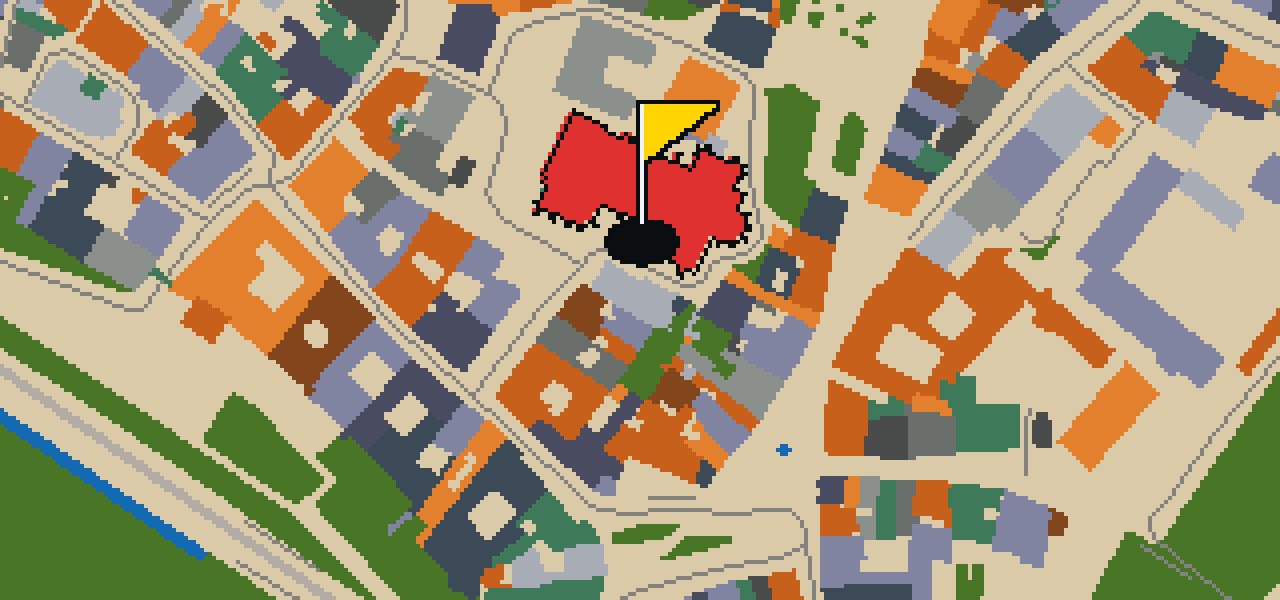
In Geneva, Switzerland, you will find the Église Notre-Dame. This Roman Catholic church is a minor basilica and is dedicated to the Blessed Virgin Mary. The inception of the building was in 1857, and it was constructed in the Gothic Revival style. Because of its historical and cultural importance, the site is categorized as a class A Swiss cultural property of national significance. You can pick out the distinct architectural details that characterize the Gothic Revival movement as you approach the entrance of this significant religious site.

Wikidata · Wikipedia

STOP 19

Temple de la Fusterie

Temple de la Fusterie is built in the baroque architecture style. This structure is a Protestant church building and is designated as a class A Swiss cultural property of national significance. Construction on the site was started in 1715. Visitors can observe the distinct characteristics of the baroque style in the building's design, which reflects the period's aesthetic. As a site of national significance, it remains an important architectural landmark within the city's layout for anyone interested in the region's religious and cultural history.

Wikidata

OTHER COURSES

18 HOLES - PAR 57

Zurich

18 stops

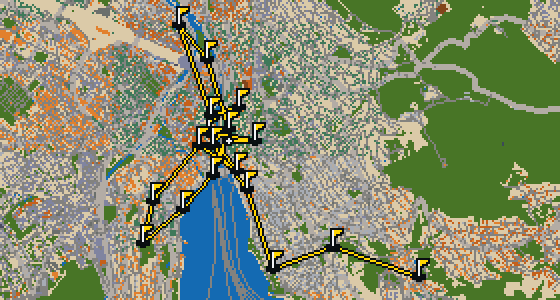
This is a full 18-hole round through Zürich. The map follows the real city, with the ball rolling across actual streets and banking off building facades. Real attractions like the Grossmünster are what the holes are built from. Skip knows every corner of this place, though a pigeon mostly cares about the crumbs. The walk covers 12.4 km and uses 70 portals to bridge the gaps between distant landmarks.

9 HOLES - PAR 27

Lucerne

9 stops

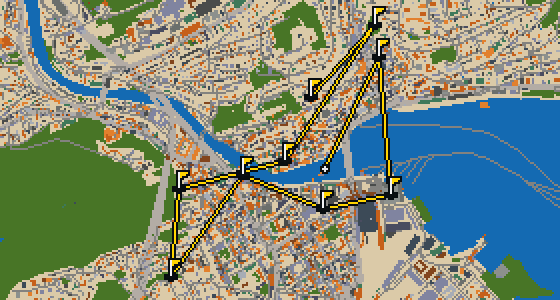
Lucerne is the setting for this quick nine-hole round. The map is the real city and the ball rolls across its actual streets, with holes built from attractions like the Kapellbrücke. From a pigeon's view, the 5.3 km walk looks like a simple path, though the ball uses 28 portals to bridge the gaps. Skip knows every corner of this place.

9 HOLES - PAR 29

Bern

9 stops

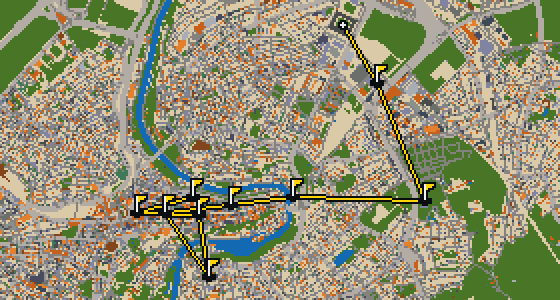
The Zytglogge is the final anchor for a quick nine-hole round in Bern. The map follows the real city, with the ball rolling across actual streets and banking off building facades. Real attractions form the holes, and Skip is a local guide who knows every cobblestone. The 6.3 km walk uses four portals to connect the landmarks.

18 HOLES - PAR 55

Basel

18 stops

Basel is the setting for this round, played on the actual streets of the city. The map follows the real urban layout, using attractions like the Spalentor to form the holes. This is a full 18-hole round covering 11.9 km, with 32 portals to help the ball skip across town. Skip knows every cobblestone here, including the corners where the best crumbs are found, and acts as the local guide for the walk.

FAQ

Is it free to play?

Yes. Every course runs in the browser with no account and no install.

Do I need to be in the city?

No. The full round plays from anywhere. Walking the real route is a nice way to see the city, but it is not required.

Are the maps real?

Yes. The geometry comes from OpenStreetMap data, rendered chunky on purpose. Streets, water and parks sit where they really are.